
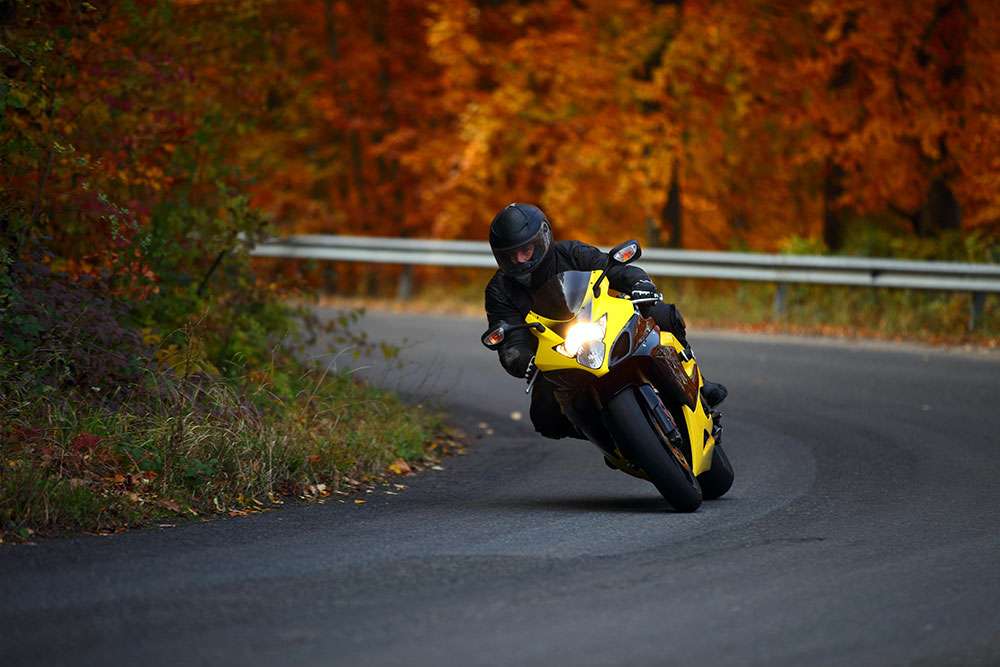
Motorcyclists Face Higher Risks of Accidents and More Severe Injuries
There’s no free lunch. Along with the unique pleasures of riding a motorcycle come risks vehicle drivers don’t face. Motorcyclists should take steps to manage and reduce the chances of a severe accident and take advantage of riding while the rest of us are stuck inside our vehicles.
What are Some of the Risks Motorcyclists Face?
Compared to vehicles, riding a motorcycle comes with unique risks and potential threats. They include:
- Exposure to the elements: There’s little protection from the weather. Riders are exposed to rain, wind, and extreme temperatures, which can affect your comfort and ability to focus
- Lack of visibility: Motorcycles are smaller and less visible than cars, making them harder for motorists to see. This increases the risk of accidents, especially at intersections or when changing lanes. Due to a motorcycle’s smaller size, drivers may misjudge its distance and speed, thinking it’s farther away and slower than it is
- Less stable: Since there are only two wheels, motorcycles are inherently less stable than four-wheeled vehicles. You need to maintain your balance, especially at low speeds or when maneuvering in tight spaces, which is not something drivers must contend with. Because of this lesser stability, motorcycles are especially dangerous where there’s a lack of traction, which can be caused by water, oil, sand, or gravel on the road
- No protective shell: Unlike a car or a truck, no metal body surrounds a motorcyclist. This makes it much more likely a motorcyclist will be ejected and or directly strike an object or vehicle in an accident. This is far more dangerous than what someone riding in a car, seat belted in, next to airbags, faces in a crash. What might be a minor accident for a vehicle could be life-threatening for a motorcyclist
- Road hazards: Motorcycles are potentially more affected by potholes, uneven surfaces, and debris. While a vehicle might suffer a flat tire or a loss of alignment if it hits a big pothole, a motorcyclist may lose control and be ejected
- Inexperienced riders: Inexperienced riders may lack the skills and judgment to operate a motorcycle safely, increasing their risk of accidents. Proper training and practice are essential for reducing this risk
- Bad drivers: While bad drivers are dangerous to other drivers, motorcyclists can suffer far more harm if they collide with a vehicle, especially at higher speeds
If you decide to use a motorcycle, you must understand the dangers you face and take steps to reduce your risk of an accident.
What Can I Do to Make Motorcycling Safer?
Motorcyclists can’t control other drivers, what’s on the road, or the weather, but there are steps they can take to help them reach their destination safely. They include:
- Wear safety gear: Kentucky law requires motorcyclists to wear helmets if they are younger than 21, have an instruction permit, or have had a motorcycle license for less than a year. If you fall outside these requirements, you should wear a helmet anyway because it may prevent a catastrophic injury in an accident. You should also use protective eyewear, gloves, sturdy boots, and durable, abrasion-resistant clothing, such as leather or armored gear
- Get trained: You need not take a motorcycle safety course to get a license in Kentucky. Like helmets, just because it’s not required doesn’t mean it may not save your life. Even experienced riders can benefit from advanced training courses to improve their skills and hazard awareness
- Follow traffic laws: You must obey speed limits, traffic signals, and road signs to help reduce the chances of crashing. Aggressive or reckless behavior, such as lane splitting, weaving through traffic, or excessive speeding, can be a recipe for disaster. Avoid or strictly limit your alcohol intake because impairment can be much more dangerous than if you drive a car because your margin for error is much more thin. Don’t ride under the influence of legal or illegal drugs
- Stay visible: Wear brightly colored or reflective clothing, especially at night or in low-light conditions. Black is fashionable for motorcyclists, but you won’t look terrific in the back of an ambulance. Use your motorcycle’s headlights, turn signals, and brake lights to increase your visibility to other motorists.
- Maintain your motorcycle: Breaking down may significantly increase your chances of being struck by a vehicle, especially if you must pull over in an area with heavy traffic. A malfunction may also cause you to crash. Regularly inspect your motorcycle for mechanical issues, including brakes, tires, lights, and signals. Keep your bike well-maintained and serviced according to the manufacturer’s recommendations
- Practice defensive riding: Pay attention to your surroundings and anticipate potential hazards. Scan ahead for obstacles, vehicles, pedestrians, and changing road conditions. Assume motorists may not see you or yield the right of way. Maintain a safe following distance from other vehicles, and be prepared to react quickly to dangerous situations that may suddenly arise
- Ride within your limits: Know your skill level and ride at a pace that you are comfortable with. Don’t buy a motorcycle that’s too powerful for you to operate safely
- Avoid dangerous conditions: Don’t ride when it’s raining or roads are water-covered. Avoid areas with heavy traffic where your chances of encountering a bad driver increase
By following these suggestions and adopting safe riding practices, you may greatly reduce the risks of accidents and enjoy a safer riding experience.
Speak To A Satterley & Kelley, PLLC Motorcycle Accident Lawyer Today
If you or someone you love is injured in a Kentucky motorcycle accident, we want to help you recover the fair and full compensation you deserve.
If you want to speak to an experienced attorney, contact our Louisville office to schedule a free initial consultation. Call us at 502-589-5600 or toll-free at 855-385-9532, or reach us online through our contact form.