
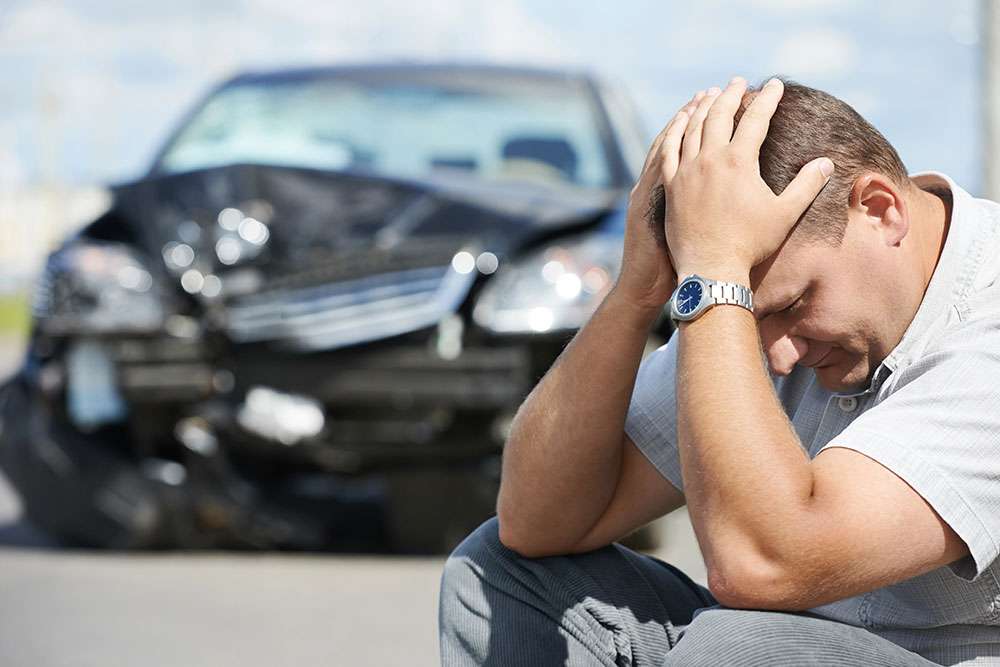
Accident Victims, Emotional Trauma, and Getting Back to Healthy
An accident may not just be brutal on your body but on your mind and emotions, too. If you’re not the one in the accident, it’s easy to focus on the physical injuries suffered by a friend or loved one. But if you’re the one involved, what may have happened to your bones or organs is just one part of the picture. You’re recovering from the emotional shock of a severe accident, too.
Trauma is anything profoundly distressing or disturbing and can be a fall down stairs, a commercial truck striking your car, or a hit-and-run accident on a local road. Not just the accident, physical shock, and injuries can be disturbing, but the ambulance ride, time in the emergency department, and surgery can be emotionally distressing as well.
Insurance claims and lawsuit recoveries aren’t limited to physical harm, pain, and discomfort. A plaintiff can also be compensated for the emotional and psychological impact the accident and injuries cause.
Emotional and Psychological Reactions to Physical Trauma
Emotional distress is a normal response to a severe accident. It can include:
- Shock: This is a natural response to a sudden, unexpected, traumatic event, which may leave you feeling numb or detached for hours or days
- Fear: You may fear another accident for your physical safety or the unknown. You may fear financial problems if you can’t get back to work while facing unexpected medical bills
- Anger: You may be angry at the party causing the accident or yourself. You may second-guess yourself about not driving a different route or spending a couple more seconds looking at the stairs before you tripped
- Guilt: If others were injured or killed, you may feel guilt for surviving or being in better shape than someone else. You may also feel guilt if you think you’re partially responsible for what happened
- Sadness or depression: As the accident and its possible consequences sink in, you may feel overwhelmed by sadness
These feelings don’t mean you’re weak or there’s something wrong with you. But if they’re an obstacle to you having a normal, functioning life, you should get help. More serious issues include the following:
- Post-traumatic stress disorder (PTSD): This can be a severe mental health condition that may develop after witnessing or experiencing a traumatic event. Symptoms may include flashbacks, insomnia, nightmares, and severe anxiety.
- Anxiety: This can be general worry, panic attacks, or specific phobias related to the accident (you can’t get in a car or drive on a street where the accident happened)
- Depression: Some survivors may suffer depression, a seemingly endless sadness or dread
You’re a unique individual, so how you respond will be based on your personality, coping skills, and the accident’s severity.
Getting Back to a Healthy, Productive Life
Recovery may take some time, so the longer you ignore your emotional challenges, the longer it will take. Here are some steps you can take to recover:
- Get professional help: Getting professional help isn’t a sign of weakness or that you’re going insane. It just means, just as in other challenges you face, you need some help. You hired an attorney for your legal claims, you went to a dentist to clean your teeth, and you didn’t pave your driveway by yourself. The person can be a social worker, therapist, counselor, psychologist, or psychiatrist (or a combination). We can give you suggestions about who you could see, and the social workers at the hospital where you were treated may give you some names, too
- Connect with others: Isolating yourself won’t help. Contact family, friends, or support groups to share your experiences and feelings. You’ll learn you’re not alone, and feel understood and a sense of camaraderie. Your contributions may help others, and knowing that will make you feel empowered and more positive about yourself
- This takes time: Give yourself time to process your emotions and understand what happened. You can’t force this to happen or give yourself a timetable. Emotional recovery isn’t an instant event. You may take many steps forward, and suffer a setback, but get back on your way
- Be active: Exercise and physical activity, as limited as it may be by your injury, can help improve your mood, anxiety, and depression. It will help you feel normal, which is something you may miss
- Maintain the basics: Your mental recovery will benefit from a healthy body. Eat nutritious meals and snacks, get enough sleep, and manage your physical injuries. Don’t abuse alcohol or pain medications or overeat.
Emotional and psychological recovery from a serious accident is a journey. It will take time, effort, and maybe some help. But it’s a journey you can finish, and being a part of our client’s medical, emotional, and financial recovery is a big reason why we come to work every morning.
Speak To A Satterley & Kelley, PLLC Accident Injury Lawyer Today
If you’re the victim of an accident caused by a negligent party, Satterley & Kelley, PLLC attorneys can protect your interests and rights to compensation for your physical and emotional injuries. Schedule a free initial consultation so we can discuss your case. Call our Louisville office at 855-385-9532 or complete our contact form if it’s more convenient.