
How Asbestosis Can Affect You and What You Can Do About It
Asbestosis is a lung disease caused by inhaling too many asbestos fibers. The result is lung fibrosis (scarring), which makes it difficult to breathe. There’s no cure, but treatments can help manage your symptoms. You need to have fairly heavy past asbestos exposure to develop this condition.
What is Asbestos?
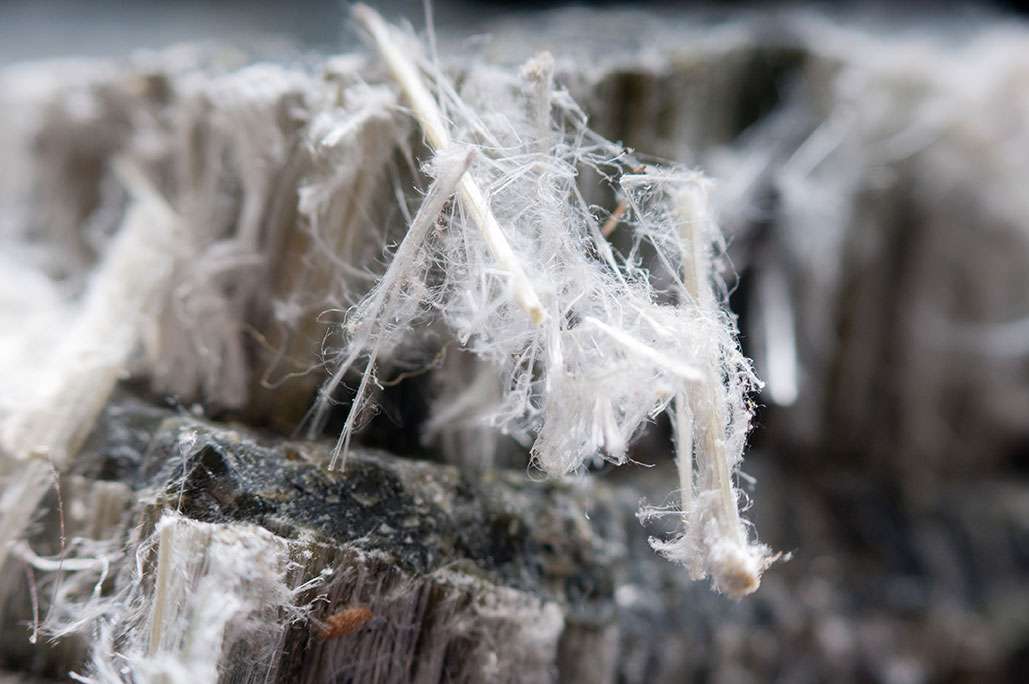
Asbestos is the term for six types of mineral fibers that were widely used in thousands of products for centuries. These fibers are extremely light, strong, and durable. They’re also heat, fire, chemical, electricity, and corrosion-resistant, making them attractive to use in many products.
Why is Asbestos Hazardous?
Asbestos fibers are microscopic and float easily through the air. Fibers can become airborne when an asbestos-containing product is used, installed, sanded, cut, torn, struck, removed, replaced, or it just ages and deteriorates.
If fibers are inhaled or swallowed, they can slice into or penetrate tissue cells. The immune system tries to remove or destroy them, but immune cells fail and are destroyed, causing inflammation and scarring. This can impair the tissues’ ability to function, and over decades, cellular changes can result in several cancers, including lung cancer and mesothelioma.
What is Asbestosis?
Asbestosis is a lung disease caused by scarring and inflammation caused by the presence of asbestos fibers, according to the Cleveland Clinic. They can cause fibrosis (lung tissue thickening and scarring), which hardens or toughens lung tissue, making it difficult to expand.
This inhibits lung function, resulting in many potential problems, including coughing, fatigue, and the inability to breathe fully and “catch your breath.” Asbestosis can cause life-threatening complications and increases your risk of lung cancer.
The longer and more intense your asbestos exposure, the higher your risk of developing asbestosis.
What are Asbestosis Symptoms?
Symptoms depend on the condition’s severity and may not present for 20 to 30 years after your asbestos exposure. The lung scarring typically worsens slowly, so you may not notice what’s happening right away.
The first symptom is often breathing trouble or shortness of breath, especially if you’re physically exerting yourself. Other symptoms may include:
- Chest tightness and pain
- Clubbing of your nails.
- Coughing
- Crackling sounds when inhaling
- Fatigue and difficulty exercising or performing physical tasks
- Unexplained weight loss
These symptoms depend on the individual and other medical conditions they may have at the same time.
How is Asbestosis Treated?
Treatment is meant to manage your symptoms, preserve your lung function, and slow the condition’s progress. It can’t reverse the damage asbestos did to your lungs. Treatment depends on the disease’s severity and other factors. It might include the following:
- Oxygen therapy: Getting extra oxygen through a mask or tube in your nostrils should help you breathe better
- Pulmonary rehabilitation: Behavioral changes and exercise may improve your quality of life
- Lung transplant surgery: Having a healthier lung can relieve your symptoms and prolong your life, but you will need to address medical issues that can arise from organ transplants
- Medication: “Anti-fibrotics” can slow your lung scarring but can’t heal it
Before deciding what treatment to use, you’ll need to discuss your goals and priorities with your physician, along with the risks and benefits of each approach.
What are Complications Associated with Asbestosis?
Complications of asbestosis may be life-threatening and include:
- Lung cancer: People who have asbestosis and smoked cigarettes in the past have an increased risk of lung cancer
- Mesothelioma: Cancer forming in the lining of your abdomen, chest, or lungs.
- Respiratory failure: Your lungs don’t function normally, so you can’t get enough oxygen in your blood, so carbon dioxide builds up in your body
- Right-sided heart failure: Your heart’s right side stops working correctly
If you’re under a doctor’s care, you may be able to prevent these issues from happening or reduce their severity.
Call Us Today for A Free Consultation
If you have asbestosis or another asbestos-related condition, you may be entitled to compensation. To discuss your situation and how Satterley & Kelley, PLLC can help, call our Louisville office toll-free at 855-385-9532 or complete our contact form to schedule a free initial consultation.