
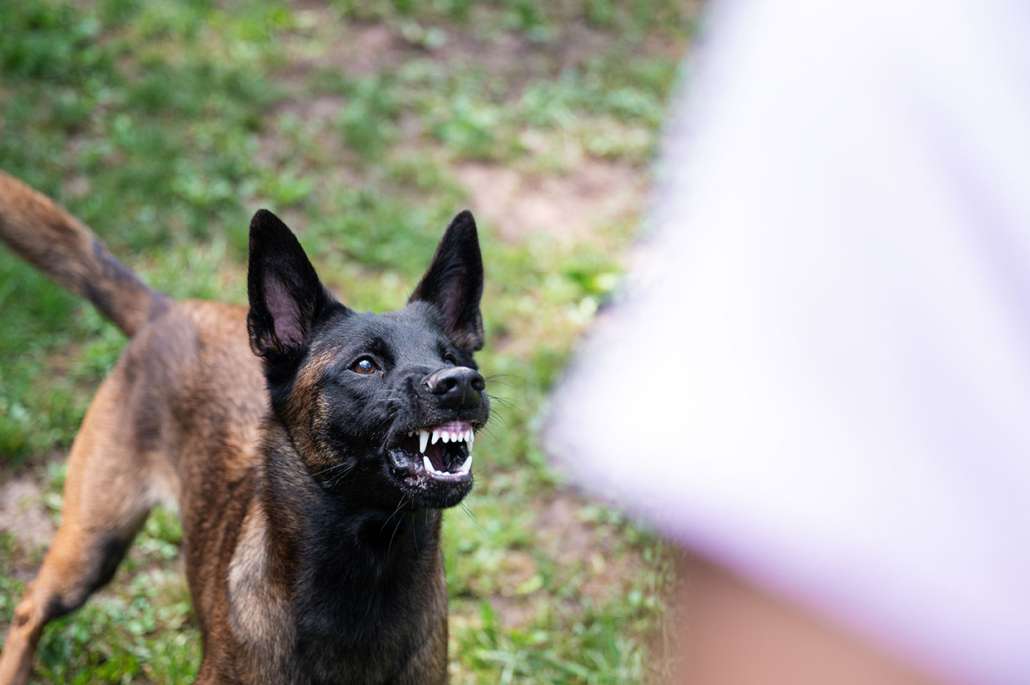
Understanding Why Dogs Bite May Prevent You from Being Bitten
If you own a dog or encounter one, even the happiest-looking dog could possibly bite you. Dog owners are liable when their dogs attack a person so they should get to know their dog well enough to only allow it in situations where the risk of it biting someone is low to non-existent. If a dog bite injures you, Satterley & Kelley, PLLC can help you obtain the compensation you deserve.
Each dog has a different threshold for the circumstances that will push them to resort to biting someone. Some dogs need support and attention more than others to prevent bites from happening, according to the American Kennel Club (AKC).
Why Do Dogs Bite?
A dog bite shouldn’t come out of the blue. From hips that don’t break the skin to a vicious, life-threatening mauling, there are many reasons a dog might feel biting is appropriate in the circumstances. Bite victims may not be paying attention or miss the warning signs a bite could happen. Most dogs will communicate their discomfort or anger before biting by snapping, barking, or growling. But there can be many reasons why a dog bites.
1. Fear
Most aggressive dog behavior is rooted in fear. They may fear something or someone getting close to them. If whatever the dog fears gets too close, dogs can go “over threshold” and may bite. The dog is trying to create distance between it and whatever or whoever they fear.
2. Surprise
A dog can bite if they feel startled, especially if they were asleep. They may be confused and disoriented about where they are and what is happening. These bites may take both the person and the dog by surprise. This can be more likely with older dogs who have weakened sight and/or hearing so they may be particularly confused if they are suddenly woken up. Be thoughtful when waking a sleeping dog, and teach your children to do the same.
3. Protecting/Guarding
If your dog doesn’t want to share something it thinks is valuable (toys or food), they may bite out of fear it’ll be taken away. They may be part of resource-guarding behavior. Some dogs have strong guarding tendencies and may bite if they perceive their home is being intruded upon or if someone in their family is in danger (correctly or not).
4. Frustration
Dogs can feel overwhelmed, which may cause biting. They may feel trapped in an uncomfortable or unpleasant situation and bite out of frustration. They may be held back by someone and prevented from reaching something they want and bit the person in response.
5. Pain
A sick or injured dog may feel overwhelmed, stressed, and scared. Even a normally friendly dog that’s injured or in pain may bite.
6. Play
Light biting or mouthing is a common way dogs explore the world and is a behavior that dogs will engage in when they play. People may not like it, but it’s something dogs do with each other.
7. There’s Something Wrong with Your Dog
It may not be a passing physical illness that makes your dog more dangerous. You or someone else may have abused it, and it’s defending itself in situations it perceives as potentially threatening. It may also have an extreme personality or mental illness.
Your dog may need a lot of training and help so it can live without biting others. Unfortunately, “curing” it of these behaviors may not be realistic, and the dog should be euthanized to protect others.
How Can I Reduce the Chances My Dog Will Bite Me or Someone Else?
Dogs are individuals. Not every dog will be comfortable in every situation. Be aware of your dog’s comfort level in different situations. Be proactive by removing your dog from situations before it feels it’s necessary to bite someone.
If your dog doesn’t do well with other animals or new people, reduce their exposure to them. If you know of someone who’s teased your dog in the past or harmed them, do your best to keep them away.
Your dog may get itself in trouble if it’s roaming, so always keep it under control and on a leash or restrained when at home. If it’s loose and lost it may become fearful of someone trying to help it and bite them.
Don’t Punish
Interesting advice from the AKC is that if your dog growls, snaps, or even bites you, you’ll probably punish this behavior. The AKC states this will confuse your dog and likely make the situation worse.
A growl or air snap without contact is your dog’s way to announce it’s extremely uncomfortable or feeling overwhelmed by a situation. When you punish your dog for growling and showing that discomfort, you may increase the risk of a future bite because the dog may feel you’re punishing its warning, not its aggression, and bite without warning next time.
Consult with a professional trainer to learn more about your dog and ways to help it live a less stressful life that will reduce its chances of biting someone. Most dogs have good sides. They can be great companions who will enrich your life, but they may also respond violently in some situations.
Speak To a Dog Bite Attorney About Your Case
The fact your dog is a loving part of your life is not an excuse to turn a blind eye to its dangerous tendencies. Under Kentucky law, the dog owner is liable for harm it does, no matter what a great pet it may be or if it attacked others in the past.
If you suffer a severe dog bite injury, call our Louisville office at 855-385-9532 because you may be entitled to compensation. You may also schedule your free initial consultation by completing our contact form.