
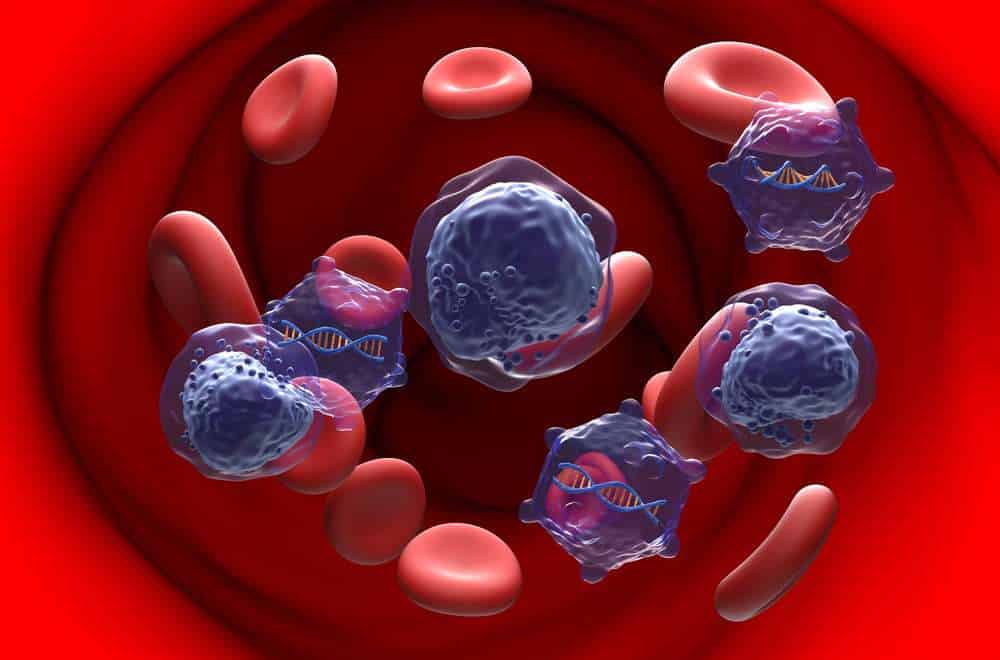
Benzene Can Cause Acute Myeloid Leukemia (AML). What is AML?
The chemical benzene has been linked to the development of several cancers, including AML. Benzene is a naturally occurring chemical, and it can also be artificially created. It’s in a wide range of products, but most people are exposed to benzene through cigarette smoke and gasoline fumes.
What is AML?
Leukemia is a term for cancers of blood cells, according to Yale Medicine. There are several types, which are classified based on the type of blood cells impacted and whether the condition is acute or chronic. Acute leukemias develop relatively quickly, have a rapid onset, and progress rapidly. Chronic leukemias develop more slowly and progress over several years.
AML is the most common acute leukemia in adults. It usually affects older people (68 is the average age at diagnosis), though it can occur in adolescents and children. It accounts for 1.1% of all US cancer cases, with an estimated 20,240 people in the US diagnosed with it in 2021.
Because it’s an aggressive cancer, treatment should start as soon as it’s diagnosed. Many patients can be cured, but various factors are at play, resulting in widely varying outcomes.
Leukemia begins in the bone marrow, a spongy tissue at the center of bones, where new platelets, red, and white blood cells are created. Leukemia is the result of genetic mutations that disrupt the process by which these cells are formed.
This causes large numbers of abnormal blood cells that are useless to the body. They crowd out healthy cells, preventing them from functioning properly and keeping you healthy. Cancer cells can be viewed as parasites, consuming nutrients to thrive, while the body suffers as a whole.
With AML, there are large numbers of abnormal myoblasts. This is a type of white blood cell that doesn’t mature, so there’s a shortage of infection-fighting white blood cells. Those with the condition are more likely to suffer infections as a result.
These leukemia cells go into the bloodstream and spread throughout the body. As the number of malignant myoblasts increases, they accumulate in bone marrow and block out healthy blood cells. Eventually, bone marrow can’t produce enough normal red blood cells and platelets to meet the body’s needs.
This causes a chain reaction in the body:
- Red blood cells carry oxygen to organs and tissues throughout the body. Those with low red blood cell levels may be short of breath and feel tired
- Platelets help stop bleeding by playing a role in forming blood clots. Without enough healthy platelets, people with AML may bruise and bleed easily
Unlike other kinds of cancer, AML usually doesn’t form tumors. There are many AML subtypes, and treatment can vary depending on which one affects you.
Is There a Link Between AML and Benzene?
Known risk factors for AML include increasing age, being male, having chemotherapy in the past, obesity, cigarette smoking, exposure to benzene and other chemicals, including formaldehyde, according to 2018 research on the link between benzene exposure and AML.
“Benzene exposure is one of the few well-established risk factors for myeloid malignancy.” Myeloid refers to bone marrow tissue or cells that develop from it. Researchers examined 2005 to 2009 data from the Minnesota Cancer Surveillance System (MCSS), a population-based registry that collects information on cancers diagnosed in Minnesota.
Researchers found that benzene exposure for less than five years was statistically “associated” with AML, and exposure for five or more years was “significantly associated” with AML.
“Occupational exposure to benzene and other solvents is one of the most consistently observed risk factors for myeloid malignancy…The International Agency for Research on Cancer (IARC) has determined that benzene exposure is carcinogenic to the bone marrow and causes…AML…”
What are AML Symptoms?
Symptoms include the following:
- Fatigue
- Fever
- Short of breath
- Bruise and/or bleed easily
- Nosebleeds
- Bleeding gums
- Heavy menstrual flow
- Unintended weight loss
- Pale skin
- Frequent infections
- Headaches
- Bone and joint pain
- Tiny red spots on the skin
- Small skin bumps, nodules, and/or rash
- Vision problems
- Abdominal swelling
If you have these symptoms, consult your healthcare provide
How is AML Treated?
Treatment options depend on your age, overall health, and your AML subtype. Treatment is divided into two phases:
- Induction chemotherapy: Patients are given chemotherapy drugs to kill as many leukemia cells as possible. The goal is to put you into remission (you have no symptoms, and there are too few leukemia cells to detect or there are none to find)
- Consolidation therapy: This is the second treatment phase after remission. The goal is to kill remaining leukemia, if any, lowering the risk that the disease will return. This involves more chemotherapy or stem cell transplantation
Other AML treatments include the following:
- Targeted therapy: Drugs targeting specific parts of cancer cells so healthy cells are not affected, which is a major adverse side effect of chemotherapy
- Radiation therapy: This kills cancer cells by exposing them to radiation. This can be used before stem cell transplantation to shrink myeloid sarcomas and to treat AML that spreads to the brain or spinal cord
If AML doesn’t respond well to treatment or returns after a period of remission (relapse), your healthcare provider may suggest palliative care.
What’s the Outlook for Those With AML?
That depends on several factors, including the following:
- Your age
- General health
- Prior chemotherapy treatment
Generally, younger, healthier patients with no history of chemotherapy use have better outcomes, but there are many factors at play. The five-year survival rate for adults in the US (the percentage of people alive five years after diagnosis) with AML is 29.5%. Many of the cases used to generate this statistic didn’t use the latest treatments currently available, so your chances may be better.
Call Us Today for a Free Initial Consultation
If you or a loved one is diagnosed with AML or another severe illness caused by benzene, you may receive financial compensation for your hardship. Call us at 855-385-9532, locally 502-589-5600, or contact us online to arrange a free initial consultation with a Satterley & Kelley PLLC lawyer.