
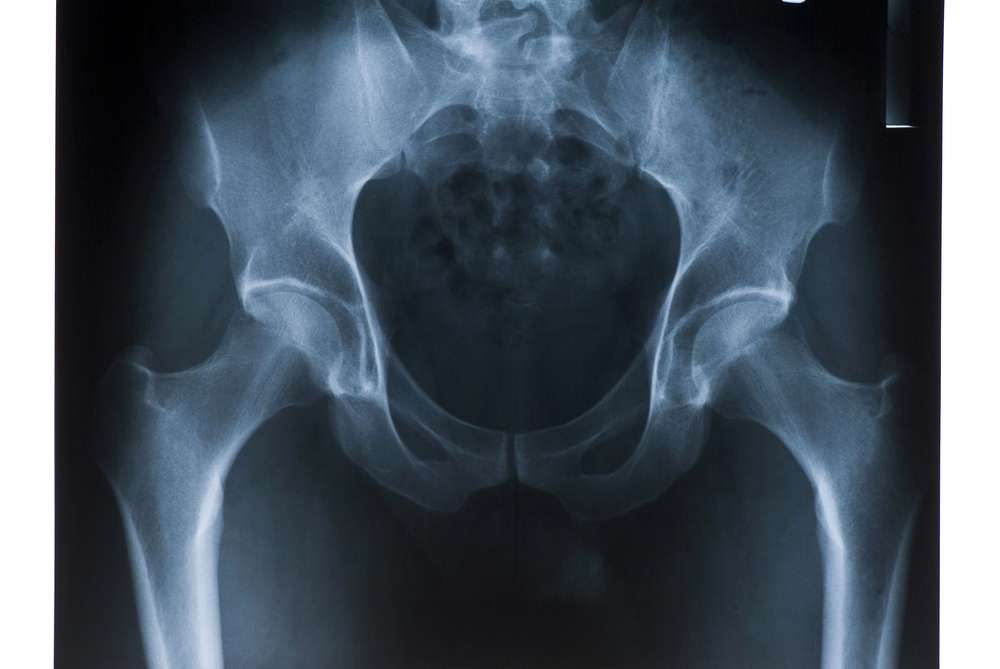
Did Your Pelvis Break in an Accident? Compensation May Be Available
Your pelvis is critical to your body. Breaking it could leave you unable to perform your usual tasks for weeks or months. If you’re older, the consequences of a broken pelvis can include a shortened lifespan. If you suffer a broken pelvis in a vehicle or motorcycle accident or due to a slip and fall, you may be entitled to compensation for what you’re going through.
Satterley & Kelley, PLLC have helped accident victims, including those suffering a broken pelvis, for more than 30 years. If you want to learn more about how a party responsible for your injury may be held liable for their actions under Kentucky law, schedule a free consultation by calling us at 855-385-9532 today.
What is a Pelvis?
Your pelvis, according to the Cleveland Clinic, is the seat of your axial skeleton (the skeletal system’s central core). It holds up the trunk of your body and connects it to your legs. You can think of it as a basin at the base of your spine, that opens in the middle.
What Does Your Pelvis Do?
Your pelvic bones carry your upper body’s weight with your pelvic floor’s muscles. The pelvic cavity, the area between your pelvis and abdomen, holds urinary and reproductive organs. In women, the pelvis’ opening serves as the birth canal.
Your pelvis protects important organs, nerves, and blood vessels, including internal reproductive organs, your bladder, and lower digestive tract. It also anchors your leg muscles.
What is a Pelvic Fracture?
The Cleveland Clinic reports that a pelvic fracture is a break in one or more pelvic bones. They can range from mild to severe.
The pelvic bones include:
- The sacrum (a large triangle-shaped bone at your spine’s base).
- The coccyx (or tailbone).
- The hip bones, which are the ilium, ischium, and pubis
These bones make up your pelvic ring.
What Types of Fractures are There?
Your pelvis has multiple bones, so there can be many types of pelvic fractures, which can also vary on the break’s pattern, including:
- Closed or open (compound) fracture: A closed fracture is contained within your body. An open or compound fracture pierces your skin
- Complete fracture: Your pelvis breaks into two pieces
- Displaced fracture: There’s a gap between the fractured pelvis
- Partial fracture: The break doesn’t go through the pelvis
- Stress fracture: Your pelvis cracks but doesn’t break completely through it
A pelvic fracture is also stable or unstable:
- Stable: There’s one break, and the broken parts of the pelvis aren’t displaced. These can occur from low-impact accidents, like a fall
- Unstable: There are two or more breaks, and the ends of the broken parts of the bones are displaced. These fractures are often caused by high-impact accidents like vehicle or motorcycle crashes
Less common are avulsion fractures, which occur when a ligament or tendon tears away from the pelvis, taking a small bone piece with it.
How Common are Pelvic Fractures?
About 3% of adult bone fractures are pelvic fractures. Most occur due to high-impact events, such as vehicle accidents or falls from a significant height.
What are Pelvic Fracture Symptoms?
They depend on the break’s severity and can include:
- Pain in the groin, lower back, hip, or abdomen
- Pain when moving your legs or walking
- Tingling or numbness in your legs or groin
- Difficulty urinating, walking, or standing
If you’ve had a serious fall or are in a vehicle accident, get medical attention as soon as possible, especially if you have these symptoms.
How is a Fractured Pelvis Treated?
That depends on several factors, including:
- The fracture’s severity
- The fracture’s pattern and type
- Which bones are displaced and how much
- If you have other injuries and your overall health
Mild and stable fractures where bones aren’t displaced can include rest, walking aids, and medications. More severe or unstable pelvic fractures usually require at least one surgery. Different surgery types include:
- External fixation: Metal screws or pins are inserted into your pelvic bones through small incisions. They stick out of your body and are attached to bars which create a stabilizing frame that hold broken bones in proper positions while they heal
- Skeletal traction: This is a pulley system outside your body that realigns the broken bone(s). Metal pins are implanted in your thighbone or shinbone. They go through your skin and help position your leg. Weights attached to the pins pull on your leg to keep broken pelvic bone fragments in a normal position
- Open reduction and internal fixation: Displaced pelvic bone parts are repositioned into their normal positions, then held together with screws or metal plates attached to the bone’s outer surface
If you have a severe pelvic fracture due to a motorcycle or vehicle accident, you may have other internal injuries caused by the pelvic fracture. Successful fracture treatment often depends on treating related injuries. It usually takes 8 to 12 weeks for a fractured pelvis to heal, with more severe fractures or those with complications taking longer.
What is the Outlook for Someone with a Pelvic Fracture?
It depends on the type and severity of the injury. Mild, stable fractures normally heal well with treatment without chronic complications. Unstable, severe pelvic fractures caused by high-impact accidents could cause complications like severe bleeding, organ and/or nerve damage. If they are treated successfully, the fracture usually heals well.
However, a pelvic fracture could also result in chronic pain, sexual dysfunction, impaired mobility, and a type of dangerous blood clot (deep vein thrombosis).
When Can a Pelvic Fracture be Life-Threatening?
Unstable, complex pelvic fractures caused by high-impact forces, such as during a vehicle accident or a significant fall, can damage surrounding organs, blood vessels, and nerves in the pelvic region. This can cause life-threatening infections, bleeding, and organ failures.
Speak To A Satterley & Kelley, PLLC Accident Injury Attorney Today
If you’re injured in an accident and suffer a broken pelvis, Satterley & Kelley PLLC attorneys can protect your rights to compensation for your injuries and losses. To reach our Louisville office, call us at 855-385-9532, locally 502-589-5600, or contact us online to arrange a free initial consultation.