
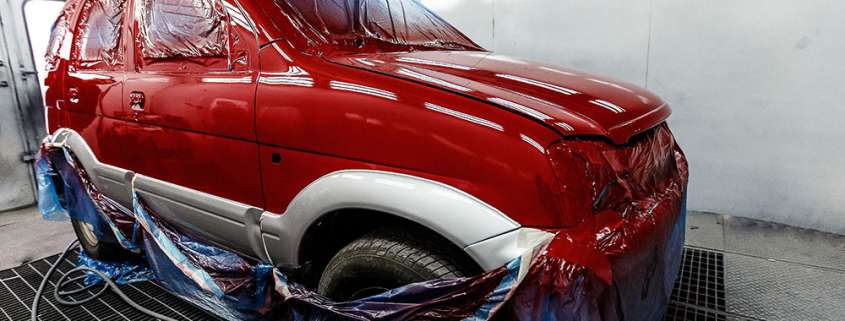
Paint ovens are equipment that helps dry different paints and coatings on various objects. They’re meant to speed up the drying process and improve the final result. Because paint ovens involve heat, asbestos was used to protect the equipment and those using them for decades. An unintended consequence is that those around these ovens and those who installed, repaired, or removed them could be exposed to cancer-causing asbestos fibers.
What is a Paint Oven?
It’s an essential part of the finishing process for various products, especially those coated with powder or liquid paint. Paint ovens shorten the drying time of coated products using different means. There are different kinds:
- Convection systems: They use fans and exhaust systems to move hot air around products so they dry evenly. The exhaust system captures overspray within a paint booth, preventing contaminants from affecting the finish
- Infrared (IR) systems: These ovens use infrared radiation inside a vacuum to create heat. Unlike convection ovens, they don’t heat the surrounding air first. IR systems transfer radiation more quickly and use less energy
- Industrial curing ovens: They provide a clean environment for baking and curing parts after paint application. Fans deliver slow and consistent hot air throughout the oven. Insulated wall panels ensure that the heated air remains contained and safe to touch outside the oven
Without paint ovens, the quality of coatings and dried paint would be less, it would take longer to assemble products, and costs would increase.
Who Uses Paint Ovens?
Paint ovens are widely used in different industries, including:
- Vehicles: Vehicle manufacturers use paint ovens to cure automotive paint on vehicle bodies. These ovens ensure a durable finish and consistent color. Auto body repair shops also utilize smaller paint ovens for refinishing work
- Manufacturing: Paint ovens are essential for coating metal parts, machinery, and equipment. They enhance corrosion resistance and aesthetics. Wooden furniture pieces are often painted or stained, and paint ovens ensure proper curing. Household appliances like refrigerators, stoves, and washing machines undergo painting and curing in ovens. Some electronic components and enclosures are coated with protective paint, requiring curing in specialized ovens
- Aerospace and aviation: Aircraft components are painted and cured in large ovens. Spacecraft and satellite components also undergo similar processes
- Woodworking and cabinetry: Cabinet makers, furniture artisans, and woodworkers use paint ovens to cure finishes on wooden surfaces
- Plastics and composites: Plastic parts and composite materials (fiberglass) can be coated and cured in specialized ovens
- Coil coating: The steel industry has continuous coil coating lines that apply paint or protective coatings to steel coils. Ovens cure the coatings before winding the coils
- Powder coating: Powder-coated metal products (such as fences, railings, and outdoor furniture) are cured in ovens to create a durable finish
These ovens play a crucial role in achieving high-quality, long-lasting coatings.
What is Asbestos?
Asbestos is a natural mineral fiber. Its fibers are exceptionally strong and durable and are resistant to fire, heat, chemicals, and electricity. The ancient Greeks first documented its use, and it greatly expanded during the Industrial Revolution, World War II, and the post-war economic boom.
What Asbestos-Containing Products Would be Used With Paint Ovens?
Due to its durability and heat resistance, asbestos found its way into various products, including those used with paint ovens. Asbestos-containing products were regulated mainly off the market in the late 1970s, but paint ovens with asbestos may have continued being used for many years.
Asbestos-containing products used with paint ovens include:
- Insulation: Asbestos was often used to insulate paint ovens. It provided excellent heat retention properties and helped maintain consistent temperatures within the oven. Asbestos-containing insulation boards, wraps, and blankets were installed around the oven’s walls, doors, and other components
- Gaskets and seals: Asbestos gaskets and seals were crucial for preventing heat loss and ensuring airtight closures in paint ovens. They were placed around oven doors, flanges, and joints to maintain proper insulation
- Heat-resistant coatings and mastics: Asbestos-containing coatings and mastics were applied to the oven interior. They protected the oven walls from high temperatures and helped maintain consistent heat distribution
- Fireproof gloves and mitts: These protective accessories were essential for handling hot objects within the oven. Some of them had a high percentage of asbestos
How many asbestos products were used and where could vary from oven to oven.
Why is Asbestos Dangerous?
An asbestos-containing product can shed asbestos fibers when it’s installed, removed, torn, cut, sawed, drilled into, or it deteriorates with age. These tiny, light, airborne fibers can be inhaled or swallowed by anyone in the area. Workers may return home with fibers on their clothes, exposing those who live with them.
Inhaling or swallowing asbestos fibers can cause deadly medical conditions. They include asbestosis (which severely restricts a person’s ability to breathe) and several different types of cancer, including lung cancer and mesothelioma.
Mesothelioma is a fatal, aggressive cancer that affects the linings of the:
- Lungs
- Heart
- Abdominal organs
- Chest cavity
- Abdominal cavity
Asbestos-related health conditions often take decades after exposure to develop.
Can Those Injured by Asbestos Collect Compensation?
Those injured by asbestos may be compensated for their pain and suffering and receive payments for their past and future medical and rehabilitative care. They may also claim lost income and benefits if they couldn’t work due to their condition and compensation for lost physical function. If an asbestos-related disease kills a family member, you may be able to file a wrongful death claim against those responsible.
We Can Be Your Trusted Local Law Firm
Satterley & Kelley PLLC lawyers have more than 30 years of experience advocating for families like yours. We will work diligently to help you recover the compensation you deserve so you can at least ease your financial burdens.
To speak with an attorney from our firm in a free initial consultation, call our Louisville office toll-free at 855-385-9532. You may also reach us through our online contact form.
Click here for more information about other products that contain asbestos