
Asbestos Exposure at Jewish Hospital in Louisville (update)
Built in 1905, Jewish Hospital in Louisville, Kentucky contained asbestos insulation in its walls and ceilings as well as around its wires and tanks. People who constructed the building or its addition in the 1970s may have been exposed to asbestos.
Additionally, employees who came near the construction sites may also have been exposed. If the area wasn’t contained properly during the construction process, the fibers may have traveled through air ducts, exposing nearly everyone in the building.
If you have developed mesothelioma or any other illness due to asbestos exposure at Jewish Hospital or any other asbestos exposure site, you should contact us for help. At Satterley and Kelley, PLLC, we are experienced mesothelioma attorneys who are ready to fight for your right to justice and compensation.
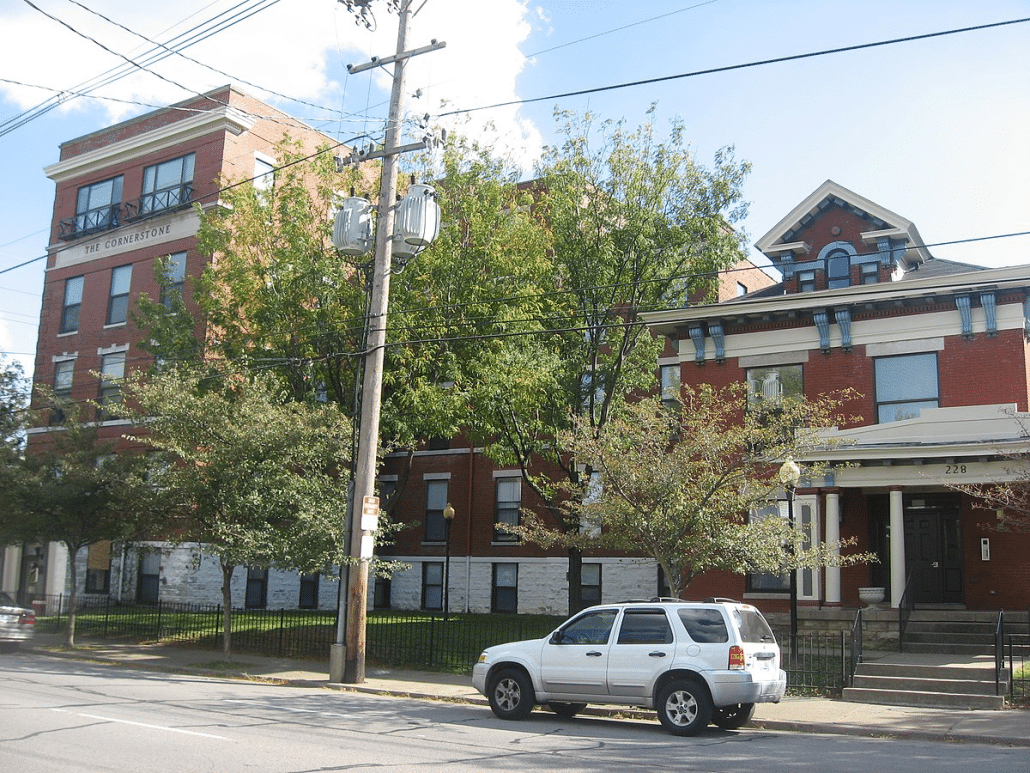
Jewish Hospital in Louisville, KY (common use)
What Is Jewish Hospital in Louisville?
Located in downtown Louisville, Jewish Hospital is a 462-bed hospital that treats patients with a wide range of general and specialized healthcare needs. The hospital is currently part of the University of Louisville Health System. It was originally built in 1905, and during that period, asbestos building materials were very popular.
What is Asbestos?
Asbestos is a light, strong, durable mineral fiber that was used in thousands of products over centuries because it’s resistant to the following:
- Heat
- Fire
- Chemicals
- Electricity
If fibers are airborne, people can inhale or swallow them. Asbestos fibers may never leave the body or be destroyed by its immune response.
Why is Asbestos Dangerous?
Asbestos’ microscopic fibers, when released into the air and inhaled or swallowed, can pose serious health risks. The primary reasons why include:
- Easily Inhaled or Swallowed: Asbestos fibers are tiny and lightweight, so they’re easily airborne. When people breathe in these fibers, they can become trapped in the lungs and other parts of the respiratory system. When the fibers get into the mouth and are ingested, they threaten the digestive system, abdominal organs, and the abdomen’s lining
- Health Effects: Prolonged or repeated exposure to asbestos fibers can lead to various severe health conditions, including asbestos (a chronic lung disease causing breathing difficulties, coughing, and reduced lung function), lung cancer (those who smoked have a particularly high risk), mesothelioma (a rare and aggressive cancer that primarily affects the lining of the lungs (pleura) or the abdominal cavity (peritoneum)), and other cancers
- Long Latency Period: Asbestos’ health effects often take years or decades to develop
- Fiber Durability: Asbestos fibers in the body can remain for a long time, possibly for a person’s lifetime, causing continued health risks after initial exposure ceases
- There’s No Safe Exposure Threshold: There is no known safe level of asbestos exposure. Even small amounts over time can potentially lead to health issues
- Secondary Exposure: People who come into contact with asbestos-exposed individuals or environments (such as asbestos workers’ family members) can also be at risk, as fibers can be carried on clothing, skin, and hair
Compared to the period of asbestos’ peak use (Industrial Revolution through the 1970s), overall, few new products contain asbestos for sale. Asbestos-containing vehicle parts were widely used for decades. They’re less common now, but they’re still used.
How Did Asbestos Exposure Occur at Jewish Hospital?
The most prominent asbestos exposure at this hospital occurred when contractors dealt with asbestos insulation in the walls. In particular, the hospital added an addition in the 1970s, and during construction, contractors had to remove existing asbestos-based insulation and install new insulation.
Unfortunately, the hospital did not warn the contractors it hired about the asbestos in the insulation. By extension, the employees of these companies were exposed to asbestos, and they were not wearing the appropriate personal protection equipment.
Secondary Asbestos Exposure From Jewish Hospital
Once airborne, tiny asbestos fibers get onto all nearby surfaces, including the hair and clothing of the contractors working in the hospital. When the contractors left for the day, the fibers were still on their hair and clothing, creating a secondary exposure risk for their families. Even a single secondary exposure can cause someone to get asbestosis or mesothelioma.
Who’s Liable for the Exposure?
Many different entities may be liable when someone is exposed to asbestos. The liability varies based on the facts of the case and the employment relationship between the victim and the company.
Unfortunately, in Kentucky, employees cannot hold their former employers responsible for asbestos exposure unless they do so within a year of the last date of their employment. Because mesothelioma takes decades to show symptoms after asbestos exposure, most employees do not learn they have the illness until years or decades after leaving their jobs.
Thus, if you were an employee of Jewish Hospital who was exposed to asbestos while on the job, you cannot bring a lawsuit against the hospital. However, you may be able to hold the insulation manufacturer or another entity liable.
In contrast, contractors who worked with asbestos at Jewish Hospital may be able to hold the hospital liable. In these cases, your attorney will need to establish that the exposure occurred at the hospital and that Jewish Hospital was aware of the risks. However, even in these cases, you may be able to hold multiple entities liable for your injuries.
What About Secondary Exposure?
With secondary exposure, the rules are different. In particular, if an employee brings home asbestos fibers on their clothing and their family members get exposed to asbestos, their employer is liable.
To give you an example, imagine that someone was working for Jewish Hospital and they walked through a construction area with exposed asbestos. When they went home, the fibers were on their clothing, and their child was exposed to the asbestos. Then, 20 or 30 years later, that child developed mesothelioma due to the exposure. In this case, the employer may bear liability as they have a duty to protect the families of their employees from known risks.
What to Do After Diagnosis
A mesothelioma diagnosis is incredibly scary due to the prognosis associated with this disease. If you are diagnosed, you must focus on your medical treatment. That is the most important thing you can do for yourself and your family. However, you also need to think about your legal rights and your right to compensation.
The corporations that exposed people to asbestos knew about the risks. They often knew about the risks for decades before they stopped exposing their employees. In addition to exposing their employees, they also exposed their spouses, children, and other family members. These companies should be held liable for their action. To get justice, you must contact an attorney after your diagnosis.
What to Expect When You Contact a Mesothelioma Attorney
Mesothelioma attorneys start with a free consultation. During that initial meeting, they talk with you about your diagnosis and where you may have been exposed during your lifetime. Often because lawyers are very familiar with asbestos exposure sites, they can provide clients with insights that the clients wouldn’t have thought of on their own.
If you decide to move forward with your case, you don’t have to worry about paying your attorney. Mesothelioma attorneys work on a contingency basis, meaning they don’t charge anything until they win a settlement for you. Once you hire an attorney, they take care of the legal aspects of your case so that you can focus on your healthcare.
When to Contact an Attorney
The statute of limitations for personal injury lawsuits is one year after the date of discovery, which is typically the date of diagnosis but it can vary in some cases. In other words, in Kentucky, you only have one year after your date of diagnosis to file a lawsuit. To be on the safe side, contact an attorney as soon as possible after your diagnosis.
Get Help From Satterley & Kelley PLLC
At Satterley & Kelley, PLLC, we have represented clients who were exposed at Jewish Hospital as well as other sites in Kentucky and the surrounding area. We have the knowledge, experience, and connections you need when bringing forward a mesothelioma lawsuit. Call us at 855-385-9532, locally 502-589-5600, or contact us online to arrange a free initial consultation with a Satterley & Kelley PLLC lawyer.
Sources:
https://caselaw.findlaw.com/court/ky-supreme-court/1147425.html