
Asbestos Exposure and Smoking Make Lung Cancer Far More Likely
Asbestos and tobacco use separately increase your risk of lung cancer, but when a person smokes and has asbestos fibers in their lungs, that risk rises significantly. You may be able to obtain compensation for your asbestos-related lung cancer whether or not you smoked, but it may impact how much you receive.
Research shows that there are risks of lung cancer due to smoking and asbestos exposure. For smokers with asbestos fibers in their lungs, those risks don’t just add up. They multiply, so there’s evidence the toxic impacts of the two don’t act independently. They combine and work together, according to the National Institutes of Health (NIH).
What is Lung Cancer?
Lung cancer is a malignant tumor that blocks the lung’s air passages and can spread to other parts of the body. In the US in 2020, there were 197,453 new lung cancer cases, and 136,084 people died from the disease, according to the federal Centers for Disease Control and Prevention.
What is Asbestos?
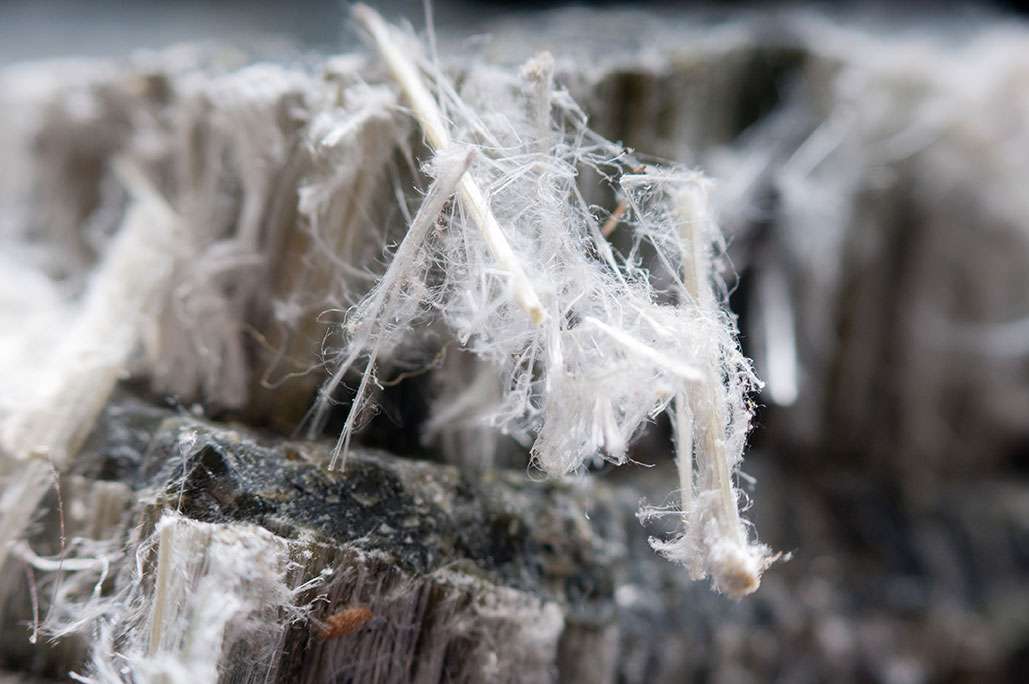
Asbestos is the name used for six naturally occurring minerals that can be separated into threads and used in thousands of products. Asbestos fibers are heat, fire, chemical, and electricity-resistant, so they were widely used in many industries.
Asbestos is highly regulated in the US, so there are far fewer asbestos-containing products for sale now than in the 1970s, though many used in the past remain in buildings, vehicles, and ships. Asbestos fibers, after they’re inhaled or ingested, become trapped in the body and, over years or decades, cause many types of cancer, including lung cancer.
How Does Asbestos Cause Lung Cancer?
After asbestos fibers become stuck in lung tissue, the body’s immune system recognizes them as a foreign substance that should be destroyed. White blood cells surround them, but they can’t eliminate the fibers. Instead, the fibers kill these white cells, which causes tissue damage, scarring, and inflammation.
As years or decades pass, chronic inflammation damages lung cells’ deoxyribonucleic acid ((DNA), which acts as cell growth instructions). This results in cell mutations that cause malignant or cancerous cells to develop. Over time, these cells multiply uncontrollably, cause tumors, and spread.
How Does Tobacco Smoke Cause Lung Cancer?
Inhaled tobacco smoke also causes several types of cancers, including lung cancer. Like when asbestos fibers cause it, the process of tobacco-related lung cancer has a cumulative effect over years or decades. The longer and more intensely someone smokes, the greater the risk of cancer development:
- Tobacco smoke contains more than 7,000 chemicals. More than 70 of them cause cancer (called carcinogens)
- Carcinogens damage lung cell DNA, causing mutations that disrupt normal cell growth and division, leading to cancer cells rapidly multiplying, leading to tumors, and the spread of the disease
- DNA changes also disrupt the cells’ natural death process, so these mutant cells survive far longer than healthy ones
- Tobacco smoke also triggers chronic inflammation in lung cells, which promotes cancer cell development
It’s estimated that tobacco use causes between 80% to 90% of lung cancers in the US.
How Much Greater is the Lung Cancer Risk of Smoking Tobacco and Asbestos Exposure?
The risk increases even with low levels of asbestos fibers in the lungs, and that risk increases as more fibers collect in the lungs, and the person smokes more. Tobacco (especially cigarette) smoke and asbestos interact and cause lung cancer, but how they do so and the strength of the connection isn’t clear. However, the NIH states their effect is synergistic (the combined effect is more than their separate effects put together).
The consensus view among cancer researchers is asbestos and tobacco smoking act together to cause lung cancer, causing a far greater risk than if people were exposed to asbestos or tobacco smoke. A 1979 medical study estimated that:
- Smoking increases the lung cancer risk by about ten times compared to non-smokers
- Asbestos increases the risk by about five times compared to those not exposed
- The two together increase the risk by about 50 times (not 15) compared to nonsmokers not exposed to asbestos
Researchers found that if smokers with asbestos in their lungs stopped smoking, their risk of lung cancer could drop to that of someone just exposed to asbestos.
How Do the Two Work Together to Cause Lung Cancer?
How this works isn’t clear, but the NCI states there are several theories, including that asbestos fibers:
- Increase the absorption of tobacco carcinogens in lung tissue
- Reduce lung cells’ ability to remove carcinogens, resulting in more of them staying longer in cells
- Cause chronic inflammation that drives cancer cell development and spread
- Increase tobacco carcinogens’ ability to cause cell mutations
Though the mechanism isn’t clearly understood, there’s no doubt the two greatly increase the chances a person will develop lung cancer.
How Will Smoking Impact My Claim for Asbestos-Related Lung Cancer Compensation?
A compensation claim against a former asbestos-containing product manufacturer or seller can use different legal theories: negligence, strict liability, and breach of warranty.
Kentucky is a comparative negligence law state, and that would apply to negligence and strict liability claims. Comparative negligence reduces compensation based on your share of the blame for your injury.
A third theory for liability is breach of warranty, which is a contract claim where the plaintiff claims the product isn’t as safe as the manufacturer promised it to be. The plaintiff bringing the legal action has a legal duty to try to mitigate (or reduce or eliminate) the harm done.
A defendant may argue you’re partially to blame for your lung cancer because you smoked, it worsened the harm, and you didn’t try to mitigate it. If these arguments are successful, they will result in less compensation.
Are you or a loved one looking for more information about asbestos-related lung cancer and your legal options? Call Satterley & Kelley, PLLC at (855) 385-9532 to learn more.
Click here for more information about other products that contain asbestos