
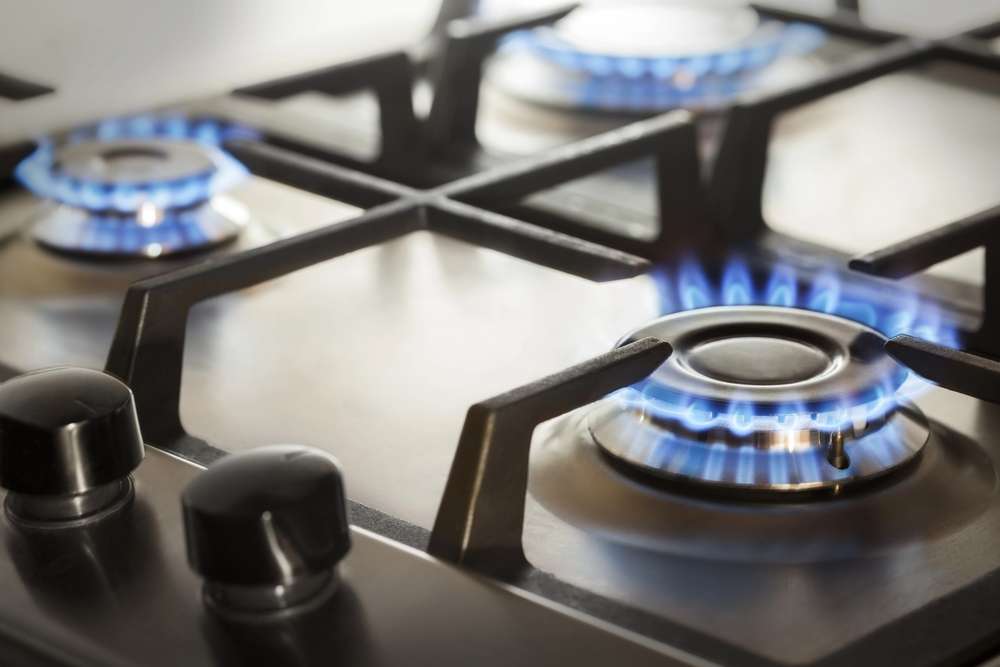
Can the Benzene Produced by Your Gas Stove Cause Leukemia?
Yours may be one of the approximately 47 million homes in the US that use natural gas or propane-burning cooktops and ovens. Stanford University researchers found that cooking with these appliances can produce benzene levels higher than those found in secondhand tobacco smoke.
Satterley & Kelley, PLLC attorneys represent those in Kentucky and around the US who have cancers and other diseases caused by toxic substances, including asbestos and chemicals. Even if you’re unsure of how you were exposed to benzene, if you’ve been diagnosed with a related medical condition like leukemia, it’s not too early to start discussing your possible legal claim for your medical costs, pain, suffering, and other damages.
Research Finds Cooking with Gas Puts Cancer-Causing Chemical Into Your Home
Benzene exposure is linked to a greater risk of leukemia and other blood cell cancers. It seeps into homes that use natural gas appliances, including stoves. A new Stanford-led analysis finds that a gas oven heated to 350 degrees Fahrenheit, or a gas cooktop burner on high, may raise benzene levels in the air higher than what’s found in secondhand tobacco smoke, the most common way people are exposed to benzene.
The chemical may also drift throughout a home and linger in areas beyond the kitchen. Concentrations found in bedrooms may exceed national and international health guidelines.
Benzene forms in the flames of gas stoves. Natural gas contains methane. When it’s burned in a perfectly calibrated way, like in a laboratory, the result is carbon dioxide and water. But combustion by a kitchen stove is much more variable. There can be many other potentially toxic byproducts, including benzene.
How to Reduce Benzene Exposure in Your Home
Good ventilation helps reduce the amount in a home, but researchers found that exhaust fans were often ineffective at eliminating exposure. Other low-cost approaches to reducing exposure include using portable induction cooktops or electric-powered tea kettles, toaster ovens, and slow cookers. You may qualify for federal or local tax credits or utility rebates if you replace a gas stove with an electric one.
Researchers found gas and propane burners and ovens released 10 to 50 times more benzene than electric stoves. Induction cooktops emitted no detectable benzene. The benzene emitted when gas burned was hundreds of times higher than the benzene levels found when unburned gas leaked into homes.
Prior Research Establishes the Dangers of Unburned Natural Gas in Homes
Researchers performed gas analyses on 185 unburned natural gas samples collected from 159 residential stoves across California and published their findings in 2022. They found 12 hazardous chemicals in homes, and the amounts varied widely depending on the geographic region and the utility involved.
Benzene was found in 99% of samples. Levels in homes could be higher than what the state of California considers safe. Researchers estimate that the benzene released by unburned natural gas into the atmosphere is equivalent to the benzene emitted by 60,000 gas-powered vehicles in a year.
What Should I Do if I’m Diagnosed with a Benzene-Related Medical Condition?
If you have a benzene-related cancer or other illness, you may be entitled to compensation for what you suffer as a result. This can include pain, suffering, lost wages, medical bills, psychological and emotional effects, as well as the impact on your relationships with others.
If you’re interested in obtaining compensation, you need a law firm with experience representing victims taking legal action against companies that injure others with the toxic substances they sell. Satterley & Kelley, PLLC attorneys have helped injury victims for more than 25 years.
Call Us Today For A Free Initial Consultation
If you or a loved one has been diagnosed with cancer or another severe illness caused by benzene exposure, call us at 855-385-9532, locally 502-589-5600, or contact us online to arrange a free initial consultation with a Satterley & Kelley PLLC lawyer.