
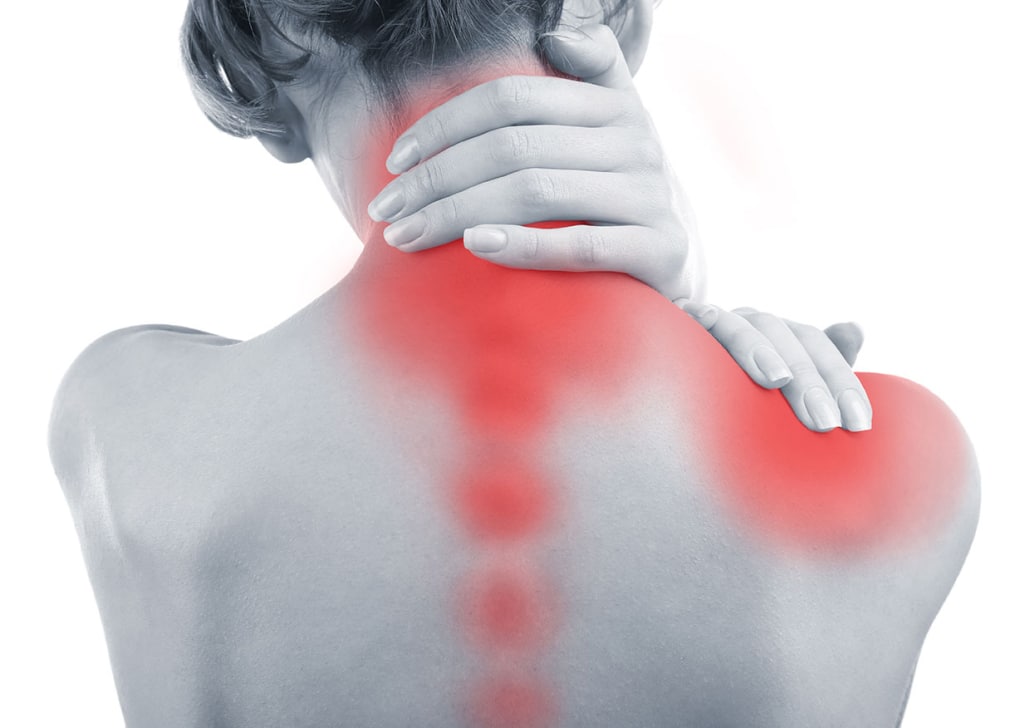
Coping With Chronic Pain from An Illness or Injury
An asbestos-related disease or an injury caused by an accident can cause long-lasting, chronic pain that could alter your life. It may never truly go away, but there are ways to cope with and try to minimize it. Take the approaches that work best for you so you can make the most of your life.
What is Chronic Pain?
Pain is a normal response to injuries, illnesses, treatment, and healing. It happens when nerves send signals to your brain, which interprets (or misinterprets) them as meaning you’re in danger. Pain is classified as acute and chronic:
- Acute: This is a sudden, short-term feeling. This could be post-operative pain, you broke a bone or burned your skin. It should decrease as your body heals and lasts only hours or days.
- Chronic: This pain is long-lasting and persists for months or years. It may not improve as you heal and be caused by a medical condition that can’t be cured or is hard to treat. It may not have a clear source
The fact it won’t end can be frustrating and exhausting. In addition to limiting you physically, it may interfere with:
- Work
- Sleep
- Emotional health
- Sexuality
- Relationships with family and friends
Coping with chronic pain is difficult, but if it overwhelms you, it will get worse. If you feel fearful, your brain may interpret this as you’re facing danger and might get injured. Anxiety, fear, and your focus on pain can make it worse, according to the Mayo Clinic.
There may be no cure for your chronic pain, though it may improve. You might need to learn how to live and cope with it so you can manage your condition and live the best life possible.
Neuropathic Pain and What to Do About It
Chronic pain can originate from an ongoing condition (like an injury that doesn’t fully heal) or nerve damage caused during surgery, an accident, or because of a medical condition like diabetes. This is neuropathic pain. Your damaged nerves misfire and your brain interprets this as pain after your injury heals.
If no ongoing disease or injury is causing your pain, it may be the result of sensitization, where the brain and nervous system overreact to sensory signals that are perceived as pain. It’s like turning up the volume on a radio too much. These signals are stronger and can be distorted. Why sensitization happens to some but not to others is not understood.
If you have neuropathic pain, changing thought patterns and your behavior may help your brain be less sensitive to input from your nerves and not interpret them as signs of danger so that you will feel less pain.
Change Your Life to Better Cope with Chronic Pain
Activities and approaches that may help you include the following:
- Stay active with regular physical activity
- Reduce stress and use relaxation techniques, which may “dial down” the danger signals bouncing through your body and mind
- Pace yourselfby not doing too much or too little. Balance your work, leisure activities, time with others, and daily tasks
- Treat other conditions that may worsen your chronic pain, such as anxiety and depression
- Maintain a positive outlook as best as you can. If you see yourself as a victim, pain may become the focus of your life. Direct your thoughts and actions to what you can do, not what you cannot
- Stay connected with others. Don’t retreat and withdraw from those who can improve your life
- Get the sleep you need
Less helpful things include the following:
- Obsessing about your pain
- Thinking more about symptom relief instead of regaining function and improving your quality of life
- Fearing movement so much you don’t move, which just makes you more tense, instead of moving about, which releases natural chemicals that reduce danger signals
Your situation may reach the point where pain medications no longer work, so you want to take more, which can lead to substance abuse, dependence, and other unwanted side effects. You may also add alcohol or illegal drugs into the mix.
What pain medications you use, their effectiveness, and side effects should be closely monitored by your physician. They may be very helpful or harmful, depending on the situation.
Non-medical approaches may be worth a try. They include the following:
- Cognitive behavioral therapy (CBT)may help you replace thoughts about pain with those that are more helpful and positive so your brain doesn’t produce too much pain
- Physical and occupational therapymay help you learn ways to perform tasks with less pain and improve your strength, energy level, and flexibility while reducing pain
- Biofeedback provides you with information about how your body operates. You may learn to control pain-related functions like blood pressure, heart rate, muscle tension, and brain activity. It may also help you understand what relaxation techniques work best for you
- Mind-body methods, such as meditation, yoga, tai chi, and paced breathing
Your chronic pain may be controlled, and it need not rule your life. It can be frightening, discouraging, and make you depressed. But, in addition to or instead of medications, you may find approaches that make your pain more bearable and less limiting.
If You’re in Pain Because of the Negligence of Others, You May Be Entitled to Compensation
Whether you’re dealing with an asbestos-related disease or a severe injury caused by an accident, reach out to Satterley & Kelley, PLLC because we can help you obtain the full and fair compensation you deserve. Let us be your boots on the ground and guide you through the process.
To speak with an experienced lawyer at our firm, contact our Louisville office and schedule a free initial consultation. Call us at 855-385-9532 or reach us online through our contact form.