
Premises Liability: Trespassers, Licensees, and Invitees – Oh My!
Premises liability cases are personal injury actions based on negligence. A critical part of these claims is to establish what duty (or legal obligation) the defendant (the party sued) had to ensure the safety of the plaintiff (you, the injured party). That duty (or degree of care) depends on the relationship between you and the defendant. Depending on the circumstances, your case may be won or lost, depending on which relationship applies.
Satterley & Kelley, PLLC lawyers have recovered millions of dollars for accident victims and their families in personal injury verdicts and settlements. To schedule a free initial consultation at our Louisville office, call 502-589-5600 (toll-free at 855-385-9532).
How Does Negligence Work?
Negligence is the legal theory applied in nearly all accident injury cases. To be successful, you must establish different elements by a preponderance of the evidence (it’s more likely than not that what you allege is true). Those elements include the following:
- Due to the relationship between you and the defendant, they have a legal obligation or duty to do or not do something to keep you safe, given the situation
- The defendant failed that obligation or breached their duty
- That is the legal (or proximate) and factual cause of the accident
- The accident injured you
- Under Kentucky law, the defendant must pay you damages (a measure of your injury in dollars) to compensate you for your injury and the related harm that followed
Depending on the facts, some of these elements may be more or less difficult for you to prove.
What are Premises Liability Claims?
They are negligence claims where you’ve been injured because a property owner, landlord, tenant, or business failed to keep their property reasonably safe. The idea behind these cases is that property owners have a legal obligation to maintain their premises so that visitors aren’t exposed to unnecessary dangers.
If that legal duty of care is violated, they should be held accountable. They (or their insurance carrier) should compensate the injured party for their injury and other resulting losses. How careful a landlord should be and how much effort and investment they need to keep people safe depend on the visitor’s legal classification.
Premises liability cases include the following:
- Trip or slip and fall accidents
- Negligent security leading to you being victimized by an assault, robbery, or other crime
- Defective or broken stairs, handrails, or elevators that cause injuries
- Poor lighting that hides hazards or creates unsafe conditions
- Swimming pool accidents and drownings
- Dog bites
- Exposure to toxic substances causing injuries
- Fire, explosion, or electrical injuries
These cases are based on evidence that we can begin to develop through an investigation. The earlier you contact and retain us, the sooner we can investigate your case, and the lower the risk that evidence will be lost or that witnesses’ memories will fade.
What Types of Visitor Status Can Affect Premises Liability Claims?
This impacts the first negligence element. The relationship must be established to determine what duty was owed to you before your injury.
Depending on the situation, the defendant may need to do more or less to try to keep you safe. If your classification means they had to make more of an effort to maintain your safety, the easier it is to establish that they failed their legal responsibilities and should compensate you.
The logic behind this is that if you invite someone onto your property or benefit from their presence, you should do more to keep them safe than you would a stranger or criminal who comes onto your property without your invitation.
The classifications include the following.
1. Trespasser
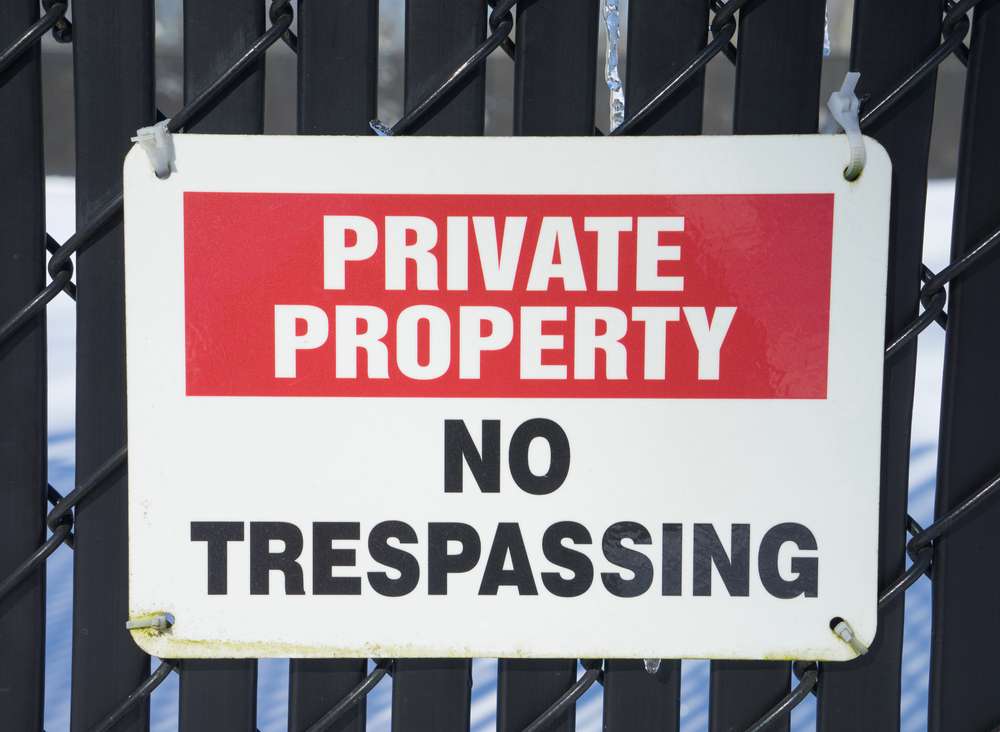
They enter or remain on a property without the owner’s or tenant’s consent. You can recover compensation if they commit wanton or willful negligence or misconduct (they maintained a dangerous property or took steps to harm you).
2. Licensee
You can enter or remain with the owner’s or tenant’s consent. A licensee can obtain compensation for injuries if the owner/possessor:
- Knew or had reason to know of a dangerous condition and should understand that it poses an unreasonable risk of harm
- Should expect you won’t realize or find the danger
- Didn’t use reasonable care to make the situation safe or warn you of it and the risks involved. You’re unaware of or have no reason to be aware of the condition and its risks
People with this status often claim injuries at private homes. This can be an acquaintance, friend, or family member visiting a house or attending a party.
3. Invitee
This group is owed the highest duty of care. They may be a public invitee or a business visitor. A property owner/possessor invites:
- A public invitee to come to or stay on the property for a purpose for which the public is invited (attend religious services, get care at a hospital, shop at a store)
- A business visitor to enter or stay on the property for reasons connected with business concerns with the landowner or tenant (a contractor cleaning an office or repairing industrial equipment)
If you’re injured because a property owner or tenant made a grave mistake, call our office so we can discuss not only what happened and your injuries, but also why you were there. It’s an essential part of the story you must tell.
Speak To a Satterley & Kelley, PLLC Premises Liability Attorney Today
If another’s negligence caused your injuries or they injured a loved one, Satterley & Kelley, PLLC attorneys will protect your interests and right to compensation. Don’t handle severe injuries and an insurance company on your own.
Schedule a free initial consultation to discuss your case. To reach our Louisville office, call 502-589-5600 or toll-free at 855-385-9532. You can also complete our contact form if it’s more convenient.