
The Hidden Dangers of DIY Home Renovations: Asbestos Could Cost You Your Health
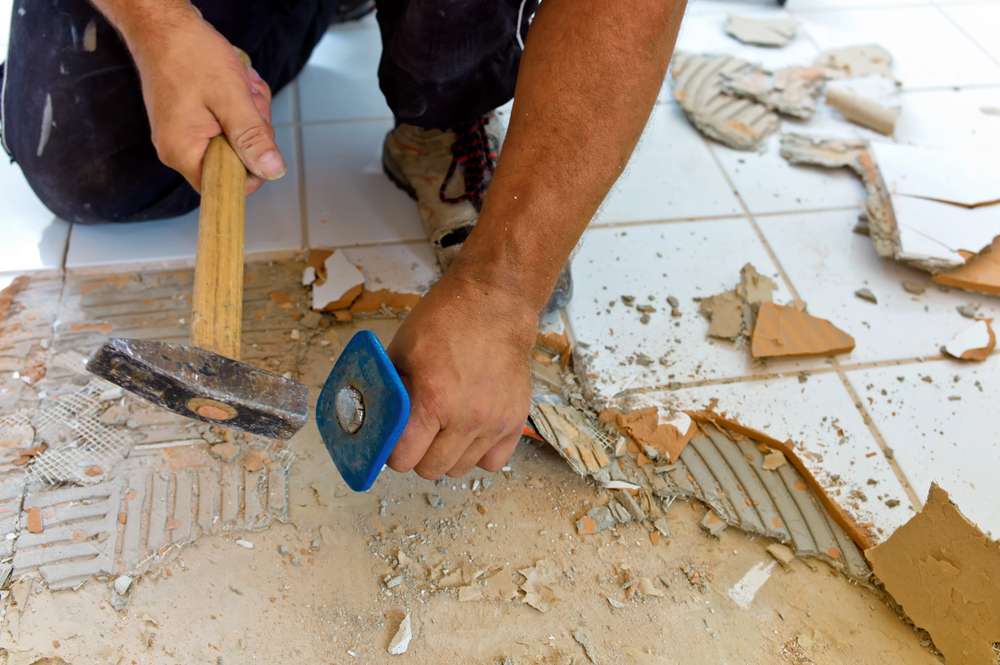
Renovating an older house can add value and customize your living space to better meet your needs. If you are unwilling or unable to hire a professional to do the work, doing it yourself may be an option. But, depending on the house, tearing down walls and tearing up floors may produce clouds of asbestos fibers that could result in an incurable and fatal cancer.
Satterley & Kelley, PLLC attorneys represent people diagnosed with asbestos-related diseases, including mesothelioma, caused by their exposure to products containing the mineral fiber. If you’re in this situation, contact us at 855-385-9532 to learn more about how we can help you obtain compensation for your injury.
Housing affordability is a major issue facing Americans. But the short-term cost savings you may enjoy by renovating a house with asbestos yourself may result in massive healthcare costs and income loss later in life and, more importantly, cause your death or the death of a family member.
What is Asbestos?
Asbestos is the name for a type of mineral fiber that is extremely strong, light, and durable. An asbestos fiber is so small it can’t be seen with the naked eye and so light it could float through the air for hours. Asbestos fibers are resistant to heat, fire, chemicals, and electricity.
These qualities made asbestos attractive to companies that produced thousands of products over centuries. Some of these products were used to construct houses and insulate their heating systems.
Why is Asbestos Hazardous?
Fibers floating through the air are easily swallowed or inhaled without you being aware of it. After they become stuck in tissue in your body, they may stay there for the rest of your life.
Your immune system will attempt to destroy them. But asbestos fibers can withstand this attack, and the result is scar tissue and inflammation. Over decades of time, this damaged tissue may genetically mutate and become malignant.
Asbestos fibers cause many different types of cancer. Perhaps the deadliest is mesothelioma, which can be found in the linings of the lungs, heart, abdominal organs, and the abdominal and chest cavities. Mesothelioma killed an estimated 54,905 Americans from 1999 to 2020, according to medical researchers.
Where Might Asbestos Be Found in My House?
The first documented asbestos use dates back to the ancient Greeks, who incorporated it into cloth. It became more widely used in the Industrial Revolution and increased during World Wars I and II. Asbestos-containing products were widely used during the post-World War II building boom.
After asbestos’ health dangers became more widely known, it was largely regulated off the market in the 1970s (but it’s still sold in the US today), though it may be found in homes built through the early to mid-1980s.
Asbestos-containing products came in many forms. Some of them may be found in older homes, including the following:
- Vinyl floor tiles and the mastic used to glue them to floors
- Popcorn or textured ceilings
- Insulation around pipes, boilers, and ductwork
- Vermiculite insulation in attics and walls
- Roofing shingles and siding
- Drywall joint compound and plaster
- Cement board and backer board
- Acoustic ceiling tiles
- Old furnaces and gaskets
These materials are usually safe when left intact, but they deteriorate with age and may start to fall apart over time. The danger increases dramatically if old asbestos products are torn, cut, drilled, sanded, ripped out, or disturbed. Even small home projects, such as replacing old flooring or sanding a wall before painting it, can release asbestos fibers into the air.
How Can I Protect Myself and My Family from Asbestos?
Your house may or may not contain asbestos. If you’re buying one and plan to renovate it, make thorough asbestos testing a condition of the sale. If asbestos is found, you can decide whether to back out of a proposed purchase, have the owners safely remove the asbestos, or negotiate a price decrease to pay for professional asbestos abatement.
If you inherit a house, you may be excited about getting a “free” home. Before you take possession of a house in this age range, you should also have it thoroughly tested for asbestos. If it is found, you’ll have to decide if paying for the abatement will be worth owning the house. If it has asbestos and other significant problems, putting the house in usable condition may be too costly, so you may be better off declining to accept it.
If you own a house and plan renovations, you should have all the potentially asbestos-containing products in the area tested. If the results are negative, you can proceed. If asbestos is found, you’ll have to decide whether the benefits of the renovation outweigh the cost of abatement.
Why Shouldn’t I Remove Asbestos in My House?
Testing for asbestos can provide you with something priceless if the results are negative: peace of mind. You can proceed without worrying about substantial health threats to you and your family.
If the test is positive for asbestos, you are putting yourself and your family at risk by cutting into, tearing out, or sanding asbestos-containing materials. You may fill your house with asbestos fibers, even if you think you’re taking precautions to prevent that.
No matter how many YouTube videos you watch, you’re not trained to handle this potentially fatal material. Despite all the safety gear you buy at Home Depot, you’re not buying the proper equipment to do the job. You also cannot safely or legally throw asbestos-containing material out in your trash.
Asbestos in your home needs to be properly removed by a licensed professional working for a reputable abatement company. If you cannot afford this, you must reconsider your renovation project. That may mean spending more on it, financing the project with a loan, or not renovating your home.
Depending on your needs and how it’s done, adding to your home rather than renovating a section containing asbestos may be a safer option.
Call Us Today for a Free Initial Consultation
If you or a family member is diagnosed with mesothelioma or another asbestos-related disease, you may be entitled to compensation. Call our Louisville office at 855-385-9532, 502-589-5600 locally, or contact us online for a free consultation to discuss your situation, how the law may apply, and how we can help.