
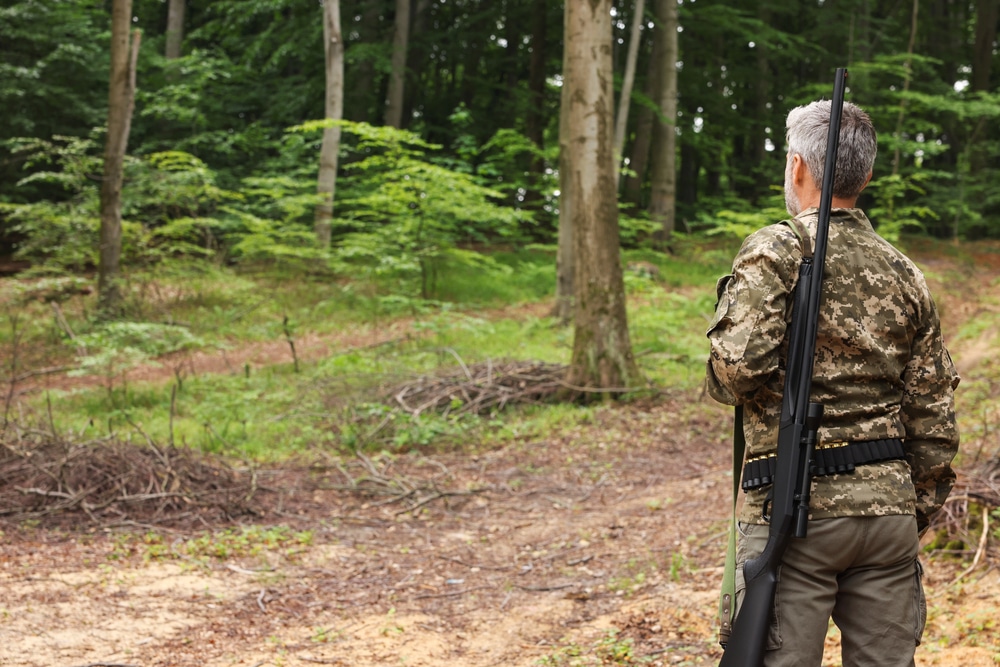
Hunting Accidents: When Tradition Turns to Negligence
Hunting is more than a pastime in Kentucky. It’s a tradition passed down through generations. But if safety is ignored or mistakes are made, a hunting trip can turn tragic in an instant. A member of a hunting party or another person in the area can be severely wounded or killed if a rifle or shotgun is negligently used.
Satterley & Kelley, PLLC attorneys in Louisville get results. We have recovered hundreds of millions of dollars in verdicts and settlements for clients throughout Kentucky. If you have questions about how you can obtain compensation for your injuries or the death of a family member caused by a negligent shooting, call us at (855) 385-9532.
Kentucky Hunter Shot and Killed
Daniel Wilson, a 67-year-old Kentucky man, was fatally shot while scouting for deer on family property in Lincoln County in October. WKYT reports that a teenager participating in a youth hunt thought Wilson was a deer, fired his rifle, and shot him in the leg. Wilson later bled to death. This tragedy shows how quickly an accidental, and possibly negligent, shooting in the field can lead to irreversible loss.
Accidental shootings can occur in many ways. They include the following:
- Failing to properly identify a target
- Unsafe firearm handling and accidental discharges
- Poor communication with others
These incidents are almost always preventable, and when they occur, they may involve legal negligence that can make the responsible party liable to pay compensation.
What is Negligence?
Negligence is the legal framework most often used in personal injury claims. It determines responsibility for injuries or deaths, including those caused by accidental shootings during hunting trips. The plaintiff (you, the injured party) has the burden of proof. Each case is unique, and legal claims are based on the available evidence.
Whether negligence can be shown depends on proving these four elements:
1. Duty of Care: What Hunters Owe to Others
Those hunting and using firearms must exercise reasonable care to prevent causing foreseeable harm to others. During a hunting trip, this duty includes the following:
- Ensuring they’re a safe distance away from residences and shooting away from them
- Correctly identifying a target and what lies beyond it before firing
- Keeping firearms pointed in a safe direction
- Engaging safety mechanisms when appropriate
- Avoiding alcohol or drugs while handling weapons
- Communicating clearly with other members of the hunting party
- Following basic firearm safety practices
Potentially, someone other than a person in a hunting party may have been negligent and contributed to the shooting.
2. Breach of Duty: Unsafe or Careless Conduct
A breach occurs if a hunter fails to act as a reasonably careful person would under the circumstances. This can be doing something when they should not have, refraining from doing something when they should’ve acted given the situation, or doing something so poorly that it triggers liability. Common breaches include the following:
- Firing at movement or sound without confirming it’s game
- Mistaking a person for an animal
- Failing to communicate positions during a group hunt
- Disregarding known hunting-zone boundaries
- Handling a firearm carelessly during transport
Calling a shooting “accidental” doesn’t absolve someone of responsibility. If the conduct fell below reasonable safety standards, the legal duty has been breached.
3. Causation: Connecting the Breach to the Injury or Death
To establish negligence, the victim must show that the breach of duty caused the injury. The injury would not have happened but for the hunter’s negligent conduct, and it was the foreseeable result of the negligent act.
4. Damages: Actual Harm Done
The injured person must show damages (harm done measured in dollars), such as:
- Medical expenses
- Permanent injuries or disability
- Lost wages or earning capacity
- Pain and suffering
- Emotional distress
- Funeral and burial expenses in fatal cases
In fatal accidental shootings, the deceased person’s estate may bring a wrongful death claim, which also relies on negligence.
A negligence case can be strengthened if the responsible party is determined to be guilty of committing a crime related to the shooting, like hunting while impaired by alcohol.
In rare cases involving extreme recklessness, punitive damages may also be available. They’re not meant to compensate you for losses, but to punish the wrongdoer to discourage them, and others, from taking the same actions in the future.
Do I Have a Case If I’m Partially to Blame for the Shooting?
Kentucky has a pure comparative fault system. That means:
- You can recover compensation even if you’re partially at fault
- Your award is reduced by your share of the blame
This could be an issue if you didn’t wear adequate visibility gear or failed to communicate your location.
Who May Be Held Responsible for a Negligent Shooting?
Depending on the circumstances, responsibility for a hunting-related, negligent shooting may include the following:
- The shooter
- Other participants
- Landowners
- Hunting guides
- Firearm or equipment manufacturers
Determining liability requires a careful investigation and knowledge of Kentucky personal injury law. Critical evidence can be quickly lost after a hunting accident.
After getting medical attention, contact Satterley & Kelley, PLLC as quickly as possible so we can discuss your legal rights and how we can help. After we’re retained, we can start our investigation to determine why and how the shooting took place and who may be responsible for your injuries or your family member’s death.
Lawyers Experienced in Kentucky Injury Law
Satterley & Kelley, PLLC attorneys take on responsible parties and their insurance companies and win. If you have questions about the legal system or compensation for your accidental shooting, or are seeking legal representation, call us at 855-385-9532, locally 502-589-5600, or contact us online to schedule a free initial consultation with a Satterley & Kelley PLLC lawyer.