
Kentucky Railroad Negligence: FELA Claims for Injured Workers
Working for a railroad is tough enough. Management mistakes that make doing the job more dangerous could result in ending your day in the hospital. A federal law provides for compensation when a railroad’s negligence causes injuries and deaths.
Satterley & Kelley, PLLC, lawyers in Louisville, get results for injured railroad workers throughout Kentucky. If you have questions about how you can seek compensation for your injury or the death of a family member, call us at (855) 385-9532 or locally at (502) 589-5600 today.
Key Takeaway: Railroad negligence can cause severe or fatal injuries to employees. Federal law allows for compensation if a railroad’s negligence played a role in causing them.
What Is the Federal Employers Liability Act (FELA)?
The Federal Employers Liability Act (FELA) covers railroad workers injured, sickened, or killed on the job if their employer moves people or goods between states. FELA holds a railroad responsible for compensation when its negligence causes your injury.
What is Negligence?
Negligence is the legal theory used by most personal injury claims. If the injured party (the plaintiff) establishes the following elements, the defendant (the party being sued) should compensate the plaintiff (or the plaintiff’s family if the worker is killed):
- There was a relationship between the parties: Employer-employee
- Due to that relationship, the defendant (the railroad) owed the plaintiff a reasonably safe work environment
- The duty was breached when the defendant failed to do that, when it did something poorly, or didn’t do anything at all, before the accident and injury
- The plaintiff suffered an injury as a result, and other related physical, emotional, psychological, and financial harm (known as damages)
- Under FELA, the defendant is obligated to compensate the plaintiff
You have the burden of proving the negligence more likely than not happened. If you were also negligent, and that contributed to the cause of the accident, you may still receive compensation. But it will be reduced by your share of the blame.
What Must an Injured Employee Show to Have a Successful Case?
To have a successful FELA case, you generally must show:
- You were working for the railroad when you were injured
- The railroad was negligent in some way
- That negligence played a part in causing your injury or illness
That negligence need not be the only or a major cause of your injury or illness, only that it played a role in causing it.
What Compensation Might a Successful Plaintiff Obtain?
Depending on the facts, a successful FELA claim may include money for the following, in the past and what’s expected to continue:
- Medical, rehabilitative, and psychological care
- Lost wages and benefits
- Pain and suffering
- Travel costs tied to treatment
If a worker dies from a job-related injury or illness, FELA allows family members to seek compensation for their losses.
How Can Railroad Negligence Cause Severe Worker Injuries?
A study found that in 2024 rail transportation workers were injured or became ill on the job at a rate of 3.4 cases per 100 full-time workers. That compares to 2.3 cases per 100 for private industry as a whole. That means, on average, that year, a railroad worker was about 50% more likely to be injured on the job than someone in the private sector working in another industry.
Railroad workers could have any number of injuries or illnesses while working. Here are a few types and how management’s negligence could lead to causing them.
1. A traumatic injury caused by equipment, the track, or a derailment
FELA covers harm from a defect in cars, engines, track, or other equipment caused by a railroad’s negligence. A Maine train conductor claims he suffered back, hand, and leg injuries, plus post-traumatic stress disorder (PTSD), after his train derailed and caught fire in 2023. His lawsuit alleges his employer knew the track was washed out because his crew reported it before the accident, but his train was sent on it anyway.
This kind of accident could be caused by the following negligence:
- Failing to inspect track often enough to catch a hazard before it causes an accident
- Ignoring or failing to communicate a dangerous condition that had been reported
- Delaying needed maintenance or repairs on track or equipment which leads to its failure
The plaintiff in this case also alleges he was retaliated against for following his healthcare providers’ advice, which can be another cause of action under FELA.
2. Neck, back, and knee injuries
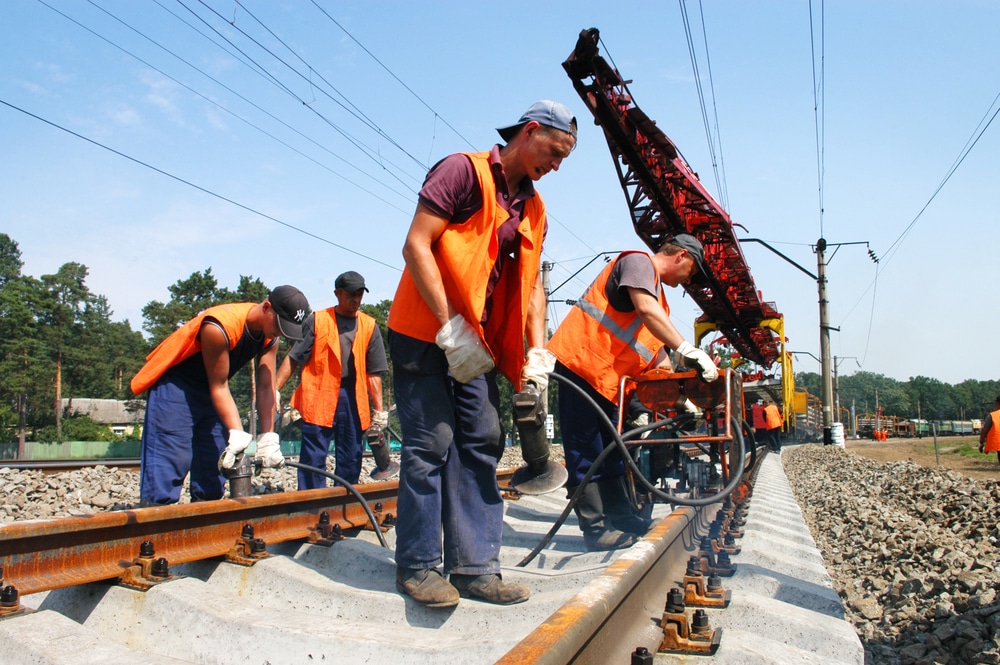
Studies published in the American Journal of Industrial Medicine in 2020 examined exposures to hazardous working conditions, such as strain from powered hand tools and heavy physical tasks, and linked them to injuries among railroad maintenance-of-way workers. Depending on the facts of a particular situation, this may trace back to negligence such as:
- Failing to provide safer tools that limit vibration and strain
- Not rotating workers through physically demanding tasks, so they have less strain and reduce the chances of an injury
- Running short-staffed crews, which adds to each worker’s load
FELA covers injuries caused by physical trauma that is created by long-term, repeated dangerous conditions and exposures, not just a single event like a derailment.
3. Illnesses and medical conditions caused by toxic exposures
In Ohio, railroad cleanup crews were sent to rebuild track after a 2023 Norfolk Southern derailment. Federal investigators found the railroad failed to tell workers about hazardous chemicals spilled in the area, didn’t create a decontamination zone, and failed to provide proper protective footwear. Workers reported nausea, headaches, skin rashes, and breathing trouble.
A Virginia jury awarded $21.8 million in 2025 to the family of a maintenance worker who died of leukemia. Plaintiffs successfully argued his 38 years at the railroad exposed him to numerous toxic substances, including diesel exhaust, which led to his disease. They claimed that the railroad failed to provide him with proper protection or a reasonably safe work environment.
Depending on the circumstances, medical conditions caused by exposure to toxic substances could be caused by negligent acts, or failures to act, such as:
- Not warning workers about hazardous chemicals or fumes
- Not providing proper protective gear to prevent or limit their exposure
- Agreeing to transport highly dangerous substances that could injure or kill employees
It’s estimated that nearly a billion tons of toxic materials travel along more than 140,000 miles of US railroad tracks annually, creating constant opportunities for management’s negligence to injure and kill workers.
Frequently Asked Questions
What is the Federal Employers Liability Act (FELA)?
It is a federal law providing for possible compensation for railroad workers made ill and injured and the families of those killed on the job.
Do I have to prove my employer did something wrong?
You must show the railroad was negligent in some way, and that it played a role in causing your injury.
Can I receive compensation if I made a mistake that contributed to my injury?
Being partly at fault usually lowers, but doesn’t prevent, compensation for your injury.
How would I know if my injury involved railroad negligence?
After Satterley & Kelley, PLLC is retained, we will investigate your case, learn what happened and why, and inform you if we believe railroad negligence played a part in causing your injury.
Speak To a Satterley & Kelley, PLLC Railroad Injury Attorney Today
Satterley & Kelley, PLLC helps injured Kentucky residents, including railroad workers and their families, obtain the compensation they deserve. If you were hurt or a family member was killed while working for a railroad, contact us to schedule a free consultation. We can talk about what happened, how FELA may apply, and your best options for compensation. Call us at (855) 385-9532, locally at (502) 589-5600, or contact us online to get started.