
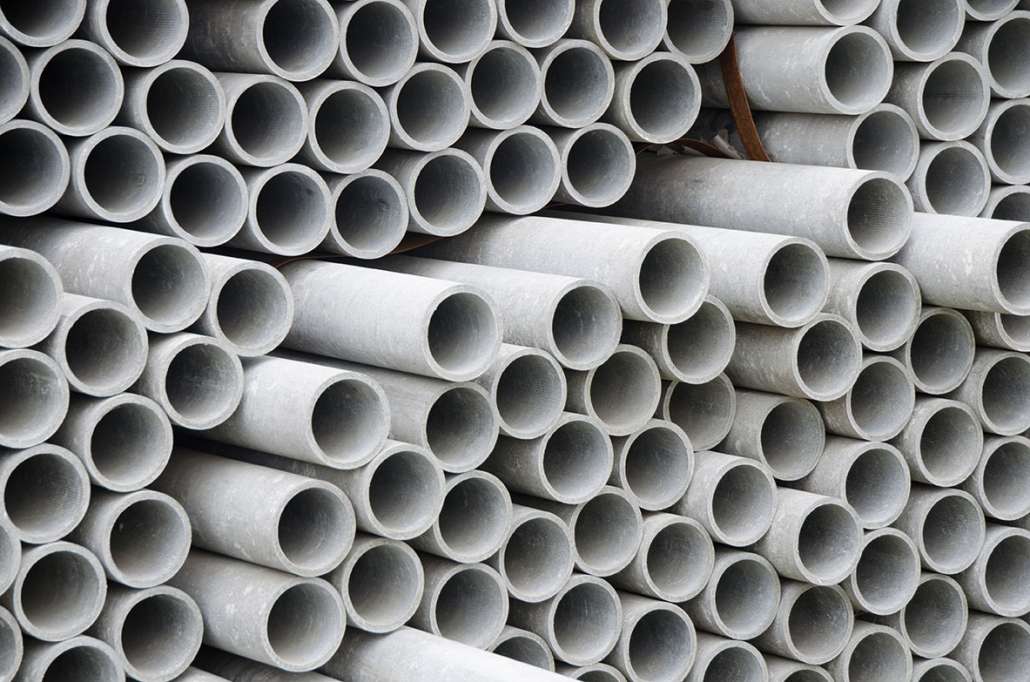
Asbestos Containing Cement Pipes That Supply Us Water May Start Falling Apart
Hundreds of thousands of miles of asbestos cement pipes deliver drinking water to people worldwide. They may or may not be poisoning those who drink from them, but these pipes are starting to degrade and are reaching the end of their lifespan.
The BBC reports that scientists and public health officials are debating whether this poses a health risk and what to do about it.
We Need the Water. We Don’t Need the Asbestos
Asbestos was used with cement to make it stronger, last longer, and resist corrosion. You can find these pipes across the globe since the early 1900s. Many water agencies stopped buying and installing them, but thousands of miles of these pipes are still in use. They have an expected 50 to 70 year lifespan.
How much asbestos water pipe is out there?
- UK – 23,000 miles of pipe delivering water to 12 million people
- US – 630,000 miles
- Australia – 25,000 miles
There’s enough asbestos water pipe in the US to reach the moon and return, plus nearly enough to wrap around the Earth three times.
Do Asbestos-Containing Cement Water Pipes Leach Out Enough Asbestos Fibers to Pose a Public Health Threat?
Over the decades, these pipes can soften when calcium leaches from the cement. A study in Slovenia found that fifty-year-old pipes like these released asbestos fibers into the water, raising concerns of public health workers.
There’s no safe level of asbestos of asbestos exposure, but a strong record of illnesses asbestos in public water supplies hasn’t been determined. The World Health Organization (WHO) doesn’t consider drinking in asbestos fibers a “serious risk to human health.”
Health study results are mixed:
- Some epidemiological studies show a correlation between contaminated drinking water and cases of gut and stomach cancers
- Others haven’t found that link
- Animal studies don’t show definitive evidence asbestos swallowed in water leads to cancer
- Studies have shown fibers can accumulate in the colon, and there are statistical links between high industrial exposure and colon cancer
Given that hundreds of thousands of miles of potentially toxic water pipes are in use, and they may need to be replaced soon, some researchers have called for additional studies to understand potential threats better.
Asbestos-Containing Water Pipe Removal by the Numbers
The Australian state of Victoria isn’t waiting. It’s home to 70% of the nation’s asbestos cement pipes, which provide water to homes and businesses. Victoria is replacing the pipes, leaving the old pipes buried where they will decompose. This is considered the safest disposal option.
The Australian Asbestos Safety and Eradication Agency (ASEA) states many asbestos cement water and sewer pipes in the country are reaching the end of their useful lifespans. The estimated cost of replacing or relining the pipes would be equivalent to $6.2 billion over the next 50 years. The United Kingdom’s and Ireland’s cost estimates run from $6 to $10 billion.
One reason for the cost is repairing or removing asbestos cement pipes is considered high-risk work. ASEA guidelines state:
- Tools or equipment may only be used when they’re enclosed or used in a way that captures asbestos fibers to stop them from becoming airborne
- Air monitoring may be needed
- Tools and workers need to be decontaminated immediately after work is performed
A 2020 UK Water Industry Research report estimates that 31,000 miles of asbestos water pipes were installed in Ireland and the UK more than 50 years ago. Most UK water companies state asbestos water pipes were installed from the 1950s to the 1970s.
The UKWIR’s National Failure Database has data on when and how water pipes fail. They state the highest deterioration rate is for pipes installed after 1960. They warn that the rates for bursting pipes are increasing by an average of 28% in each decade.
Need Help With A Lawsuit?
Call us toll-free at 855-385-9532 today, or contact us online to set up a free consultation with a Satterley & Kelley, PLLC lawyer.