
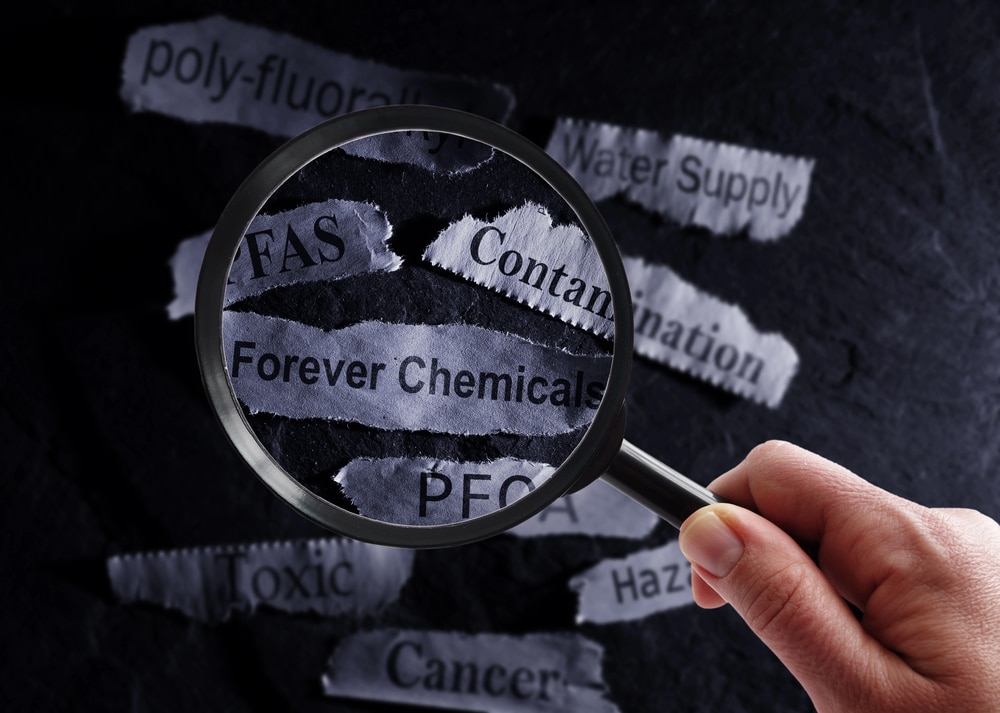
Holding Chemical Manufacturers Accountable for Toxic PFAS Forever Chemical Exposure
PFAS are a large group of potentially dangerous chemicals that you may encounter every day. They survive in the environment and in your body for an extremely long time, potentially causing fatal illnesses many years after your exposure.
Satterley & Kelley, PLLC represents people made seriously ill by PFAS seeking compensation for the harm they’ve endured. To learn more, call us at (855) 385-9532 today.
What Are PFAS?
PFAS stands for per- and polyfluoroalkyl substances. They are a large group of artificial chemicals that have been used in factories and everyday products around the world since the 1940s. There are more than 14,000 different PFAS chemicals.
You might find PFAS in things you use every day, like non-stick pans, waterproof clothing, stain-resistant carpets, food packaging, and possibly, your drinking water, according to the federal Environmental Protection Agency (EPA).
PFAS are called “forever chemicals” because they break down very slowly. These chemicals may build up in people, animals, and the environment over time. Once PFAS enter the environment or your body, they can remain there for a very long time.
Because PFAS are used in so many products and industries, they have spread all over the world. Surveys by the U.S. Centers for Disease Control and Prevention (CDC) show that most of us in the US have been exposed to some level of PFAS.
Why Are PFAS Dangerous?
PFAS are toxic and harmful for several reasons. They break down very slowly in the environment or in our bodies. They can build up with each new exposure, and scientific research links them to serious health problems.
According to the EPA, studies show that exposure to high levels of some PFAS may lead to:
- Cancers, including kidney and testicular cancers
- Immune system disorders make it harder for your body to fight off sickness, and may reduce your body’s response to vaccines
- Dysfunctional hormones your body needs to work properly
- Higher levels of cholesterol in the blood
- Problems during pregnancy, including high blood pressure during pregnancy and low birth weight in babies
- Harm to a child’s growth, behavior, and development
- Thyroid disease and changes in liver function
PFAS are also dangerous because they are potentially toxic even at very low levels.
Children are especially at risk. Their bodies are still growing and developing, making them more sensitive to harmful chemicals. Some PFAS may pass from a mother to her baby before birth.
How Can I Be Exposed to PFAS?
You can be exposed to PFAS in many ways, reports the EPA. The following are more common:
- A US Geological Survey study found that at least 45% of the nation’s tap water contains one or more types of PFAS, according to NPR
- PFAS can be found in fish, meat, and foods stored in packaging that contains PFAS. They can also get into crops grown in soil near PFAS contamination
- Non-stick cookware, stain-resistant carpet, waterproof clothing, and food wrappers may contain PFAS that can enter your body through skin contact or regular use
- PFAS particles can be found in indoor dust and air
People living near industrial sites, airports, or military bases face higher risks of PFAS exposure. Factories that make or use PFAS can release these chemicals into the air, soil, and water, where they can leak into the groundwater that communities drink, according to the Agency for Toxic Substances and Disease Registry.
One of the most common sources of PFAS contamination is a firefighting foam called AFFF (Aqueous Film-Forming Foam). It’s been used for decades by military forces, airports, and industrial facilities to fight fuel fires and contains high levels of PFAS.
When AFFF is sprayed at training sites or at fires, the PFAS chemicals seep into the ground and migrate into nearby water sources. Studies have found elevated PFAS levels in water near military bases, airports, and industrial sites where AFFF was extensively used.
Firefighters face a double danger. They use AFFF on fires, and some of their firefighting gear also contains PFAS, according to the Department of Defense. Studies show elevated levels of PFAS in firefighters’ bodies compared with those in the general public.
PFAS also spread through the wastewater system. According to the EPA, PFAS enter wastewater treatment plants through household and industrial drains. The treatment process does not remove them. PFAS collect in biosolids (sewage sludge), which could be spread on farm fields as fertilizer, so PFAS cycle back into communities and food crops.
What Are My Legal Rights If I’m Hurt by PFAS?
If you have been exposed to PFAS and suffered health problems as a result, you may have legal rights to seek compensation for the harm you’ve suffered.
If your PFAS condition is fatal, your next of kin may file a wrongful death lawsuit. Depending on your situation, you may be able to file a personal injury lawsuit during your life, but it’s important to act quickly. There are time limits (statutes of limitations) on when you can file a lawsuit. In Kentucky, that time limit is one year from learning you have a condition caused by PFAS or you reasonably believe you have one.
Who Can Be Held Responsible?
Several types of companies and organizations may be named as defendants in a personal injury lawsuit, depending on the evidence in your case. The most common legal theories used against these defendants are negligence and product liability. They’re used against defendants who made or sold a dangerous product, knew about the danger, and failed to protect the people who used it or lived near it.
The defendants in your case could include the following:
- Companies such as 3M and DuPont manufactured PFAS chemicals for decades and sold them for use in consumer products, industrial processes, and firefighting foam
- Manufacturers and sellers of AFFF are defendants in personal injury lawsuits filed by firefighters, military personnel, and others
- Companies that used PFAS in their manufacturing processes at specific sites may also be defendants if workers or people living nearby were exposed to PFAS contamination caused by those facilities
A thorough investigation will be needed to track the PFAS you were exposed to and determine who made, distributed, and sold them.
We’re Here to Help
If you believe you or a family member has been harmed by PFAS exposure, the Louisville attorneys at Satterley & Kelley, PLLC are here for you. We have the experience to stand up to large corporations and fight for the compensation you deserve.
Contact us today for a free, confidential consultation by calling (855) 385-9532 or (502) 589-5600 locally. You may also complete our online contact form.