
Holding Landlords Accountable for Toxic Mold Exposure in Rental Properties
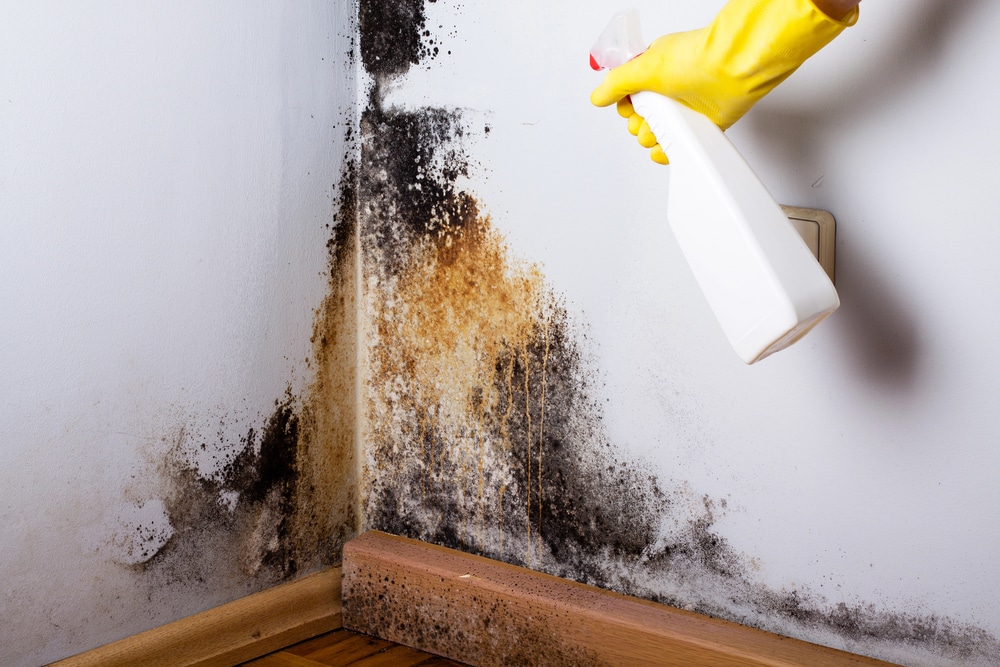
If you rent a home in Kentucky and you have seen dark spots on walls or smelled something musty, you may have a mold problem. Mold is not always dangerous, but certain kinds can make you very sick. If you’re injured by toxic mold in your apartment, and your landlord failed to protect you, you may be entitled to compensation for what you’ve endured.
Satterley & Kelley, PLLC helps clients injured by their landlords’ negligence obtain the compensation they deserve. If you or a family member is dealing with a mold-related health condition because your landlord didn’t live up to their obligations, call us at (855) 385-9532 to learn more about your legal rights.
What Is Toxic Mold?
Mold is a type of fungus. It grows almost everywhere as long as water or moisture is available. Most kinds of mold are not dangerous to healthy people, but some molds make mycotoxins. They are harmful substances that can cause serious health problems when people inhale or touch them. Some of us may also suffer allergic reactions to mold.
The term “toxic mold” often refers to Stachybotrys chartarum, also known as “black mold.” It appears dark green or black and grows on materials such as drywall, ceiling tiles, cardboard, and wood, according to the federal Centers for Disease Control and Prevention (CDC). It needs moisture to grow and spread.
How Does Toxic Mold Get Into a Rental Home?
Mold needs two things to grow: a surface to live on and moisture. When moisture gets into a home and stays there, mold spores in the air land on wet surfaces and begin to grow, according to the CDC. Common causes of moisture in rental homes include:
- Leaks in roofs, pipes, or walls
- Flooding or standing water
- Condensation from poor insulation or poor air flow
- High indoor humidity without enough ventilation
Mold may start growing within 24 to 48 hours after a water event (such as a leaking roof or pipe) if the moisture is not cleaned up quickly, according to Redfin.
Where Is Toxic Mold Found in Rental Homes?
Mold can grow almost anywhere inside a home, but it most often shows up in places that stay wet or damp. Common places to find mold in a rental include:
- Bathrooms: Around tubs, showers, toilets, and under sinks
- Kitchens: Under sinks, behind refrigerators, and around dishwashers
- Basements: On walls, floors, and stored items
- Attics: Near roof leaks
- Heating and air conditioning (HVAC) systems and air ducts
- Behind walls where pipes leak, or where water from roof leaks seeps into
- Under carpets and inside insulation after flooding or water leaks
Mold often hides under floors or behind walls, so you may smell it before you see it. A musty odor may be a sign of mold, reports Bob Vila.
What Can a Landlord Do (or Fail to Do) to Cause Toxic Mold?
Landlords have a legal obligation to provide tenants with reasonably safe and livable housing. Here are some ways a landlord may cause or worsen a toxic mold problem:
- A leaking roof, leaking pipes, or broken windows that let in rain can quickly lead to mold. Ignoring a repair request or delaying a response can create mold problems
- Bathrooms and kitchens need fans or windows to vent moisture from the room. If a landlord does not install or maintain proper ventilation, humidity builds up, and mold follows, according to Today’s Homeowner
- After a flood, a burst pipe, or any major water event, a landlord should dry out the home quickly and completely. If they do not, mold can take hold in walls, floors, and insulation, according to Redfin
- Some landlords try to hide mold by painting over it. This does not get rid of the mold. It just covers it up for a short time. Mold will come back through the paint, and the problem underneath will keep growing, reports CyPaint
What a landlord should or shouldn’t do depends on the cause of the mold, its severity, and location. We investigate our client’s claims, determine what caused the mold, and whether the landlord is responsible.
What Can Toxic Mold Do to Your Health?
Exposure to toxic mold can cause a wide range of health problems. Some are short-term and go away when you leave the moldy space. Others can last for a long time. Children and infants are especially at risk.
Many people notice symptoms soon after mold exposure. The federal Environmental Protection Agency (EPA) states some short-term effects include:
- Stuffy or runny nose
- Sore throat
- Coughing or wheezing
- Red, itchy, or watery eyes
- Skin rash or irritation
The National Institute of Environmental Health Sciences warns that chronic mold exposure can result in the following:
- A higher risk of developing asthma or worsening its symptoms, especially for young children and infants
- Extended exposure is linked to short-term memory loss, lightheadedness, dizziness, blurred vision, tinnitus, and loss of other cognitive functions
- Studies have shown a connection between long-term exposure and increased levels of anxiety, depression, and stress
- Long-term exposure to inhaled mycotoxins may result in immune system changes
If you feel your health is affected by mold exposure, see your physician to get your condition diagnosed and treated. You won’t obtain compensation for a health condition without credible evidence that you have it, which includes medical records. You must also take reasonable steps to treat and improve your condition, or you risk not being compensated or having your compensation reduced.
You May Have Legal Rights
If you are a Kentucky tenant who has been sickened by toxic mold in your rental home, you may be able to hold your landlord responsible. The law requires landlords to keep rental properties safe and livable. When they fail to fix moisture problems, repair leaks, or remove mold after being told about it, they may owe you compensation for your pain, suffering, medical bills, and other harm.
Satterley & Kelley, PLLC is known throughout Louisville and Kentucky for recovering millions of dollars for victims and their families in personal injury verdicts and settlements. We will fight to ensure you obtain the compensation you deserve for a property owner’s negligence.
To schedule a free initial consultation at our Louisville office, call us at 502-589-5600 (toll-free at 855-385-9532) or complete our contact form.