
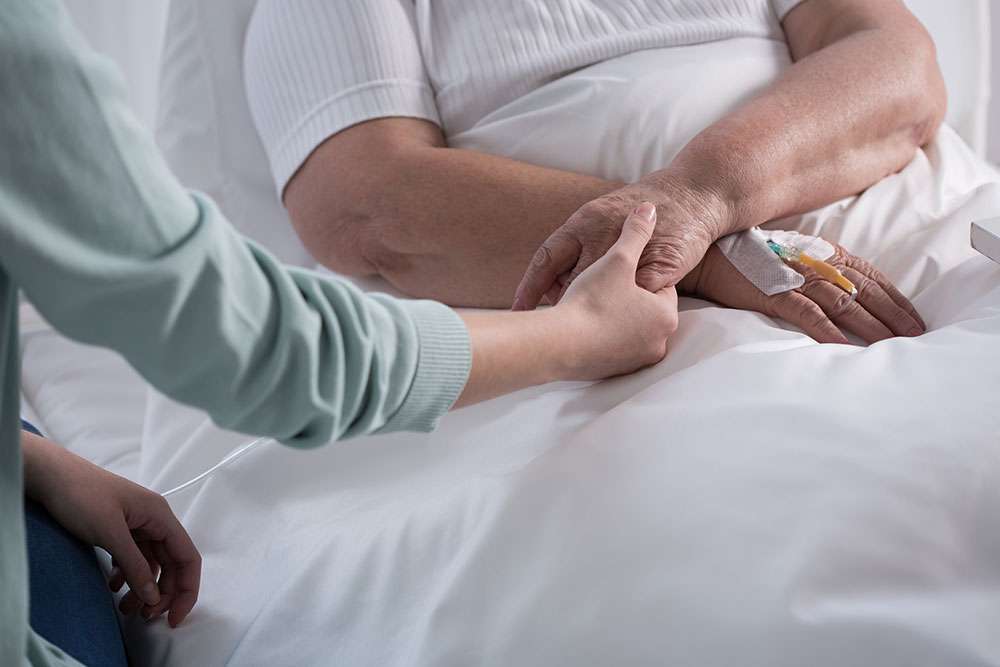
How Do I Cope With a Fatal Illness like Mesothelioma?
Mesothelioma is a fatal illness, and other asbestos-related cancers may be deadly depending on how well you respond to treatment. The reality is our lives end, and every year for about 40,000 Americans that end is caused by asbestos-related diseases.
If you’re facing this situation, it’s easy to think of yourself as dying, but you’re living too. How do you make the most of your life?
Stanford Medicine has this advice about the five stages of living with a fatal illness.
1. Disbelief
You’re unprepared to learn that your life will end sooner than you hoped. You may think it’s a wrong diagnosis, it can’t be as bad as the doctor says, or your illness will improve on its own. Eventually, you accept the idea and understand what you’re facing. You have time left, and you must decide how to use it.
2. Discovery
Learn about your cancer, the possible treatments, and a realistic prognosis. Find answers to the following questions:
- Where should you be treated?
- What are the pros and cons of treatment that may slow the cancer’s progression?
- Will it give you more time but make it more difficult to live?
- What role can palliative treatment play?
- Do you qualify for hospice care?
Ideally, you’ll trust your treating physician to help guide you through this path. Don’t be afraid of getting a second or third opinion. You’ll either learn of different options or that you’ve been offered standard care for someone in your position.
Discoveries go beyond your disease and what medicine can do about it. You may also find more about the following:
- Your strengths and weaknesses
- Your spiritual beliefs
- How others can help you
- Who your friends are
With this information, you can better redefine and take charge of your life.
3. Redirection
You must continue living, adapt your lifestyle and attitudes, or invent new ones that allow you to function physically and emotionally. How you redirect your life depends on how you have dealt with past significant challenges in your life.
Use what works best for you, including:
- Logical, step-by-step discussions with lists of sensible ideas and choices
- Minimal medical consultations
- Religious beliefs and trust in God
- Relationships with family, friends, and support groups
There is no right answer to how to adapt your life. You can mix and match or come up with something different.
Issues you’ll need to address during this phase include:
- Balance worry and hope: Don’t worry so much that you don’t see the possibility of optimism or become so hopeful you lose track of reality. You must balance worry and your hope, which can be difficult, but it’ll help you achieve peace of mind.
- Control negative emotions: We can blame ourselves for our illnesses and decide we deserve punishment, but this distorts reality because we feel guilty that we’ve harmed ourselves or others by developing a disease. You need to reduce the destructive impact of your emotions. You can get help by talking with family, friends, mental health professionals, or support groups. This probably won’t end your anxiety, but expressing your emotions can help you control them
- Affirmation: You may approach your life with renewed enthusiasm, reaffirming interests in life, in pleasurable activities, or spending time with family and friends. This may be affected by medical setbacks, insurance, or financial problems. Despite these problems, you must get on with your life and find enjoyment when you can
Redirection is easier for some than others. Personality traits or past coping mechanisms can make this difficult. Trying to force someone to change their approach to life after being diagnosed with a fatal illness may do more harm than good.
4. Resolution
This may occur when you realize a cure isn’t possible. Being told a cure won’t happen and actually experiencing setbacks or declines are two different things. It’s one thing to think something is inescapable, it’s another to experience it.
This can result in depression and hopelessness. You may recover from that and feel that since your diagnosis, you’ve done all you can to live your life to the fullest and made the most connections possible with those you care about. Some people may be relieved that the abstract threat of death is over, and they can now directly deal with it. Hopefully, you’ll achieve peace of mind and continue to cope as best you can.
5. Emerging victorious
Victory can mean your cancer is cured. If that can’t happen, it doesn’t mean you’ve lost. We all have regrets. We may wish we could go back in time and correct our mistakes. But that’s not how life works, and dwelling on the what-ifs and past errors will get you nowhere.
Victory can mean the following:
- Doing the best you can and making the most of the time you have
- You have people in your life who love and care about you, and you return those feelings
- You’ve positively impacted dozens or maybe hundreds of people who’ve benefited from their relationships with you
- In some way, large or small, the world is a better place because of you
Life isn’t an individual event, it’s more like a team sport. Ultimately, victory in life isn’t something we achieve, it’s what we help others achieve.
Call Satterley & Kelley PLLC for A Free Initial Consultation
If you or a family member has an asbestos-related condition, including mesothelioma, you may be entitled to compensation for the harm you suffer. Call us toll-free at 855-385-9532 or contact us online to schedule a free initial consultation with a lawyer.