
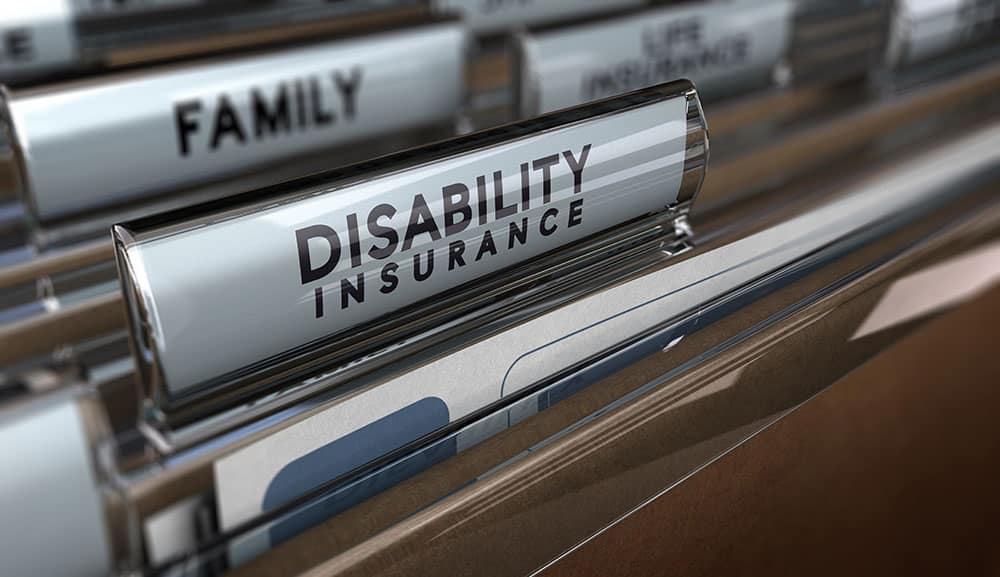
If You’re Severely Injured, Social Security Disability Insurance (SSDI) May Help Put Your Life Back Together
If you’re injured in an accident to the point you’re unable to work for at least a year or you’re suffering a terminal condition, you may qualify for SSDI benefits. This is based on the physical, emotional, or psychological challenges you face and whether you paid enough taxes for a long enough period into Social Security. It’s unrelated to a settlement or jury award you may or may not obtain after an accident.
How Much Work History Do I Need to Qualify for SSDI?
Taxes fund these benefits, either Federal Insurance Contributions Act (FICA) taxes for employees or the Self-Employment Contributions Act for those who work for themselves. You earn Social Security “credits” when making payments. What counts as a credit varies annually. In 2024, you will get one credit for every $1,730 of earnings up to four credits per year.
How many work credits you need to get SSDI depends on your age when you become disabled. Generally, that’s 40 credits, 20 earned in the last ten years, ending with the year you became disabled.
What is Supplemental Security Income (SSI)?
You may qualify for SSI if you lack these credits. It’s not based on your work history but provides benefits to those with disabilities, low income, and few resources. SSI is funded by general tax revenues, not the dedicated funds that pay for SSDI, though it’s administered by the Social Security Administration (SSA).
Beneficiaries are often those too young to have worked and adults who worked “under the table” and didn’t pay FICA or self-employment taxes before they became disabled. An insurance settlement or jury verdict in for you may disqualify you from these benefits, which are based on need, unless payments are correctly structured to maintain your eligibility.
How Do I Qualify for SSDI?
You must:
- Pay enough FICA and self-employment taxes for a sufficiently long period
- Your condition meets SSDI’s disability definition
Generally, SSDI benefits are for those unable to work for at least a year due to a disability. It need not be a permanent, lifelong disability, but it may be. There is a five-month wait after approval before you receive your first benefit payment, but depending on the circumstances you should receive back benefit payments.
If you collect SSDI for at least two years you may also receive Medicare benefits. You may qualify for Medicaid without waiting with SSI.
Benefits usually continue until you’re able to return to work regularly. Some incentives could continue your benefits and health care coverage while you transition back to work. If you receive SSDI benefits until you are at full retirement age, they convert to retirement benefits, but you’ll get the same amount.
If you receive SSDI benefits when you reach full retirement age, your disability benefits convert to retirement benefits, but the amount is the same.
How Disabled Must I Be to Collect SSDI?
SSDI is to help those totally disabled for at least a year. It’s not a program if you’re partially disabled or for a short term. SSDI is not a charity and isn’t based on financial resources or the lack of them. If you meet the requirements, you could be wealthy or barely get by and collect SSDI.
If you worked in the past and have enough credits, five issues must be resolved before you can collect benefits, including:
1. Do you work?
If you work too much, you’re not considered disabled. If you didn’t work enough, you won’t have enough credits to qualify for SSDI. For 2024, if your average monthly earnings are greater than $1,550 ($2,590 if you’re blind), you generally are not considered disabled.
2. Do you have a “severe” condition?
Does your disability significantly limit your ability to perform basic work-related activities, like standing, lifting, sitting, walking, or remembering? Has it, or will it, last for at least 12 months? If not, you don’t qualify.
3. Is your condition on the SSA’s list of disabling conditions?
There is a list of disabling conditions for each primary body. If your condition isn’t on a list, SSA decides if it’s as severe as a condition on the list. If so, SSA will find you have a qualifying disability.
4. Can you do your prior work?
SSA decides if your limitations prevent you from doing your past work. If not, you’re not considered qualified.
5. Can you do other types of work?
If you can’t do past work, is there other work you could do despite your impairment(s)? SSA looks at the following:
- Impairments
- Age
- Education
- Prior work experience
- Transferable skills
If you cannot perform other work, you qualify for benefits. If you can, your claim will be denied because you don’t have a qualifying disability.
It’s common for SSDI applications to be initially rejected but reversed after the decision is appealed, but the process can be lengthy.
Speak To A Personal Injury Attorney Today
If you or a family member are injured by someone else’s negligent or intentional acts and you’re unable to work, Satterley & Kelley PLLC attorneys can help. We will protect your interests and ensure you get the compensation you deserve. Don’t deal with this alone.
Call our office in Louisville toll-free at 855-385-9532 to schedule a free consultation to discuss what happened and your legal rights. If it’s more convenient, you may also complete our contact form.