
Kentucky Carbon Monoxide Poisoning and Negligence Claims
You cannot see or smell carbon monoxide gas. It may injure you or a family member without any warning. Many people and businesses beyond landlords cause carbon monoxide injuries through carelessness that may be the basis of a lawsuit or insurance claim seeking compensation for the harm they cause.
Satterley & Kelley, PLLC attorneys in Louisville get results. We have recovered hundreds of millions of dollars in verdicts and settlements for injured clients across Kentucky. If you have questions about how you can get compensation for harm caused by carbon monoxide poisoning, call us toll-free at (855) 385-9532 or locally at (502) 589-5600 today.
Key Takeaway: Carbon monoxide poisoning can cause serious injury or death because the gas cannot be seen or smelled. In Kentucky, a negligent landlord, hotel, contractor, employer, repair company, product maker, or other responsible party may be liable when unsafe equipment, poor ventilation, missing alarms, or careless work causes a preventable CO exposure.
What Is Carbon Monoxide?
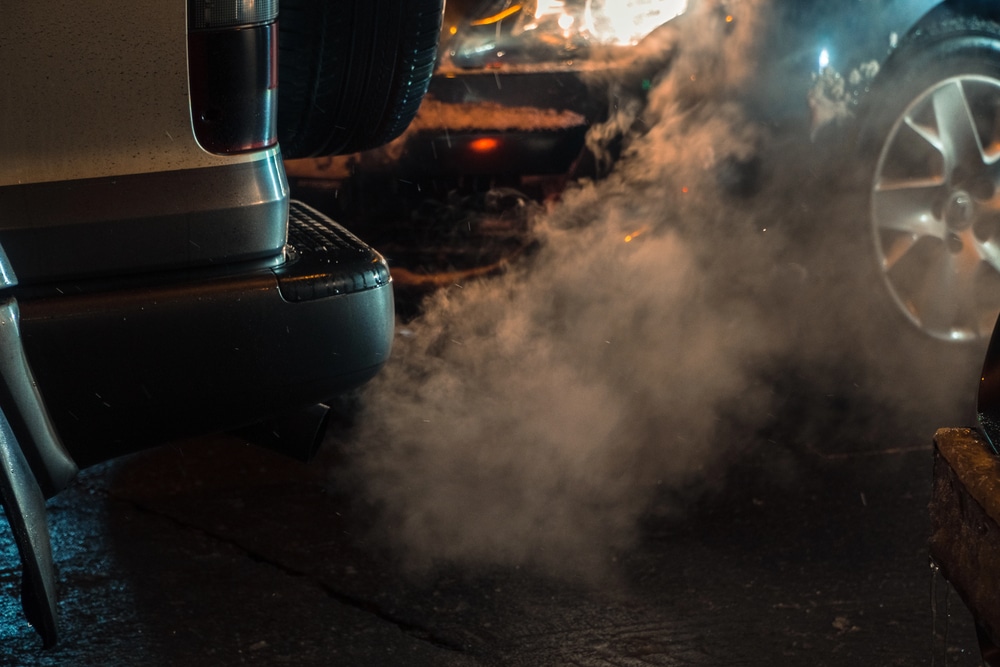
Carbon monoxide, often called CO, is a gas that lacks color and smell. It forms when cars, trucks, small engines, stoves, grills, generators, and furnaces burn fuel. Because you cannot see it, taste it, or smell it, carbon monoxide can build up in a room before anyone notices something is wrong.
Why Is Carbon Monoxide Dangerous?
The fact that exhaust contains CO isn’t so much the problem. The danger arises when that exhaust isn’t properly vented or released in a way that safely limits your exposure to it.
After inhaling it, CO replaces oxygen in your blood so your body cannot get the oxygen it needs, which can cause a headache, dizziness, weakness, upset stomach, chest pain, and confusion. These warning signs may be ignored or blamed on something else.
Inhaling enough carbon monoxide can make a person pass out or die. Each year in the US, carbon monoxide poisoning, not linked to a fire, results in the following:
- It kills more than 400 people
- More than 100,000 people go to hospital emergency departments
- More than 14,000 of them are admitted
If you inhale enough CO, it may kill you. You could survive CO poisoning but suffer serious long-term injuries. Brain and cognitive effects impact about 30% of people who survive acute CO poisoning. It’s called delayed neurological sequelae, or delayed encephalopathy. Symptoms can include the following:
- Memory loss
- Dementia
- Personality and mood changes
- Movement disorders resembling Parkinson’s disease
- Incontinence
- Persistent vegetative state
Inhaling even low levels of carbon monoxide may permanently harm the brain. Exposure during pregnancy may harm a child’s mental development, and a high enough dose may cause miscarriage.
CO poisoning can also cause persistent:
- Depression
- Anxiety
- Cognitive dysfunction
These issues may last for weeks or months after the poisoning.
Lower-level carbon monoxide exposure may also cause heart damage. A study in Taiwan found that people who survived CO poisoning had a significantly higher long- term chances of a heart attack, stroke, and death from cardiovascular causes, compared to people who were not poisoned.
Guidance by the American College of Cardiology states that injuries to the heart by CO poisoning are an underrecognized problem with serious long-term cardiac risks, including lasting reductions in the heart’s pumping ability and ongoing arrhythmia risk.
Infants, older adults, and those with heart or lung problems face a higher risk of becoming very ill or dying from carbon monoxide.
What Is Negligence?
Negligence is the legal term for carelessness that causes legally recognized harm. Under Kentucky law, a person or business owes a duty to act safely toward others depending on their relationship with them. When that person or business breaches its duty and injuries result, the victim may seek compensation for the harm suffered through an insurance claim or lawsuit against the responsible party.
The chances of a successful insurance claim or lawsuit depend mostly on the strength of the evidence that establishes the party’s actions or failure to act caused your harm and your injuries.
How Might Negligence Cause a Carbon Monoxide Injury?
Tenants of negligent landlords aren’t the only ones being poisoned. CO injuries caused by another’s negligence can happen in many places, including the following:
- A hotel may fail to keep its pool heaters, water heaters, or furnaces in safe working order. One study found that from 2005 through 2018, 905 hotel and motel guests were poisoned by carbon monoxide in 115 reported incidents, with 22 people dying. Most poisonings could have been prevented by a working carbon monoxide alarm in each room.
- An employer or contractor may run a generator, forklift, or other gas-powered tool indoors without properly venting the exhaust.
- A plumber, contractor, or heating company may install or repair a gas-fueled furnace or water heater, or install a vent pipe the wrong way, allowing carbon monoxide to leak into a home or business
- A restaurant kitchen with a broken exhaust fan or an unvented heater can expose workers and customers to carbon monoxide
- A vehicle mechanic not properly reconnecting an exhaust system may cause carbon monoxide to go inside the vehicle while the engine runs
- Portable electric generators cause about 100 carbon monoxide deaths every year in the US. This most commonly happens if one is used in a garage, basement, or other enclosed space. A company renting a generator failing to warn customers about this risk, or a worker running a generator indoors, may be negligent
- A furnace, water heater, or generator may have a defect that allows CO to escape in an unsafe way even when the device is used correctly. If so, the product’s maker may be held responsible
In each of these situations, someone owed a duty to act safely, whether that duty came from running a business open to the public, performing repair work, or making a consumer product. When that person or company fails to meet its duty and a person is hurt by CO, negligence may be established, and the injured person may be able to seek compensation under Kentucky law.
Frequently Asked Questions
Can I file a claim if I was poisoned by carbon monoxide at a hotel?
Yes. Hotels owe guests a duty to keep them reasonably safe. If one fails to maintain equipment or install working carbon monoxide alarms, you may have a claim.
Do I have legal rights if I was injured by carbon monoxide at work?
You may have grounds for a workers’ compensation claim against your employer, and a separate claim against the negligent contractor or equipment maker responsible for your exposure.
How do I know if negligence caused my carbon monoxide injury?
Satterley & Kelley, PLLC can investigate what happened, review maintenance and inspection records, and determine who failed to protect you.
What compensation can I seek after a carbon monoxide injury?
You may be able to seek money for medical bills, lost income, pain and suffering, and other losses.
Speak to a Satterley & Kelley, PLLC Carbon Monoxide Injury Lawyer Today
Satterley & Kelley, PLLC helps injured Kentucky residents get the compensation they deserve. If you or a loved one was hurt by carbon monoxide because of another’s negligence, contact us to schedule a free consultation. We will discuss your situation, explain how Kentucky law may apply, and help you understand your best options for compensation. Call us at (855) 385-9532, locally at (502) 589-5600, or contact us online today.