
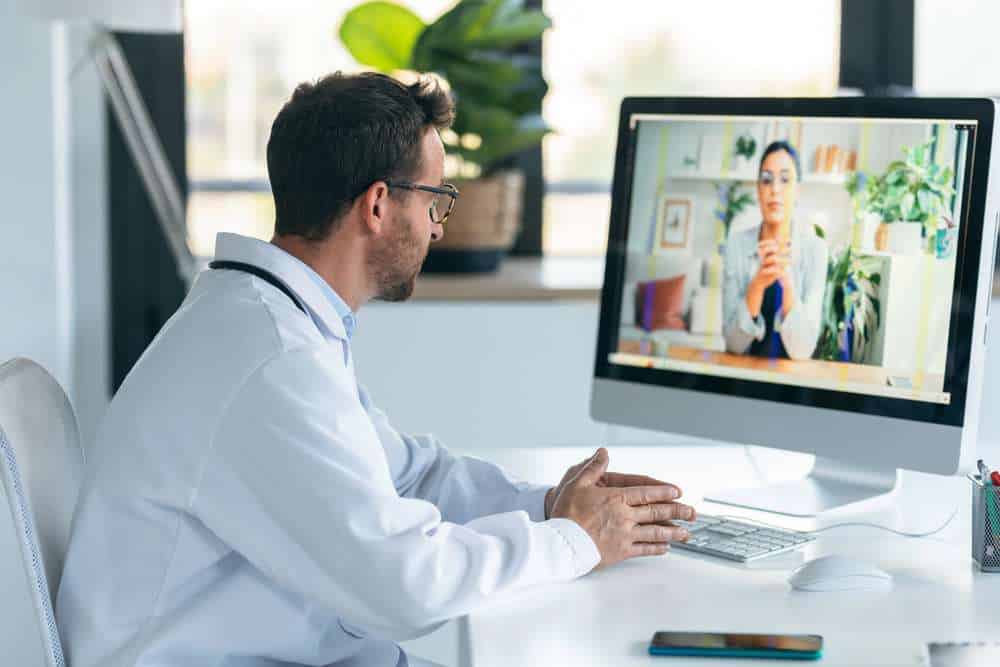
The Role of Telemedicine in Mesothelioma Care: What to Expect
For mesothelioma patients and their loved ones, quality medical care is a top priority. However, traveling to specialists, managing appointments, and staying on top of both managing and recording symptoms between appointments can be physically and emotionally draining. That’s where telemedicine comes in.
Since it skyrocketed into popular use during the COVID-19 pandemic, telemedicine has become a powerful tool in the care of all patients, including those with rare and serious illnesses like mesothelioma. Your mesothelioma care team may utilize telemedicine to offer you more convenience, quicker access specialists regardless of physical distance, protection from over-exertion and exposure to infection, and more consistent support—all from the comfort and safety of home.
In this article, we’ll explore how telemedicine works, what to expect from virtual visits, and how telemedicine can be an important part of your mesothelioma care journey.
What Is Mesothelioma Telemedicine?
Telemedicine is the use of technology, especially digital technology—like video calls, secure messaging, and remote monitoring—to deliver healthcare services when you’re not in the same physical location as your mesothelioma care team. It allows doctors, clinicians, and patients to connect virtually and securely from their respective locations, usually through a device like a smartphone, tablet, or computer. Often, mesothelioma patients can make their scans, imaging, and other testing results available to their care team digitally. This allows clinicians and specialists remotely access that data in order to inform their treatment approach.
For mesothelioma patients, telemedicine can be used to:
- Consult with top-tier oncologists and mesothelioma specialists
- Get second opinions and compare treatment approaches
- Manage mesothelioma symptoms and side effects quickly and efficiently
- Review test results and mesothelioma treatment plans
- Learn about new mesothelioma treatment options, clinical trials, and alternative methodologies.
- Connect with palliative care or mental health professionals with mesothelioma experience
- Receive guidance on mesothelioma medications and home care
- Raise questions and get answers about specific treatments, symptoms, or elements of mesothelioma
- Receive referrals to additional specialized clinicians and practitioners
- Consult with medical social workers to assist both mesothelioma patients and their families
In short, telemedicine makes it easier to stay connected to your care team and your broader mesothelioma support community without the stress, expense, exertion, or risk of constant travel.
Why Telemedicine Matters for Mesothelioma
Mesothelioma is a rare cancer that often requires care from specialized treatment centers, which may be hundreds or even thousands of miles away from a patient’s home. For people who are already dealing with fatigue, breathlessness, and/or mobility issues, frequent travel can be nearly impossible. Telemedicine helps bridge that gap for mesothelioma patients. Instead of navigating traffic, waiting rooms, and long days spent in medical appointments, you can check in with your doctor from your home—comfortable on your couch, oxygen nearby, loved ones by your side.
Virtual check-ins make it easier to stay on top of existing, new, or worsening symptoms, changes in medication, emotional health concerns, and a range of other issues common among mesothelioma patients. This can make all the difference for mesothelioma patients: instead of waiting weeks for a follow-up, which you might miss for lack of ability to travel to the office that day, you can send your clinician a message or schedule a short call to have something adjusted or addressed.
What to Expect from a Telemedicine Visit
Statistically, many mesothelioma patients are older adults who may be less comfortable with digital and virtual technology. If you’ve never had a virtual doctor’s visit or telehealth appointment before, you might be wondering how it works. Here’s what typically happens:
Scheduling
You’ll receive an appointment time, just like with an in-person visit. Some systems will send a secure video link via email or text, while others may use a dedicated app or patient portal. You may also be able to address your care provider, especially pertaining to small adjustments or concerns, by message within the patient portal, which may lead them to schedule a more substantial appointment.
Preparation
- Make sure your device (phone, tablet, or computer) is charged and has a working camera and microphone. Try to do a practice call with a friend or loved one to make sure everything is working and online.
- Choose a quiet, private space with good lighting to take the call. Make sure that you will be able to clearly hear and see the clinician (and vice versa) during your session.
- Write down any questions or concerns you want to raise. It’s most helpful to make a habit of writing these things down as they arise, but if there’s anything you absolutely need to remember, it’s best to have that with you on paper as you attend your virtual appointment.
- Have your medications or treatment schedule handy in case your provider asks about them. In some cases, this will be available on the patient portal or in the clinician’s records. If you are seeing a new clinician or mesothelioma care provider, it may be more pertinent to have your records handy.
The Appointment
Your telehealth appointment will start with you logging on by following a link or logging into your healthcare portal. It will generally be held over HIPPA-compliant medical conferencing platform, via video or sometimes just audio. If you’re struggling with the connection or technology involved, your provider may ask you to call in to the appointment instead.
Beyond the platform on which it takes place, your mesothelioma telehealth appointment should go much the same as any other appointment, minus the physical elements (i.e., physical examinations, blood draws, biopsies, treatments, etc.) Those elements of your treatment may be conducted later, either in-person with the clinician, via visiting nurse, or at an affiliate testing, imaging, or treatment facility. You will have the opportunity to ask questions and address concerns and should feel free to do so—just like a regular doctor’s visit. At the end of a mesothelioma telehealth visit, you may be scheduled for a follow-up, and may receive referrals to other practitioners, medication adjustments and prescriptions,
Telemedicine and Caregivers
In addition to being a boon for many mesothelioma patients, telemedicine can also be helpful for their loved ones and caretakers, who are also saved the trouble, risk, and exhaustion of shuttling their loved one to myriad appointments. Many practitioners will allow family members to join telehealth appointments, even if they live in another city or state. This way, everyone involved can stay informed, ask questions, take notes, advocate, and support decision-making.
Is Mesothelioma Telemedicine Right for Me?
Your care team will guide you in deciding when an in-person visit is necessary and when telemedicine is appropriate. Feel free to voice your preferences and concerns. If you struggle with technology, ask if there are any available resources to help you navigate telehealth care.
Most insurance providers, including Medicare and Medicaid, cover some telemedicine services, especially for cancer care—though coverage varies by state and by plan. Before your appointment, ask your provider or cancer center to check with your insurance company and clarify coverage and any potential out-of-pocket costs.
Have you or a loved one been diagnosed with mesothelioma? Are you looking for help? Call us at 855-385-9532, locally 502-589-5600, or contact us online to arrange a free initial consultation with a Satterley & Kelley PLLC lawyer.