
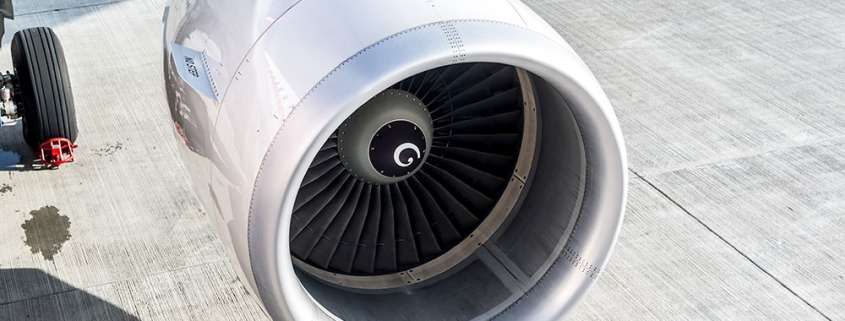
If you worked with turbine engines in the past, you may have been exposed to asbestos-containing products critical to their operation. Whether you were on an assembly line, maintaining or repairing turbine engines, asbestos fibers likely worked their way into your body, increasing your risk for life-threatening diseases.
What is a Turbine Engine?
A turbine engine is an internal combustion engine that converts energy from burning fuel and air into mechanical energy through the rotational motion of spinning blades. Its basic principle involves the continuous flow of air through the engine, where it undergoes several processes to produce thrust or mechanical power.
Turbine engines have high power-to-weight ratios and are commonly used in aviation for commercial and military applications. They are also used in power generation, where they can be employed in various configurations to generate electricity.
There are different types of turbine engines, including turbojets, turbofans, and turboprops, each designed for specific applications with various configurations and performance characteristics. These engines play a crucial role in modern transportation and power generation due to their efficiency and versatility.
What is Asbestos?
Asbestos is a naturally occurring mineral fiber. It has been mined and used for centuries for various purposes because of its desirable physical properties, such as strength, durability, light weight, heat, and fire resistance. Asbestos has been used in many industries, including aviation, aerospace, shipbuilding, railroads, and power generation.
Why Would Asbestos-Containing Products be In or On a Turbine Engine?
Asbestos-containing materials were employed in specific components for insulation and heat-resistant purposes. Some uses include:
- Insulation: Asbestos-containing materials were used for insulation in parts of turbine engines to protect components from high temperatures and flames generated by the fuel’s combustion
- Gaskets and Seals: Asbestos was used within the engine to help maintain proper seals and prevent gas or fluid leakage, which could cause potentially catastrophic damage. Asbestos provides durability and resistance to heat, making it a preferred material in such applications
Turbines produce very high temperatures and pressure. They wouldn’t function without insulation or something to block the loss of fluids or gases in critical areas.
Why is Asbestos Dangerous?
Asbestos is hazardous because of the health risks of inhaling or swallowing its fibers, which can be released into the air when asbestos-containing materials are installed, disturbed, damaged or removed from turbine engines. Once airborne, anyone in the area can swallow or inhale these tiny, lightweight fibers. This can lead to serious health issues, including:
- Respiratory Health Risks: If inhaled, these fibers can penetrate into the lungs and stay there for the rest of a person’s life. Over time, chronic exposure to asbestos fibers can cause lung diseases, including asbestosis, a progressive and potentially debilitating lung condition causing severe scarring of lung tissue
- Lung cancer: Long-term asbestos exposure will increase your risk of lung cancer, especially if you smoke. The fibers can irritate lung tissue, causing inflammation that can lead to the development of malignant cells
- Mesothelioma: Asbestos causes mesothelioma, a rare and aggressive form of cancer. It affects the linings of the lungs, heart, abdominal organs, and abdominal and chest cavities. Mesothelioma may take three to four decades to develop after the initial asbestos exposure
- Other cancers: Asbestos fibers may cause other cancers, including cancers of the larynx, ovaries, and colon
Some toxins have a threshold below which exposure is considered safe, but there is no known safe level of asbestos exposure. Most asbestos-containing products were largely regulated off the market by the early 1980s, but limited asbestos use continues today.
Am I Entitled to Compensation if I Develop an Asbestos-Related Disease After Working On or Near Turbine Engines?
Depending on your circumstances and your diagnosis, you may have a legal right to compensation for the harm you suffer due to your asbestos-related condition. This can include pain, suffering, and the emotional costs of your injuries. The costs of past and future medical and rehabilitative care could be covered.
Though the sale of asbestos-containing products mostly ended about forty years ago, there are potential compensation sources. Some companies that were involved with asbestos are still in business. Others went bankrupt, ending their operations or starting over as new legal entities. They created trust funds to pay asbestos injury claims to get bankruptcy protection.
Call Satterley & Kelley, PLLC, Today for A Free Consultation
If you or a loved one worked in or around turbine engines and are diagnosed with an asbestos-related condition, including mesothelioma, Satterley & Kelley lawyers can answer your questions, advise you of your rights, and protect them. To reach our Louisville office, call us toll-free at 855-385-9532. You may also complete our online contact form to schedule a free initial consultation.
Related Resources
- Annealing Furnaces and Asbestos: Mesothelioma Lawsuits
- Asbestos and Transite: Mesothelioma Lawsuits
- Asbestos and Zonolite Insulation: Mesothelioma Lawsuits
- Asbestos-Containing Auto Parts Are Still a Danger
- Asbestos-Containing Boilers and Mesothelioma Lawsuits
- Asbestos-Containing Switchgear and Mesothelioma Lawsuits
- Asbestos Flooring and Mesothelioma Lawsuits
- Asbestos in Electrical Panels: Mesothelioma Lawsuits
- Asbestos in Shipyard and Maritime Products
- Asbestos Pipe Insulation and Mesothelioma
- Asbestos Products in the Home: Kentucky and Surrounding Areas
- Asbestos Products Used on Trains and Locomotives
- Cosmetic Talc and Asbestos Lawsuits
- Electrical Products Containing Asbestos
- Gaskets, Asbestos, and Mesothelioma Lawsuits
- Turbines and Mesothelioma Lawsuits
- Vehicle Clutches and Mesothelioma Lawsuits
Click here for more information about other products that contain asbestos