
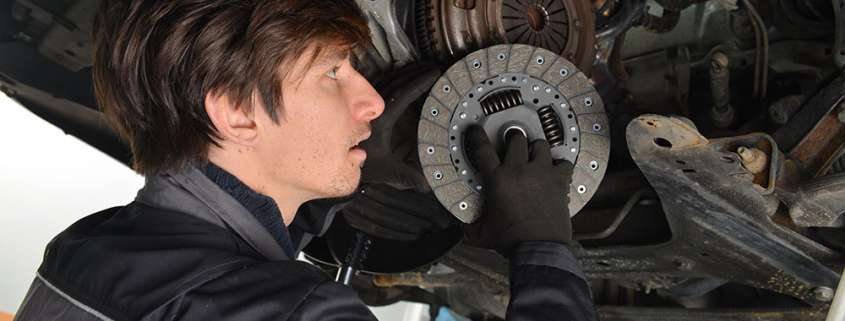
Asbestos-containing vehicle clutches have caused chronic and deadly diseases in thousands of mechanics and their family members over the years. Asbestos’ properties make it very useful to allow a clutch to perform its job and last longer. Still, these naturally occurring mineral fibers also cause severe illness and death to many of those who ingested or inhaled them.
You may be entitled to financial compensation if have an asbestos-related disease and:
- Worked around clutches in a facility that manufactured transmissions
- Repaired or replaced them as a mechanic or
- Lived with such a person
Call us at 855-385-9532 or contact us online to arrange a free initial consultation with a Satterley & Kelley, PLLC lawyer.
What is Asbestos?
Asbestos is the name for a group of naturally occurring mineral fibers that are heat and corrosion-resistant.
What is a Vehicle Clutch?
A vehicle clutch is a mechanical device that facilitates the engagement and disengagement of power between an engine and the transmission. It plays a crucial role in manual transmission vehicles by allowing the driver to shift gears smoothly and control the power transferring from the motor to the wheels. The clutch system enables the vehicle to start from a standstill, change gears, and come to a stop without stalling the engine.
Why is Asbestos Used in Clutch Parts?
Asbestos’ qualities made it attractive to companies engineering and manufacturing clutches for the transportation industry.
- Heat Resistance and Durability: Asbestos has remarkable heat-resistant properties. This characteristic makes it ideal for vehicle clutches, which endure high temperatures generated during frictional engagement and disengagement. The heat can quickly degrade other materials, reducing performance and potential safety hazards. Asbestos, however, retains its structural integrity under extreme heat, contributing to the longevity and effectiveness of vehicle clutches
- Friction Properties: Effective clutch operation relies on controlled friction to smoothly engage and disengage the engine power from the transmission. Asbestos fibers are good at providing consistent friction properties, allowing for smooth gear changes without excessive wear
- Cost-Effectiveness: If you don’t consider the cost of the health damage to those working with asbestos-containing clutches, asbestos gives manufacturers a high value for the price. At its peak use, asbestos was inexpensive and abundant. Asbestos offered manufacturers a cost-effective solution for improving the performance and longevity of vehicle clutches, especially before costly safety equipment needed to be used
The asbestos industry intentionally hid asbestos’ health dangers for decades, which is another factor why manufacturers didn’t use other materials in clutches sooner.
How is Asbestos Used in Vehicle Clutches?
Several parts contained asbestos in the past, and some continue to do so today:
- Clutch Disc Facing: The clutch disc facing is a critical component that provides the friction necessary for engaging and disengaging the clutch
- Clutch Cover or Pressure Plate: Asbestos-containing materials were sometimes used in the linings of clutch covers or pressure plates. The pressure plate applies pressure to the clutch disc, so it engages or disengages from the flywheel
- Clutch Lining Material: Asbestos was used as a lining material on various clutch components to enhance friction and improve the performance of the clutch system
- Gaskets and Seals: Asbestos-containing gaskets and seals were used to prevent leaks and create a secure fit. These gaskets were often found in the clutch housing and other areas
- Insulation: Asbestos-containing materials were sometimes used for insulation around the clutch system to protect surrounding components from heat generated by vehicle operation
- Release Bearing or Thrust Bearing: Asbestos was sometimes used in the lining of release bearings or thrust bearings, which help engage and disengage the clutch by pushing against the pressure plate
Though most products containing asbestos were regulated off the market starting in the late 1970s, it’s legal in the US to sell asbestos-containing auto parts. Many clutch parts continue to contain up to 35% asbestos. They’re used on every type of vehicle, including trucks, cars, motorcycles, trains, buses, and military vehicles.
Why is Asbestos Dangerous?
Asbestos’ tiny fibers, when airborne and swallowed or inhaled, can cause severe and often fatal health issues. Asbestos fibers’ durability made them attractive to manufacturers, but it’s one reason they can be fatal.
Once in the body, they can become lodged in the lungs and other organs for the rest of a person’s life. The body’s immune response is to try to destroy them with white blood cells, but the cells are destroyed – not the fibers. This can trigger inflammation, scarring, and many decades of physical changes that can lead to malignant tumors.
Unlike many toxic substances, there is no known safe threshold for asbestos exposure. Even a brief exposure can lead to health problems years or decades later. Some asbestos-related conditions include:
- Respiratory Diseases: Prolonged exposure to asbestos fibers can cause respiratory diseases, including asbestosis. Asbestos fibers cause inflammation and scarring, impairing lung function and making it difficult to breathe
- Mesothelioma: Asbestos exposure is the primary cause of mesothelioma, an aggressive cancer affecting the lining of the lungs, abdomen, chest cavity, or heart. This fatal cancer has a long latency period, often developing decades after initial exposure
- Lung Cancer: Asbestos fibers in the lungs increases the risk of lung cancer, especially if the person smokes tobacco. After asbestos fibers are breathed in and lodge in lung tissue, they can cause genetic mutations that lead to the development of cancerous cells
- Other Cancers: Asbestos exposure is linked to an increased risk of other cancers, including cancers of the colon, larynx, stomach, esophagus, and kidney
- Fibrous Tissue Diseases: In addition to asbestosis, asbestos exposure can cause other fibrous tissue diseases, such as pleural thickening and pleural plaques, which affect the linings of the lungs
Those affected go beyond those working directly with asbestos-containing clutch parts on the job. Those in the same area and family members of workers can also be at risk due to exposure. Asbestos fibers can be carried home on work clothes, putting family members at risk of inhaling and ingesting the fibers.
Call Satterley & Kelley, PPLC, For A Free Consultation
We are your boots on the ground if you or a family member in Kentucky has mesothelioma or another asbestos-related condition. You can call our Louisville office at 855-385-9532. You may also complete our contact form for a free initial consultation.
Related Resources
- Annealing Furnaces and Asbestos: Mesothelioma Lawsuits
- Asbestos and Transite: Mesothelioma Lawsuits
- Asbestos and Zonolite Insulation: Mesothelioma Lawsuits
- Asbestos-Containing Auto Parts Are Still a Danger
- Asbestos-Containing Boilers and Mesothelioma Lawsuits
- Asbestos-Containing Switchgear and Mesothelioma Lawsuits
- Asbestos Flooring and Mesothelioma Lawsuits
- Asbestos in Electrical Panels: Mesothelioma Lawsuits
- Asbestos in Shipyard and Maritime Products
- Asbestos Pipe Insulation and Mesothelioma
- Asbestos Products in the Home: Kentucky and Surrounding Areas
- Asbestos Products Used on Trains and Locomotives
- Cosmetic Talc and Asbestos Lawsuits
- Electrical Products Containing Asbestos
- Gaskets, Asbestos, and Mesothelioma Lawsuits
- Turbines and Mesothelioma Lawsuits
- Vehicle Clutches and Mesothelioma Lawsuits
Click here for more information about other products that contain asbestos