

Can you legally remove asbestos yourself?

If you think you have asbestos in your house, you probably want it out as soon as possible.

In order to save some money, you consider removing it yourself instead of hiring an experienced asbestos removal company to do the job on your behalf.

But is this legal? Read on to find out.

Is It Legal to Remove Asbestos Yourself?

Yes, it’s legal to remove asbestos on your own. There are no federal laws prohibiting you to remove asbestos by yourself, and the Environmental Protection Agency (EPA) won’t stop you.

That said, removing asbestos on your own is incredibly dangerous.

When you breathe in asbestos particles, you put yourself at risk for lung diseases, permanent scarring, and mesotheliomia—an aggressive lung cancer that’s often fatal.

State vs. Federal Asbestos Removal Regulations

While the federal government doesn’t have strict asbestos removal laws, you need to make sure you comply with your state and local laws.

It’s generally ok for you to “legally” remove small amounts of asbestos on your own in a detached single-family home (even though it’s not safe). But many states require:

  • Professional licensing for asbestos removal
  • Specific asbestos disposal procedures at certified facilities
  • Notification requirements before removal begins
  • Air quality testing before and after removal

Always verify your local regulations before you attempt to remove asbestos on your own.

The EPA has a full list of asbestos contacts for all 50 states, which you can view here for more information.

Common Situations When Professional Removal is Required

There are certain instances where you may be required by law to hire a licensed asbestos removal company, including:

  • Asbestos removal in commercial properties and businesses
  • Removing asbestos in an apartment or condo
  • Large-scale removals
  • Friable asbestos removal (that easily crumbles)
  • Asbestos removal from HVAC systems

If you’re going to hire a professional to handle the removal, you should draft an asbestos contract.

EPA Recommendations For Asbestos Removal

According to the EPA, it’s best to leave asbestos-containing materials alone if they’re in good condition. These are unlikely to pose health risks if they’re undisturbed and not damaged.

The EPA also recommends hiring a trained professional to handle asbestos (despite it being legal in many instances to do it on your own).

Other things to avoid when dealing with asbestos:

  • Dusting, sweeping, or vacuuming
  • Sawing, scraping, and drilling holes
  • Abrasive pads or power strippers
  • Sanding or leveling

Overall, the EPA says it’s better to encapsulate or enclose asbestos whenever possible, as opposed to removing it.

Of course, you may be worried that the damage is already done. Asbestos could be found in homes and workplaces all over the state. If you’re suffering from mesothelioma and other ailments due to asbestos exposure, be sure you know your legal options.

Call us at 855-385-9532, locally 502-589-5600, or contact us online to arrange a free initial consultation with a Satterley & Kelley PLLC lawyer.

Examples of potential negligence in slip-and-fall cases

You slipped and fell on someone else’s property. You allege that it was negligence. That person says it was your own fault.

Determining fault is huge when considering medical bills and potential compensation. How do you show that negligence led to the fall through no fault of your own?

Below are a few potential signs of negligence:

  • There was a wet area on the floor and no barriers were used to close it off.
  • The floor was being cleaned, so it was slippery, but crews did not use barriers or warning signs.
  • The wax or polish that was put on the floor was either applied unevenly or an excess amount was used.
  • There are significant differences in conditions from one part of the floor to the next, such as a treated and untreated section. Without warning signs, the change can make you slip.
  • The floor slopes upward, but it was still polished or waxed, making it unsafe.
  • Nonslip ingredients were supposed to be used in the floor treatment, but they weren’t.
  • A carpeted area is worn out, torn and loose.
  • Stairs are worn down or poorly repaired.
  • Stairs is missing necessary handrails, or those rails are broken.
  • The floors or stairs haven’t been cleaned and they’re covered in debris.

Essentially, you’re looking for a condition that clearly presents an increased danger, that the property owner knew about or should have known about. If he or she did nothing, that could constitute negligence and show that you were not responsible for the fall. If so, you may then have a right to financial compensation.

Source: FindLaw, “Indoor Slip and Fall Accident Conditions,” accessed Nov. 30, 2017

What An Asbestos Contract Should Include and Why You Need it

An asbestos contract is a legally binding agreement between a property owner and a licensed asbestos removal contractor. It outlines exactly how the removal will be performed while keeping everyone safe, complying with state and federal regulations, and protecting the property owner if problems arise.

Since asbestos is most dangerous when it’s disturbed and microscopic fibers are released into the air, it’s crucial that removal work is done carefully and according to strict safety standards.

A detailed asbestos contract keeps property owners and contractors and the same page from the very beginning.

What is an Asbestos Contract?

Asbestos contracts are written documents to set the rules and expectations during an asbestos removal project. The contract covers the scope of work, safety procedures, cleanup methods, and legal obligations of the contractor.

There are two main purposes of an asbestos contract:

  • Health and Safety: To ensure workers, occupants, and the surrounding environment are all protected from asbestos exposure.
  • Legal Protection: Documenting the contractor’s responsibilities so that if they fail to follow proper procedures, the property owner has written evidence that a duty of care was owed.

Having an asbestos contract in place also helps you hire a truly professional crew that has your best interests in mind.

What an Asbestos Contract Should Include

Here are some common elements that should be included in an asbestos contract:

  • The work plan. What type of removal tactics and tools will be used?
  • The cleanup process. Even when the bulk of the material is gone, the space needs to be thoroughly cleaned to remove that potentially dangerous dust.
  • Compliance with laws and regulations. Exactly how the contractor will follow requirements have been laid out at the local, state and federal level.
  • Removal procedures. What procedures will be used? Why were they selected? How do they protect you?
  • Notifications. In some cases, neighbors, tenants, or government agencies must be notified before asbestos removal begins. The contract should explain who is responsible for this.
  • Disposal of asbestos materials. Asbestos waste needs to be sealed, labeled, and transported to an approved landfill.
  • Final documentation. Describe what the end job really looks like. Does the contractor need to sign another legal agreement at the end verifying that the asbestos is gone and the danger has been eliminated?

As always, it helps to have an attorney review any legal document before it’s signed.

When is an Asbestos Contract Necessary?

Not every construction project requires an asbestos contract. But in many situations, it’s necessary and essential to help ensure safety and compliance.

Common scenarios where an asbestos contract is typically used:

  • Before demolishing or renovating an older home or commercial building.
  • When asbestos is discovered during a property inspection.
  • If employees, tenants, or the public could be exposed to asbestos during construction or maintenance work.
  • For contractor work at schools, government facilities, and commercial properties with strictly-enforced asbestos regulations.

In short, anyone who owners or manages a property that contains asbestos should insist on a detailed contract before removal begins. This includes homeowners, landlords, business owners, and public entities.

Why a Detailed Asbestos Contract Matters

Putting everything in writing helps strengthen your legal position if a contractor is negligent or faults to comply with safety procedures.

Having a signed agreement can serve as powerful evidence to hold them accountable.

Asbestos contracts also help ensure a certain level of professionalism. Contractors willing to commit to these detailed terms are more likely to follow proper procedures and prioritize safety.

Call us at 855-385-9532, locally 502-589-5600, or contact us online to arrange a free initial consultation or for more information.

Why You Should Always Put Maintenance Requests in Writing

Key Takeaways:

  • Putting maintenance requests in writing proves your landlord was notified about unsafe conditions.
  • Written repair requests can strengthen your position if you’re injured or forced to break your lease due to unresolved hazards.
  • A documented paper trail can help show your landlord knew about a dangerous condition but failed to fix it.
  • While written requests are helpful, you can still be entitled to compensation in a premises liability lawsuit without them.

You likely don’t communicate in writing that often, unless it’s a text message. When talking to your landlord about potential repairs, though, it may be the best way to go. A quick phone call or a chat in the hallway may seem like the fastest way to get the work done, but it’s not necessarily your best option.

Why Should You Put Your Maintenance Requests in Writing?

Putting maintenance requests in writing creates a record showing that the landlord was notified about the problem.

If repairs are not made and someone is injured, that written notice can be important evidence in a premises liability claim.

In fact, some experts recommend sending your repair requests by certified mail. This way, your landlord can never say that the letter didn’t arrive. It makes your paper trail even stronger than just keeping a copy of the letter for yourself (though you should do that, as well).

How Written Requests Can Protect You

The paper trail is important for numerous reasons. If the repairs never happen and you finally decide to break your lease, they give you the stronger legal position if your landlord tries to come after you in court. You can show that he or she was negligent and forced you to live in an unsafe home or apartment, making it imperative that you break the lease for your own safety.

Naturally, the paper trail also helps if you are injured. For example:

  • A loose railing that was never repaired causes a fall.
  • Faulty wiring that was never fixed leads to a fire.
  • Broken steps, railings, or flooring that creates unsafe conditions.

Your landlord may try to claim that he or she had no idea there was ever a danger. But if you can show that you actually alerted the landlord to the risks well before the accident, it strengthens your position when seeking compensation.

Legal Options After an Injury on a Rental Property

You could be facing high medical costs after an accident, and it’s crucial that you know all of the legal options that you have.

In some cases, landlords can be held responsible when they fail to fix known hazards or ignore repair requests that create unsafe living conditions. Written maintenance requests can help show the landlord was aware of the problem but failed to take reasonable steps to correct it.

Even without written documentation, you may still have a case to sue your landlord. That’s why it’s in your best interest to speak with an attorney who understands premises liability laws.

Get a free consultation from our team here at Satterley Kelley. Contact our office at 502-589-5600 or toll-free at 855-385-9532. You can also  contact us online to get started.

Is drowsy driving actually as bad as drunk driving?

You never drive after you’ve been drinking. Even if you have one drink, you always take a cab home.

However, you consistently drive when you’re tired. That commute to work can be tough early in the morning or after a long day. You know it’s not the best way to drive, but is it really that bad?

The National Sleep Foundation warns that driving when you’re too tired really isn’t that different than driving when you’re drunk. In fact, they have found a correlation between a certain amount of hours being awake and your blood alcohol concentration, discovering that being tired impacts your body in the same way as raising your BAC.

For example, if you stay up for 18 hours in a row, the way you drive is similar to a person who has a BAC of .05. Your reaction times may be slowed and mistakes are more likely.

Granted, the legal limit is 0.08. How long does it take to reach that level? The NSF says you’ll be past that if you stay awake for 24 hours in a row. At that point, it’s like your BAC is all the way up to .10.

So, while being a bit tired on the way home may not be an issue, pushing your body to any sort of extreme is seriously dangerous, both to you and others on the road.

Have you been hit by a driver who was too tired and perhaps nodded off behind the wheel? It’s a risk that can’t be overlooked, and you must know if you have a legal right to seek financial compensation for medical bills, pain and suffering and more.

Source: National Sleep Foundation, “Drowsy Driving vs. Drunk Driving: How Similar Are They?,”

What Is The “Sophisticated User” Doctrine?

If you’ve been harmed by a dangerous product at work and you’re considering legal action, you may encounter the “sophisticated user” doctrine.

The sophisticated user doctrine is a legal defense that manufacturers often use in product liability cases to argue that they had no duty to warn the workers about certain risks because the workers already knew (or should have known) about them.

Simply put, the doctrine assumes that a trained or experienced person doesn’t need the same safety warnings as the general public. Warning a chemist that toxic materials are dangerous or a blacksmith the fire is hot would be considered unnecessary. But in real-world lawsuits, things are rarely this simply.

How the Sophisticated User Doctrine Works

Under the sophisticated user doctrine, a manufacturer may claim that:

  • The injured person was a trained professional.
  • They already know (or reasonably should have known) about the product’s risks.
  • There was no duty to warn the injured person because they had this knowledge.

Manufacturers try to use the doctrine to avoid liability claims. However, courts don’t always accept it.

Judges and juries look closer at what the worker truly knew, what training they received, and whether the warnings were adequate. Just because the sophisticated user doctrine is used by defense teams, it doesn’t mean that it will be successful. Injured workers can still win cases and manufacturers can be held liable.

Examples of “Sophisticated Users”

The sophisticated user doctrine is commonly used in asbestos cases. But it’s been brought up in many industries over the years with a variety of “sophisticated users.” Examples include:

  • Firefighters and first responders exposed to hazardous materials
  • Mechanics repairing brakes and clutches
  • Contractors exposed to harmful asbestos-containing materials
  • Doctors and pharmacists working with pharmaceuticals
  • Electricians working with wiring and construction materials
  • Engineers operating industrial machinery
  • Chemists handling dangerous or toxic industrial chemicals

In these types of cases, the defense argues that the “sophisticated user” understands the risks of what they’re doing and doesn’t need an employer to warn them about the dangers.

It would be like a professional chef cutting themselves with a knife, and then blaming their employer for not warning them that knives are sharp. While this is the concept of the doctrine, in many cases, employers try to push the boundaries just to avoid liability in claims against them.

The Sophisticated User Doctrine in Asbestos Cases

The doctrine frequently comes up in asbestos litigation. Manufacturers of asbestos-containing products will often argue that their employees already understood the dangers of working with asbestos, so the employer wasn’t required to warn them.

But here’s the major problem with this argument in asbestos cases.

For decades, the true health risks of asbestos were downplayed or concealed. Many workers had no idea that being exposed to asbestos could cause mesothelioma or lung cancer years later.

That’s why courts often reject the sophisticated user defense in asbestos cases, especially if it’s clear the workers weren’t informed or protected.

For example, if employers purchased asbestos products and tasked their employees to use them without proper training or warning, the employer can still be held responsible.

Manufacturers can also be held liable if their products lacked adequate warnings, even if they were sold to “sophisticated” users.

Why Legal Guidance Matters in Liability Claims With a Sophisticated User Doctrine Defense

The sophisticated user doctrine can be a powerful defense for manufacturers, but it doesn’t automatically throw out your claim.

If you or a loved one has been injured at work by exposure to asbestos, you deserve strong legal guidance as you pursue maximum compensation. Whether you might be considered a sophisticated user or not, you deserve skilled legal representation to help achieve the best possible resolution for what you’ve been through.

Call us at 855-385-9532, locally 502-589-5600, or contact us online to arrange a free initial consultation with a Satterley & Kelley PLLC lawyer.

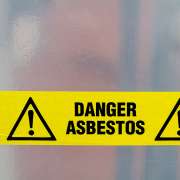
Asbestos is most dangerous when it is disturbed

The real danger of asbestos, according to the U.S. Environmental Protection Agency (EPA) is when the fibers get into the air. That is when people in the area can inhale them and they can lead to serious and even fatal heath complications.

This doesn’t mean you should not be worried about intact products that you believe contain asbestos. You can have them removed from your home or business. However, the danger is likely not that high if the product isn’t breaking apart, fraying, unraveling or crumbling. When that damage starts, that’s when the inhalation risks skyrocket and it’s time to take immediate action.

What do you do if a product has started to break down? First off, you need to make sure that no one goes in that area, placing it in complete isolation. This especially means keeping children away. For instance, if you find asbestos-based insulation in your attic, stay out of the attic until removal has been completed. Even keep your pets out.

Additionally, try not to disturb the product in any way. Don’t walk on it. Don’t pull it apart. Don’t try to remove it on your own. That last is a lot of people’s first reaction. They just want to make the home safe for the family or the business safe for the workers. However, it’s very dangerous to disturb it and put that dust in the air, and you shouldn’t do it without proper equipment and protective gear.

Have you been exposed to asbestos, perhaps in your workplace, that has led to mesothelioma or other serious complications? If so, be sure you know all about your legal options to seek out compensation.

Source: Inspectapedia, “Asbestos Identification in buildings,” accessed Sep. 19, 2017

The key to liability is often knowledge of the danger

When determining if a landlord is liable after someone is injured while at a rental space, the key is often very simple: What did the landlord know, and when did he or she know it?

Obviously, landlords can’t know everything instantly about a rental space. If a handrail on the front steps breaks one morning, no one tells the landlord and then another tenant is hurt that afternoon, the landlord may not be liable. He or she had no idea there was a danger and so not fixing that danger is not negligence in most cases.

Of course, this changes if the landlord did know of the risk. Did the tenants complain about poor maintenance, saying they thought the rail was going to break soon? Did the landlord continue to neglect the property or do subpar repairs?

Things are more dire when the landlord knew of a clear danger. For instance, maybe the handrail actually broke three months ago. A tenant called the landlord right away, and the landlord didn’t answer. The tenant left a voicemail and called again the next day.

The landlord said he or she would get it fixed, but then did nothing for months. No inspections were done, no repairs were made and the landlord didn’t even put up signs or caution tape to tell people there was a risk. When someone finally, inevitably got hurt, it was clear that the accident could have been avoided.

Were you injured because of a negligent landlord who knew the risks and did nothing? If so, it’s important to understand what legal rights you may have to financial compensation.

Source: AllBusiness.com, “Am I Liable for Injuries Sustained on My Rental Property?

Can you wear headphones and drive?

You love to listen to music while you drive, as it helps you pass the time. However, your car’s stereo system isn’t very good. It wasn’t great when you bought it, and now one of the speakers is blown out. Can you just throw on your headphones and drive while listening to the music on your phone or MP3 player?

It depends where you live. Doing so is legal in many states, including Kentucky. Other states where you can wear headphones include Arkansas, Delaware, Kansas and Mississippi — just to name a few.

However, if you go on a road trip, be aware that the laws could change as you cross state lines. For example, wearing headphones is illegal in New York. The same is true in Louisiana, with one key exception: If you’re riding a motorcycle and the headphones are built into your helmet. Pennsylvania also outlaws headphones, with a different exception: You can have single-ear systems for hearing aids or talking on the phone.

However, whether it’s legal or not, you should also remember that experts say driving with headphones on can increase accident risks. The outside noise is eliminated. While that may be exactly what you want, it can keep you from hearing engine noises, car horns, pedestrians who are yelling, emergency sirens and many other noises that help keep you from crashing. The headphones may also be a distraction that increases accident risks when you’re lost in the music and not paying as much attention to the road.

Have you been hit by a driver who was wearing headphones? When other drivers are distracted and make mistakes, be sure you know what legal options you have to seek out compensation.

Source: Digital Music News, “Is It Legal to Wear Earbuds While Driving? Here’s the Law In Every US State.,” Paul Resnikoff, accessed Aug. 16, 2017

Technology fights technology-based driving distractions

It seems like technology is everywhere and ever-changing. We live in a world where technology is in the palm of our hand. Technology has its advantages. Technology can offer convenience. You can easily keep in touch with people all over the world. You can quickly look something up on your phone or computer. You can buy a car with all kinds of features–from electronic windows to directions at the press of a button.

Technology also has some disadvantages. Sometimes technology can be a time-suck. It can be frustrating and confusing. Technology can also be extremely distracting. Some may argue that a distraction can be good, but in certain cases, distraction is bad. This is true for driving. When you get behind the wheel, you need to be as distraction-free as possible.

How is Apple doing its part?

Apple announced that they will attempt to help with their iOS 11 software update. With this update, they have included a “Do not disturb while driving” feature. The goal is to halt notifications to drivers. The feature is supposed to mute notifications when you drive. Your screen will not notify you of any incoming messages or alerts until you’ve finished driving. You can also tailor the feature to send automatic responses to people who do try to contact you while you are driving.

What can you get from the app store?

There are several applications geared towards safe driving. Some applications work like a game in which you can receive rewards for eliminating distractions. The application SafeDrive allows you to gain points for not touching your phone while driving. Their sister application, Milz, is targeted towards teens. The Milzapplication allows family members to donate funds for every distraction-free mile driven.

What can you do?

You can download a safe-driving application. You can also encourage your family members to do the same. You can use hands-free devices and Bluetooth technology. It may be helpful to form a habit of putting your phone in a safe place every time you enter the vehicle. Encourage others to take part in these safety practices.