
Appetite issues, weight loss, and mesothelioma

If you or a loved one have mesothelioma, you probably already know about the associated trouble with food. Many mesothelioma patients have appetite issues, and/or trouble eating and keeping on weight, due to the side effects of the condition and its common treatments.

However, it is crucial for mesothelioma patients to continue getting the nutrients, calories, and protein they need. Not doing so can lead to drastically decreased quality of life, worse treatment outcomes, an increased risk of complications, and more severe symptoms.

Read on for a deep dive into appetite issues and weight loss for mesothelioma patients, exploring what causes these issues and what mesothelioma patients and their caretakers can do to address them.

What Causes Appetite Issues and Weight Loss in Mesothelioma Patients?

Mesothelioma patients typically experience loss of appetite accompanied by weight loss as result of treatment side effects.

The illness itself can also change the body’s metabolism, and symptoms associated with mesothelioma (like tumors, breathing issues, and emotional distress) can all make it harder to maintain a normal diet.

Let’s take a closer look at these common causes of weight loss and lack of appetite in mesothelioma patients:

Side Effects of Mesothelioma Treatment Include Appetite Issues and Weight Loss

Mesothelioma treatment—including chemotherapy, radiation, surgery, and immunotherapy—have common side effects that can make it difficult to eat or want to eat. These include nausea, mouth and throat soreness, and digestive upset, among others.

Many mesothelioma treatments also cause changes in how foods smell and taste. Taste changes vary widely among patients. Food may taste metallic, bland, soapy, extremely bitter, sweet, or salty, or just “off”. In addition, previously neutral or enjoyable food smells may become repulsive and off-putting.

Mesothelioma Symptoms Can Make it Harder to Eat and Keep on Weight

Mesothelioma itself also has unique side effects that can affect a patients’ ability to eat and keep on weight, including:

  • Changes in metabolism
  • Tumors and excess fluid
  • Breathing issues
  • Stiff tissues
  • Psychological issues
  • Emotional distress

Metabolic Changes

Mesothelioma causes metabolic changes (or, changes in how the body converts fuel into energy). Cancer cells take up far more energy than healthy cells, which can kick the metabolism into overdrive (or a “hypermetabolic” state).

Since hypermetabolic mesothelioma patients burn far more calories than usual, they also need to consume far more calories to keep up. This can cause significant unintentional weight loss, even if a patient maintains their usual diet.

In addition, these metabolic changes can also cause the body to burn the wrong tissues, burning healthy skeletal muscle tissue instead of fat. This can lead to an extreme condition called cachexia, or muscle wasting, causing severe weight loss and depletion of nutrients, as well as weakness, fatigue, and other serious side effects.

Tumors and Excess Fluid

A swallowing problem may be a sign of mesothelioma. That’s because mesothelioma tumors and excess fluid in the body (ascites) can cause feelings of extreme fullness and bloating, as well as digestive issues and pain.

As tumors grow and as fluids increase, they may press down on or even block the digestive tract or bowels.

This can cause the body to stop sending normal hunger signals, leaving mesothelioma patients feeling uninterested in food and uncomfortably full after just a few bites.

Breathing Issues

Difficulty breathing is one of the most common symptoms of pleural mesothelioma. Those having trouble breathing often find it very difficult to eat or to focus on food.

As a result of not eating as frequently or as much as normal, patients can start to quickly lose weight. This can compound on itself, making it harder to breathe, and effectively harder to eat.

Stiff Tissues

Many people with mesothelioma experience stiffening of the tissues around the lungs and digestive tract.

This can make it difficult for the stomach and intestines to expand properly in order to accommodate food, which can make it very difficult to eat or to feel hungry.

Surgery and radiation can sometimes worsen this issue by causing scar tissue around the digestive area. 

Psychological and Emotional Distress

A mesothelioma diagnosis can be a tough pill to swallow. Stress is completely normal. But dealing with the stress, fear, and uncertainty can cause a range of psychological symptoms, including depression and anxiety.

These issues can make it difficult for those with mesothelioma to want to eat, especially if eating is physically hard or painful.

Learning how to cope with mesothelioma can help ease these psychological distresses and make it easier to keep on weight.

How Mesothelioma Patients Can Deal With Appetite and Weight Loss: Tips and Advice

If you are a mesothelioma patient struggling with appetite and weight loss, the first thing to do is to consult with your mesothelioma care team, and/or seek out an oncology nutritionist or dietician.

Your care team and other medical professionals will know what’s best for your case and ensure you’re getting proper nutrition for mesothelioma.

In addition, the following suggestions may be helpful:

Prioritize Calories and Protein

If you are struggling to eat and keep on weight, the most important thing to focus on is getting more calories and protein.

While it’s always good to eat nutritiously and to get lots of fruits and veggies, it is even more important that you maintain a stable weight to keep up your strength, both for treatment and for quality of life.

To get more calories in your diet, try incorporating more:

  • Butter, oils, and margarine
  • Nuts, seeds, and nut butters
  • Cream, full-fat milk, and full-fat yogurt
  • Avocado, guacamole, and hummus
  • Fruit canned in heavy syrup, or with ice cream or whipped cream
  • Higher-calorie beverages (like fruit juice, soda, milkshakes, and smoothies)
  • Cream sauces and high-calorie salad dressings

Those struggling to incorporate more protein can try:

  • Protein-rich salads (i.e., tuna salad, chicken salad)
  • Enriching milk by adding ¼ cup of powdered milk to 1 cup of whole milk.
  • Eating more eggs, especially cheese scrambles and desserts made with eggs, like puddings and custards.
  • Adding cheese—whether it’s melted on sandwiches, or grated onto soups, stews, salads, and pasta.
  • Adding extra meat, poultry, fish, cheese, nuts, or beans (ideally pinto, navy, black, and/or kidney beans).
  • Using protein powders and other supplements

Eat 5-6 Smaller Meals Per Day (Instead of 3 Big Meals)

If you find it difficult to eat large meals or feel full very quickly, try several small meals throughout the day.

If you don’t feel hungry as often (or not at all), you might also want to set regular times for these mini-meals throughout the day—ideally including eating within an hour of waking up, and then every three hours or so.

This is one of many different practical tips for living with mesothelioma.

Experiment With Different Foods

It’s important to be flexible, accommodating, and experimental when developing a mesothelioma diet. Experiment if food tastes strange or unappealing, address specific issues, and follow your cravings.

Identify what tastes off or unappealing and avoid it. If something tastes good or is appetizing, stick with it.

  • Have appealing snacks handy for when you feel hungry.
  • If food tastes metallic, try using plastic utensils to avoid transferring tastes.
  • Use a baking soda salt-water rinse or alcohol-free mouthwash to clear your taste buds.
  • If food tastes too salty, add sugar or apple juice.
  • If food tastes too sweet, add salt or lemon juice.

You can continue to experiment with new spices and different flavors to see what tastes best for you. Keep in mind that this could change over time.

Consider Nutritional Drinks and Supplements

If you’re having trouble eating real food and keeping it down, a nutritional drink or supplement can help give you the calories and nutrients your body needs.

There are many nutritional shakes and supplements (i.e., Boost, Ensure, etc.) that can be incredibly helpful for mesothelioma patients. You may find drinking a shake much easier than eating a meal, and they often come fully loaded with all of the vitamins, minerals, and proteins you need.

Nausea medications and appetite stimulants can also be helpful.

If you struggle with nausea, ask your mesothelioma care team about anti-nausea meds, as well as prescription appetite stimulants like megestrol, medroxyprogesterone (Provera), corticosteroids, and medical cannabis.

FAQs About Weight Loss and Mesothelioma

Is weight loss dangerous for mesothelioma patients?

Yes, unintentional weight loss can be dangerous for mesothelioma patients because it can be a sign that they’re losing muscle and tissues (not just fat).

Why does mesothelioma cause weight loss?

Weight loss in mesothelioma patients is caused by symptoms of the illness itself (like metabolism changes, tumors, breathing issues, and stiff tissues in the digestive tract), and a side effect of treatment (like chemotherapy and radiation).

What can mesothelioma patients eat to gain weight?

High-protein diets and increasing calorie intake can help mesothelioma patients gain weight. Chicken, fish, cheese, nuts, eggs, beans, avocados, hummus, and full-fat yogurts are all high in protein and are high in calories per serving.

Are you or a loved one looking for more information about mesothelioma lawsuits? Call us at 855-385-9532, locally 502-589-5600, or contact us online to arrange a free initial consultation with a Satterley & Kelley PLLC lawyer.


Renovating a Home With Asbestos Products Can be Hazardous to Your Health

Cancer-causing asbestos fibers were used in thousands of products, and many were sold for home use. If you unsafely remove or tamper with asbestos products while you renovate your home, it creates a risk that you, others working on the project, and those living in your home will be exposed to asbestos fibers.

Why is Asbestos Dangerous?

Asbestos is a mineral fiber. It was used in products because fibers are strong, durable, and resistant to heat, fire, electricity, and chemicals. When fibers are released into the air, they can be inhaled or swallowed.

Your body probably won’t be able to remove or destroy all of the fibers, many of which will remain in your body for the rest of your life. Over years or decades, they may cause inflammation, genetic changes to surrounding tissue, and cancer (including mesothelioma).

What Asbestos-Containing Products Were Used in Homes?

Asbestos-containing products have been used for thousands of years. They became increasingly popular during the Industrial Revolution, and their use in homes exploded during the post-World War II building boom. Any residence constructed before the mid-1980s may have asbestos products in it.

Some of them include:

  • Roofing shingles
  • Siding panels
  • Corrugated sheets
  • Pipes
  • Wallboard and cement sheets
  • Vermiculite insulation (some vermiculite deposits were contaminated with asbestos)
  • Asbestos insulation around pipes, boilers, and ducts
  • Loose-fill attic insulation
  • Vinyl floor tiles and the adhesive used to install them
  • Linoleum flooring
  • Backing for vinyl sheet flooring
  • Asbestos paper, cloth, and tape
  • Acoustic ceiling tiles

The older the home, the more likely asbestos-containing products are in it.

How Do I Know If Something Has Asbestos?

Your best option is to work with a reputable asbestos abatement contractor. They can test materials to determine if asbestos is present. If so, they can advise you on the best approaches to handle them.

What Dangers Are Posed by Asbestos Products in the Home?

The danger is minimal as long as the product is intact, not deteriorating or shedding asbestos fibers. If it’s in this state, the best advice might be to seal it up (or encapsulate it) and leave it alone. If it’s part of a system or in a location impacted by your renovation plans, you may be best served by having it professionally removed and properly disposed of.

If you or a contractor tear or pull out the material without sufficient precautions, asbestos fibers will be released into the air, which is not what you want. Some of the problems that may result include:

  • Inhaling or Swallowing of Asbestos Fibers:Asbestos fibers are incredibly light and microscopic. Inhaling these fibers can lead to various potentially deadly diseases, including lung cancer and mesothelioma
  • Health Risks to Occupants and Workers:Those involved in the removal and living in your home will be at risk of asbestos exposure. Because fibers are so small and light, they may travel far from where the removal took place, potentially contaminating any space in your home
  • Contaminating the Environment:Fibers may end up outside your home, into the environment, and potentially into neighbors’ homes. This can persist for a long time, posing risks to anyone in the area
  • Legal Consequences:Removing asbestos without following the proper regulations and guidelines may lead to legal consequences. Many jurisdictions have strict rules regarding asbestos removal, and failure to comply can result in fines and other penalties

Asbestos in your home is a manageable risk, depending on how much is present, whether it’s intact, and if it’s handled properly.

Why Should I Hire an Asbestos Abatement Contractor Before Starting Renovations?

Some benefits of hiring a reputable asbestos abatement contractor include:

  • Expertise and Training: Asbestos abatement professionals have the training, expertise, and experience to safely identify and handle asbestos-containing materials. They are familiar with the proper removal, containment, and disposal procedures. Are you?
  • Proper Equipment and Techniques: Asbestos abatement requires specialized equipment and techniques to minimize the release of fibers. Professional abatement companies have access to the necessary tools and follow industry best practices to ensure effective removal and containment. Would you?
  • Risk Reduction: Do-it-yourself asbestos removal poses a significant risk of exposure to asbestos fibers. Professionals use controlled methods, including wetting materials, sealing off work areas, and employing proper ventilation to reduce the risk of fiber release and contamination. What techniques would you use?
  • Thorough Inspection: Asbestos abatement companies typically conduct thorough inspections to identify all asbestos-containing materials in the home. This helps ensure that all sources of asbestos are correctly addressed during removal. Would you do this?
  • Proper Disposal: Disposing of asbestos-containing materials requires compliance with specific disposal regulations. Abatement professionals are familiar with these requirements and ensure that materials are disposed of in an approved and lawful manner. Would you just put asbestos in the trash?
  • Insurance Coverage: Many professional asbestos abatement companies carry insurance coverage, providing additional protection in case of accidents or unforeseen issues during the removal process. Would your homeowner’s policy cover you if you illegally remove asbestos from your home?
  • Efficiency and Timeliness: Professionals are trained to complete asbestos removal efficiently while maintaining high safety standards. Attempting to remove asbestos without proper training and equipment can lead to delays, mistakes, and increased risks. How long would it take you to remove the asbestos in your home?
  • Peace of Mind: Hiring a licensed and trustworthy asbestos abatement company gives you peace of mind that the job will be done safely, thoroughly, and in compliance with regulations. Will you have second thoughts about removing asbestos from your home after you’re covered in cancer-causing fibers and they float in the air throughout your home?

If you use a contractor to test material, you may find it doesn’t have asbestos. If it does, hiring an asbestos abatement contractor who can handle this job properly may be expensive. But the cost may be far less than the consequences of doing this yourself or hiring someone to deal with the situation unsafely.

Your Local Mesothelioma Law Firm

If you or a loved one are diagnosed with mesothelioma or another asbestos-related disease, you should understand your rights to compensation for the harm asbestos causes.

Experienced Satterley & Kelley’s, PLLC, asbestos injury lawyers can discuss your situation and help you recover damages to pay for your medical expenses, lost wages, and the pain and suffering you’ve endured. To schedule a free initial consultation at our Louisville office, call us toll-free at 855-385-9532 or complete our contact form today.

Can I File a Workers’ Compensation Claim for an Asbestos-Related Disease?

If you’re exposed to asbestos, there’s a good chance it happened while you were on the job. Many asbestos products were used in homes and vehicles, but workplace exposures were much higher.

You may qualify for workers’ compensation benefits if you’re injured on the job, including work-related diseases like lung cancer or mesothelioma from asbestos exposure.

Who is Covered by Workers’ Compensation?

With a few exceptions, all Kentucky employers are covered by the state’s Workers’ Compensation Act. They must carry insurance or be self-insured (except if they’re exclusively engaged in agriculture).

This means that the vast majority of workers in Kentucky are covered by workers’ compensation.

Firefighters are especially vulnerable to asbestos exposure. If an asbestos product is in a burning building, asbestos fibers are probably going into the air with the smoke or the steam created when water hits something hot.

Every member of a volunteer ambulance service, fire, or police department is considered an employee of the political subdivision of the state organizing the department, so they qualify for workers’ compensation.

Does Workers’ Compensation Cover an Asbestos-Related Disease?

Yes, workers’ compensation can cover asbestos-related diseases if you were exposed to asbestos at work.

Workers’ compensation insurance is designed for workers harmed by workplace injuries and occupational diseases. Under state law, an injury or disease must be work-related or it “arises out of and in the course of employment.”

The part of workers’ compensation law defining its terms states:

“Injury means any work-related traumatic event or series of events, including cumulative trauma, arising out of and in the course of employment which is the proximate cause producing a harmful change in the human organism evidenced by objective medical findings.”

An asbestos-related disease could be seen as an injury due to the cumulative trauma of repeated asbestos exposure at work. Kentucky workers’ compensation law also covers occupational diseases (like mesothelioma or lung cancer). These conditions are caused by exposure to a workplace hazard (asbestos), and they usually develop over a long time.

What is Covered Under a Workers’ Compensation Claim For an Asbestos-Related Disease?

Workers’ compensation claims typically cover:

  • Medical expenses related to your illness.
  • Partial wage replacement.
  • Death benefits to dependents if a worker dies from the condition.
  • Other payments in certain conditions.

The employer where you were last exposed to asbestos is responsible for paying you benefits. You’d need a physician’s opinion to establish that your work caused your injury or disease.

How Much Time Do I Have to Seek Workers’ Compensation Benefits?

Generally speaking, you have up to 20 years to seek workers’ compensation benefits from an asbestos-related claim in Kentucky.

Asbestos diseases can take decades to develop. So Kentucky law has special rules for occupational disease claims. To have a valid claim, you must notify your employer as soon as practically possible after:

  • You first notice symptoms that could reasonably signal you have an asbestos-related disease, or
  • A doctor diagnoses you with the disease (whichever happens first).

You’re not obligated to provide this notice until you become aware of it.

The state of Kentucky normally has a two-year statute of limitations on when you can file a workers compensation claim. But the occupational disease clause of the statute extends this for years.

But under Kentucky law, if the disease manifests more than twenty (20) years from the date of your last exposure, your claim may be denied.

Furthermore, if an injury is related to work-related exposure to cumulative trauma, your claim will be barred unless notice to the employer is given within two years from when you were told by a physician this trauma injury is work-related.

What to Do if Your Workers’ Compensation Claim is Denied

After giving your notice, your employer may deny your claim. But that isn’t the end of your right to seek compensation.

If a resolution can’t be reached, you can file an Application for Resolution of Claim to the state’s Education and Labor Cabinet. Most workers’ compensation claims are resolved by a settlement agreement between the parties and approved by an Administrative Law Judge (ALJ).

If disagreements between you and your employer or ex-employer prevent an agreement, the dispute must be decided by an ALJ. Their decision can be appealed to the Workers’ Compensation Board. The Board’s decision can be appealed to the state’s Court of Appeals.

However, you should always consult with an attorney to assist in determining what rights you might have following the diagnosis of asbestos related disease.

What if I No Longer Work For The Company Where I was Exposed to Asbestos?

You can still file a claim even if you no longer work where you were exposed to asbestos.

Workers’ compensation benefits are based on where you were last exposed, not whether you still work there. You’ll just need medical proof linking your condition to that particular place of employment.

What if My Employer No Longer Exists?

Even if your former employer went out of business or shut down, coverage may still be available through their worker’s compensation insurer or the state’s system.

An attorney can help you track down coverage and file your claim.

Get Help If You Have Been Diagnosed with Mesothelioma

If you have been diagnosed with mesothelioma or another asbestos-related disease, focus on your medical care and quality of life while we focus on your legal rights. Depending on your situation, you may have a right to file for workers’ compensation benefits. To get help, call us at 855-385-9532, locally 502-589-5600, or contact us online to arrange a free initial consultation.

Children and Asbestos: A Combination You Want to Avoid

Children can inhale and swallow cancer-causing asbestos fibers just like everyone else if they’re in the wrong place at the wrong time.

Asbestos exposure in children can harm them later in life, potentially leading to lung cancer and mesothelioma. If there are asbestos hazards in your home or community, you should do whatever you can to prevent your child’s exposure.

What is Asbestos?

Asbestos is a group of naturally occurring minerals composed of thin, microscopic fibers. The fibers are heat-resistant, strong, and are excellent insulators. Asbestos was widely used in many industries and construction applications for much of the 20th century. It was commonly incorporated into building materials, insulation, automotive parts, and numerous other products.

Exposure to airborne asbestos fibers, particularly when they are inhaled or swallowed, can lead to serious health problems, including lung diseases such as asbestosis, lung cancer, and mesothelioma (a rare form of cancer that affects the lining of the lungs, abdomen, or heart).

Where Can Children Be Exposed to Asbestos?

Given how widespread asbestos was used, there are many locations and situations where children may encounter asbestos.

Older Buildings

Asbestos was commonly used in construction materials before its health risks were widely known. Older buildings, particularly those constructed before the 1980s, may still contain asbestos in insulation, roofing, flooring, and ceiling tiles.

Schools

Older schools have a higher risk for asbestos exposure in children. They may contain asbestos in various materials, including floor titles, ceilings, pipe insulation, and fireproofing on steel beams.

If the products are in poor shape, they may shed asbestos fibers into the air. Schools must manage and monitor asbestos-containing materials to prevent exposure, but some do a better job at it than others.

More than a third of US students used schools containing asbestos, according to a 1984 study. Though that number should’ve dropped considerably by now, there still could be hundreds or thousands of schools with asbestos in them

Homes

Homes and apartments built before the 1980s may have asbestos-containing materials. It’s commonly found in the insulation, roofing, siding, and flooring materials.

Disturbing these materials during renovations or repairs can release asbestos fibers into the air.

If you think asbestos products are in your house, have them tested. If they’re present, they should be professionally removed or encapsulated so they don’t pose a threat. Trying to do it yourself can worsen a bad situation by liberating far more fibers into your home.

If you live in an apartment and think asbestos may be present, ask your landlord to test the material. If they refuse, arrange for it yourself. If your apartment contains asbestos, notify your landlord. If they don’t deal with it, it may be grounds to break your lease because your apartment is unsafe to live in.

Vehicles

If your family maintains and repairs your vehicles, or you own a vehicle repair business, your children may be exposed to asbestos released when brakes, transmissions, and clutches are worked on.

There are techniques and equipment you can use to make the process safer and limit asbestos exposure in the area

Low-Income Neighborhoods

Everyone, including children, living in low-income neighborhoods has a higher risk of asbestos exposure and disease. Homes, apartment buildings, and schools are more likely to be older and not well-maintained. Property owners may be unwilling or unable to hire professionals to remove asbestos-containing materials. There also may be industrial buildings in the area containing asbestos

Children face many potential hazards in their lives. If their surroundings may include asbestos, this is something to watch out for.

How Might Asbestos Affect My Child?

If your child breathes in substantial amounts of fibers, they may develop asbestosis, which can severely restrict their breathing. Asbestos can also cause many kinds of cancer, including lung cancer, mesothelioma, and cancers of the ovaries and larynx (voice box).

You try to keep your child safe, but if they fall and fracture a bone or come down with a stomach flu they caught from classmates, you discover it quickly, so you can do something about it.

It may take 30 or 40 years before asbestos-related diseases progress to the point they can be diagnosed. By then, it’s far too late to protect your child. The damage is done, so you need to be proactive to prevent these potentially fatal conditions from occurring.

Can Children Get Mesothelioma?

Yes, children get mesothelioma, but it’s extremely rare.

According to the National Cancer Institute, just 2% to 5% of mesothelioma patients are affected during their first 20 years of life. Less than 300 mesothelioma cases in children have ever been reported.

If a child was exposed to asbestos that causes mesothelioma, it likely won’t develop until they’re an adult.

How to Know a Child Was Exposed to Asbestos

There is no immediate way to know if your child was exposed to asbestos. Symptoms typically do not appear for decades.

The only way to know for sure if a child was exposed to asbestos is if they spent time in a room or building where it was confirmed from a test that asbestos fibers were present.

What to Do if You Suspect Your Child Was Exposed to Asbestos

If you think your child was exposed to asbestos, it’s important to remove them from the environment as soon as possible. Try to avoid any activity that would disturb materials containing asbestos, and then have the area inspected by a licensed professional.

If tests confirm that asbestos is present, follow their recommendations for removal or encapsulation.

Keep detailed records of this in case health issues arise later. You should also inform the child’s doctor so it can be part of their medical history to monitor symptoms in the future.

Call Us Today For A Free Consultation

Satterley & Kelley, PLLC, attorneys are your boots on the ground if you or a family member in Kentucky suffers from mesothelioma or another asbestos-related condition. Call us at 855-385-9532, locally 502-589-5600, or contact us online to arrange a free initial consultation with a Satterley & Kelley PLLC lawyer.

Can a Dust Mask Protect You From Asbestos?

Asbestos is very dangerous when it gets into the air and you inhale the particles. These particles can cause lung damage, respiratory issues and mesothelioma, which is a type of cancer. It’s often fatal and attacks the body very aggressively.

Not breathing in those particles is critical, and many people assume that a standard dust mask will be enough. It’s a heavy, stiff cloth mask that carpenters often wear when working with planers and sanders to keep from breathing in wood particles.

Asbestos removal is not a safe do-it-yourself project, even with a mask designed to handle it.

If you or a family member in Kentucky has an asbestos-related disease, including mesothelioma, Satterley & Kelley PLLC will be your trusted local law firm. Call our Louisville office at 855-385-9532 to schedule a free consultation.

Do Dust Masks Stop Asbestos?

A dusk mask is not enough to stop asbestos particles. Wearing a simple mask from Lowe’s or Home Depot isn’t going to give you the protection you need from asbestos particles or prevent you from developing mesothelioma.

Asbestos particles can go through and around a standard dust mask. Don’t assume that just having any mask on — or pulling the neck of your shirt up to cover your mouth — is enough.

Using a mask is obviously better than nothing, and although they may stop some particles, they’re just not sufficient to stop everything. Don’t trust them when dealing with asbestos.

Instead of a dust mask, you need a full respirator that filters all of the air before you breathe it.

The respirator should have a HEPA (high-efficiency particulate absorber) filter designed for use with asbestos. This has been shown to effectively protect people from the particles in the air, though it’s naturally best not to work with asbestos at all.

Why You Shouldn’t Use a Dust Mask Around Asbestos

Dust masks are great at what they’re supposed to do, which is blocking normal dust.

Think of it like cooking pasta. After it’s done, you pour the pasta and hot water into a colander. The pasta stays in it, and the water runs out of the holes, which are too wide to keep the water molecules inside.

A good dust mask should block ordinary household dust, pollen, mold spores, and sawdust. But asbestos fibers are far smaller and will pass through the dust masks you can buy at Home Depot or your local True Value hardware store.

If you lined up about 6,300 human hairs next to each other, they would be about an inch wide. You would need to line up about 840,000 to 1.4 million asbestos fibers for a row of them to be about an inch wide, according to InspectAPedia.

Do N95 Masks Protect Against Asbestos?

No, standard N95 masks are not strong enough to protect against asbestos.

While N95 and KN95 masks can be stronger than a standard dust mask, neither are effective enough to stop you from inhaling dangerous asbestos chemicals in the air.

The “95” in N95 and KN95 signifies that it’s effective in filtering 95% of airborne particles. But to protect yourself against asbestos exposure, you need a respirator with a HEPA filter rated P100 by NIOSH, which blocks 99.97% of airborne particles.

What Kind of Mask Should I Use If I’m Around Asbestos?

You shouldn’t wear a mask around asbestos. You need to wear a full respirator, which is worn over a person’s face. Some respirators may just cover the mouth and nose while others cover the entire face.

According to the National Institute for Occupational Safety and Health (NIOSH), respirators can be used to:

  • Remove contaminants from the air (like asbestos fibers)
  • Filter out chemicals and gases
  • Provide air from another source, like an oxygen tank

Whether you use a half or full-face respirator depends on your exposure time and the level of asbestos in the air.

Keep in mind, protection can still suffer if the respirator doesn’t fit properly. Even a beard or goatee may prevent a safe fit. If you’re dealing with asbestos, respirators should have HEPA filters rated by NIOSH as P100. This will block at least 99.97% of particles in the air.

Before you buy a respirator for asbestos exposure, consult a reputable store specializing in safety equipment to ensure you get what you need. Do not remove asbestos yourself because by doing so you’ll make the area far more hazardous because you’ll release many more fibers into the area.

Call Satterley & Kelley, PLLC, Today for A Free Consultation

Have you developed mesothelioma or other such issues after being exposed to asbestos? If so, it is important to know your legal options.

We are your boots on the ground if you or a loved one suffers from an asbestos-related illness. Call us at 855-385-9532, locally 502-589-5600, or contact us online to arrange a free initial consultation with a Satterley & Kelley PLLC lawyer.
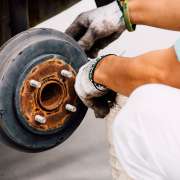
Lower Your Asbestos Exposure When Working on a Vehicle

Asbestos-containing car parts are still sold in the US, decades after most products containing the cancer-causing mineral fiber went off the market. If you repair vehicles professionally or work on them at home, the federal Environmental Protection Agency (EPA) has guidelines on safely performing repairs.

Satterley & Kelley, PLLC attorneys represent those in Louisville, throughout Kentucky, and around the country who developed mesothelioma and other asbestos-related conditions while repairing and maintaining vehicles. If you worked on vehicles and are diagnosed with an illness caused by asbestos, call us at 855-385-9532. We can discuss your potential compensation for your medical costs, pain, suffering, and other damages.

Some, but not all, automotive brakes and clutches may contain asbestos, so those working with or near them may be exposed to asbestos fibers in dust that’s produced as parts wear down and degrade. Brake and clutch dust is visible after a brake disk, drum, clutch cover, or wheel is removed from a truck, car, or other equipment. If asbestos in that dust becomes airborne, it can be inhaled or swallowed, starting down a path that could lead to severe and potentially fatal diseases.

What is Asbestos?

Asbestos is a light, strong, durable mineral fiber that was used in thousands of products over centuries because it’s resistant to the following:

  • Heat
  • Hire
  • Chemicals
  • Electricity

If fibers are airborne, people can inhale or swallow them. Asbestos fibers may never leave the body or be destroyed by its immune response.

Why is Asbestos Dangerous?

Asbestos’ microscopic fibers, when released into the air and inhaled or swallowed, can pose serious health risks. The primary reasons why include:

  • Easily Inhaled or Swallowed: Asbestos fibers are tiny and lightweight, so they’re easily airborne. When people breathe in these fibers, they can become trapped in the lungs and other parts of the respiratory system. When the fibers get into the mouth and are ingested, they threaten the digestive system, abdominal organs, and the abdomen’s lining
  • Health Effects: Prolonged or repeated exposure to asbestos fibers can lead to various severe health conditions, including asbestos (a chronic lung disease causing breathing difficulties, coughing, and reduced lung function), lung cancer (those who smoked have a particularly high risk), mesothelioma (a rare and aggressive cancer that primarily affects the lining of the lungs (pleura) or the abdominal cavity (peritoneum)), and other cancers
  • Long Latency Period: Asbestos’ health effects often take years or decades to develop
  • Fiber Durability: Asbestos fibers in the body can remain for a long time, possibly for a person’s lifetime, causing continued health risks after initial exposure ceases
  • There’s No Safe Exposure Threshold: There is no known safe level of asbestos exposure. Even small amounts over time can potentially lead to health issues
  • Secondary Exposure: People who come into contact with asbestos-exposed individuals or environments (such as asbestos workers’ family members) can also be at risk, as fibers can be carried on clothing, skin, and hair

Compared to the period of asbestos’ peak use (Industrial Revolution through the 1970s), overall, few new products contain asbestos for sale. Asbestos-containing vehicle parts were widely used for decades. They’re less common now, but they’re still used.

What Guidance is Available to Help Me Repair Vehicles Safely?

The EPA reports that most businesses that repair vehicles must comply with the Occupational Safety and Health Administration’s (OSHA) regulations (29 CFR 1910.1001 and specifically paragraph (f)(3) and Appendix F). Those repairing vehicles for government entities must follow an identical EPA Asbestos Worker Protection Rule. Those making repairs at home don’t fall under these regulations, but you can take steps to limit your asbestos exposure.

These required measures are for automotive clutch and brake inspection, disassembly, assembly, and repair. They are contained in this brochure you can print. OSHA also has a bulletin on safely working on vehicles with asbestos-containing parts.

How Can I Tell If Brake or Clutch Parts Have Asbestos?

You can’t tell by just looking at them. If you’re working on a newer vehicle or parts, auto manufacturers, packaging labels, or Material Safety Data Sheets (MSDS) may inform you if asbestos is present. For older vehicles or those that have had their brakes replaced, such materials may not be available, so, as a practical matter, knowing for sure may be impossible.

A best practice is to assume all brakes have asbestos shoes or pads. Whether they have asbestos or not, worn brake shoes appear the same. If you think a shoe doesn’t have asbestos and you don’t use brake dust control procedures, you may expose yourself, your co-workers, and through your work clothes, those who live with you at home.

What Should I Do at Work?

If your job is in a commercial shop that does more than five brake or clutch jobs each week, OSHA requires the use of one of the following or an equivalent method:

  • Negative-Pressure Enclosure/HEPA Vacuum System Method: This vacuum and enclosure system has a clear plastic box that fits tightly around a clutch or brake assembly to prevent asbestos exposure
  • Low Pressure/Wet Cleaning Method: This low-pressure water spray equipment wets the brake assembly. The runoff is caught in a basin to stop brake dust from spreading in the area

If your shop does five or fewer clutch or brake jobs weekly, OSHA regulations allow the “wet wipe method.” You use a spray bottle or another device that delivers a fine water (or a combination of water and detergent) mist at low pressure to wet all clutch and brake parts. You can then use a cloth to clean the area.

What Should I Do and Not Do at Home?

If you don’t know if what you’re working on contains asbestos, consider having the work done at a commercial automotive shop equipped to do the job safely. If you’re unwilling or unable to do so, use the wet wipe method.

Other things you should do include:

  • When you buy parts, find out if they have asbestos. If they do, don’t buy them
  • Use parts that are pre-ground and ready-to-install
  • If your brake or clutch lining will be cut, drilled, grooved, lathe-turned, or beveled, use low speeds to reduce the amount of dust created
  • Use machinery with a dust collection system with high-efficiency particulate air (HEPA) filtration to avoid dust exposure and contaminating your work area
  • After you’re done, change into clean clothes before going inside your home and wash these clothes separately
  • Keep bystanders, food, and drinks away from the work area

Some things you should not do are:

  • Clean an area with compressed air, which may blow dust and asbestos through the area
  • Clean clutches or brakes with a brush (wet or dry), a dry rag, or a garden hose
  • Use a wet/dry vac to clean up dust if it doesn’t have a HEPA filter. If you do so, asbestos may stay in the air and on your clothes for a long time
  • Take work clothing inside your home, or track dust in your home after the work is done. If you do, you may expose your family to dust particles and asbestos fibers

If you follow this advice, you may still be exposed to asbestos, but the level may be significantly reduced.

How Should I Dispose of Parts or Rags That May Have Asbestos In or On Them?

If you work at a commercial shop, parts you’ve removed and any rags used to clean the area should not simply be thrown out. They must be disposed of in sealed, impermeable containers with appropriate labels. The EPA recommends waste from home auto repairs be double-bagged and disposed of by local rules to minimize exposure.

Call Us Today For A Free Initial Consultation

If you repaired vehicles in the past and are diagnosed with mesothelioma or another asbestos-related disease, you may receive financial compensation for the harm you suffer. Call us toll-free at 855-385-9532, in Louisville at 502-589-5600, or contact us online to schedule a free consultation with a Satterley & Kelley, PLLC attorney.

Mesothelioma Support Groups for Patients and Their Loved Ones

Having cancer can be a very isolating experience for patients and their loved ones, whose extended friends, family, and even doctors may not be able to truly understand what they are going through. With a rare cancer like mesothelioma, this isolation can feel especially profound.

Mesothelioma support groups offer a unique opportunity for patients and their loved ones to connect with other people whose lives are directly affected by mesothelioma. These groups offer the chance to share space and participate in a community with other people who have been through what you are going through. They offer a sense of shared experience that may not be possible with people whose lives have not been affected by mesothelioma. They also offer essential resources and advice for mesothelioma care, treatment, and coping methods, as well as information about new developments like clinical trials.

Not all mesothelioma support groups are the same, and different groups vary in several important ways, including how they are led, how they are structured, and where they take place. Read on for a full run-down on mesothelioma support groups to learn more about the right type of group for you.

What is a Support Group?

Support groups are places where people who are struggling with the same issue can go to share experiences, resources, support, and community. There are a number of different types of support groups, depending on several factors.

  • Peer Leadership vs. Professional Leadership: Some support groups are “peer-led”, meaning they are led by other people who have been personally affected by the issue. In the case of a mesothelioma support group, this can be a mesothelioma patient or survivor, or a family member, caretaker, or friend of a mesothelioma patient or survivor, depending on the group.

Peer-led group leaders do not necessarily have to be accredited or hold professional degrees, though some are certified peer support (CPS) specialists. CPS leaders receive training in trauma, recovery, and peer support to help use their lived experience to facilitate the group. Some peer-led groups do not have a single leader, but rather are led communally or by a rotating leader that changes with time.

Other support groups are run by professional practitioners who may not have lived experience with mesothelioma, which may include social workers, mental health professionals, psychologists, counsellors, clergy members, and other specialists who have training in facilitating support groups, and often have experience working with the mesothelioma community. Professional practitioners are usually accredited and may hold advanced degrees in counseling or related fields.

  • Remote vs. In Person: Different types of support groups happen in different forums. Some support groups happen in person and require group members to come to a specific location for meetings. Other groups happen online, through open or closed forums, message boards, Facebook groups, or Zoom calls. Some online groups can be accessed by phone for those less comfortable with the internet, usually through a secure dial-in number. There are also hybrid mesothelioma support groups, which offer alternating online and in-person support sessions, or offer patients and their loved ones the opportunity to join in-person sessions online via video or phone call.

Both in-person and online mesothelioma support groups have pros and cons, many of which depend on your personal needs and preferences.

Some people find that in-person support groups are easier to engage with, as it can sometimes be harder to feel a sense of community or participate fully in online or Zoom-based groups. This is especially common among those who struggle with technology generally, and who have difficulty with online or video-call communication.

However, this is not always the case; some mesothelioma patients and their loved ones do not find it difficult to connect on an online or remote platform, and even find that certain aspects of online groups—such as increased privacy and anonymity—helpful in reducing anxiety and hesitance about discussing issues that might be more uncomfortable for them to discuss in person.

Moreover, some participants are not able to reliably attend in-person meetings, as the demands of treatment and dealing with the daily realities of mesothelioma can make it difficult to take on additional appointments. This is especially true considering the ongoing risk of COVID-19 exposure for often-immunocompromised mesothelioma patients. In addition, participants may not live close enough to any ongoing support group to be able to attend in person.

  • Structure: There are several different ways that mesothelioma support groups may be structured when it comes to what actually occurs during each meeting. Some groups are much more structured, and have a specific agenda and curriculum for each meeting. These groups, which are often professionally led, may also invite guest lecturers to speak and provide resources to the group. More structured groups may have a specific number of sessions, with a designated end-date.

Less structured mesothelioma support groups will generally have at least some type of basic structure that each meeting follows, and guidelines to ensure that everyone gets a chance to participate. They may have an overall theme for each session, but they will generally not have a strict agenda or curriculum (though the group may provide additional resources that participants can access if interested). In addition, less structured groups tend not to have a finite number of sessions, but rather are generally held on an ongoing basis, with participants free to come and go as they desire and are able.

  • Intended Participants: Each mesothelioma support group has an intended set of participants. In some groups, anyone who has been affected by mesothelioma, whether they are a patient or a loved one/caretaker, is welcome to attend and participate. Other groups are specifically meant for mesothelioma patients and survivors, while still others are specifically meant for loved ones and caretakers of those with mesothelioma. In addition, there are some mesothelioma support groups meant for certain affinity populations, such as women, people in a certain profession (such as dock workers or construction workers), veterans of the U.S. military, or 9/11 first responders. Make sure to choose a mesothelioma support group with a population that will make you feel most comfortable.

Are you or a loved one looking for more information about mesothelioma? Call Satterley & Kelley, PLLC at (855) 385-9532 to learn more.

Schools and Asbestos: What Can Go Wrong

Before the 1980s, school buildings were heavy users of asbestos-containing products. They’re a toxic legacy of a bygone age that might endanger anyone in these buildings. Given how much time has passed since the dangers of asbestos in school became known, the fact any child or school employee might still be exposed shows how misdirected our priorities are.

Asbestos-containing products were used to fireproof steel beams and cover steam pipes and floors. Ceilings were made of asbestos-containing acoustical tiles. As time passed, these products age, fall apart and release cancer-causing asbestos fibers into the air, where they could be inhaled and swallowed by students and school staff. 

School Systems Have Had Plenty of Time to Make Their Buildings Safe

The Asbestos School Hazard Abatement Act became law in 1984, according to Asbestos Nation. It created a program that gave schools expertise, technical assistance, and financial resources so schools could determine the threat asbestos posed to employees and students.

The Asbestos Hazard Emergency Response Act (AHERA) passed Congress in 1986. It requires the federal Environmental Protection Agency (EPA) to create regulations requiring local education agencies to inspect their buildings for asbestos-containing products, create management plans, and prevent or reduce asbestos hazards.

The Asbestos School Hazard Abatement Act put aside up to $600 million in loans and grants to pay for asbestos abatement. Between 1984 and 1993, Congress appropriated $382 million more for the program. No additional federal money has been appropriated since then.

School districts are primarily responsible for these costs, though there may be state grants to help pay for it. Insurance policies that will pay for abatement may cover a school district. School systems have also sued asbestos product manufacturers to recover abatement costs.

Case in Point – The Philadelphia School District

Philadelphia, Pennsylvania, is the nation’s sixth-largest city. Its school district operates 329 schools with 197,288 students, according to its website. Its fiscal year 2023 budget is $2.4 billion.

Philadelphia school buildings were an average of 70 years old in 2018. As of that date, there were an estimated 11 million square feet of asbestos-containing products in district buildings. That’s the equivalent of 191 football fields.

The school district has an asbestos problem, according to a 2018 article by the city’s two largest newspapers, the Philadelphia Daily News and the Philadelphia Inquirer. Researchers looked at school system documents, interviewed 120 people, and had school staff at 11 elementary schools take 84 surface dust samples.

Though air monitoring for asbestos may be a more accurate test of how much asbestos is in an area, surface testing is seen as an investigative tool to determine if additional testing should be done.

There is no recognized safe level of asbestos exposure. Experts state that 100,000 asbestos fibers per square centimeter or higher in surface dust are alarming. Asbestos fibers are easily stirred up and stay in the air for hours before settling down, only to be stirred up again.

The investigations found:

  • The district removes or repairs asbestos an average of more than 200 times a year
  • $5 million was budgeted for asbestos abatement in fiscal year 2017-18
  • In a 2015-16 school year inspection, more than 80 percent of the schools had damaged asbestos, which was found in 2,252 locations, many frequented by students
  • In more than a quarter of the locations (639), inspectors marked spots as “high priority” because of the potential health risks of deteriorating asbestos products
  • Some “high priority” areas needing attention went unrepaired for up to two years
  • The inspection found more than 12,000 square feet of damaged asbestos tile floors. In one school, a dust wipe test of a patch of missing tiles found 2.6 million asbestos fibers
  • A floor of a closet used by students had four million asbestos fibers per square centimeter
  • A hallway floor near a sixth-grade classroom below an asbestos-covered pipe partially encased in metal tested at 8.5 million asbestos fibers. This is the highest amount found
  • Test results in six of the 11 schools came back above 100,000 asbestos fibers per square centimeter

In the last school year,six Philadelphia district schools and two of their charter school buildings were closed due to damaged asbestos. District officials also admitted that for years, areas in an unknown number of schools described as not containing asbestos actually do.

Your Local Mesothelioma Law Firm

If you or a loved one worked in a school are diagnosed with mesothelioma or another asbestos-related disease, you should understand your rights to compensation for the harm asbestos causes.

Experienced Satterley & Kelley’s, PLLC, asbestos injury lawyers can discuss your situation and help you recover damages to cover your medical expenses, lost wages, and the pain and suffering you’ve endured. To schedule a free initial consultation at our Louisville office, call us toll-free at 855-385-9532 or complete our contact form today.

Palliative Care for Mesothelioma

Palliative care is often one of the most important aspects of a mesothelioma patient’s journey, but it is sometimes misunderstood. That’s why we put together this mesothelioma palliative care primer, where you can learn exactly what palliative care is, what it does, and why it is so essential for the wellbeing of mesothelioma patients.

What is Palliative Care?

Palliative care is treatment designed primarily to improve quality of life and to help relieve pain, discomfort, and other symptoms and side effects. Palliative care is often a central part of mesothelioma treatment and care regimens. It may also be referred to as “palliative therapy”, “supportive care”, “palliation”, or “comfort care”.

Mesothelioma and mesothelioma treatment can be painful, and can have adverse effects on a person’s quality of life. Mesothelioma patients may experience nerve pain, gastrointestinal effects, and difficulty breathing, along with psychological conditions like anxiety and depression. Treatment may also cause a wide range of painful, disruptive side effects that palliative care can address.

Importantly, palliative care is not the same thing as hospice care. Both palliative care and hospice care address painful, uncomfortable symptoms to improve quality of life. However, hospice care is primarily for patients expected to have a short time to live (usually 6 months or less), and is generally implemented instead of treatment or when treatment has been discontinued. It is not curative—i.e., it is not designed to fight the cancer itself.

Palliative care, on the other hand, is available to anyone with a serious illness, regardless of prognosis, treatment goals, or life expectancy. It can be started as soon as a patient is diagnosed. Mesothelioma patients can pursue palliative care to support more aggressive curative cancer treatment regimens, and/or to improve their quality of life throughout their mesothelioma journey. Palliative care can go hand-in-hand with active cancer treatment, and can be adapted to fit any mesothelioma patient.

Who provides palliative care for mesothelioma, and how are palliative care plans designed?

Palliative care works best as a coordinated effort from multiple providers on your care team. This can include oncologists, surgeons, nurses and clinical nurse specialists, physical therapists, respiratory therapists, dieticians, pain management experts, and palliation specialists, in addition to social workers, therapists, psychiatrists, and spiritual advisors.

Palliative care takes a holistic approach, treating the whole person, not just their mesothelioma. Treatment providers tailor palliative care plans to each mesothelioma patient’s specific needs and context. They may consider medical factors, such as the type, location, and staging of a patient’s mesothelioma, as well as their other planned treatments and their history of symptoms and side effects. Another factor is eligibility: some mesothelioma patients may be ineligible for certain types of palliative care. For example, around 60% of pleural mesothelioma patients are not eligible for palliative surgery, while pericardial mesothelioma patients are not eligible for palliative radiation.

A palliative care team may also consider the type of support system a patient has, their psychological and social struggles (as well as those of their caretakers and family members), and their treatment and quality of life goals overall.

What are the benefits of palliative care for mesothelioma patients?

In addition to reducing symptoms, palliative care can also have a wide range of additional benefits for mesothelioma patients. Research indicates it may even improve prognosis in some mesothelioma patients, especially if initiated early. Palliative care has also been shown to lower the cost of care (with some studies showing a cost reduction as high as 60%), and has been is linked to improved psychological health, with studies showing lower rates of depression among cancer patients who receive early palliative care.

What are the common types of palliative care for mesothelioma?

Palliative treatment for mesothelioma may include one or more of the following therapies:

  • Surgery: Palliative surgery aims to reduce symptoms caused by fluid buildup and/or tumor growth. Palliative surgeries for mesothelioma include:
  • Paracentesis, Pericardiocentesis, and Thoracentesis: Minor surgical procedures to drain excess fluid.
  • Drainage Implants (catheter or shunt placement): Devices that can be placed to treat recurrent fluid buildup, allowing the patient to drain fluid at home. Shunts allow fluid to move from one part of the body to another, where it’s more likely to be absorbed. Catheters (for example, the PleurX catheter) allow fluid to drain from the body.
  • Pleurodesis/Video Assisted Thorascopic Surgery (VATS): A surgery to close the pleural space in pleural mesothelioma patients, permanently preventing fluid buildup.
  • Partial Pleurectomy: Surgical removal of part of the pleura (lung lining) to prevent fluid from filling the area.
  • Cytoreductive Surgery: Also called “debulking”, this invasive surgery aims to remove as much of a tumor as possible, which can be palliative, curative, or both. It is sometimes followed by intraperitoneal chemotherapy infusions (for peritoneal mesothelioma patients), or by systemic chemotherapy (for pleural mesothelioma patients).
  • Chemotherapy: Chemotherapy can be used palliatively for mesothelioma patients, both systemically (IVs or injections into the affected area for 3-4 weeks) or as part of cytoreductive surgery such as HIPEC (Hyperthermic Intraperitoneal Chemotherapy), whichfollows tumor debulking with an infusion of heated chemotherapy drugs into the abdomen. Common chemotherapy drugs for mesothelioma care include:
  • Pemetrexed
  • Cisplatin
  • Carboplatin
  • Gemcitabine
  • Vinorelbine
  • Immunotherapy: Immunotherapy helps activate a person’s immune system by modifying a patient’s own cells. Mesothelioma patients often benefit from “checkpoint inhibitor” immunotherapy drugs like pembrolizumab, nivolumab, and ipilimumab, which target cancer cells hiding in “checkpoint” cell proteins PD-1 and CTLA-4. For some mesothelioma patients, immunotherapy can slow or stop tumor growth, significantly improve quality of life, and even improve overall rates of survival. However, some patients experience side effects that may ultimately defeat the purpose. Your mesothelioma care team will assess whether immunotherapy is a good palliative care option for you.
  • Radiation: Radiation treatments like EBRT (external beam radiation therapy) and internal brachytherapy can be used palliatively to shrink tumors in pleural mesothelioma patients, relieving the associated pain and breathing problems. There are some side effects, such as tissue damage, skin issues, and fatigue, but many pleural mesothelioma patients report positive palliative effects.
  • Other Symptom Interventions: Mesothelioma patients may receive interventions for symptoms specific to their condition. Pleural mesothelioma patients may receive breathing interventions like exercises and supplemental oxygen, as well as cough suppressants. Palliative care may also address constipation and excessive sweating, both of which are common side effects experienced by mesothelioma patients, as well as fatigue and weight loss interventions such as nutritional planning for mesothelioma and steroids.
  • Mental Health Therapies: Mental health treatment and counseling is often an integral part of palliative care, addressing the psychiatric, psychological, and spiritual symptoms of mesothelioma. According to one study, 80% of cancer patients receiving palliative mental health treatment reported improved quality of life.
  • Targeted Pain Management: Targeted specialized treatments for patients to combat and cope with ongoing pain are essential to palliative care for mesothelioma. Both over-the-counter and prescription pain medication can and often should be utilized to address pain in mesothelioma patients. In addition to medication, patients can utilize other targeted pain treatments like nerve blocks (injections that help block pain), and may benefit from pain management tools like cognitive behavioral refocusing, exercise, massage, and physical therapy.
  • Alternative Palliative Care: In addition to the recommended regimen of palliative care designed by a mesothelioma treatment team, patients may also benefit from alternative or holistic palliative care treatments. While these treatments are not intended to replace standard medical palliative care, they may supplement that care to improve quality of life. Common alternative palliative care treatments for mesothelioma include acupuncture, medication, reiki, tai chi, yoga, and hypnosis, among others.

Are you or a loved one looking for more information about mesothelioma lawsuits? Call (855) 385-9532 to learn more.

Naturally Occurring Asbestos: The Danger in Your Backyard

Technically, all asbestos fibers are naturally occurring. Asbestos fibers can be found naturally in rock formations nationwide.

You should be cautious if you’re breaking up or disturbing rocks in your backyard or as part of your job because you may release cancer-causing asbestos fibers into the air.

What is Naturally Occurring Asbestos?

Naturally occurring asbestos are fibrous minerals found in rocks or soil and released into the air by human activities (like breaking or crushing asbestos-containing stones) or weathering processes. If it’s not disturbed and fibers aren’t released, there’s no health risk, according to the Agency for Toxic Substances and Disease Registry (ATSDR).

Asbestos is often found in ultramafic rock, such as serpentine rock, and near fault zones. Typically, these rocks may be from less than 1% to 25% asbestos.

When asbestos fibers become airborne, they can be inhaled or swallowed by anyone in the area. They may remain stuck in your lungs or other organs for years or decades, which can cause inflammation or genetic changes to nearby tissue that result in cancer tumors, including mesothelioma.

The Dangers of Naturally Occurring Asbestos

Naturally occurring asbestos is equally dangerous to any other asbestos containing material. There is no such thing as “safe” asbestos.

When inhaled or swallowed, asbestos fibers can get stuck in the lungs and other parts of the body, leading to severe, disabling, and fatal conditions that may take decades to develop.

Asbestos’ strong and durable fibers withstand the body’s attempts to destroy them, causing scar tissue, inflammation, and genetic mutations that cause cancer and other illnesses, including:

  • Asbestosis: This chronic lung condition is caused by asbestos fibers, which results in severe lung tissue scarring and inflammation. It leads to breathing problems and decreased lung function
  • Lung Cancer: Asbestos exposure greatly increases the risk of developing lung cancer. It can take years or decades for asbestos-related lung cancer to develop
  • Pleural Mesothelioma: This is a rare and aggressive cancer primarily affecting the lining of the lungs (pleura) and chest cavity

Mesothelioma can also affect the linings of the heart, abdominal organs, and abdominal cavity. Larynx and ovarian cancers are also linked to asbestos exposure.

Asbestos is a danger to those exposed to naturally occurring fibers, who worked directly with asbestos-containing products, and family members may be exposed to fibers when work clothes contaminated with them are worn home.

How Do I Find Out If Rocks Contain Asbestos?

The only way to find out for sure is to have them professionally tested by a lab that processes asbestos samples.

Visual identification is impossible because asbestos fibers are too small to be seen by the naked eye.

Only trained professionals using a polarized light microscope can confirm if asbestos is present in naturally occurring rock formations.

Activities That Can Release Dangerous Naturally Occurring Asbestos Fibers into the Air

If rocks and soil in the area contain asbestos, the ATSDR states there are several ways you could release fibers into the air:

  • Working in a garden
  • Digging or shoveling dirt
  • Landscaping
  • Sweeping or leaf-blowing
  • Plowing or planting
  • Excavating or using a backhoe
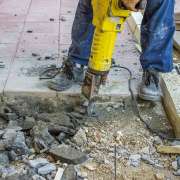
  • Rock drilling or using a jackhammer
  • Driving over unpaved surfaces
  • Walking or running on gravel roads
  • Running underground cable or pipe
  • Disturbing dirt on unpaved surfaces
  • Felling trees in contaminated dirt
  • Blasting, chipping, hammering, drilling, crushing, loading, hauling, and dumping rock
  • Working in railroad or highway construction or maintenance
  • Operating heavy equipment where the soil contains asbestos fibers

Given how virtually anything you do with dirt or rocks could be a problem, you should have soil and stones professionally tested if you have any concerns about naturally occurring asbestos.

Where is Naturally Occurring Asbestos Located?

The US Geological Survey (USGS) mapped where in the US substantial outcroppings occur. Their map of the central US shows no known naturally occurring asbestos in Kentucky. The nearest locations are in southeastern Missouri, western Virginia, and western North Carolina.

The heaviest concentrations of naturally occurring asbestos generally run the length of the Appalachian Mountains, Montana, California’s Sierra Nevada mountains and the North and South Coast Ranges.

Why You Should Hire Satterley & Kelley, PLLC for Your Asbestos Case

If you’re diagnosed with mesothelioma or another asbestos-related cancer because of your asbestos exposure, you may be entitled to compensation for what you’ve endured. This includes physical and mental pain and suffering, financial costs, medical bills, and how the disease impacts your relationships.

You need a law firm with experience representing victims taking legal action against the asbestos industry. Satterley & Kelley, PLLC attorneys have helped asbestos victims for more than 25 years.

We have relationships with the best experts in the world to help us prove that asbestos caused your injury and the physical, emotional, psychological, and financial harm you suffered.

Call Us Today for a Free Consultation

Those diagnosed with asbestos-related illness may be entitled to compensation for what they’ve endured. Satterley & Kelley, PLLC attorneys are your boots on the ground if you or a family member suffers from mesothelioma or an asbestos-related health condition in Kentucky. Call us at 855-385-9532, locally 502-589-5600, or contact us online to arrange a free initial consultation with a Satterley & Kelley PLLC lawyer.