

How alcohol impairs a driver’s brain function

Everyone knows that drinking and driving is dangerous and illegal. But it happens every day in Louisville and nationwide. The NHTSA estimates that nearly 30 people in the U.S. are killed in car accidents caused by drunk drivers every day. Hundreds more people survive their encounters with drunk drivers but are seriously injured.

The increasing effects of alcohol on Kentucky motorists

Though it’s common knowledge that alcohol impairs a drinker’s ability to drive, many people don’t know exactly what happens to the brain after drinking. Here is a basic overview of how different levels of blood-alcohol concentration (BAC) can affect behavior, perception and judgment behind the wheel.

  • .02 percent — Decline in the ability to track a moving object (such as a car or bicycle) and in the ability to perform two tasks at once
  • .05 percent — Further loss of ability to track moving objects, slower response to emergencies, reduced coordination
  • .08 percent — Concentration, information processing, perception and memory are all affected. This is the legal limit in Kentucky.
  • .10 percent — Ability to stay in your lane and brake properly is reduced
  • .15 percent — Virtually every ability related to driving is substantially affected, including control over the vehicle, concentration and processing of visual and auditory information

Even one drink raises the risk of causing a serious crash. People who choose to drink at a restaurant, bar or party have several alternatives to driving themselves home. They can choose a designated driver, use public transit, or arrange for a cab or rideshare service. By deciding to drive despite being drunk, drivers likely make themselves responsible for any injuries they cause other people if they get into an auto wreck.

Proving negligence

Proving that a drunk driver caused your injuries and showing the extent of those injuries can be challenging. That is where the help of an experienced personal injury attorney can be valuable.

How railroad negligence can lead to tragedy

The National Highway Safety Administration offers safety reminders for drivers at railroad crossings. Drivers should stop and look both ways at railroad crossings. Once drivers have entered the crossing, they should keep moving.

Also, when the railroad crossing gate is lowering drivers should stop at least 15 feet away from it and should not try to drive around it. They should wait for the gate to rise and all lights to stop flashing before crossing.

If the car stalls or stops in a railroad crossing, drivers should get out of the car and either call the phone number listed on the railroad sign or call 911 for help.

Railroad company negligence

Even when proper safety measures are taken at railroad crossings, however, accidents can happen because of the railroad company’s negligence.

Railroads are required to maintain, inspect and test trains, tracks and equipment. This includes ensuring that the railroad gate arm is operating correctly, the train warning system is working, and timing devices are accurate.

Railroads are also required to ensure that cargo is loaded properly and take precautions when carrying hazardous materials, such as chemicals.

When these steps aren’t taken, serious accidents can happen resulting in permanent harm to victims like brain and spinal cord injuries. The medical costs associated with these events can be significant.

Accident victims may be presented with a settlement offer from the railroad company. They may want to consult with an experienced attorney before accepting it, however, because it may not be sufficient to compensate them fully for their injuries.

Questions?

An attorney can review the circumstances of the accident and suggest the best course of action for the person or family involved.


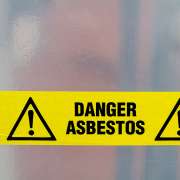
The health risks associated with asbestos

Unfortunately, asbestos exposure is still a danger for most Kentucky employees as the health hazard appears in building materials, floor tiles, insulation for pipes and other common materials on construction sites.

However, some people still don’t know the health ramifications of long-term asbestos exposure. Some of the most serious side-effects include:

Mesothelioma

Mesothelioma is a rare form of cancer that is the consequence of indirect or direct exposure to asbestos. It usually attackers the lower digestive tract and the lining of the lungs, and there is no known cure at the moment. The best strategy is to catch it early on and treat the symptoms before the lining covers many of the body’s vital organs. The most dangerous aspect of this diagnosis is its commonality – over 1.3 million workers are exposed to significant amounts of asbestos.

Asbestos-related lung cancer

Similar to Mesothelioma, lung cancer is also a potential consequence of asbestos exposure, but it is harder to connect back to direct or indirect exposure to asbestos. There are so many possible causes for lung cancer that doctors would have a hard time pinpointing if asbestos was the sole reason. However, it’s important to know that it’s a potential risk with asbestos.

Pleural thickening

Asbestos hits the lungs the hardest, and it’s obvious is due to the risk of mesothelioma and pleural thickening – a condition that makes your lungs’ lining thicken and swell. It causes severe discomfort in the chest and results in poor breathing for most adults. It isn’t necessarily fatal, but it’s an indicator of underlying health issues on the horizon.

If there are concerns of a current medical condition is due to asbestos exposure, you may want to seek a legal claim to cover the costs of medical treatments and lost wages. But do not wait to seek treatments if you suspect mesothelioma. Your life may depend on a quick diagnosis.

Delivery drivers are at risk of being attacked by a dog

Recent months have been a boom time for the home delivery business. From retail purchases to dinner, consumers have embraced home delivery as a way of life. When numerous people are ordering numerous things, it only makes sense that delivery drivers may find themselves increasingly vulnerable to dog attacks.

Dog bites are serious. They can cause severe trauma and require extensive medical treatment. You might find yourself facing a stack of hospital bills. Your injuries may have left you unable to work. That’s why it’s important to hold property owners accountable. You deserve to recover compensation for injuries caused by another person’s negligence.

Look out for warning signs of an aggressive dog

Dogs usually don’t attack a person without giving some kind of warning. It’s important to recognize the signs of fear or aggression. You should be on high alert if you notice:

  • A dog holding its tail high and stiff
  • A dog with its tail tucked beneath its body
  • Growling
  • Bared teeth
  • Raised fur along the dog’s back

If a dog appears fearful or aggressive, you should slowly back away. Never presume that a small dog doesn’t pose any type of danger. A dog’s teeth are razor-sharp, regardless of its size.

Steps you can take to protect yourself

There are some steps you can take to help protect yourself from a possible dog attack, including:

  • Avoiding the urge to turn and run
  • Removing earbuds when approaching a home
  • Carrying an animal repellent
  • Using the package as a barrier between you and the dog

Sometimes, you can take every precautionary step and still fall victim to a dog attack. If you are seriously injured, the homeowner’s insurance policy may provide some coverage. It’s important to discuss your case with a skilled legal professional who can help explain all of your available legal options.