How to Finance and Find Funding for Mesothelioma Treatment

Put simply, all cancer care is expensive—and mesothelioma care is no exception. If you are a mesothelioma patient or loved one, you have likely started to experience sticker shock from the sometimes-outrageous costs associated with mesothelioma treatment.

What kind of costs are commonly associated with mesothelioma?

First, let’s talk cancer treatments themselves.

First-Line and Experimental Treatments (including follow-up and ongoing appointments and monitoring): Treating mesothelioma usually involves some combination of surgery, chemotherapy, radiation, and/or experimental treatments, all of which tend to be very expensive. Some patients require multiple rounds of treatment, which only multiplies treatment costs.

On average,

  1. An 8-week round of chemotherapy can cost $30,000-$50,000.
  2. Surgical procedures may cost around $30,000-$40,000
  3. A course of radiation treatment averages out to around $8,000-$12,000.

Since mesothelioma is a very rare cancer, treatments tend to be highly specialized, which can drive the costs up even further. However, treatment for mesothelioma is highly individualized, and is catered to each patient’s case—meaning that it may include varying amounts of treatment types and varying durations of treatment. It is therefore somewhat difficult to say what the “average” cost of mesothelioma treatments are, since they may include a wide variety of different treatment combinations with a wide variety of accompanying costs.

For a point of reference, we can look at the average cost of general later-stage lung cancer treatment—which, according to the American Cancer Society, costs $68,000 on average. Even this metric is subject to variation: the ACS specifies, for example, that utilizing immunotherapy can skyrocket the costs to over $100,000.

Patients with insurance are responsible for less than the full sum of these treatments—though how much they will be responsible for out-of-pocket depends entirely on their insurance plan, and on the specifics of their treatment.

In addition to the treatments mentioned above, there are many other costs which might arise during the course of mesothelioma treatment. These may include:

  • Hospital stays: Treatment and disease complications as well as other factors may lead to hospitalization, whether for shorter or more extended periods of time. These hospital stays often incur significant costs.
  • Diagnostic testing, lab work, imaging, and biopsies: There are many different types of diagnostic tests for mesothelioma, all of which have different pricing. It is standard, however, for diagnostic testing to rack up thousands of dollars in costs before insurance. Mesothelioma can be difficult to diagnose, and the average mesothelioma patient will require multiple tests before a definitive diagnosis can be established.
  • Palliative procedures: Mesothelioma patients often undergo palliative procedures in order to manage their mesothelioma symptoms, such as pleurocentesis/thoracentesis (draining of fluid from around the affected area). These procedures can be relatively expensive and may or may not be covered by insurance.
  • Prescription medications: Mesothelioma patients are often prescribed medications to deal with symptoms and to improve the effectiveness of treatments. These medications may or may not be covered by your insurance and may be very expensive.
  • Travel costs: Many patients travel for mesothelioma treatment, whether this means commuting in a car every day, or traveling to another state or country for care. Expenses can add up quickly, including the cost of meals, car rentals, plane, bus, and/or train tickets, gas, and lodging.
  • Home health aide costs: Some mesothelioma patients require the assistance of a home health aide to improve their quality of life and help them with their healing. HHAs may or may not be covered by insurance.
  • Mobility devices, medical furniture, and accessibility renovations: Mesothelioma patients often have mobility challenges and may require the use of mobility devices like a wheelchair, and/or medical furniture, for a significant portion of their treatment. In some cases, renovations must be made to a mesothelioma patient’s home for accessibility (i.e., installing a wheelchair ramp).
  • Specialized diet, vitamins, and supplements: Mesothelioma patients often eat specialized diets and begin taking a variety of vitamins, minerals, and supplements in order to support the treatment process. This may result in a significant increase in food-related spending in the patient’s household.
  • Mental health services: It is highly recommended that mesothelioma patients and their loved ones utilize mental health services, support groups, and other form of psychological care. While some services are offered at low or even no cost to cancer patients, private mental health services may come with a significant price tag, which may or may not be covered by your insurance.
  • Complementary therapies: Many mesothelioma patients utilize a wide range of complementary therapies alongside first line treatments, such as acupuncture, reiki, homeopathy, yoga, hypnosis, and/or massage. Like mental health services, while some of these therapies are available at low or no cost to cancer patients, others may be pricey.
  • Rehab, assisted living, and/or hospice care: Some mesothelioma patients require admission into a medical care facility, such as rehabs, assisted living facilities, or hospices, during their treatment. These facilities are very expensive, and require significant maneuvering to be covered by insurance.

In addition, patients and their loved ones should factor in lost wages, the costs incurred by having to take time off of work. Usually, going through mesothelioma treatment means that a patient and sometimes their caregiver(s) will not be able to work or bring in income. That lost income should be considered a mesothelioma expense.

So, how do I afford all of this?

That’s a completely reasonable question, and you aren’t the only person asking it. The average American family has less than $400 in savings for emergency expenses, and most mesothelioma patients are unable to pay the tens or even hundreds of thousands of dollars that rack up over the course of treatment on their own.

Thankfully, there are options and resources to address this issue.

  • Health Insurance: The first thing you need to consider when evaluating your financial assistance needs is where you stand with insurance.

If you have insurance, many of the costs incurred by mesothelioma may be covered by your policy, significantly reducing the portion of the costs that you are responsible for paying. However, even the best insurance policy will require you to pay some amount of co-pay, deductibles, and/or co-insurance in addition to your premiums. Generally, the more comprehensive your treatment is, the less of it will be covered by your insurance company.

In 2020, the American Cancer Society reported that for the average lung cancer patient on an individual marketplace plan, out-of-pocket costs were around $12,046 annually (while costs without insurance were over $140,000 annually). Most hospitals and cancer treatment centers have an insurance specialist or medical social worker who can advise you about your insurance coverage.

If you do not have insurance or are under-insured, you may initially be held responsible for the entire bill out-of-pocket (though some of the resources below may help significantly mitigate the costs). While treatment centers, hospitals, and doctors often provide discounts to self-pay patients, those “discounts” usually do not offset the inflated prices driven up by insurance companies. Still, carefully going over and negotiating all of your medical costs, especially with the help of a specialist, can yield much more significant savings on mounting bills.

After evaluating your insurance situation, you can consider additional options for treatment funding, and for lowering the cost of treatment generally. These include:

Governmental Resources

  • Medicare: Most mesothelioma patients qualify for Medicare, a federal health insurance plan for people 65 and older. Medicare may significantly cut down on the costs associated with your mesothelioma treatment and care.
  • Medicaid: People with lower income (or people whose income and assets have been significantly depleted by medical costs) may qualify for Medicaid, a federal and state program that helps pay medical costs. Medicaid plans often offer more expansive coverage than Medicare plans, including nursing home and personal caretaker coverage.
  • Social Security Disability Insurance (SSDI): Some mesothelioma patients may qualify for SSDI (sometimes simply called “disability” or “social security”), a federal insurance program that provides monthly benefits to eligible participants. SSDI could significantly reduce the medical costs associated with mesothelioma.
  • VA Benefits: Around 30% of mesothelioma patients are veterans. These patients may be eligible for help through Veterans Affairs (the VA), which offers its own form of monthly disability compensation that may include financial compensation, medical costs/medical care, and housing.
  • Workers Compensation: Mesothelioma patients who developed their condition as a result of workplace exposure to asbestos may be eligible for workers’ compensation benefits. It should be noted that accepting these benefits generally prevents patients and their families from pursuing legal avenues to compensation, so patients should always consult with professionals before agreeing to accept workers’ compensation for mesothelioma.

Charity/Non-Profit Resources: There are a number of charities and nonprofit organizations that offer financial help and other resources to mesothelioma patients. Some cover the cost of specific treatments or expenses, while others are more comprehensive.

A full range of resources available to you or your loved one can be explored with a cancer funding specialist. However, some of the common types of this sort of resource include:

  • Grants: There are many organizations which offer money for various aspects of treatment. Some offer grants for travel, lodging, food, gas, and other expenses that arise when traveling for treatment. These are sometimes called “travel grants”, and are offered in addition to direct services like those provided by the American Cancer Association’s Hope Lodges, where mesothelioma patients and their loved ones can stay for free when traveling to another city for treatment. Others offer grants to pay for cost-of-living expenses within a patient’s home, such as rent and utilities, or grants to pay for specific parts of treatment itself. Organizations like CancerCare, the Patient Advocate Foundation (PAF), and the HealthWell Foundation, and the Cancer Financial Assistance Coalition (CFAC) can help you navigate resources you or your loved one may qualify for.
  • Financial Aid at Individual Hospitals and Treatment Centers: Often, individual hospitals and cancer treatment centers have programs dedicated to providing or supplementing the cost of care for those who cannot afford it. Ask to speak with a hospital/cancer center financial counselor or social worker for more information on these programs.
  • Crowdfunding: While asking for help can be very difficult, it has become increasingly common for mesothelioma patients to supplement the cost of their care with GoFundMe and similar crowdfunding efforts. Many of these efforts are very effective and can significantly reduce the burden of medical care and associated costs, even with other forms of financial aid.

Legal Resources, Damages, and Compensation: 

  • Asbestos Trust Funds: When companies that produced and exposed their workers to asbestos were initially sued, many of those companies went bankrupt. As part of those bankruptcies, the companies were compelled to establish trust funds to financially protect anyone who has been exposed to asbestos and subsequently developed mesothelioma (or other asbestos-related medical conditions). There is currently over $30 billion available collectively between several of these asbestos trust funds.

Many mesothelioma patients are eligible for payment from at least one of these trust funds, and in some cases from several of them. Money from accepted claims can be used to cover any and all medical and living expenses incurred during the course of a patient’s condition and treatment.

In order to file a claim, patients must prove they were exposed to a given company’s asbestos products. A legal professional specializing in mesothelioma trust funds can help you discern your eligibility and can drastically improve your chances of filing a successful claim.

  • Mesothelioma Lawsuits and Settlements: Many mesothelioma patients have viable lawsuits against various parties who are responsible for their exposure to asbestos, even if the exposure happened decades ago.

Most mesothelioma lawsuits are personal injury and/or wrongful death lawsuits.

As soon as a mesothelioma patient is diagnosed, they can file a personal injury lawsuit against the parties responsible for their asbestos exposure. If a mesothelioma patient has passed away or passes away during the course of a personal injury suit, specific loved ones (their spouse/life partner; their children and stepchildren, their parents and grandparents, the executor of their estate, and in some cases any financial dependent) can file a wrongful death suit on their behalf.

The vast majority of these cases end in settlements, which are calculated to pay for all costs associated with the patient’s care, as well as compensation for their pain and suffering (and that of their loved ones) and any other damages. Settlements yield an average amount of $1 million. The small percentage that go to trial (around 5%) tend to yield more, averaging at around $2.4 million.

Are you or a loved one concerned about secondary asbestos exposure and mesothelioma risk? Call us toll-free at 855-385-9532 or fill out our contact form to schedule a free consultation.

Plastic Moldings Corporation and Mesothelioma (Podcast)

Paul Kelley from the law firm Satterley and Kelley talks with John Maher about asbestos exposure at the Plastic Moldings Corporation (PMC) in Cincinnati. He explains which employees were likely to be exposed, and he also touches on exposure risks for people who had relatives working at PMC. Then, he explains what to do if you developed mesothelioma from asbestos exposure.

John Maher: Hi, I’m John Maher. I’m here today with Paul Kelley. Paul is a partner with the Kentucky Personal Injury Law Firm, Satterley and Kelley, which has over 30 years of collective experience in handling cases involving mesothelioma and asbestos exposure. Today, we’re talking about mesothelioma at Plastic Moldings Corporation in Cincinnati, Ohio. Welcome, Paul.

Paul Kelley: Good morning, John. How you doing today?

Plastic Moldings Corporation in Cincinnati

John: Good, thanks. And so Paul, what is Plastic Moldings Corporation? Where are they located?

Paul: So, Plastic Moldings Corporation, it’s gone through various name changes. It was Plastic Moldings Corporation prior to 2000. Now it goes by the Plastic Moldings Company, LLC. And there’s also an arm of the company called PMC Smart Solutions LLC that handles the marketing for PMC. But basically Plastic Moldings Corporation, and I’ll probably call it PMC for the rest of our podcast, it was a company located just across the river in Cincinnati, Ohio — I’m in Kentucky.

It was a molding company. And it made a huge variety of products. It made automotive parts, transmission parts, and a reactor for transmission. It made panel boxes, it made little plastic cup holders and dishes and a huge variety of household appliances. But essentially, it was a molding company, and that’s what they did during the period of time that I’ve had the opportunity to represent clients.

Link Between Plastic Moldings Corporation and Asbestos

John: Okay. How is Plastic Moldings Corporation related to asbestos and mesothelioma cancer cases?

Paul: Sure. So beginning in the 1950s and early 60s, PMC had a molding operation in the plant. And essentially what they did, there were two different types of molding. There was something called compression molding and then something called injection molding. And the products were made from taking a material called phenolic molding compounds and pouring them into a hopper. And then the hopper would form what was described as a puck, imagine a hockey puck. And then that puck was put into different types of molding machines, and it would mold into whatever final product that the company was making, whether it was a reactor or a panel box or a cup holder. And they made all kinds of different products.

And so that process of forming the puck is how people were exposed to asbestos. The molding compounds from probably 1960, maybe a little bit before 1960 until at least 1980, maybe 1982, 1983, contain asbestos.

These molding compounds were a powdery material, and they contained various types of asbestos. We’ve talked about this on another podcast, there’s information that you can see on our website, that there are six different fiber types of asbestos. The two that are at issue at this plant were something called chrysotile asbestos and something called crocidolite asbestos. And some formulations for various products contain chrysotile, some formulations for various products contain crocidolite. It doesn’t really matter. They’re both carcinogens, both capable of causing cancer. They used millions of pounds of asbestos in these plants over a 20 to 25 year period of time.

So they pour the molding compounds… They come in big barrels, like the 55 gallon barrels, or they come in 50 pound bags of asbestos, and then they just pour them into these giant hoppers. Just imagine a mixer that you bake a cake with. Both these hoppers and molding mixing machines are the same basic concept. They’re open and somebody would stand up on a platform and they would dump those materials in. And so…

Exposure to Asbestos Dust

John: Imagine if you’re baking a cake and dumping flour into a bowl, all that dust from the flour just kind of comes up in your face. So, I could imagine that this would be similar to that.

Paul: Fantastic analogy. And that’s exactly what happened when they poured the molding compounds in. There was a good way to suppress the dust, but they didn’t do it. And so all that dust would fly into the face of the people that poured these molding compounds in the machines, but it would also expose all the other people that are around. So just the proliferation of dust in that way.

Once the final product made from these asbestos molding compounds were made, they usually had imperfections that had to be shaved off, grinded, sanded, sometimes drilled. It was called flashing. So they had to remove the excess flashing. And so they would have grinding wheels that would, you’d apply the excess flash tear and essentially it would grind it all off. And so that would create a lot of dust exposure for the people that perform that job.

Sometimes they would have to drill into the finished product in order to install some other piece of equipment, and there would be exposure in that way. But that’s really what this plant did. And not everything they made there contained asbestos. There were some formulations that did not, but from 1960 to 1980, 1982, 1983, a substantial amount of the products that they manufactured there contained some asbestos formulation. And pretty much everybody that worked there would’ve been exposed, because that’s what the plant existed for, to make these products. And everybody that worked there was essential to that operation.

Employees Exposed to Asbestos at PMC

John: So what are some of the types of employees at PMC that might have been exposed to asbestos and how?

Paul: Sure, so you had the molders themselves, the people who operated the molding machine. You had the setup people, and the setup people were frequently the people that poured the compounds into the hoppers. You had control operators that would’ve controlled the machines, possibly, in a different area, but they still came into contact and were exposed to the multi compounds.

You had the people who removed the flash or removed that excess plastic area. You had cleaning people, because it produced a terrible mess. All that excess dust that didn’t make it in the hoppers, somebody had to clean that up. They cleaned it up with brooms and compressed air. They had to go in and clean up the flash area, all that plastic pieces that came off during the removal of the flash. So the cleaning people.

But you’d also have maintenance people and electricians. I mean, people had to work on the equipment. These were sophisticated pieces of molding equipment, and they required constant maintenance. They didn’t just have one molding machine, they didn’t have just one machine that made those pots. They had multiple machines. And so, they didn’t shut down operation of the plant in order to fix the machine. Other people are over there pouring materials into hoppers and forming the pills, and other people are working with the compression machines, to make the product. Other people are working, removing the flash. And so the electricians and the maintenance employees, they were all exposed during just the normal plant operation. But certainly the people that I think suffered the greatest exposure are the ones that directly handle the molding compounds. And those typically were the setup people.

Consumer Exposure to Asbestos From PMC Products

John: Right. You’ve said that the final products that were created also contained asbestos. Was the public exposed to asbestos from these products, or was it not as much of an issue because they wouldn’t tend to be grinding and drilling into the product and things like that?

Paul: Well, they could be. So for example, some of the things that were made were panel boxes, electric panel boxes. And so frequently, electricians would work with electric panel boxes and drill into them in order to install circuit breakers and other pieces of equipment. And so they would be exposed from the drilling aspect of it. That certainly is one way.

I mean, we discovered during a case that we worked on that a major auto manufacturer had a part of a transmission made at this plastic molding facility in Cincinnati from crocidolite asbestos. And so the people that would’ve installed that reactor onto the transmission at the automaker plant, I mean, they would’ve been exposed in some way. I mean, if they had to drill into it at all, they’re exposed. If there was any damage to it, they could potentially be exposed. So yeah, absolutely.

One thing that we haven’t talked about is that a lot of people who were exposed from PMC were probably people that didn’t work there. Their family members did. It was a very dusty environment. The people that worked there just wore their own clothes, just jeans and a sweatshirt or work shirt. And all that dust would get onto their clothing, they’d take it home. Their spouse or their children would be exposed in some way, either from washing the clothes or just hugging or coming into some contact with the clothing.

Frequently, people would go home and sit down on the couch or sit down on their favorite chair and before they changed their clothes, and all that dust would get into the furniture, get into the carpeting, get into the house. And I think there were quite a few people who probably suffered an exposure to asbestos, unknowingly, from their family member who worked there, from their clothing. And so that’s another way that the general public could be exposed to asbestos from PMC.

Asbestos Exposure to Relatives of PMC Employees

John: Right. Those workers weren’t wearing special clothes and then going through any kind of decontamination process after the end of their shift or anything like that. They were just packing up and going home.

Paul: That’s right. They didn’t have a clue. I mean, they didn’t know that these materials contain asbestos, and they probably would’ve known the impact of it, if they did. And then the company typically did not give work clothing. I do think that there was a situation where they did give some coveralls, but the worker still took them home and either washed them or brought them back to be washed. But it defeated the purpose of giving them the protected clothing by allowing them to take them home.

What to Do If You Have Lung Cancer, Asbestosis, or Mesothelioma

John: Right. So if you were an employee at Plastic Moldings Corporation and you have lung cancer now, or asbestosis or mesothelioma, what should you do next?

Paul: Well, this is a unique situation. A lot of times when we talk about people who have been exposed, they kind of know it. It was pretty common knowledge by the mid-70s that insulation contained asbestos. That was one of the more common ways the people were exposed. And lots of times, employees didn’t know that at the time that they were exposed, but because of the attention that was brought to it, they found out in 1985 or 1990 that they were exposed to asbestos.

So when they get mesothelioma, they have a general idea, “Darn it, I worked at this manufacturing plant or this powerhouse. I know that I got it.” I have a feeling based on my experience with other people that worked at this plant and plants like it, that they had no idea. They had no idea whatsoever that those molding compounds contained asbestos and ultimately could have caused their disease.

So, it’s very critical to go talk to an attorney immediately. If somebody came to me, I would know exactly where their exposure came from. I would know exactly what companies were at fault for causing and contributing to this disease. And so I think it’s critical that the people come and talk to a lawyer and get an idea as to what their rights are. Because I assure you, nobody knew. Nobody knew at this plant that any of those molding compounds contain asbestos. So my suspicion is that anybody that worked there is diagnosed, they’re probably going to come up with a lot of different scenarios in their head about how they were exposed. And they’re not likely to lean on the molding compounds, because it wasn’t common knowledge.

So talking to a lawyer is important. It’s also important because of the dire circumstances associated with mesothelioma. Unfortunately, John, the statistics aren’t very good for people with this disease.

The average life expectancy from diagnosis is six to 18 months. So it’s important to move quickly. At the same time, they have the most important job, which is to seek and find the best medical course for them. The good news about this cancer today is that the treatments are better, nothing is curative at this point, but we’re seeing people live longer, longer, and longer. Going to the doctors quickly, getting diagnosed as quickly as possible when there’s a symptom that could be associated with this disease is very important. Exploring all of the options that there are for treatment. There are surgeries that can be performed, there are various forms of chemotherapy, immunotherapy, radiation. There are doctors coast to coast that have various expertise depending on what type of mesothelioma there is.

So, I hate to say that people have to go see a lawyer quickly, but they have to go see a lawyer quickly. And if you’re diagnosed with this cancer and you worked at this plant, you have rights. You and your family deserve compensation. But you do have to move quickly in order to make sure that we can do the best job for you that we can. And that requires you to come to us as quickly as possible so that we can hit the ground running and start protecting you and your family.

Former Plastic Molding Workers Must Be Aware of the Risks

John: Yeah, like you said, unfortunately, in terms of getting diagnosed quickly or starting to get healthcare done quickly, the fact that these workers really had no idea that they might be exposed to asbestos, really, that might slow down that process. Unlike a worker, say at a power plant who worked with insulation who might know that they were dealing with asbestos, if they start developing symptoms, they might immediately go, “Oh, I have to check and see with my doctor because this could be mesothelioma or something related to the asbestos exposure that I had.” But somebody who was working at PMC might develop a cough or some other symptoms and just kind of put it off because they have no idea that this could possibly be a life-threatening disease.

Paul: Yeah, that’s absolutely right. So we’ve represented a number of insulators over the years, and the insulation unions, the national as well as the local unions have provided a lot of information to their members over the years. The electricians union has, the pipefitters union, and boilermakers union. So a lot of those folks, I mean, they are least conscious in the back of their mind that if they start developing any sort of lung abnormalities, then maybe this is something that we need to go see a pulmonologist check out for asbestos exposure.

These plastic molding workers, they’re just in a different situation, because I don’t think their unions were knowledgeable as to what these molding compounds were made from. They weren’t as educated about any of the hazards associated with these products. And so, that’s absolutely right. And I think that when they start having breathing problems… I mean, there are a thousand and one things other than asbestos that might come to mind.

I mean, today’s day and age, I mean, people think about COVID. The flu is making its comeback this year. RSV is prevalent this year. Emphysema, COPD, I mean, a wide variety of stuff. And so I can see a lot of folks jumping to many different conclusions and just casting off and saying, “Well, I’m going to be fine. I don’t need to go see the doctor right away. This is just a cold or whatever, sinus infection.” And very likely, more than likely, it’s not any sort of asbestos disease. But they’re at a much higher risk than what they possibly could know.

And so one of the reasons why we wanted to do this is to try to educate people who worked at this particular plant or worked at other molding plants, and at least get some information out there that there could have been exposure they had that they’re just not aware of. And they need to be a little bit more cognizant of that if and when they ever develop any lung problems.

Statute of Limitations on Asbestos Exposure Cases

John: Right. And then finally, is there a statute of limitations on filing a case related to asbestos exposure at Plastic Moldings Corporation?

Paul: There is. So PMC, as I mentioned before, is located in Cincinnati, Ohio. We don’t need to dig into the weeds too deeply here, but I believe that typically speaking, the Ohio statute of limitations would apply to a case that’s two years from the date of diagnosis. Or in the event that someone passes away, it would be two years from the date of death.

Again, as I’ve mentioned, if somebody came to me and said that they were exposed to this plant or said they work for this plant and was diagnosed with mesothelioma, we would get the case filed very quickly. But if somebody happens to read or listen to this and all of a sudden reach an epiphany that that’s where their disease came from, they were diagnosed nine months ago, they still have time.

Contact Satterley and Kelley for Help

John: All right. That’s really great to know and helpful information, Paul. Thanks again for speaking with me today.

Paul: Thanks, John.

John: And for more information about mesothelioma and asbestos exposure, visit the law firm of Satterley and Kelly at satterleylaw.com. Or call (855) 385-9532.

Explore More Podcasts
Legal Process and Lawsuits:
Corporate Responsibility and Bankruptcy:
Specific Companies and Industries:
Health and Treatment:
Industry and Product Exposures:
Accidents and Injuries:

Mesothelioma and General Electric at GE Appliance Park in Louisville, KY (Podcast)

In this podcast, Paul Kelley from Satterley and Kelley talks with John Maher about mesothelioma at GE Appliance Park in Louisville, KY. He explains who may have been exposed to asbestos at this facility. Then, he outlines what to do if you have mesothelioma due to asbestos exposure.

John Maher: Hi, I’m John Maher. I’m here today with Paul Kelley. Paul is a partner with the Kentucky Personal Injury Law Firm, Satterley & Kelley, which has over 30 years of collective experience in handling cases involving mesothelioma and asbestos exposure. Today we’re talking about mesothelioma at General Electric at GE Appliance Park, in Louisville, Kentucky. Welcome, Paul.

Paul Kelley: Morning, John. How you doing today?

General Electric Appliance Park in Louisville, KY

John: Good, thanks. Paul, tell me a little bit about General Electric’s Appliance Park in Louisville.

Paul: Well, General Electric’s Appliance Park in Louisville is a massive facility that was… I believe they started building in either 1951 or 1954. It has dozens of buildings, and as you can probably surmise from its title, they made a lot of appliances there. They made refrigerators and ovens, stoves and furnaces and eventually microwaves and all kinds of different appliances at that facility.

And it was one of the biggest employers in the City of Louisville for many, many years. At the risk of misrepresenting, there were thousands of employees that worked at Appliance Park at one point, and I think it peaked in the 1980s. Now, over the last 20 or 30 years, its employment has dwindled and I think they’ve actually sold the park to another company. But at one point in time, it would be hard to imagine somebody not knowing three, four or five people that worked at Appliance Park. It was a huge employer and a huge manufacturer of products.

Asbestos Exposure at General Electric

John: And how was General Electric related to asbestos and mesothelioma cancer cases?

Paul: Well, unfortunately, one of the drawbacks of having a massive facility like that is that it was loaded with asbestos. It was built at a period of time where the predominant insulating material was asbestos. Appliance Park, it’s many, many acres. The buildings are tens of thousands of square feet. There are miles and miles and miles of asbestos insulation. It was located in every building at Appliance Park. All the manufacturing buildings. They had warehouses, they had offices. All those buildings were loaded with asbestos painting, pipe insulation.

They had furnaces in some of the buildings that manufactured or were used to manufacture various products. Those furnaces were loaded with asbestos insulation, fire brick, and other refractory material that contained a lot of asbestos into the 1970s and perhaps 1980s. In some of the buildings, not every one of them, but some of the buildings, they had a molding operation. They made a lot of plastic parts. They liked to do a lot of that in-house as much as they could, I think.

And so something called phenolic molding compounds were used to manufacture some of these plastic parts. And the phenolic molding compounds contain asbestos. Wiring cable that was used in the plant that GE actually made for a period of time, I think in the ’50s through the ’70s, a period of time they actually made their own wiring cable to contain asbestos. And then they used it in its various manufacturing plants like at Appliance Park. Some of the GE and wiring cable that it actually made was used at the plant.

Some of the appliances they made contained insulation in the inside walls. It was intended to retain heat so people wouldn’t burn themselves and to keep heat inside the piece of equipment. So, people that actually made some of the appliances there, had to work with this asbestos insulation for a period of time.

Asbestos Insulation at General Electric

John: For appliances like ovens and things like that?

Paul: Yeah, ovens and refrigerators, predominantly ovens. So, those are predominantly the kinds of products. You’d also hear about things like gaskets, all these pipes, these many miles of pipes. A lot of times, they’d have asbestos gaskets that connected two pipe segments together, and then those contained asbestos for a period of time to the 1980s. There would be just various vessels and tanks, things that carried chemicals. Anything that generated steam would’ve been insulated with asbestos.

So, there were miles and miles and miles of pipes. And either the entire straight line pipe, meaning the length of the pipe or the joint of the pipe, contained asbestos. And that probably changed over the years from all asbestos to just the joints to contain asbestos to finally they phased it out and no new asbestos. But if you walked in that plant today, there’d still be a lot of asbestos installed on those steam lines. They’re just covered today.

GE Employees Most Likely to Be Exposed

John: Right. It sounds like almost anybody who worked at GE Appliance Park during that time could have been exposed to asbestos. But were there some particular types of employees that might have been particularly exposed to asbestos-containing materials?

Paul: The main people, I think there’s kind of three groups, and we’ll toss out, for the time being, the people involved in construction. A lot of the people that were involved in construction were going to be outside contractors that built the building. And they were certainly exposed during the initial construction of the plant. And again, it took more than a decade to build all those buildings at Appliance Park.

But once the plant’s in operation, I mean, the maintenance people, they had a lot of exposure. They were exposed anytime anybody needed to work on any of the piping. A lot of times the maintenance, people would do that themselves. Sometimes it would be pipefitters working in conjunction with the maintenance folks. Sometimes there were insulators that actually worked at the company that would’ve had exposure. Sometimes, there were outside insulators, meaning a contractor that came in to work on some of the insulation.

But we’ve seen a lot of situations, particularly in the ’60s and ’70s timeframe, in the ’50s too. But we’ve seen a lot of people who just worked on the line, they’re just on the assembly line and they were exposed to falling insulation. Meaning it was falling because it had deteriorated or it was falling because somebody was working on it and they weren’t taking any particular safeguards to dispose of it properly.

And so somebody might be, on the assembly line, making a refrigerator, and there’s insulation that’s falling down on them while they’re just doing their job. That was pretty common. Then certainly, I mentioned before, that there were people that were involved in molding compounds or molding products using the phenolic molding compounds, and that was always a dusty operation. They had hoppers that they poured the materials in and it produced a pretty substantial amount of dust.

We’ve represented a half a dozen people or so that were exposed in that very way. And one of the common things that I’ve been told by them and their coworkers is that kind of dust just proliferated through the plant. There really wasn’t any way to avoid it. But certainly, the people that directly handled the phenolic molding compounds and directly operated those molding machines, they were exposed to a substantial amount of asbestos.

There were millwrights. Millwrights typically were not General Electric employees. They were typically outside contractors. But the millwrights frequently came into that plant for major demolition and removal or installation of conveyor systems. And lots of these conveyor systems were connected to those big furnaces that I talked to you about earlier. The furnaces were hot operations, the products moved through, they were painted, and sometimes products were run through a conveyor system through the furnaces for final finishing.

And so we’ve represented quite a few of the millwrights who were involved in the destruction and tear out of giant furnaces there. Those furnaces were loaded with asbestos insulation, asbestos fire brick and refractory material. And these were furnaces that were 20 by 20. I mean, they were huge furnaces, and took a long time, many weeks, months, to perform the tear out. A lot of millwrights that worked in that plant were exposed both to the firebrick and the insulation on these furnaces, and then they were also exposed to the steam lines and piping that was connected. So, that was another way that people were exposed.

As I mentioned earlier, some of the appliances were made with asbestos products. The ovens, for example, for a period of time, had some insulation. It was in between the walls. People that handled those were exposed. Lots of the ovens in particular used wire cable inside the ovens, and all of that contained asbestos insulation.

So, they’d have to take a knife and strip the insulation from the wire in order to make connections. And then they were typically pretty enclosed, tight spaces, so they’d be exposed in that way. You had laborers, the poor laborers, the workers of those plants, they typically had the dustiest, dirtiest jobs and they had to go through and clean up anything and everything that was used during the plant over the course of their shift.

And so for example, if you had a laborer who worked in just one of the buildings that had an assembly line, and I talked earlier about insulation that used to fall down and then that happened, they’d have to clean that up and just put it into a dumpster or a trash can.

John: Yeah, they’d just be sweeping it up and then picking it up and dumping it, and probably dust is getting everywhere. Yeah.

Paul: Absolutely. And then in some circumstances, they use compressed air to blow the machines off that had accumulated dust, and then they’d have to sweep that dust up. That was common. People that worked in the molding department, the laborers and the cleaning crews, they had to come in. It was the same deal.

I mean, nobody really knew, I mean not the employees, knew that those compounds contained asbestos, so they poured the materials in. They didn’t particularly take any care to make sure that all the materials got into the hopper and some of it didn’t spill out. So, whatever accumulated on the floor, the machinery, the laborers would’ve to clean that up, and then they’d get a substantial amount of exposure.

I wouldn’t say that every human being that worked on that plant was substantially exposed all day, every day. But a significant number of people that worked there from the 1950s to 1980s, if they worked in the molding operation, if they were insulators,, maintenance people, the laborers, pipe fitters, I mean, they had a substantial exposure on a regular basis for many, many years.

And nearly all of them, or probably all of them, really didn’t know that they were being exposed until many years later when it became a little bit more common knowledge as to what type of products were reused in a plant like GE.

What to Do If You Have Lung Cancer, Asbestosis, or Mesothelioma

John: If you were an employee at GE Appliance Park and you have lung cancer or asbestosis or even mesothelioma now, what should you do?

Paul: Well, John, I think everybody needs to get their medical care under control. All these diseases are significant. There is a different prognosis for each one. Asbestosis tends to move very slowly for a lot of people, and quite frankly, for a lot of folks, it may not really materialize into a debilitating disease. For some, it will. Lung cancer, of course, is very treatable if it’s caught early enough, and treatment is sought early enough, and then the cancer can be removed, the lung can be removed, and people can live for a long time with one lung.

Mesothelioma is tougher. Well, there’s no cure for mesothelioma, but it’s important to go to your physicians to conduct research to determine the best treatment options for you. Do you stay in Louisville? Do you go to someplace like Brigham and Women’s in Boston or MD Anderson in Houston? Do you have surgery? Do you stick with chemotherapy? These are such critical decisions, and certainly something that’s not easy for people to deal with, particularly with the difficult prognosis for some of these diseases.

But it’s also important to talk to a lawyer. There have been dozens of cases that have been filed from General Electric’s Appliance Park. My law firm or some prior version of our law firm has been litigating cases out of that plant for more than 30 years. We’ve represented more than a dozen people with mesothelioma. We’ve represented dozens of people with asbestosis, and a handful of people with lung cancer. We know pretty much all the manufacturers, all the contractors.

We understand things about General Electric as a manufacturer itself. It’s located in the plant. We know the manufacturers and suppliers of the molding compounds. We know the contractors that put asbestos in. We know the engineers and the architects of the facilities that specify asbestos.

But it’s important, particularly if you’ve been diagnosed with mesothelioma, it’s got a difficult prognosis. Most folks unfortunately pass away within six months to 18 months from the date of diagnosis. We are very sensitive to the fact that it takes a period of time to process this diagnosis and get a good treatment plan in place, but time is always of the essence. We want you to be able to give a deposition in your case, testify about what your exposures are, explain to all the at fault parties, what it is that they did to you. That is very important, and not just important for the outcome of the case. It’s important for people to be able to tell their story and to explain what’s happened to them.

And I find that a lot of my clients have gained peace from just simply being able to tell people what happened to them. I think it’s important that people come talk to a lawyer. We would like for you to come talk to us. We have experience with mesothelioma cases in Kentucky, and we have an expansive experience litigating out of the Appliance Park Plant. It’s not an easy case for a variety of different reasons, but it’s certainly a case that can have a positive outcome for people with this disease and their families.

One thing that I didn’t mention before, John, is we’ve had a lot of family members of employees from General Electric that have been diagnosed with mesothelioma. And the reason why I bring that up is because those people may have no clue as to how they were exposed to asbestos. And their husband or their wife or their mom or dad worked at the plant for 30 years and brought asbestos home in their clothing. And that’s how the family member was exposed.

And we’ve had a lot of experience litigating that kind of case from Appliance Park, and it just doesn’t jump out at people because they were a teacher or an accountant or whatever the case may be, but they did not work in that kind of setting where it automatically would come to the forefront of their mind that they were exposed in that way.

Asbestos Exposure in Relatives of GE Employees

John: And if it was somebody like a father, a mother, they might have just thought, “Oh yeah, my dad worked at the GE plant,” but maybe they don’t even know exactly what they did or why they could have possibly been exposed.

Paul: Absolutely. And one of the things that we’ve accumulated over the years is a lot of testimony from a lot of different people. I know this almost seems impossible, but I have found depositions of people that they gave when they were witnesses, and then 30 years later they’re diagnosed with the disease and we have an old deposition that they gave in 1989 that helps them in their case. Or maybe it wasn’t them, but it was their coworker.

They tell me, “Oh, I worked with Jim Smith and I searched my database.” And I’m like, “Oh my goodness. We took Jim Smith’s deposition in the ’90s, and then he gave us a lot of good information.”

It’s unfortunate, and I wish that the people had all the time in the world to be able to make decisions on their own time, but the brutality of mesothelioma is simply that you don’t have that luxury. And so it’s important to talk to a lawyer. I feel very confident that if somebody came to me today, I could get a lawsuit on file pretty quickly for many of these diseases, and we could move in the right direction to get their case to trial hopefully in a relatively quick period of time.

Statute of Limitations on Asbestos Exposure

John: And another time constraint that you’re under is the statute of limitations. What’s the statute of limitations on filing a case relating to asbestos exposure at GE?

Paul: Sure. In Kentucky, the statute of limitations is one year from the date that you know you have an injury, and also know or should know the cause of that injury. But typically, we go by the date of diagnosis. You can’t go wrong there.

There are situations sometimes where people don’t know that we have something called the Discovery Rule in Kentucky, which could allow you potentially to file your case beyond the year, if you can establish that you just didn’t have any reason to know where you were exposed until six months after your diagnosis.

One other important deadline is if the person dies before they file their case, there’s still a case. The family can still pursue that case for them. And that statute of limitations is going to be one year from the date that an estate is opened. So, if somebody passes away, the spouse can’t pursue a lawsuit in the decedent’s name, it has to be the estate for the decedent. The spouse would have to go and be appointed the executor of the estate and then we’d have a year from that date, no more than two years from the date of death.

I get this question a lot, “What happens if mom or dad or my spouse dies before we file the case? Is there just no case?” And the answer to the question is no. There’s still potentially a case, but again, it’s still very important to come talk to a lawyer immediately so we can figure it all out because that case is a little harder to investigate if the injured person has already passed away.

John: Right. And if you’re already in the middle of that case and then the person passes away, do you then have to become an executor of their estate and then does the whole process start over again?

Paul: Yes, to the first question. You have to open an estate in order to continue the case. It doesn’t start over again. There’s kind of what we call a stay of the proceedings, and then as soon as the estate is set open, the case is revived, it picks up where it left off before the stay occurred.

I’ve had situations before where if we have a trial date already and that trial is six months down the road and somebody passes away and we get the estate set open, we can still potentially get that case to trial within the original timeframe. But absolutely, the case can and will continue as long as that’s what the family wants to occur.

Contact Satterley and Kelley

John: Okay, that’s great information, Paul. Thanks again for speaking with me today.

Paul: Thanks, John.

John: And for more information about mesothelioma and asbestos exposure, visit the law firm of Satterley & Kelley at SatterleyLaw.com or call 855 385 9532.

Explore More Podcasts
Legal Process and Lawsuits:
Corporate Responsibility and Bankruptcy:
Specific Companies and Industries:
Health and Treatment:
Industry and Product Exposures:
Accidents and Injuries:

Joe Satterley Honored as Trial Lawyer of the Year from the American Board of Trial Advocates

Attorney Joseph D. Satterley was named Trial Lawyer of the Year by the American Board of Trial Advocates (ABOTA) on December 1, 2022.

ABOTA was founded in 1958, and is a national association of experienced trial lawyers and judges. ABOTA is an invitation-only organization, and its members are dedicated to the preservation and promotion of the civil jury trial right provided by the Seventh Amendment. The association fosters improvement in the ethical and technical standards of practice in the field of advocacy to promote more effective representation and more efficient administration of justice.

Attorney Satterley litigates Asbestos and Mesothelioma cases in Kentucky and throughout the Country.

Metformin for Mesothelioma

Cancer researchers are constantly searching for new and more effective treatments for mesothelioma, in the hope of one day finding a cure. Sometimes, this means developing new targeted drugs and treatments, but sometimes it means applying existing drugs—both mesothelioma drugs and drugs that were initially developed to treat other conditions—in new and innovative ways, often with promising results.

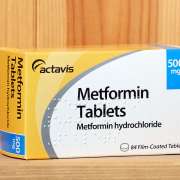
Metformin is one example of a pre-existing drug that may be helpful in mesothelioma treatment. Researchers have found that metformin, which was originally developed to control diabetes, can also help control the growth and spread (or metastasis) of mesothelioma cells. This is a very exciting and potentially ground-breaking development in understanding how mesothelioma cells work and how they can be most effectively combatted.

So, what is metformin, how does it work, and what does that have to do with mesothelioma? Read on for the full run-down.

What is Metformin?

Metformin is a type of medication referred to as a biguanide antihyperglycemic agent. It was initially developed to control blood sugar in people with type 2 diabetes. It also increases a hormonal secretion referred to as GDF15, which reduces appetite.

Metformin is a very well-established drug. It was discovered in the 1920s, was first used in human treatment in the 1950s, and was first FDA-approved for use in the US in 1995. It is sometimes sold under the brand names Glucophage and Glucophage XR but is widely available as an affordable generic.

Currently, metformin is the most widely prescribed oral medication for diabetes and is included in the WHO’s List of Essential Medicines. In 2020, it was the 3rd most prescribed medication in the U.S., with over 92 million prescriptions written at that time. As of 2022, it has been prescribed to over 120 million people around the world for the treatment of type 2 (insulin-resistant) diabetes.

One of the reasons metformin is so commonly used is because it is quite effective while having relatively limited side effects. There are some people who should not take metformin, like those with significant liver disease and some people with severe kidney problems, but it is generally safe to take for most people who may benefit from it.

While it is considered a first-line treatment for type 2 diabetes, metformin has also been studied for various ways that it may help treat other conditions. These include:

  • Polycystic Ovarian Syndrome (PCOS): Metformin is being trialed for use in PCOS treatment. Since PCOS and type 2 diabetes are often comorbid, researchers are looking into the use of Metformin to treat many PCOS-related symptoms, especially those that relate to insulin resistance, weight gain, and issues with fertility/live birth.
  • Gestational Diabetes: Metformin has shown promising short-term results as an effective and safe way to manage gestational diabetes, but long-term health outcomes are still being studied.
  • Weight Change and Antipsychotic Drugs: Because metformin is associated with weight loss (as it curbs appetite and prevents caloric absorption), it has been studied for use in patients who gain weight as a result of a medication—particularly antipsychotic medications like olanzapine and clozapine.
  • Heart Disease: Metformin is currently being studied for potential heart health benefits, and has been found to potentially reduce cardiovascular mortality and cardiovascular events in coronary artery disease (CAD) patients.
  • Cancer Prevention: Studies on people with type 2 diabetes have found that Metformin may be a protective factor against developing cancer
  • Alzheimer’s Disease: Metformin may help delay the onset or progression of Alzheimer’s disease. Some studies suggest that it may also be helpful as a protective factor, possibly reducing the risk of developing Alzheimer’s in the first place.
  • Aging Applications: Associated with research on metformin and Alzheimer’s, recent studies have examined indications that metformin may be helpful in extending lifespan and slowing the effects of aging. It is theorized that these effects may be achieved through similar mechanisms as the ones that make metformin an effective type 2 diabetes treatment (the regulation of insulin and caloric/glucose absorption).

How does Metformin Work?

Scientists do not yet completely understand how Metformin works on a molecular level. There are several potential molecular mechanisms that it may work with, which can be explored here.

When used to treat type 2 diabetes, metformin addresses resistance to a hormone called insulin, which impairs the body’s ability to process blood sugar in people with the condition.

Insulin is produced by the pancreas and sends signals that enable the body to use glucose (sugars found in many carbohydrates) for energy. After you eat, carbohydrates are broken down in the digestive tract, and the glucose created by that breakdown is absorbed into the bloodstream through the lining of the small intestine, causing blood sugar levels to rise. The pancreas then sends out insulin to signal to the body that it should absorb the glucose and use it for energy. If there’s too much glucose in the blood, insulin signals to the body to store the extra glucose in the liver, only to be released when glucose levels in the blood go down.

In people with type 1 diabetes, the body does not make enough insulin to do that job effectively. In people with type 2 diabetes, the body becomes resistant to insulin, which means that enough insulin is being produced, but the body does not respond properly to that insulin. In both cases, people with diabetes have difficulty converting the sugar (or glucose) from the food they eat into energy that the body can use and also have difficulty controlling their blood sugar levels.

This can lead to diabetics having high levels of blood glucose (i.e., high blood sugar) for longer than is healthy. High levels of blood sugar, when uncontrolled, can lead to health complications like kidney disease, eye damage, increased risk of heart disease, and nerve damage in the hands and feet (neuropathy), among other issues.

Metformin works for type 2 diabetics by doing several things in the body, including:

  1. Increasing the body’s sensitivity to insulin cells (lessening insulin resistance), which helps the body understand and appropriately respond to the signals sent out by insulin.
  2. Controlling the amount of sugar that is produced and held by the liver and released into the blood.
  3. Decreasing the absorption of sugar from food by the gastrointestinal tract, thereby reducing the amount of sugar that gets absorbed into the bloodstream generally
  4. Increasing peripheral glucose uptake and increasing fatty acid oxidization so as to enable the body to better utilize blood glucose for energy
  5. Reducing appetite and caloric intake.

What does this have to do with mesothelioma? Can Metformin treat mesothelioma?

Metformin has been studied for its potential ability to combat malignant mesothelioma. Previous studies and animal trials have established that metformin may help control the spread and growth of malignant mesothelioma cells and potentially extend the projected lifespan of mesothelioma patients.

A more recent study led by researchers at the University of Ferrara in Italy provided further insight into how metformin may be useful in mesothelioma treatment. The researchers hypothesized that the aggressive way that mesothelioma cells spread may be linked to a communication breakdown in an essential signaling protein in the body referred to as the Notch pathway, which leads to the uncontrolled proliferation, growth, and spread of malignant cells.

This communication breakdown is present in type 2 diabetes and is one of the main issues that prevents type 2 diabetics from appropriately responding to insulin. In type 2 diabetics, the signaling issues caused by Notch pathway malfunction are treated effectively by metformin. The study theorized that since metformin is effective in treating Notch-related cellular communication issues in type 2 diabetes, it may also be effective in treating the same sort of communication breakdown in malignant mesothelioma.

The researchers proceeded to test mesothelioma cells to see if they demonstrated key characteristics of Notch pathway communication problems. Encouragingly, testing revealed that malignant pleural mesothelioma cells did indeed have the characteristics of Notch pathway communication issues when compared with normal pleural cells. They then further tested their hypothesis to see whether metformin may be similarly effective in mesothelioma treatment as it is in type 2 diabetes treatment.

Their findings were very promising: metformin appeared to hamper the growth and proliferation of malignant pleural mesothelioma cells and reduce the amount of Notch activation (i.e., the communication issue related to the Notch pathway). It also appeared to enhance the apoptotic process (i.e., the process by which aging or harmful cells self-destruct to be replaced with healthy cells). In malignant mesothelioma cells, apoptosis is drastically reduced or stops altogether, which—combined with unchecked cell growth—is how tumors are formed.

Hampering the growth/proliferation of mesothelioma cells, reducing Notch-related communication problems, and promoting the apoptotic process in mesothelioma cells are all crucial areas of mesothelioma treatment, and metformin shows significant promise in being effective in these areas for a wide range of mesothelioma patients.

Is this a cure for mesothelioma?

The study’s authors were careful to state that they do not believe that metformin is a cure for mesothelioma—that is, it is not considered a treatment that would eliminate the presence of cancer cells in the body.

However, it is a very promising potential treatment for mesothelioma, which may significantly slow the progress and potentially prevent the further spread (metastasis) of malignant mesothelioma cells. This may significantly increase the lifespan and improve the prognoses of malignant pleural mesothelioma patients (and potentially all mesothelioma patients), providing a significant source of hope in the mesothelioma treatment landscape.

Metformin is especially promising as a treatment for mesothelioma due to its characteristics as a drug. It is very widely available, as it is so commonly prescribed for type 2 diabetes. It is available as a generic medication, meaning it is far less expensive than most cancer treatments and medications. It can be taken orally from the comfort of a patient’s home, and requires no travel, time commitments, hospitalization, or recovery time. It also has few to no side effects and may be helpful for patients with later stage mesothelioma, for whom other treatment options are limited.

While more studies are needed in order to test the efficacy of metformin in a wider range of mesothelioma patients, research up to this point has showed the exciting potential of metformin to potentially revolutionize mesothelioma treatment and improve the lives of mesothelioma patients and their loved ones.

Are you or a loved one concerned about secondary asbestos exposure and mesothelioma risk? Call us at 855-385-9532, locally 502-589-5600, or contact us online to arrange a free initial consultation with a Satterley & Kelley PLLC lawyer.

Attorney Paul Kelley Sworn in as President of the Kentucky Justice Association

Attorney Paul J. Kelley was sworn in as President of the Kentucky Justice Association in December 2022, for a one year term.

The Kentucky Justice Association (KJA) was founded in 1954, and is committed to educating Kentucky consumers about their rights and working to provide safer products and work environments. This statewide voice for consumers also seeks to protect the 7th Amendment right to a trial by jury and help any business or person see justice and hold wrongdoers accountable. Visit https://www.kentuckyjusticeassociation.org/ for more information.

Attorney Kelley has been practicing law in Kentucky since 2001, and was chosen as a 2021 and 2022 Super Lawyer. Paul represents injury victims in a wide range of cases, with a special focus on asbestos and mesothelioma cases.


Joint Compounds and Mesothelioma (Podcast)

Paul Kelley talks about asbestos exposure from joint compounds and other wall materials. He explains when exposures may have happened and who was likely to be exposed. Then, he outlines how to get help if you or a loved one has developed mesothelioma or lung cancer due to asbestos exposure.

John Maher: Hey, I’m John Maher. I’m here today with Paul Kelley. Paul is a partner with the Kentucky personal injury law firm, Satterley & Kelley, which has over 30 years of collective experience in handling cases involving mesothelioma and asbestos exposure. Today we’re talking about joint compounds and mesothelioma. Welcome, Paul.

Paul Kelley: Good morning, John. How are you?

What Are Joint Compounds?

John: Good, thanks. Paul, what are joint compounds?

Paul: Joint compounds were used to finish the seams between sections of drywall. I think a lot of people are probably familiar with drywall. If you’ve got a 10-foot-long wall, that’s not one continuous piece of drywall. Typically, it usually comes in three or four-foot segments.

They’d hang the drywall. They would take a tape material and the seams in between two pieces of drywall, they would use the tape in-between those two seams, and then eventually they would cover the seams with a joint compound. The joint compound was intended to create a smooth surface so that eventually when they put paint or wallpaper over it, it’d be completely smooth and there wouldn’t be any rough edges or anything like that.

John: Right. I think people who do this maybe call that mud, where they take a big trowel, and it’s sort of this almost pasty kind of material, and they take the trowel, and then spread it across the wallboard and then scrape it down with the trowel. That’s what we’re talking about, right?

Asbestos Exposure From Joint Compound

Paul: Absolutely. Typically, what would occur is the joint compound would come in a bag. It’d just be a powdery material. They’d pour the powder into a bucket, mix it with water, then stir it all up, and then it creates the mud. Then they do exactly what you said.

They take the trowel and rub it on the seam. They’d usually kind of rub it throughout the drywall material itself, and then they’d let it dry. Then when it dried, they would sand it, and then typically they’d put another coat on, and then they’d sand it again, and then hopefully, after that process, it’d be a completely smooth surface. It would be ready to put the paint on. All of those processes from mixing it to the application, the sanding in particular, created a lot of dust. To the extent that those joint compounds contain asbestos, that dust exposure would contain asbestos dust.

John: Right. Talk a little bit more about that and how joint compounds contain asbestos.

Paul: Back in the ’60s and ’70s, possibly even into the 1980s, joint compounds typically contained asbestos. Again, the material came in, usually, just a bag. A lot of people are probably familiar with concrete or cement. You’ve seen the bags that those sorts of things come in.

Joint compounds were very similar. They came in a bag. You would just ripped that bag open, dump it into a bucket, mix it with water, and then ultimately form the mud. But the joint compounds contained, and intentionally, the manufacturers of those products intended to put asbestos into the joint compounds. Usually, there would be a company that provided the asbestos that went into the joint compound, and then there was the company that mixed that asbestos into the joint compound, put it into the bag, sold it to the construction companies, and then the people that did that work were exposed in that way.

Why Was Asbestos in Joint Compounds?

John: What was the reason for putting asbestos into the joint compounds?

Paul: Well, that’s a good question. I’m not sure that there was a good reason for it, but I think the main reason was that it is a heat-resistant product. I think that it wasn’t the kind of thing that was going to stop somebody’s house from burning down, but it could certainly help slow down a little bit of the process and whatnot. But to be perfectly frank, I’ve been litigating these cases for over 20 years, and I don’t think there is a good justification for putting asbestos into joint compounds.

Asbestos Risk From Other Wall Materials

John: Did other parts of wallboard systems contain asbestos, like the drywall itself, or you mentioned that there’s tape that you put on the seams, as well? Did either of those contain asbestos?

Paul: In some circumstances, yes. There’s something called Sheetrock that was typically used in more industrial type settings. Obviously, people put drywall in their house. That drywall, residential drywall, typically did not contain asbestos, but Sheetrock in a manufacturing plant for many years absolutely did.

The tapes that were used in-between the segments, whether it was industrial or residential or some other process, usually, those tapes did contain asbestos, as well. Imagine the scenario where you’ve got sheetrock and asbestos tape and asbestos joint compound, and you’re sanding all those materials, people were getting exposure from all three of them, or in the residential setting, frequently they would get exposure from the tape and the joint compound, because I mean, now you’re sanding that material.

You’re creating a tremendous amount of friction in order to get the smooth surface. Then like I mentioned before, I mean frequently they would’ve to do that two or three times before they could actually put the paint on.

Who Was Exposed?

John: Right. Who was typically exposed to the asbestos and joint compounds?

Paul: I mean, typically, it was the drywall workers, carpenters, anybody involved in residential construction. But if we were to look at a classification of people, carpenters and drywall workers themselves were the ones that typically did that kind of work.

If somebody’s building a house, a residential home, they may not call themselves a drywall worker. They might call themselves a carpenter, but typically, somebody that’s specialized in that kind of work. There were a lot of people that specialized just in doing drywall work and the application of the joint compounds, but it could also be you or me. I mean, a lot of people built their own homes. A lot of people renovated their own homes.

Sometimes, if somebody built and renovated their own house in the 1970s, they probably were exposed during the initial application of the drywall and joint compounds. They were exposed again during the tear-out, and they were probably exposed the third time when they put it up again. I’m not one of those guys, but you and I both know the weekend warriors that are handy and aren’t going to pay somebody to do something they could do themselves. We see a lot of that.

You’d also see a lot of people involved in the demolition of homes and industrial settings, what I call laborers. They’re just people that had kind of the grunt work. We’re getting ready to tear this house out, and then we’re going to gut from the front door to the back door, everything, and tear all the walls out, tear the drywall and everything out. They’re being exposed. Sometimes, even the painters could be exposed if they’re nearby painting a wall when somebody was sanding in another area.

You’d get a lot of different crafts, but typically, the people that were the “drywall workers” were the ones that I think were most heavily exposed, and then, again, that would also include the mixing process. I mean, there was no light exposure when you’re dumping those materials into a bucket and then pouring the water in. Even pouring the water in would create a poof of dust that people would breathe during that process.

Do Wallboard Products Still Contain Asbestos?

John: Are there any wallboard products today that still use asbestos?

Paul: I certainly hope not. In the United States, I would find that hard to believe. To my knowledge, no one is manufacturing any wallboard or joint compounds that contain asbestos. However, I do believe that there are foreign manufacturers that still sell those materials, and sometimes those materials wind up in the United States.

I think it’s very important that if you do that kind of work to understand what material you are using. The beauty of 2022 is there’s the Internet. There are better labeling requirements. I think it’s important to look at the label. If the label doesn’t say asbestos, don’t take that label’s word for it. Conduct some research and make sure that you understand that product before you use it.

I would say that there’s a very, very high likelihood that those kinds of materials do not contain asbestos today, but I do think there is a chance that you could be unfortunate enough to purchase something that does. It’s not worth the risk, because the problem with asbestos diseases is it doesn’t cause you cancer today or tomorrow. It’ll cause you cancer 20 years from now. The best way that we can deal with it today is avoidance, protection, that sort of thing to try not to be exposed. There’s a lot of old houses that are still out there, and a lot of those old houses haven’t been renovated and still contain the original drywall, still contain the original mud that was applied. Somebody might go in and say, “I’m going to sand these walls again so I can apply a new coat of paint,” and stir up all that dust.

Be Cautious of Asbestos Risk During Renovations

John: Or break through a wall to put on an addition or something like that.

Paul: That’s right.

John: They’re picking right through the wallboard and creating all that dust, too. Yeah, anybody who’s dealing with that sort of thing, doing construction or demolition, would have to be careful about that.

Paul: That’s right. If it’s an industrial setting, it might not just be the joint compound. It might be the Sheetrock. It’s important to have a good understanding of what it is that you’re working with. My advice to folks is always avoid it if at all possible.

I understand the reality of the situation though, that sometimes people have a job to do. Then they can’t fully avoid it, so now you have to protect yourself. You have to make sure that your employer protects yourself if you’re working for somebody. If you’re working for yourself, you need to protect yourself. That’s not an easy thing to do. Paper masks don’t do it. Respirators, cartridge respirators, fresh air respirators, I mean, those are the best methods. Protective clothing and that sort of thing are really the only good methods.

But in today’s day and age, new stuff more than likely isn’t going to contain asbestos, but there is absolutely no question that it could and there’s no question that old existing materials could absolutely contain asbestos. Just going in, taking a sledgehammer to it, knocking it out and taking no other safeguards, it could have disastrous consequences 20 years down the road.

I don’t want to have to represent somebody 20 years from now. I mean, I’ll do it today, because we know what the horror and reality of the situation was back in the ’50s, ’60s, ’70s and even into the 2000s. People just didn’t know, and so we’re still seeing cases today from exposures many years ago. I will continue to do so, but I sincerely hope that people aren’t going to get exposed today and that my services or someone like me, services aren’t necessary 20, 30 years down the road. Unfortunately, I think the reality of it is that these cases will be filed for another 40, 50 years.

Contact Satterley & Kelley

John: Yeah, wow. Well, that’s really great information, Paul. Thanks again for speaking with me today.

Paul: No problem, John. Thank you.

John: For more information about mesothelioma and asbestos exposure, visit the law firm of Satterley & Kelley at satterleylaw.com or call (855) 385-9532.

Explore More Podcasts
Legal Process and Lawsuits:
Corporate Responsibility and Bankruptcy:
Specific Companies and Industries:
Health and Treatment:
Industry and Product Exposures:
Accidents and Injuries: