
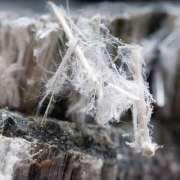
How Asbestosis Can Affect You and What You Can Do About It

Asbestosis is a lung disease caused by inhaling too many asbestos fibers. The result is lung fibrosis (scarring), which makes it difficult to breathe. There’s no cure, but treatments can help manage your symptoms. You need to have fairly heavy past asbestos exposure to develop this condition.

What is Asbestos?

Asbestos is the term for six types of mineral fibers that were widely used in thousands of products for centuries. These fibers are extremely light, strong, and durable. They’re also heat, fire, chemical, electricity, and corrosion-resistant, making them attractive to use in many products.

Why is Asbestos Hazardous?

Asbestos fibers are microscopic and float easily through the air. Fibers can become airborne when an asbestos-containing product is used, installed, sanded, cut, torn, struck, removed, replaced, or it just ages and deteriorates.

If fibers are inhaled or swallowed, they can slice into or penetrate tissue cells. The immune system tries to remove or destroy them, but immune cells fail and are destroyed, causing inflammation and scarring. This can impair the tissues’ ability to function, and over decades, cellular changes can result in several cancers, including lung cancer and mesothelioma.

What is Asbestosis?

Asbestosis is a lung disease caused by scarring and inflammation caused by the presence of asbestos fibers, according to the Cleveland Clinic. They can cause fibrosis (lung tissue thickening and scarring), which hardens or toughens lung tissue, making it difficult to expand.

This inhibits lung function, resulting in many potential problems, including coughing, fatigue, and the inability to breathe fully and “catch your breath.” Asbestosis can cause life-threatening complications and increases your risk of lung cancer.

The longer and more intense your asbestos exposure, the higher your risk of developing asbestosis.

What are Asbestosis Symptoms?

Symptoms depend on the condition’s severity and may not present for 20 to 30 years after your asbestos exposure. The lung scarring typically worsens slowly, so you may not notice what’s happening right away.

The first symptom is often breathing trouble or shortness of breath, especially if you’re physically exerting yourself. Other symptoms may include:

These symptoms depend on the individual and other medical conditions they may have at the same time.

How is Asbestosis Treated?

Treatment is meant to manage your symptoms, preserve your lung function, and slow the condition’s progress. It can’t reverse the damage asbestos did to your lungs. Treatment depends on the disease’s severity and other factors. It might include the following:

  • Oxygen therapy: Getting extra oxygen through a mask or tube in your nostrils should help you breathe better
  • Pulmonary rehabilitation: Behavioral changes and exercise may improve your quality of life
  • Lung transplant surgery: Having a healthier lung can relieve your symptoms and prolong your life, but you will need to address medical issues that can arise from organ transplants
  • Medication: “Anti-fibrotics” can slow your lung scarring but can’t heal it

Before deciding what treatment to use, you’ll need to discuss your goals and priorities with your physician, along with the risks and benefits of each approach.

What are Complications Associated with Asbestosis?

Complications of asbestosis may be life-threatening and include:

  • Lung cancer: People who have asbestosis and smoked cigarettes in the past have an increased risk of lung cancer
  • Mesothelioma: Cancer forming in the lining of your abdomen, chest, or lungs.
  • Respiratory failure: Your lungs don’t function normally, so you can’t get enough oxygen in your blood, so carbon dioxide builds up in your body
  • Right-sided heart failure: Your heart’s right side stops working correctly

If you’re under a doctor’s care, you may be able to prevent these issues from happening or reduce their severity.

Call Us Today for A Free Consultation

If you have asbestosis or another asbestos-related condition, you may be entitled to compensation. To discuss your situation and how Satterley & Kelley, PLLC can help, call our Louisville office toll-free at 855-385-9532 or complete our contact form to schedule a free initial consultation.

Safety Epidemic for US Commercial Trucks, Says App Maker

A commercial truck is a rolling liability waiting to happen. Computer apps are trying to limit those liabilities by making driving safer and owning these trucks less expensive. One app supplier, Motive, has come up with a list of the country’s most dangerous roads based on the data collected from the last six months of 2023 through the first six months of this year.

Every year since 2021, more than 40,000 people have been killed in traffic accidents. Last year’s 40,990 death toll was the lowest in those three years, according to the Commercial Carrier Journal. But that’s 8,000 more fatalities in the same time frame ten years ago.

Motive’s conclusions are based on data from the more than 1.3 million commercial drivers using the Motive app and information about more than 45 million crashes in the US from July 2023 to July 2024.

The report was recently released at an industry conference where Motive’s chief customer officer, Ryan Plutnicki, stated, “There is a safety epidemic on our highways right now.”

Where and When Commercial Truck Accidents Happen

There are an average of 84 commercial vehicle accidents per 10,000 vehicles on US roads monthly or one crash for every 120 vehicles. Most of them happen on weekdays between 4:00 and 6:00 p.m. During “afternoon drive,” many vehicles move slower in congested traffic, so hopefully, the damage and injuries are limited.  

Many of these accidents happen in parking lots. “We’ve never had as many truck stop accidents as we’ve had the last two years,” PGT Trucking President Gregg Troian stated at the conference. When commercial trucks speed up, collision rates are highest at 60 mph. 

Motive users are involved in about 1,000 collisions monthly, stated Abhishek Gupta, Motive’s vice president of product management. More than half of their fatal accidents (54%) involve large commercial trucks in rural areas. 

Motive estimates that the most dangerous roads for commercial trucks and those driving near them are Highway 41 (Tamiami Trail) and Highway 997 near Tamiami and Kendall West, Florida. There are between 69.3 and 76.2 crashes for every 1,000 vehicles in this area. That’s more than twice the accident rate of what’s next on the list: Highway 285 and Highway 123 near Pecos, Texas (32.17 collisions per 1,000 vehicles).

The report also analyzed the dangers in six major US metropolitan areas: Chicago, Boston, Detroit, Los Angeles, Philadelphia, and Nashville. Los Angeles (11.5 per thousand vehicles on the road) and Detroit (6.5) had the worst monthly collision rates. The areas near or adjoining major airports had the most collisions in all these cities but Detroit.

Motive estimates the most dangerous intersection in these cities was the I-75 and I-375 connection in Detroit, with nearly two crashes weekly. That’s more than four times higher than the next most dangerous area, Nashville’s I-40 and I-24 intersection (1.5 accidents monthly). 

Commercial Trucks and Holiday Driving Hazards

We’re approaching the end of the year, which means three major holidays are coming up: Thanksgiving, Christmas, and New Year’s Day. Along with them come increased traffic and the potential for wet, snowy, and icy weather that can make roads a slippery, hazardous mess.

Motive states that commercial vehicle accidents increase during the holidays. Crash rates go up 32% on Christmas Day compared to the rest of December. Speeding events go up 10% the week before.

Hours-of-service violations peak at Christmas and drop during the two weeks after. Motive found the following:

  • For last year’s major holidays, Christmas has the highest accident rate (54.1), with New Year’s Day (43.9) and Thanksgiving (38.9) next
  • Motive blames winter weather conditions. Almost two-thirds (65.5%) of crashes happened when roads were wet or snowy. Nearly half (47%) of all accidents took place after dark, though there are more vehicles on the streets during the day
  • Contributing factors could also be what Motive pointed out: Drivers could be distracted and tired because they’re driving more hours than they should and faster than the speed limit or at least too fast for conditions

When you drive, be especially careful when it’s dark, the weather is terrible, and commercial trucks are nearby. An ounce of prevention is worth a ton if you avoid an accident with a truck.

Speak To a Kentucky Truck Accident Attorney Today

If you are injured in an accident with a commercial truck in Kentucky, Satterley & Kelley PLLC can get you the compensation you deserve. Put boots on the ground with our help.

You can schedule a free initial consultation at our Louisville office by calling 855-385-9532 or completing our contact form today.

That Snow You See in Older Movies May Have Been Asbestos

Looking at it now, knowing the death and disease that asbestos causes, you may cringe at the sight of actors and actresses performing on sets with asbestos fibers raining down on them. But for a time, given how cheap and available asbestos was for a time, it shouldn’t come as a surprise. Some of these movies are Christmas classics, but the health risks you see on the screen shouldn’t leave you feeling merry.

In the early glory days of movies, filmmakers used what they could find as special effects, according to Movieweb. Many films were shot in studios in warm and sunny Hollywood, California, so there was no snow to be found. As long as something was white and fluffy enough, it could be used as snow, including the following:

  • Salt
  • Sugar
  • Flour
  • Soap flakes
  • Cornflakes painted white
  • Marble dust and
  • Asbestos

Asbestos, the naturally occurring, fibrous mineral used in thousands of products over centuries, causes many fatal medical conditions, including lung cancer and mesothelioma. Though the asbestos industry was aware of asbestos’ dangers, they weren’t widely known when these movies were made.

Here are some movies that featured asbestos in some of their scenes.

1. White Christmas

    This holiday musical starring Bing Crosby was released in 1954. It features a scene with the top-selling musical single of all time, which shares the same title as the movie. The film has the classic Hollywood sugar coating of a plot: the Broadway star Bob (Crosby), an aspiring performer named Phil, and the sister act of Betty and Judy try to save an old inn. The movie features music written by Irving Berlin.

    Not so sweet was using chrysolite asbestos as snow in the scenes calling for frosty white stuff on the screen. The actors and those on the set didn’t enjoy a peaceful snowfall. It was clouds of asbestos fibers. It may have poisoned an unknown number of those working on the set, but it didn’t melt.

    2. Holiday Inn

    This musical, also starring Crosby and featuring the song “White Christmas,” was released in 1942. The film’s central character, Jim Hardy (Crosby), is a heartbroken singer who turns his farm into the Holiday Inn, a Christmas-only entertainment venue.

    Chrysotile asbestos is featured in the movie’s many snowy scenes. That “White Christmas” Crosby sings about during Holiday Inn gets that color from cancer-causing asbestos.

    3. Citizen Kane

    Considered one of the best movies of all time, this 1941 drama stars Orson Welles in his first feature film. Citizen Kane is about reporters seeking to discover the meaning of publishing mogul Charles Foster Kane’s last word before his death (“Rosebud”). At the movie’s end, it’s revealed that was the name of Kane’s childhood sled. The film features asbestos “snow” (including a scene with a child actor).

    4. It’s A Wonderful Life

    It’s another asbestos-containing Christmas classic. It’s A Wonderful Life is about George Bailey (James Stewart), who considers suicide on Christmas Eve but is convinced otherwise by George, his guardian angel.

    It was shot with chrysotile asbestos on the set to create a snowy background, but it wasn’t sprinkled on the actors to recreate snowfall. The snow falling in the movie is a mixture of Foamite (a substance in fire extinguishers), sugar, soap, and water.

    5. Wizard of Oz

    This was the first major color film, becoming part of American culture. It’s the basis of the widely popular book and play Wicked, which has been made into two major movies.

    This 1939 fantasy musical follows Dorothy Gale as she travels with the Scarecrow, the Tin Man, and the Cowardly Lion to find the Wizard of Oz so she can return home to Kansas. Along the way, they battle the Wicked Witch of the West and her nightmare-inducing flying monkeys as they cross the land of Oz.

    In addition to little sleep, heavy costumes, being set on fire, and sprayed in the face with aluminum-based makeup, the cast was exposed to pure asbestos fibers. In one scene, Dorothy and friends wake up in a poppy field covered in what looks like snow. Behind the scene, asbestos fibers were dumped on them.

    6. Goldfinger

    This more recent movie, the third of 27 James Bond films, was released in 1964. The movie had no carcinogenic snow (it’s set in Hong Kong), but asbestos-containing special effects boards were used, and asbestos covered pipes lined the set. A painter who worked on the film died of asbestos-related cancer, according to Asbestos Surveys. In 2007, his widow sued the studio because of his death. 

    Call Us Today for A Free Consultation

    All these movies are fictional, but it’s a fact that asbestos fibers can injure and kill those exposed to them. If you have an asbestos-related disease, you may be entitled to compensation.

    To discuss your situation and how Satterley & Kelley, PLLC can help, call our Louisville office toll-free at 855-385-9532 or complete our contact form to schedule a free initial consultation.
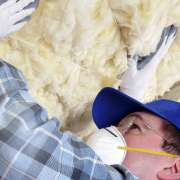
    $75 Million to Be Spent to Remove Asbestos and Others Toxins from Pennsylvania Schools

    Pennsylvania Gov. Josh Shapiro discussed a grant program that provided $75 million in state funds to charter schools, public school districts, and career and technical education centers to pay for environmental clean-ups, including asbestos abatement.

    The goal is to provide students with lead-free water and air that’s mold and asbestos-free in buildings. Shapiro announced in September, stating, “Our kids deserve to learn in world-class facilities that are safe and healthy.”

    The Public School Environmental Repairs Program grants cover mold and asbestos remediation, improved water infrastructure, and the installation of machinery to reduce lead exposure. More than a hundred districts, schools, and education centers received funding.

    Schools Burdened With Decades’ Old Asbestos Products Need Help

    The School District of Philadelphia received the maximum grant of more than $7.8 million. The city’s Frankford High School closed last year after damaged asbestos was discovered. Building repairs cost the district $20 million to get the facility in shape to safely reopen. The district estimates it needs about $7 billion for all its capital needs.

    Last year, a judge ruled that Pennsylvania’s school funding system, primarily based on local property taxes, is unconstitutional because it denies students in low-property-value and income districts the same resources and opportunities as those in wealthier districts.

    Philadelphia has the highest poverty rate of the country’s ten largest cities, according to WHYY. Those most exposed to asbestos are those in low and middle-income communities, so it should be no surprise the city has problems with asbestos in its schools.

    Many school districts in Pennsylvania and across the US have buildings that were beautiful and fully functional (if filled with asbestos) after their construction decades ago, but they have fallen into disrepair.

    Some of them still have deteriorating asbestos-containing products that release cancer-causing asbestos fibers. Financial help from outside districts is often required to replace leaky roofs that lead to mold, remove lead and asbestos from schools.

    Call Us Today For A Free Consultation

    If you have an asbestos-related illness, including mesothelioma, you may be entitled to compensation. To discuss your situation and how Satterley & Kelley, PLLC can help, call our Louisville office toll-free at 855-385-9532. You may also complete our contact form for a free initial consultation.