

How Do I Collect Compensation From a Trust Fund?

Asbestos injury victims may obtain compensation from funds from former suppliers and asbestos-containing product manufacturers. Filing a claim should be a faster and simpler approach than filing a lawsuit against a company that’s still in business, though the recovery will probably be smaller.

What is an Asbestos Trust Fund?

A mesothelioma, asbestos, or asbestos bankruptcy trust fund is a pool of money to compensate asbestos injury victims. They started after a change to the US Bankruptcy Code passed Congress in 1994.

Bankruptcy is a legal process where a company with more liabilities and debts than assets can seek protection. Most companies in the US that were part of the asbestos industry have gone through bankruptcy. They either shut down or re-formed into a different business.

To get court approval for protection from creditors and lawsuit plaintiffs, these companies put money into funds that compensate people injured by their products. These trusts take claims, evaluate them, and offer payments they believe are reasonable.

What Information Must Be Provided With a Claim?

To file a claim, you must provide documented proof that you:

  • Were exposed to asbestos from products made by the company that created the trust fund
  • Have an asbestos-related diagnosis such as mesothelioma, lung cancer, or asbestosis

Requirements vary. Families of victims who died of asbestos-related conditions may also qualify for trust fund compensation.

What is the Claims Process?

It varies depending on the trust fund, but generally, there’s a four-step process:

  • Claim filing: You gather information, documents, and evidence relevant to your claim. That includes how you were exposed, your work history, and disease details 
  • Trustee claim review: A trustee (a person responsible for managing the trust and claims against it), not a judge, reviews your claim and makes factual determinations. Your claim can be expedited and grouped with similar claims. They’re assigned a payment based on general information. This is a faster but potentially lower-paying route than an individual review
  • Claim liquidation: If a claim is validated, the payment amount is determined. It may be predetermined based on your diagnosis, or it may be subject to negotiation. It’s then reduced by the payment percentage.
  • Payment: You would have a given time, usually 30 days, to accept or reject the payment

As part of bankruptcy proceedings, the trust created rules by which it would operate. Satterley & Kelley, PLLC ensures the trust fund is handling our clients’ claims properly to give them the greatest chances of success.

How Do Asbestos Trust Funds Determine Payments?

Each trust fund uses a “schedule” based on the disease diagnosis and a set payment percentage. Based on this percentage, you would receive a portion of your claim’s value. If the value is $100,000 and the payment percentage is 20%, the trust fund would pay you $20,000.

You won’t be fully paid because the trust fund must have resources to pay future claims filed by others. Some trusts are underfunded and may stop or cut payments to prevent running out of money. 

Depending on how many different types and brands of asbestos products you were exposed to, you may file claims with all the trust funds responsible for each product.

How Much Do Asbestos Trust Funds Pay?

It varies on the trust fund, the extent of your illness, and the fund’s payment percentage. Mesothelioma victims may obtain in the low six figures or more if they file claims with multiple trust funds.

This money may:

  • Pay for treatment and related costs
  • Replace lost current and future earnings
  • Provide some financial security for claimants and their families

How you spend the money will be up to you.

Can I File a Claim With an Asbestos Trust Fund and File a Lawsuit?

Yes, with limits. You can’t sue a manufacturer that received bankruptcy protection and created a trust fund. Though there aren’t many, you could sue a company that hasn’t undergone bankruptcy proceedings and doesn’t have such a fund for claimants. We can discuss the best approach to getting maximum compensation in your situation.

Get Help If You Have Been Diagnosed with Mesothelioma

If you have been diagnosed with mesothelioma or another asbestos-related disease, focus on your medical care and quality of life while we focus on your legal rights. People who contracted severe and fatal illnesses due to asbestos exposure may be entitled to compensation. To get help, contact us at Satterley & Kelley, PLLC today.

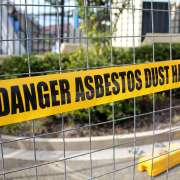
Asbestos Trust Fund FAQ

Most companies involved in the asbestos industry have gone through bankruptcy protection. They either re-formed into a new business or shut down. Trust funds were created during bankruptcy to set aside a company’s assets to compensate people injured by their asbestos-containing products.

Satterley & Kelley, PLLC, has filed many asbestos trust fund claims for clients sickened with asbestos-related diseases. Families of those killed by these conditions can also file compensation claims. You can learn more by calling us at 855-385-9532.

What is an Asbestos Trust Fund?

An asbestos trust fund is a financial mechanism created to compensate individuals harmed by asbestos exposure. They’re a response to the massive number of lawsuits filed against makers and sellers of asbestos-containing products. The financial drain caused bankruptcies and drove many companies out of business.

What is Bankruptcy?

Bankruptcy is based on federal laws. They protect companies and individuals when their debts and obligations (including lawsuits) can’t be met. The company informs the court and those owed money of their plan to pay what they can and either close the business or continue to operate.

What is Asbestos?

Asbestos is a naturally occurring mineral fiber composed of fine, durable, heat, fire, electricity, and chemical-resistant fibers. Asbestos was widely used in various industries for centuries, often because it’s an effective insulator and was considered a way to fire-proof structures.

Why is Asbestos Hazardous?

Asbestos fibers are microscopic and extremely lightweight. If an asbestos-containing product is broken up or crushed, it may release fibers into the air, where anyone in the area may swallow or inhale them.

These fibers can lodge into body tissue virtually anywhere in the respiratory and digestive systems and beyond. After they get stuck, the body’s immune response is to send white cells to try to destroy them. They fail because the fibers are so strong, durable, and inert. Scarring and inflammation occur, which over decades can lead to different cancer types, including mesotheliomas.

The Environmental Working Group estimates that between 12,000 to 15,000 Americans die asbestos-related deaths annually.

Why Were Asbestos Trust Funds Created?

The parties in bankruptcies usually negotiate an approach acceptable to everyone. If there are disagreements, the issue can be litigated. When ordered or approved by the judge, the plan goes into action. Asbestos-related companies didn’t create and provide assets to these funds out of the goodness of their hearts. It was a way to earn court approval of their bankruptcy plans.

How Do Asbestos Trust Funds Operate?

An asbestos trust fund may work as follows:

  • Creation and Funding: The company sets up a trust fund due to bankruptcy proceedings. Trustees run the fund, not the company, to benefit asbestos victims. The company contributes money, assets, and sometimes insurance policies. This provides compensation to eligible claimants now and in the future
  • Claims Process: Each trust fund has its claim criteria and procedures. Claimants must provide evidence of their asbestos exposure, resulting illness, and proof that the company’s asbestos-containing products caused it. The trust fund’s administrators review this evidence
  • Evaluation and Compensation: The trust fund administrators determine the compensation amount based on their guidelines after evaluating the claim. They often consider illness severity, the claimant’s level of exposure, and other factors, including the fact they will only compensate for a certain percentage of a person’s total losses
  • Compensation Payments: Once the claim is approved, the trust fund disburses compensation to the claimant. The amount can vary depending on the trust fund and the claimant’s circumstances

Each fund has its own set of rules, and the bankruptcy courts supervise them. Part of Satterley & Kelley’s job is ensuring the fund follows these rules and doesn’t shortchange our clients.

What are an Asbestos Trust Fund’s Goals?

Asbestos trust funds serve several purposes:

  • Efficiency: Trust funds streamline the compensation process, making it quicker and more efficient for victims to receive compensation compared to lengthy litigation
  • Preservation of Assets: By setting up trust funds specifically for compensating victims, a company’s not financially wiped out by asbestos claims, which would leave future victims without any compensation
  • Fair Distribution: Trust funds aim to ensure fair compensation for eligible claimants, as the available funds are distributed based on established criteria rather than on a first-come, first-served basis

Thanks to bankruptcy plan negotiations and court oversight, the plan’s goals are a mix of protections for the company and victims of asbestos-related diseases.

Can I Sue a Company That Created an Asbestos Trust Fund?

No. It either no longer exists or is shielded from further lawsuits because of court approval of the bankruptcy plan. If a trust fund isn’t following its rules or the law, that could be brought up with the bankruptcy court overseeing it.

What are the Pros and Cons of Asbestos Trust Funds for Those Injured by Asbestos?

The main ones are:

  • The process should be far simpler and faster than litigating a lawsuit against a company. You may get compensation in months instead of potentially many years, assuming the lawsuit’s successful
  • What you obtain may be far less than a successful lawsuit, but you’re not dealing with the delay and stress of litigation. Trust funds will compensate you for only part of all the harm you suffered. But given the number of legal claims, something is better than nothing

Given bankruptcy laws and how courts enforce them, asbestos victims have limited options if a company has bankruptcy protection. Claimants have to do the best they can with what they have. 

Why Should You Retain Satterley & Kelley, PLLC to Represent You in a Claim with a Trust Fund?

If you’re diagnosed with mesothelioma, you may be entitled to compensation for what you’ve endured. This includes physical and mental pain and suffering, financial costs, medical bills, and how the disease impacts your relationships.

You need a law firm with experience representing victims taking legal action against the asbestos industry. Satterley & Kelley, PLLC attorneys have helped asbestos victims for more than 20 years, including hundreds of claims involving trust funds.

We have relationships with the best experts in the world to help us prove that asbestos caused your injury and the physical, emotional, psychological, and financial harm you suffered.

Call Us Today for a Free Consultation

Satterley & Kelley, PLLC, attorneys are your boots on the ground if you or someone you love in Kentucky suffers from mesothelioma or an asbestos-related illness. To schedule a free initial consultation, call our Louisville office at 855-385-9532 or complete our contact form.

Understanding the Dangers of Asbestos FAQ

Asbestos, used in thousands of products for centuries, is a silent and deadly menace. This FAQ sheds light on its dangers, health impacts, and how to protect yourself and your loved ones from its harmful effects.

What is Asbestos, and Why Was It Used?

Asbestos is a naturally occurring mineral fiber prized for its fire resistance, as insulation, and for its light weight and tensile strength. It was extensively used for decades in various industries, including construction, automotive, and manufacturing. Thanks to its unique properties, asbestos was added to countless products, from building materials to brake pads.

What Makes Asbestos Dangerous?

Asbestos fibers are microscopic and easily airborne. When inhaled, these fibers can be inhaled and become lodged in the lungs. If swallowed, they may make their way into the digestive system. This leads to severe health problems over time.

What are the Health Risks of Asbestos Exposure?

Asbestos fiber exposure can lead to a range of severe health issues, including:

  • Asbestosis: A chronic lung condition due to lung tissue scarring caused by prolonged asbestos exposure, leading to breathing difficulties
  • Lung Cancer: Asbestos exposure increases the chances of lung cancer, particularly in smokers or individuals with prolonged exposure
  • Mesothelioma: An aggressive and rare cancer affecting the lining of the lungs, heart, abdomen, chest, and abdominal cavities. Asbestos causes mesothelioma.
  • Other Cancers: Asbestos exposure is also linked to cancers of the larynx, ovaries, and other organs

Depending on the issue and when it was diagnosed, treatment may extend and improve your life, but many asbestos-related diseases are fatal.

Who’s at Risk of Asbestos Exposure?

Workers in specific industries, such as construction, shipbuilding, the steel industry, power plant operation, maintenance workers, and vehicle mechanics are particularly vulnerable to asbestos-related disease due to the widespread use of asbestos-containing materials. Additionally, those who lived with asbestos workers or individuals residing in older buildings with asbestos-based insulation or materials are also at risk.

Can Short-Term Exposure Be Harmful?

Short-term asbestos exposure can have long-term consequences. There’s no known safe asbestos exposure amount. Though rare, relatively light asbestos exposure could lead to mesothelioma decades later.

How Can I Protect Myself and My Family from Asbestos Exposure?

There are a few asbestos-containing products still sold in the US. Most were largely regulated off the market starting in the late 1970s. You may be exposed to a new product with asbestos or one installed many decades ago.

  • Identify: If you live in an older home or work in an industry at risk of asbestos exposure, identify any asbestos-containing materials and have them properly inspected by professionals
  • Professional Removal: If asbestos-containing materials are found, hire trained professionals to remove and dispose of them safely
  • Precautions: If you’re involved in activities that might disturb asbestos-containing materials and fibers are released into the air, take appropriate precautions like using protective gear and sealing off the affected areas

Older asbestos products will likely fall apart, so even the lightest touch could send asbestos fibers into the air.

How Can I Know If I’m Exposed to Asbestos?

Asbestos was so commonly used that unless you’re relatively young, you’ve probably been exposed to asbestos and have some fibers in your body. If you suspect you’ve been exposed to high levels, especially if you’ve worked in an at-risk industry, consult a healthcare professional. Regular medical check-ups and informing your doctor about your exposure history can help catch potential health issues early.

What Should I Do If I’m Diagnosed with an Asbestos-Related Disease?

Consult with a medical specialist experienced in treating such conditions. You should also call Satterley & Kelley, PLLC, to learn about your rights to compensation and how they can be protected.

Can I Sue for Compensation for My Asbestos-Related Health Issues?

If your asbestos exposure and related disease can be documented, you may obtain compensation for the financial and physical harm you suffer. Family members of those killed by asbestos-related disease may also have grounds to seek compensation.

Depending on which companies were involved in making and selling the products causing your exposure, you may be able to file a legal action or a claim against a trust fund set up by a business that’s gone bankrupt. 

Get Help Today

When dealing with an asbestos-related lawsuit or trust fund claim, you need an experienced attorney in your corner, and that’s what we can provide. At Satterley & Kelley, PLLC, we have decades of experience with asbestos litigation. To get help, contact us at 855-385-9532 today to schedule a free consultation.

Mesothelioma and Cancer Treatment Centers

Here’s what you and your family should know about cancer treatment centers for mesothelioma patients.

What is a cancer treatment center?

Cancer treatment centers (sometimes known as CTCs) are dedicated facilities for cancer treatment and care. Some are independent, while others are associated with a larger hospital or university. While many local and community hospitals do provide basic cancer services, sometimes including tumor removal surgery, radiation, chemotherapy, and palliative care, CTCs are exclusively focused on cancer care, sometimes specializing in one or several types of cancer.

CTCs take a collaborative approach to cancer treatment. Care is provided by multidisciplinary teams that develop treatment plans based on the needs of each patient, informed by the latest research. Most CTCs offer many different elements of cancer care, and treatment teams may consist of:

  • Oncologists, Specialists, and Surgeons
  • Radiation Therapists
  • Pathologists
  • Oncology nurses
  • Physical therapists
  • Pain management specialists
  • Nutritionists
  • Psychiatrists, psychologists, and counselors
  • Social workers
  • Insurance specialists
  • Cancer navigators and patient advocates
  • Family support specialists and support group facilitators

CTCs employ specialists and top minds in oncology and are often involved in wider research and clinical studies. They have access to the latest information and most cutting-edge technology and treatments, allowing them to develop and execute the most effective therapies available for each patient. They also have advanced diagnostic testing and pathology centers, which can be crucial when seeking second opinions and when charting the course of treatment—especially when it comes to treatments like targeted gene therapy, in which diagnostics are used to map out your genes and establish which type of treatment will work best for you.

Most cancer treatment centers offer both inpatient and outpatient treatment—that is, treatment while staying at the hospital, and treatment during day appointments. Your care team can help you decide whether inpatient or outpatient treatment is right for you.

Are there different types of cancer treatment centers?

Each cancer treatment center differs somewhat, offering different services and specialties with unique pros and cons. It is important to read reviews, look at national rankings, and consider the offerings of each CTC carefully.

One important differentiation is made by the National Cancer Institute (NCI), one of the definitive leaders on cancer in the U.S. The NCI lists 72 CCC’s in 36 states and the District of Columbia as NCI-Designated Cancer Centers. They are quality-assured, monitored, and funded in part by the NCI, which further divides them into three sub-categories:

  1. Basic Laboratory Cancer Centers: These 7 centers are primarily research-focused and do not generally offer treatment outside of clinical trials.
  2. Cancer Centers: These 11 centers have established themselves in terms of scientific leadership, resources, and extensive research accomplishments. They each deliver cutting-edge cancer treatments to patients in addition to clinical trials and research.
  3. Comprehensive Cancer Centers: The 54 centers with this designation meet all of the qualifications for cancer centers, with the additional qualification of meeting the highest standards for leadership and resources, as well as even more ground-breaking multidisciplinary research. They tend to have strong patient support programs, amenities, and educational efforts.

Why should a mesothelioma patient consider a cancer center?

It is possible to receive quality cancer treatment outside of a cancer treatment center. However, when it comes to a rare cancer like mesothelioma, patients may benefit significantly from treatment at a cancer center in a number of ways.

  • Experienced specialists to tailor treatment: While many community hospitals have oncologists on-staff, and perhaps even lung cancer specialists, mesothelioma patients need to be treated by mesothelioma specialists, who have the knowledge and experience to accurately treat such a rare condition. Most mesothelioma experts work with or for cancer treatment centers, and most cutting-edge mesothelioma research happens in conjunction with these centers. Working with an experienced mesothelioma oncologist, as well as a mesothelioma-educated care team, gives mesothelioma patients the best chance at a good outcome, and may extend survival. It is important to seek out a mesothelioma cancer center that has experience treating your exact type of mesothelioma (i.e., pleural mesothelioma, peritoneal mesothelioma, etc.), including cell type (i.e., epithelioid, sarcomatoid, biphasic), and staging (i.e., Stage 0-IV; primary tumors with the same size and extent as yours, with the same type of metastasis or spread, etc.).
  • Accurate diagnostics and second opinions: When it comes to any cancer diagnosis, second opinions and accurate diagnostics are critical. This is especially true for mesothelioma, which has a long latency period and is difficult to diagnose, making misdiagnosis or mis-staging of mesothelioma very common. Cancer treatment centers have the most accurate diagnostic and pathology centers for mesothelioma patients, and have the experience, skill, and resources to use that information most effectively in developing each patient’s mesothelioma treatment plan.
  • Cutting-edge treatments: While community hospitals may offer certain basic cancer treatments for mesothelioma (i.e., radiation, chemotherapy, tumor removal surgery, and some palliative care), the more advanced and experimental treatments are usually performed exclusively at mesothelioma treatment centers. Some of these treatments, like immunotherapy, targeted gene therapy, intraoperative photodynamic therapy, pleurectomy/decortication (P/T), stem cell treatment, and HIPEC/Cytoreduction, have been game-changers for many mesothelioma patients.  
  • Clinical trials: Another crucial benefit of cancer treatment centers is access to mesothelioma clinical trials. These trials offer emerging and otherwise inaccessible treatments to mesothelioma patients, which may significantly improve their outcomes overall. Patients participating in clinical trials often have better outcomes than patients who don’t, regardless of whether they get the treatment or a placebo. While patients do not necessarily have to be enrolled in a cancer treatment center to participate in clinical studies, a mesothelioma specialist is better equipped to identify the right clinical trials for you. Many cancer treatment centers also have support specialists that connect patients with trials.
  • Essential services and continuum of care: Cancer treatment centers offer a proverbial “one-stop-shop” for mesothelioma treatment and care needs. Outside of cancer centers, patients may have to go to several unconnected or loosely affiliated providers, who may not be able to work together fluidly. Cancer treatment centers, on the other hand, offer many if not all of the various elements of mesothelioma care in one place. This ensures that mesothelioma patients continue to receive treatment from the same specialized team, in a way that considers their best interests far more consistently and continually than more decentralized care. Outside of treatment and related care, mesothelioma treatment centers offer services like nutrition, physical therapy, and emotional/psychological counseling, as well as support from patient advocates, social workers, and financial/insurance navigators. Since patients often travel long distances to get treatment, many centers also work with families to arrange accommodations, and offer community resources like support groups and mental health services.

Are you or a loved one looking for more information about mesothelioma? Call (855) 385-9532 to schedule a free initial consultation.

Best Types of Exercise for Mesothelioma Patients

Exercise is one of the most basic and effective things mesothelioma patients can do to support their treatment, recovery, and quality of life.

Even gentle movements can boost your energy, improve your mood, and your body handle treatment-related side effects.

This guide explains why exercise is so important for mesothelioma patients, which types of exercises are safest, and how to start a sustainable fitness routine while living with mesothelioma.

Why is Exercise Important for Mesothelioma Patients?

Getting regular exercise can help reduce fatigue, increase strength, support lung function, and enhance both the physical and emotional wellbeing for mesothelioma patients.

Incorporating gentle activity and exercise into a regular routine, even just a few times a week, can have a wide range of benefits for mesothelioma patients, including:

  • Reduced fatigue.
  • Higher energy levels.
  • Increased strength, endurance, and muscle mass.
  • Increased effectiveness of cancer treatments.
  • Lower risk of treatment-related side effects (like peripheral neuropathy, nausea, osteoporosis, and lymphedema).
  • Better sleep.
  • Increased appetite to help with weight loss.
  • Improved balance and coordination.
  • Improved blood flow and circulation.
  • Enhanced immune system functioning.

Research has also shown that regular exercise can lead to lower risk of cancer mortality and recurrence, fewer and less severe side effects, and a higher chance of completing treatment.

Studies specific to mesothelioma and asbestos-related lung disease patients have shown additional benefits, including reduced breathlessness, improved muscular strength, and improved respiratory functioning.

Importantly, exercise can also have significant psychological benefits for mesothelioma patients. Even gentle exercise causes the brain to release endorphins, which can reduce pain and stress levels, as well as norepinephrine, serotonin, and dopamine, which can help improve and stabilize mood and promote overall wellbeing.

What Types of Exercises Are Best for Mesothelioma Patients?

Each mesothelioma patient has different abilities and limitations, which can change at different stages of the disease and different points in treatment. Your mesothelioma care team can help you find the right type of exercise for you.

Overall, mesothelioma patients benefit from gentle, low-impact forms of exercise, such as:

  • Restorative/Gentle Yoga, Tai Chi, and Qigong: These gentle movement exercises can increase flexibility and help with muscle stiffness, which is common after surgery. They can also improve balance, which is often impaired by mesothelioma treatment.
  • Walking, Swimming, and Other Light Aerobics: Light aerobics such as walking and swimming have many benefits, including improving endurance, circulation, and muscle strength.
  • Light Strength and Resistance Training: Mesothelioma treatment often causes muscle loss. Light strength training with small weights and resistance bands can help build muscles back up and reduce atrophy.
  • Gentle Cycling and Elliptical Training: Elliptical and stationary cycling machines can help improve both cardiovascular and respiratory strength and endurance.
  • Stretching and Mobility: Gentle stretching and range-of-motion exercises can help you maintain joint flexibility while reducing stiffness and making daily movements easier and less painful.

Exercises Mesothelioma Patients Should Avoid

Mesothelioma patients should avoid over-exerting themselves. While the right type of exercise can have significant health benefits, exercise that is too intense will have the opposite effect.

Certain forms of exercise are generally too high-impact and strenuous for mesothelioma patients and should be avoided. These include:

  • Hot/Power Yoga
  • Intensive Pilates
  • High-Impact Cardio
  • Running
  • Heavy Weightlifting
  • Boot Camp Programs (i.e., P90X, CrossFit)

Pleural mesothelioma patients in particular should avoid high-intensity cardio, which is unsafe with reduced lung functioning, and should be careful with strength training involving the shoulders, arms, and chest, since the surrounding tissue may be weakened or inflamed by tumors.

Peritoneal mesothelioma patients should be similarly careful with strength training of the core muscles (abdomen and pelvis), and when bending or twisting.

How to (Safely) Start and Maintain an Exercise Routine With Mesothelioma

Always check with your doctor before starting a new exercise regime, especially if you’re in treatment or recovering from surgery. Watch out for dizziness, chest pain, or severe shortness of breath, and stop immediately if they occur.

It is generally recommended that mesothelioma patients get 30 minutes of exercise, five days per week. Some patients may initially struggle to exercise that often or for that length of time, as symptoms like breathing difficulties, chest pain, coughing, and fatigue—as well as the side effects of treatments like chemotherapy—often make it hard to stay active.

With that in mind, here are some tips for getting started and sticking to your exercise program:

Have a Routine

One of the best ways to stick to exercising is to have a specific time and place where you do it each day. If you’re having trouble doing the full 30 minutes, you can start your routine as three 10-minute segments throughout the day, working toward a single 30-minute session.

Studies have found that while mesothelioma treatment often causes a major decline in patients’ ability to exercise and exert themselves physically, these effects can often be reversed by sticking to a regular, structured exercise routine.

Alternate Exercise Types

It is often helpful to make an exercise plan that alternates different types of exercise on different days.

For example, you could swim on Mondays, do light strength training on Tuesdays, do yoga on Wednesdays, and then go walking on Thursdays. Alternating different forms of exercise on different days will help you stick to your schedule without getting bored and will also give your body time to recover from each form of exercise, reducing the risk of over-exertion.

Incorporate Friends, Family, and Community

Many mesothelioma patients find it much easier to stick to a regular exercise routine if they aren’t doing it alone. Incorporating family members, friends, and members of your community into your routine can help motivate you to get going each day and will give you additional reasons not to quit.

Exercising with others can also improve your mental and emotional health and combat the social isolation common among mesothelioma patients.

Get Help From a Professional

Professional assistance can be very helpful when building an exercise routine. You can get professional help from:

  • Your mesothelioma care team
  • A cancer treatment center
  • A personal trainer

Your mesothelioma care team will likely have resources and advice on the best routine for your needs, and many cancer centers offer assessments, help with routines, and fitness training at no extra charge.

Some mesothelioma patients opt to work with a separate personal trainer. A personal trainer can help you develop a routine and ensure you stick to it with regular appointments and exercise sessions.

If possible, patients should try to find a Certified Cancer Exercise Trainer (CET). This accreditation by the American Cancer Society and the American College of Sports Medicine means a trainer has been educated and certified to safely guide cancer patients through specialized exercise routines based on their diagnosis and treatment.

Prioritize a Healthy Diet

Nutrition and exercise go hand-in-hand to support the health of mesothelioma patients. A balanced, nutrient-rich diet can not only help your body manage treatments, but also provide you with the energy to get through your workouts.

Focus on eating a variety of whole foods, lean proteins, color fruits, green leafy vegetables, and healthy fats (like ones in nuts, seeds, and olive oils).

Staying hydrated is equally important. Make sure to drink enough water before, during, and after your exercise sessions. If you’re dehydrated, it can hinder your performance and slow your recovery from workouts.

Remember That Something is Better Than Nothing

If you struggle with more traditional forms of exercise, it’s important to remember that some exercise is better than none.

Many of the things we do each day can be considered exercise, even household chores (i.e., washing dishes, folding and putting away laundry, dusting, light gardening, cooking, or taking the dog for a walk with a loved one).

Staying engaged with activities and moving your body each day will help maintain your stamina and prevent physical decline.

Call Us Today For A Free Mesothelioma Lawsuit Consultation

To reach our office in Louisville, call us at 855-385-9532, locally 502-589-5600, or complete our contact form to schedule a free initial consultation.