Shotgun Shells + Asbestos + Mesothelioma = $9 Million Verdict

A jury in Delaware state court in July awarded $9 million in a wrongful death case to the family of an Illinois hunter. The jury ruled that he died of mesothelioma caused by asbestos-containing shotgun shells made by the former DuPont Co. and one of its subsidiaries. The deceased, Eugene Schoepke, died on March 27, 2022, of mesothelioma, a cancer caused by asbestos.

Satterley & Kelley, PLLC, represents those with asbestos-related illnesses and family members of those killed by them. We file claims and lawsuits against the companies responsible for the harm you suffer to provide you with compensation. Learn more by calling us at 855-385-9532.

Why was Asbestos in Shotgun Shells?

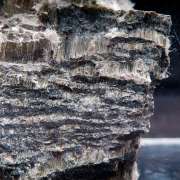
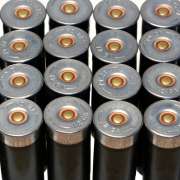
Asbestos was used in shotgun shells in its wadding or filler material. That’s placed between the shot and the powder so the shot remains intact during firing.

Asbestos fibers helped maintain the shell’s structural integrity, reduced the chances of misfires, and helped ensure a consistent shot pattern. These fibers could become airborne, inhaled, or swallowed when the shells were handled, loaded, and unloaded.

Asbestos fibers could remain in a person for the rest of their life. They can cause scarring, inflammation, and genetic mutations in cells that can result in various cancers, including mesothelioma. It is a fatal disease of the linings of the heart, lungs, abdominal organs, chest, and abdominal cavities.

Who Was Held Accountable for Eugene Schoepke’s Death?

The defendants are a mix of corporate entities that own businesses that produced the shells in the past or are new names for companies that played a role in their manufacture and sales, reports the Delaware News Journal. They include Corteva Inc. and Sporting Goods Properties Inc. (formerly known as Remington Arms Co.).

The defendants have a history with E.I. DuPont de Nemours in common. The company has split into different entities and undergone mergers and restructurings in the past.

Why Were the Defendants Found Liable?

Plaintiffs allege defendants failed to warn Schoepke and other hunters of the dangers they faced when using shotgun shells that contained asbestos and hid the fact that asbestos was part of the product.

The lawsuit claims asbestos wasn’t part of the shells until 1960, when the dangers of asbestos were known. Exposing purchasers to this highly toxic substance was also pointless, as the asbestos didn’t improve the shells’ performance, and only one brand of shells used it for a limited time.

The production of the asbestos-containing shells ended in the 1980s. Because of their long shelf life, they were sold for many years afterward without warnings or recalls.

Call Us Today for a Free Consultation

Satterley & Kelley, PLLC attorneys are your boots on the ground if you or a family member in Kentucky suffers from mesothelioma or another asbestos-related illness.

Call us at 855-385-9532, locally 502-589-5600, or contact us online to arrange a free initial consultation with a Satterley & Kelley PLLC lawyer.

Board of Ed Criminally Charged for Not Inspecting Schools for Asbestos

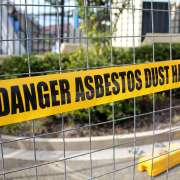
The School District of Philadelphia, Pennsylvania, is facing federal criminal charges for failing to fulfill its responsibilities regarding inspections for and the safe handling of asbestos. It’s the first time a school district has been criminally charged under the federal Asbestos Hazard Emergency Response Act.

The school board entered into a deferred prosecution agreement with the Department of Justice (DOJ), allowing them five years to address the asbestos issue without facing prosecution, according to WTXF

Federal law requires school districts to prevent airborne toxins, such as asbestos, in their buildings through regular inspections and remediation. Cancer-causing asbestos is in 300 of the district’s 339 buildings. The district is accused of failing to do timely inspections at several schools.

The DOJ investigation found mismanagement and widespread asbestos issues endangering students and staff. The district has been found to improperly address asbestos, including using duct tape to cover it up. Some of the city’s schools have been closed due to asbestos

The district announced the agreement with the DOJ. It stated that if it hadn’t made progress in properly dealing with asbestos in the schools, the federal government wouldn’t be giving them a chance to correct the situation before prosecution.

The district has a new asbestos management program. All school buildings are supposed to be inspected twice a year. The DOJ states it will monitor the district’s progress over the next five years.

Your Local Mesothelioma Law Firm

If you or a loved one worked at a school and has an asbestos-related disease, you may be entitled to compensation for the harm asbestos causes.

Experienced Satterley & Kelley’s, PLLC, asbestos injury attorneys can talk to you about your situation and help you recover damages for your lost wages, medical expenses, and the pain and suffering you’ve endured.

Call us at 855-385-9532, locally 502-589-5600, or contact us online to arrange a free initial consultation with a Satterley & Kelley PLLC lawyer.

$42.6 Million Mesothelioma Talcum Powder Verdict in Massachusetts

A Boston jury sided with Paul and Kathryn Lovell in a legal action against Johnson & Johnson in a case claiming exposure to the company’s talcum baby powder caused Paul Lovell’s mesothelioma, a fatal cancer caused by asbestos. The verdict may be the largest mesothelioma verdict for a plaintiff in state history.

Jury Holds Johnson & Johnson Accountable for Their Actions

During a two-week trial in July, plaintiffs’ attorneys successfully portrayed the company as aware of asbestos’ potentially fatal impact and that their product was contaminated with the cancer-causing mineral fiber. The plaintiffs’ case also included allegations that Johnson & Johnson not only failed to warn customers but also actively covered up the health threat the product posed.

Evidence shown to the jury included company documents showing management knew of the contamination, their failure to adopt a safer alternative, and manipulation of scientific testing methods to falsely show the baby powder wasn’t dangerous.

The jury found Johnson & Johnson committed negligence and breach of warranty. The company denies that its baby powder products were dangerous and states it will appeal the verdict, reports WCVB.

Paul Lovell, 69, is a father of four. He testified he used Johnson’s Baby Powder on himself and his children, and assumed it was safe. Lovell hasn’t knowingly used asbestos-containing products and doesn’t know of any workplace exposure. He stated he used defendant’s talcum powder all his life.

Why was Asbestos in Baby Powder?

Talc is a soft mineral fiber used to make talcum powder. Asbestos is also a mineral fiber, and the two can be found mixed underground. When talc was mined and processed into powder, testing for asbestos was insufficient, or tests showing its presence were ignored.

After publicity about asbestos contamination became widespread, consumer demand for Johnson & Johnson’s baby powder dropped. In 2023, the company announced it would no longer sell talcum powder and would only sell baby powder using cornstarch.

Take Legal Action Now — Contact Our Firm

If you or a family member has mesothelioma or another cancer, and used cosmetic talcum powder, you may be entitled to compensation for your pain, suffering, medical expenses, and lost wages. Satterley & Kelley PLLC can be your boots on the ground seeking maximum compensation for you and your family.

Call us at 855-385-9532, locally 502-589-5600, or contact us online to arrange a free initial consultation with a Satterley & Kelley PLLC lawyer.

Bullet Dodged: Trump Administration Not Reversing Asbestos Ban

The Trump administration will back a ban of the last type of asbestos allowed in US manufacturing, according to a court filing. When a prior filing stating a proposed delayed ban may not happen, it was widely criticized by asbestos victims’ groups and anyone who understands asbestos health hazards.

The Associated Press reports the federal Environmental Protection Agency (EPA) stated in a July court filing it will defend the Biden administration’s ban of chrysotile asbestos in litigation brought by business groups who wish to continue to use mineral fibers that kill more than 200,000 people worldwide annually.

Asbestos has mostly been phased out of use in the US. Last year, the EPA under former President Joe Biden sought a comprehensive ban phased in over time. Asbestos use is banned in more than 50 countries, but it is still allowed in the US after a prior ban was overturned by court action in 1991.

The EPA stated in a federal appeals court filing in June that some of the ban may go “beyond what is necessary to eliminate the unreasonable risk” because other options, like workplace protection measures, might end that risk. The agency stated at the time it planned a process that could take about two and a half years to write new rules. Now the agency states it won’t take that step.

Call Us Today for A Free Mesothelioma Lawsuit Consultation

If you or a family member in Kentucky suffers from an asbestos-related condition, including mesothelioma, Satterley & Kelley PLLC can help you obtain the compensation you deserve.

Call us at 855-385-9532, locally 502-589-5600, or contact us online to arrange a free initial consultation with a Satterley & Kelley PLLC lawyer.
Four Dead After Recent Wrong-Way Collisions in Kentucky

Four recent deaths were caused by vehicle accidents involving a vehicle going the wrong way on Kentucky roadways. These accidents are relatively rare, compared to other kinds of crashes, and are responsible for a disproportionate number of accident fatalities.

If you or a loved one are severely injured or killed in a wrong-way vehicle crash, Satterely & Kelley, PLLC can help you recover the compensation you deserve for the suffering caused by another’s negligence. Schedule a free consultation to discuss your situation by calling our Louisville office at (855) 385-9532.

Two Accidents Show the Dangers of Striking Another Vehicle Going the Wrong Way

Two crashes killed four people and injured two, according to local press accounts:

  • One driver was killed and another hospitalized after a three-vehicle crash on Dixie Highway, according to WDRB. Shortly before 12:30 p.m. on August 9 in the 13100 block, a woman driving a car in the southbound lanes crossed into the northbound lanes. Police didn’t know why she took that action. She struck another vehicle head-on, causing it to hit a pickup truck behind it. The vehicle driver was taken to the University of Louisville Health Hospital, where he later died. The female driver was also injured in the accident 
  • Three people were killed after a two-car head-on crash in Breckinridge County on July 26 on KY 261, reports WAVE. Kentucky State Police state that Joseph Maynard was driving south when, for no known reason, he crossed into opposing traffic, striking a vehicle driven by Hunter Lyons. Maynard died before he could be transported to a hospital. Lyons and a one-year-old passenger died at the scene. Another passenger was injured and taken to the University of Louisville Health Hospital

The Kentucky State Police report that in 2023, head-on collisions made up 3.2% of all reported vehicle accidents but caused 38.2% of vehicle accident fatalities. These accidents are especially deadly because so much force is released when two vehicles speed towards each other collide.

Why Do Drivers End Up Going the Wrong Way?

As you can see from these accidents, the exact cause is unknown because the driver in the oncoming lane didn’t survive the crash. It’s not unusual for more than one mistake to result in negligence, causing a vehicle accident. But there are many possible explanations, including the following:

1. Poor Road Design and Markings

Lane markings may be faded or unclear. A highway exit ramp may not have a “do not enter” warning sign. A driver may become disoriented, especially in poor lighting conditions or bad weather. Road construction or maintenance projects may have confusing detours and lane shifts.

2. Driver Distraction and Fatigue

Anyone distracted behind the wheel is an accident waiting to happen. It just might end up with the person driving the wrong way and striking another vehicle. The person is checking their smartphone, eating, or talking to a passenger. Distractions are more likely if the driver is also fatigued or drowsy. A sleeping driver wouldn’t know their vehicle drifts into oncoming traffic

3. Misjudging Curves and Turns

Driving on curvy roads or through sharp turns is another situation where vehicles can end up in the wrong lane. On winding roads, especially in rural areas or mountainous regions, drivers sometimes misjudge the radius of a curve, causing them to drift into the opposite lane. This can be more dangerous when the road is narrow or when the driver is traveling at high speeds. In these cases, the lack of familiarity with the road can exacerbate the problem, and the driver may not realize they’re about to enter the wrong lane until it’s too late.

Additionally, when navigating unfamiliar roads, a driver might inadvertently make the wrong turn at an intersection and end up on the wrong side of the road. Confusing intersections, particularly those in cities with older street layouts, can lead drivers to make errors without fully realizing it.

4. Impaired or Drunk Driving

Impaired driving is a major contributor to this issue. Alcohol and drugs can severely affect a person’s coordination, depth perception, and decision-making abilities, making it difficult for them to stay in their lane. A person under the influence might not realize how far they have drifted, or they might even believe they are driving straight, when in reality, they are veering into oncoming traffic.

Drunk driving has been the cause of numerous accidents, and this kind of dangerous driving behavior is often at the heart of wrong-lane incidents. Even small amounts of alcohol can impair a driver’s ability to stay in their lane, leading to disastrous results.

5. Confusion with Lane Merging or Lane Splitting

In some cases, drivers may inadvertently drift into the wrong lane because they misunderstood a lane merging situation. This is often seen in cases where highway ramps merge into main roads or in areas with multiple turn lanes. In these high-pressure situations, a driver may panic and make a sudden decision that results in their vehicle moving into the wrong lane.

On highways and busy roads, lane splitting—particularly when driving next to large vehicles such as trucks—can also lead to confusion. A driver might attempt to maneuver around a vehicle and end up in a space reserved for oncoming traffic, believing that the road is clear.

6. The Role of GPS Systems and Technology

While GPS systems are meant to guide drivers and make navigation easier, they can sometimes contribute to wrong-lane driving. A GPS may direct a driver to turn left or right at the wrong moment, or it may misinterpret a road closure or detour, causing confusion. Drivers who rely too heavily on their devices without paying attention to road signs or markers are more likely to make mistakes, particularly in complex or unfamiliar areas.

7. Aggressive or Reckless Driving

Finally, aggressive driving or reckless behavior can contribute to a vehicle traveling in the wrong lane. Speeding, tailgating, and not following traffic signals can make it more difficult for drivers to maintain control of their vehicle. Some drivers might be in such a rush to pass others or gain an advantage on the road that they take dangerous risks, such as veering into oncoming traffic in an attempt to overtake another vehicle.

If you or a loved one has been harmed in a wrong-way accident, call us at 855-385-9532, locally 502-589-5600, or contact us online to arrange a free initial consultation with a Satterley & Kelley PLLC lawyer.
A-Pillars Show There’s No Free Lunch When It Comes to Safety

Vehicle manufacturers face many competing demands, so they must make compromises. Making one thing safer may make something else less safe. One example is A-pillars in vehicles. Product safety is often a complex issue, but this varies depending on what’s at issue and what makes the product unsafe.

If you’re in a vehicle accident, many factors may have led up to the crash. One of those things is a defective product, which could be a vehicle or a part of it. We thoroughly investigate our clients’ vehicle accidents to determine who’s responsible and how they might be held liable. If you’re injured in a car accident and want to learn more about your rights, call Satterley & Kelley, PLLC at 855-385-9532 today.

What Are A-Pillars? What Do They Do?

An A-pillar is the strip of metal at the end of the windshield to the left of the driver. It and the other pillars connect the roof to the rest of the vehicle. It must be narrow enough to allow the driver to see as much as possible, but strong enough to prevent the roof from collapsing if the car rolls over.

What’s the Problem With A-Pillars?

The wider it is, the bigger the blind spot to the driver’s left. It can make seeing pedestrians and other vehicles more difficult, especially at intersections or when the driver wants to make a left turn. This can cause a collision with a pedestrian, cyclist, or another vehicle.

Bloomberg reports that A-pillars have gotten wider over time, making this situation worse and increasing the risk of a collision. It may be a reason why cyclists and pedestrians are getting killed in vehicle collisions at record-setting levels.

Car companies in the past wanted A-pillars to be as slim and unobtrusive as possible. This gives a driver a better view of what’s going on and gives more leeway in making a sleeker, more attractive design.

But narrow pillars leave little to keep the roof in place if there is a violent accident that causes the car to roll over. If a vehicle roof collapses onto occupants, crippling or fatal injuries could easily occur.

Rollovers weren’t major concerns for federal vehicle safety regulators in the 1960s and ’70s, when the focus was on protection against frontal and side collisions. Most vehicles sold during this time were sedans, coupes, and station wagons with low centers of gravity. They were unlikely to flip over in an accident.

Starting in the 1980s, larger SUVs and pickups became big sellers. Their height, weight, and power made rollovers more likely and dangerous. Rollover crash fatalities surged 35% in the 1990s, sparking personal injury lawsuits and media coverage of the problem.

The National Highway Traffic Safety Administration (NHTSA) in 2005 proposed a higher minimum roof strength standard. It became a rule that vehicle manufacturers had to follow four years later. It requires roofs of new vehicles to be able to handle three times the vehicle’s unloaded weight, which was twice the prior standard.

Manufacturers had different options, including the following:

  • Use of stronger steel
  • More vertical A-pillars
  • Bigger A-pillars

A-pillars have grown wider in the last 20 years, due to federal rules, the popularity of heavier SUVs and pickups, and the need to support more slanted and aerodynamic windshields. These bigger, stronger A-pillars may be doing their jobs as rollover deaths seem to be declining, but several other factors may be at play.

Protecting Vehicle Occupants While Putting Others at Risk

A wider pillar obscures a bigger section of the roadway. A 2022 Insurance Institute for Highway Safety study found that SUVs and pickups are more likely than smaller vehicles to hit pedestrians when making left turns. A-pillars were cited as a probable cause. A 2007 paper showed a possible connection between A-pillar thickness and lane change crashes.

The European Union limits how A-pillars obscure a driver’s vision, but there’s nothing similar on the horizon in the US. Changing safety rules requires a cost-benefit analysis. The NHTSA would have to conclude that shrinking A-pillars by a given amount would save a certain number of lives. Currently, there’s no research establishing that.

Speak To a Satterley & Kelley, PLLC Accident Lawyer Today

If you or a family member is injured as a pedestrian, cyclist, or motorist in an accident with a vehicle, we want to hear from you. We can help you recover the full and fair compensation you deserve. Let us be your boots on the ground and guide you through the process.

Call us at 855-385-9532, locally 502-589-5600, or contact us online to arrange a free initial consultation with a Satterley & Kelley PLLC lawyer.

The Five Most Common Factors in Kentucky Vehicle Accidents

There are five factors contributing to most Kentucky vehicle accidents, according to state police statistics. They list 26 factors in their annual report on traffic accidents for 2023. These top five cause a substantial number of accidents that injure and kill people on Kentucky’s roads.

If you or a loved one is severely injured in a traffic accident, Satterley & Kelley, PLLC attorneys can be your boots on the ground. Talk to a skilled personal injury lawyer about how an insurance claim or legal action might work for you. Call our office in Louisville toll-free at 855-385-9532 or complete our contact form to get started.

Kentucky’s Top Five Factors Leading to Vehicle Accidents

The 2023 report states these were the top five factors in causing vehicle collisions in the state:

  1. Driver inattention 36.5%
  2. Not under proper control 12.42%
  3. Failed to yield 11.74%
  4. Misjudge clearance 9.17%
  5. Following too close 6.06%

In 2023, there were 139,022 reported vehicle accidents, according to the Kentucky State Police.

1. Driver Inattention

    This happens when the driver isn’t fully focused on driving and what’s going on around the vehicle. This could be caused by distractions, fatigue, intoxication, impairment, a medical emergency, or the person could be asleep.

    This situation is more dangerous as the vehicle’s speed increases. As that happens, the driver has less time to recover, and the force of the car when it strikes something or someone increases, boosting the chances of severe or fatal injuries happening as a result.

    2. Not Under Proper Control

    Not maintaining proper control of a vehicle means the driver failed to safely and effectively operate the vehicle. Common signs of this include the following:

    • Swerving or drifting between lanes
    • Overcorrecting (jerky or exaggerated steering)
    • Losing traction on curves or slippery roads
    • Failing to slow down for traffic or hazards
    • Braking too hard or too late
    • Inability to keep a steady speed
    • Releasing the steering wheel

    The causes can be very similar to driver inattention, including distraction, drowsiness, and impairment. The driver may not realize they’re not under control. But a driver may intentionally drive dangerously, or there may be something wrong with the vehicle, preventing them from controlling it.

    3. Failed to Yield

    When there are conflicts or potential conflicts between multiple vehicles, the “rules of the road” spell out who has priority and who should wait their turn. There are many examples, including the following:

    • Someone taking a left turn must wait for oncoming traffic to clear first
    • A person merging onto a highway must wait for space to open up to move into the travel lane
    • There is a stop or yield sign at an intersection
    • A driver should get out of the way of emergency vehicles responding to a call

    Failing to yield may do more than aggravate another driver. It could cause an accident.

    4. Misjudge Clearance

    Understanding the distance between your vehicle and another vehicle, an obstacle, or a pedestrian is critical to safe driving. You must also know whether this distance is remaining the same, growing, or shrinking as your vehicle and others move. Only when it’s safe should you maneuver your vehicle to where you want it to be.

    To understand the distance, you must also be aware of it. Unthinkingly turning or moving into another lane is another way to cause a crash.

    5. Following Too Close

    You must maintain a safe distance between your vehicle and the one in front of you. That means controlling and changing your speed to maintain this gap. If you’re too close and the other vehicle suddenly slows or stops, you risk rear-ending it. If you slam on your brakes to avoid a collision, you may lose control of your car, especially if the roadway is covered in water, ice, or snow.

    If the vehicle in front of you is going below the speed limit, you should only pass it when and where it’s safe to do so, or you risk a head-on collision with oncoming traffic.

    How These Factors Play Into Your Compensation Claim

    If you’re injured in a vehicle crash caused by another driver committing one of these errors, and that can be proven, it strengthens your case because it’ll be easier to establish the other party is liable (is legally responsible to pay your compensation). If your mistakes also contributed to the crash, your recovery can be reduced by your share of the fault due to the state’s comparative negligence laws.

    Speak To a Kentucky Vehicle Accident Attorney Today

    If you are injured or a loved one is killed in a Kentucky car or truck accident, Satterley & Kelley, PLLC can help you get the compensation you deserve. Put boots on the ground with our help.

    To discuss your situation and how Satterley & Kelley, PLLC can help, call us at 855-385-9532, locally 502-589-5600, or contact us online to arrange a free initial consultation.

    At the Intersection of Driver Negligence and Serious Injuries

    Accidents are common at intersections because that’s where vehicles conflict. Famed criminal Willie Sutton was asked why he robbed banks. He replied that’s where the money was. Why are there so many accidents at intersections? Because that’s where vehicles are. You can get into a vehicle accident by yourself with no one around, but the chances are much higher it’ll happen where other cars and trucks are.

    If someone else’s negligence causes injuries to you or a loved one in a car accident, Satterley & Kelley, PLLC attorneys can help you take legal action. Schedule a free initial consultation to discuss your situation by calling our Louisville office at 855-385-9532.

    Accidents at Kentucky Intersections Constantly Happen

    They range from minor fender benders to crashes causing multiple deaths. Just a few recent ones include the following:

    • Two people riding a motorcycle were killed after a collision with another vehicle at the intersection of Berea Road and Center Drive in Richmond on August 14, reports WKYT
    • A 59-year-old man was killed in a vehicle accident on June 30 at an intersection where fatal accidents are common, according to the Wayne County Sheriff’s Office, reports Fox 56. A Chevrolet car passed another vehicle on Highway 90 before colliding with an eastbound Toyota pickup truck with two adults and two children inside. The 59-year-old Chevrolet driver died at the scene. The four Toyota occupants were taken to hospitals, two of them by helicopters
    • An April accident in Walton at the intersection of US 42 and Beaver Road left two women dead and another critically injured, according to WCPO. The Boone County Sheriff’s Office stated a Chevrolet heading eastbound on Beaver Road stopped at the intersection. It was taking a left turn when it was struck by a dump truck going north on US 42. The truck then hit several parked cars before coming to a stop inside a restaurant. Two Chevrolet passengers were killed, and the driver was taken to a hospital. The Sheriff’s Office later reported there had been 24 accidents at that intersection in the last five years. Fourteen of them resulted in injuries, and two caused fatalities

    The Federal Highway Administration states that 12,036 of the 42,514 traffic fatalities that occurred in 2022 involved intersections.

    Why are Intersections So Dangerous?

    Each accident is unique, but intersection characteristics could make specific causes more likely.

    • Drivers leaving a nearby highway may be more likely to speed
    • A poorly designed intersection may have poor sight lines, so it may be difficult for a driver to see oncoming traffic
    • Drunk drivers may be more likely to be at an intersection near restaurants or bars that serve alcohol

    Drivers’ negligence can be on full display at a busy intersection, including the following:

    • Drivers may cut off oncoming traffic when taking left turns, or not stop for pedestrians or vehicles with the right of way
    • Impatient or distracted drivers may not check cross traffic or blind spots before proceeding
    • Stop signs and red lights could be ignored intentionally or by mistake
    • Drivers can underestimate how fast oncoming traffic approaches or overestimate a gap in traffic
    • Distractions take the driver’s focus from the intersection and other traffic, making an accident more likely. The driver may be focused on a smartphone, a GPS, or having a conversation with a passenger. It can only take a second of distraction at an intersection to cause an accident while cars are stopping, accelerating, or turning in different directions
    • Aggressive, intoxicated, or impaired driving can result in drivers accelerating into an intersection before a light turns red, or they may ignore the fact that the stop light turned red before driving through it. A driver tailgating a vehicle may rear-end it if it suddenly stops due to other traffic, a stop sign, or a light

    The problem may not just be the other driver. Negligent intersection design or maintenance can cause accidents, including the following:

    • The layout may be confusing, the signage could be incomplete, and the markings faded and difficult to see
    • It may be difficult to stop at an intersection that doesn’t properly drain accumulated water
    • A lack of dedicated turn lanes can make navigation less safe
    • Stop signs instead of traffic signals at busy intersections increase accident risk
    • Lighting may be poor, which, when combined with bad weather, can reduce visibility and make accidents more likely

    Local officials can not only be negligent by creating a dangerous intersection, but they can also be at fault because they fail to make improvements after problems become apparent.

    Speak To a Satterley & Kelley, PLLC Vehicle Accident Injury Lawyer Today

    If you’re injured in an accident at an intersection, Satterley & Kelley PLLC lawyers can protect your rights to compensation for your losses and injuries. Call us at 855-385-9532, locally 502-589-5600, or contact us online to arrange a free initial consultation.

    How Does Asbestos Cause Mesothelioma? (update)

    If you’ve heard of mesothelioma, you’ve probably heard of asbestos. Asbestos exposure is the main confirmed cause of mesothelioma, accounting for over 80 percent of all cases. However, the exact way that a carcinogen like asbestos causes cancers like mesothelioma (and similar medical conditions) is not as commonly understood.  

    What is Asbestos?

    Asbestos is a mineral fiber that naturally occurs in rocks and soil. It is very strong and resistant to heat and corrosion. For this reason, asbestos was widely used in a range of industries, often serving as insulation or protection from friction, heat, or fire damage. It was also used in many products, including those used in residential construction (such as insulation, floor tiles, shingles, textured paint, pipes, electrical wiring, and boilers), and those used in car manufacturing (including heat-resistant fabrics, clutches, and breaks).

    In the second half of the 20th century, it became increasingly clear that asbestos causes significant health problems. In the early 1970s it was officially declared to be a carcinogen and was mostly banned from use in the United States in 1978—though some manufacturers and industries continued to use it regardless, well into the 1980s and 1990s.

    Who is at Risk of Asbestos Exposure?

    People have been exposed to asbestos in several major ways, but the main form of heavy asbestos exposure was traditionally occupational (meaning that it occurred at work). Many industries used asbestos throughout the 20th century, and workers in those industries may be at risk of developing mesothelioma. These include, but are not limited to:

    • Shipbuilding
    • Military (especially the U.S. Navy)
    • Construction/Demolition
    • Manufacturing
    • Mining
    • Chemical plants
    • Power plants
    • Steel mills
    • Automotive industries (including mechanics)
    • Industrial or residential repair (including HVAC technicians, electricians, plumbers, engine repairmen, and machinists)

    Asbestos exposure can also occur “second-hand” when someone who was brings asbestos fibers home with them on their bodies or clothing. It may also occur environmentally, if a person is exposed to asbestos fibers where they live or work despite not being involved in an asbestos-related field. Additionally, people can be exposed through a product that contains asbestos, including insulation, tiling, flooring, boilers, and other parts of many American homes built before 1978, as well as certain car parts, protective clothing, and other items. This risk is particularly relevant for those attempting DIY home repair; if a home contains asbestos, these repairs could disturb the fibers and cause severe health risks if not handled by a professional.  

    Overall, with strict regulation, asbestos exposure occurs much less frequently than it once did. However, exposure to asbestos was widespread for many years, and many people may therefore be at risk for mesothelioma. It is important to remember that while risk of mesothelioma rises significantly with the length of exposure (becoming especially high among those who are repeatedly exposed for a prolonged period of time), there is no safe amount of exposure to asbestos. According to NORD and other research, it is possible to develop mesothelioma after only one asbestos exposure—though most people diagnosed with mesothelioma were exposed repeatedly at work over the course of years.

    How Does Asbestos Cause Mesothelioma?

    Asbestos is made up of many tiny fibers. When the material is disturbed or handled, these microscopic fibers are sent up into the air. Those exposed to asbestos may either inhale or swallow the airborne fibers.

    Once asbestos fibers are inside the body, they may become lodged in the mesothelium, a thin protective tissue lining that covers several major internal organs. Asbestos fibers that are inhaled tend to lodge in the pleura (the lining between the lung cavity and the chest wall), while those that are swallowed and ingested tend to lodge in the peritoneum (the lining of the abdomen). In extremely rare cases, asbestos fibers can travel through the blood stream and lodge in the pericardium, the lining around the heart, or the tunica vaginalis, which protects the testicles.

    Sharp asbestos fibers can pierce the mesothelial membrane and become embedded in the tissue. The mesothelial cells react to the asbestos fibers by becoming inflamed, in an attempt to remove the foreign body. However, the fibers often remain lodged in the tissue, since they are too durable and small for the body to remove. As a result, the mesothelial cells keep getting inflamed again and again, and scar tissue starts to form. Over time, this chronic inflammation harms the mesothelial cells. It can cause damage by interfering with cell division, and by physically altering the DNA code that tells the cell how to function which can lead to so much cellular damage that formerly healthy cells mutate and begin increasing uncontrollably, forming tumors. The result of this process is  mesothelioma, a cancer that causes malignant tumors to grow on the mesothelium, and to potentially spread (or metastasize) to other parts of the body.

    The location of the lodged asbestos fibers and damaged tissue generally determines what sort of mesothelioma a person develops. Mesothelioma that forms around the lungs is referred to as pleural mesothelioma, and mesothelioma that forms in the lining of the abdomen is called peritoneal mesothelioma. The two much rarer types of mesothelioma affect the lining of the heart (pericardial mesothelioma) and the lining of the testicles (testicular mesothelioma).

    Normally, this process of chronic inflammation, cell damage, and scarring takes many years, and mesothelioma patients are generally diagnosed with mesothelioma decades after their asbestos exposure. This is referred to as mesothelioma’s “latency period.” Each patient’s case is different, but on average, mesothelioma has a latency period of around 20-60 years, with a mean of 40 years between asbestos exposure and diagnosis. Generally, the longer and more intense a person’s exposure to asbestos, the shorter their latency period will be. Pleural mesothelioma also tends to have a longer latency period (30-60 years on average) than peritoneal mesothelioma (20-40 years on average).

    Unfortunately, mesothelioma tends to be diagnosed at an advanced stage. There are many reasons for this, including the long latency period, late onset of symptoms, and the fact that the earliest symptoms (most commonly shortness of breath, chest pain, and fatigue) are often misdiagnosed as other conditions. Mesothelioma is relatively rare, and patients often don’t think to report asbestos exposure in the distant past, leading to further misdiagnosis.

    Why You Should Hire Satterley & Kelley, PLLC for Your Mesothelioma Case

    If you’re diagnosed with mesothelioma or another asbestos-related cancer, you may be entitled to compensation for what you’ve endured. This includes physical and mental pain and suffering, financial costs, medical bills, and how the disease impacts your relationships.

    You need a law firm with experience representing victims taking legal action against the asbestos industry. Satterley & Kelley, PLLC attorneys have helped asbestos victims for more than 20 years.

    We have relationships with the best experts in the world to help us prove that asbestos caused your injury and the physical, emotional, psychological, and financial harm you suffered.

    Call Us Today for a Free Consultation

    After a mesothelioma diagnosis, there’s no time to waste because there’s a lot of work behind an asbestos claim or lawsuit. Satterley & Kelley PLLC attorneys are your boots on the ground if you or someone you love in Kentucky suffers from mesothelioma or another asbestos-related illness.

    Call us at 855-385-9532, locally 502-589-5600, or contact us online to arrange a free initial consultation with a Satterley & Kelley PLLC lawyer.

    Asbestos Exposure at Ghent Powerhouse: What You Need to Know

    The Ghent power station, located in Carrollton, Kentucky, has been a key provider of electricity for homes and businesses. However, beneath its vital role in the community lies a lesser-known danger. Like many of Kentucky’s older industrial sites, its past is linked to asbestos use which has contributed to serious health problems former workers, including mesothelioma, a rare and aggressive cancer associated caused by asbestos exposure.

    If you or a loved one has an asbestos-caused disease like mesothelioma, you may be entitled to compensation from those responsible for your situation. Satterley & Kelley, PLLC helps clients obtain the compensation they deserve. Call us today at 855-385-9532.

    What is a Powerhouse?

    It’s a complex of buildings where all the equipment needed for producing and providing electricity is located.

    What is Asbestos?

    Asbestos is a naturally occurring mineral fiber present in soil and rocks. Exposure to asbestos fibers may cause lung diseases and other health conditions, including mesothelioma, lung cancer, and colon cancer. The fibers are tiny, light, and strong. When they become airborne, they can be easily inhaled or swallowed by anyone in the area.

    Why is Asbestos Dangerous?

    Asbestos fibers are so strong and durable that the human body can’t break them down. They remain and over years or decades and cause scar tissue, inflammation, and genetic changes that can result in cancer tumors.

    What Is the Ghent Powerhouse?

    The Ghent Powerhouse, or Ghent Generating Station, is owned by Kentucky Utilities, which is part of PPL Corporation. It began construction in the early 1970s and is located about halfway between Louisville and Cincinnati. The plant has four operational units, each consisting of boilers, turbines, and other equipment used to generate electricity. Construction of these units spanned from 1971 into the 1980s.

    The powerhouse’s construction and operation occurred during a period when asbestos use was widespread, especially in industrial settings like power plants. When the power plant was first constructed, asbestos-containing products were part of the original design and engineering.

    Asbestos in the Ghent Powerhouse

    Ghent Unit One, which began construction around 1971, was practically built with asbestos from the ground up. This included insulation for turbines, boilers, pipes, valves, gaskets, and even firebrick. At the time, asbestos was standard in thermal insulation because of its durability and heat resistance.

    Ghent Unit Two was built shortly after federal Occupational Safety and Health Administration regulations began restricting asbestos in 1972. It was supposed to be asbestos-free. But, despite specifications calling for safer alternatives, urgency and project delays led the plant’s contractors to use asbestos materials because non-asbestos products weren’t available on schedule.

    How Workers Were Exposed

    A wide variety of people on the site were exposed to asbestos, including the following:

    • Construction workers, including pipefitters, insulators, electricians, and millwrights, came into direct contact with asbestos during installation
    • Maintenance crews were exposed during routine repairs, particularly when equipment like boilers and turbines had to be stripped and re-insulated
    • Engineers, supervisors, and operators were also at risk if they weren’t handling asbestos directly due to airborne fibers drifting during construction and overhauls

    In many cases, asbestos insulation was removed and reinstalled during turbine overhauls. Dust from blankets, blocks, and cement-based insulation filled the air, putting anyone nearby at risk.

    The Legal Reality for Victims

    If you worked at the Ghent Powerhouse and were later diagnosed with mesothelioma or another asbestos-related disease, you may have a legal claim. Kentucky victims have just one year from the date of diagnosis to file a lawsuit.

    That might seem like a lot of time, but it’s not, especially when you’re juggling medical decisions and treatment options. Many mesothelioma patients don’t live beyond six to 18 months after diagnosis.

    An experienced Satterley & Kelley, PLLC asbestos attorney can file your claim, collect your deposition, and begin pursuing compensation. All while you still have the strength to participate.

    Why Experience Matters

    Asbestos litigation is complex. It requires detailed knowledge of exposure sources, product history, and industrial job sites like the Ghent Powerhouse. Satterley & Kelley, PLLC has handled these cases for decades. We have a database of materials, product specifications, and job site histories that can make legal actions more efficient.

    Call Us Today for A Free Consultation

    If you or a loved one worked at the Ghent Powerhouse and are diagnosed with mesothelioma or another asbestos-related disease, the time to act is now. Get your medical care plan in place and don’t delay in seeking legal help.

    To discuss your situation and how Satterley & Kelley, PLLC can help, Call us at 855-385-9532, locally 502-589-5600, or contact us online to arrange a free initial consultation.