

The key to liability is often knowledge of the danger

When determining if a landlord is liable after someone is injured while at a rental space, the key is often very simple: What did the landlord know, and when did he or she know it?

Obviously, landlords can’t know everything instantly about a rental space. If a handrail on the front steps breaks one morning, no one tells the landlord and then another tenant is hurt that afternoon, the landlord may not be liable. He or she had no idea there was a danger and so not fixing that danger is not negligence in most cases.

Of course, this changes if the landlord did know of the risk. Did the tenants complain about poor maintenance, saying they thought the rail was going to break soon? Did the landlord continue to neglect the property or do subpar repairs?

Things are more dire when the landlord knew of a clear danger. For instance, maybe the handrail actually broke three months ago. A tenant called the landlord right away, and the landlord didn’t answer. The tenant left a voicemail and called again the next day.

The landlord said he or she would get it fixed, but then did nothing for months. No inspections were done, no repairs were made and the landlord didn’t even put up signs or caution tape to tell people there was a risk. When someone finally, inevitably got hurt, it was clear that the accident could have been avoided.

Were you injured because of a negligent landlord who knew the risks and did nothing? If so, it’s important to understand what legal rights you may have to financial compensation.

Source: AllBusiness.com, “Am I Liable for Injuries Sustained on My Rental Property?
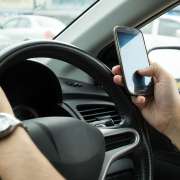
Technology fights technology-based driving distractions

It seems like technology is everywhere and ever-changing. We live in a world where technology is in the palm of our hand. Technology has its advantages. Technology can offer convenience. You can easily keep in touch with people all over the world. You can quickly look something up on your phone or computer. You can buy a car with all kinds of features–from electronic windows to directions at the press of a button.

Technology also has some disadvantages. Sometimes technology can be a time-suck. It can be frustrating and confusing. Technology can also be extremely distracting. Some may argue that a distraction can be good, but in certain cases, distraction is bad. This is true for driving. When you get behind the wheel, you need to be as distraction-free as possible.

How is Apple doing its part?

Apple announced that they will attempt to help with their iOS 11 software update. With this update, they have included a “Do not disturb while driving” feature. The goal is to halt notifications to drivers. The feature is supposed to mute notifications when you drive. Your screen will not notify you of any incoming messages or alerts until you’ve finished driving. You can also tailor the feature to send automatic responses to people who do try to contact you while you are driving.

What can you get from the app store?

There are several applications geared towards safe driving. Some applications work like a game in which you can receive rewards for eliminating distractions. The application SafeDrive allows you to gain points for not touching your phone while driving. Their sister application, Milz, is targeted towards teens. The Milzapplication allows family members to donate funds for every distraction-free mile driven.

What can you do?

You can download a safe-driving application. You can also encourage your family members to do the same. You can use hands-free devices and Bluetooth technology. It may be helpful to form a habit of putting your phone in a safe place every time you enter the vehicle. Encourage others to take part in these safety practices.

Can you wear headphones and drive?

You love to listen to music while you drive, as it helps you pass the time. However, your car’s stereo system isn’t very good. It wasn’t great when you bought it, and now one of the speakers is blown out. Can you just throw on your headphones and drive while listening to the music on your phone or MP3 player?

It depends where you live. Doing so is legal in many states, including Kentucky. Other states where you can wear headphones include Arkansas, Delaware, Kansas and Mississippi — just to name a few.

However, if you go on a road trip, be aware that the laws could change as you cross state lines. For example, wearing headphones is illegal in New York. The same is true in Louisiana, with one key exception: If you’re riding a motorcycle and the headphones are built into your helmet. Pennsylvania also outlaws headphones, with a different exception: You can have single-ear systems for hearing aids or talking on the phone.

However, whether it’s legal or not, you should also remember that experts say driving with headphones on can increase accident risks. The outside noise is eliminated. While that may be exactly what you want, it can keep you from hearing engine noises, car horns, pedestrians who are yelling, emergency sirens and many other noises that help keep you from crashing. The headphones may also be a distraction that increases accident risks when you’re lost in the music and not paying as much attention to the road.

Have you been hit by a driver who was wearing headphones? When other drivers are distracted and make mistakes, be sure you know what legal options you have to seek out compensation.

Source: Digital Music News, “Is It Legal to Wear Earbuds While Driving? Here’s the Law In Every US State.,” Paul Resnikoff, accessed Aug. 16, 2017