Legal Discovery and Mesothelioma Lawsuits

Discovery is more than the channel for Naked and Afraid, Deadliest Catch, and Moonshiners. Legal “discovery” is also used for a critical part of the personal injury litigation process. What’s learned during discovery often makes or breaks cases.

What is Discovery?

Discovery refers to how the parties involved in a lawsuit gather information from each other and, when necessary, from third parties to gather relevant facts about the case. This information can include documents, testimony, videos, emails, texts, photos, notes, medical records, and physical evidence. It can also lead to the identification of new witnesses or previously unknown evidence.

Several different methods can be used. They include:

  • Interrogatories: This is a written set of questions one party sends to the other. The receiving party must answer these questions in writing under oath or respond with a valid objection
  • Requests for production of documents: One party requests to the other party they produce specific documents (on paper or in electronic form) that are relevant to the case
  • Requests for admissions: This involves asking the other party to admit or deny certain statements relevant to the case. It’s a way to potentially force the opposing party to admit to damaging facts in the case. It can also narrow the issues that the parties disagree about
  • Depositions: A party and witnesses are questioned under oath by the opposing party’s lawyer, then their lawyer. Expert witnesses can be deposed if they’re part of the case. Depositions are often recorded, a transcript is made, and testimony can be used as evidence at trial

Discovery can be a lengthy and complex process. Depending on the case, it can take months or years to complete.

What’s My Role in the Discovery Process?

After we receive discovery requests from the defendant, we’ll work with you to prepare and serve answers to the defendant.  

We will also prepare you for your deposition. We’ll go through a “dry run” with questions we’ll ask and those we think the defendant’s attorney will ask. You must answer honestly, including admitting you don’t remember if that’s the case.

How Does Discovery Help Me?

Ideally, discovery will uncover facts and testimony that support your case. They may result in a faster settlement for a greater amount than expected. The more facts we know, the better we can represent you.

Uncovering damaging information is also helpful in a way. To competently and professionally represent you and your interests, we must know about all the evidence, whether it aids your case or not. It helps us decide what kind of settlement to recommend you accept or what we think your chances of success at trial will be. We also don’t want to be surprised by bad news if we go to trial.

Depositions not only provide important information, but we get a good idea of how the parties and witnesses will handle testifying if the case goes to trial. Someone may appear open, calm, credible, evasive, angry, under control, or overly emotional to a jury. Jury members may see the person as believable, relatable, unfriendly, or unlikeable. These negative and positive perceptions can influence case outcomes, and we consider this when advising our clients on what to do.

Discovery can also be a valuable tool for settling a case. By the time discovery is over, all of the parties’ proverbial cards should be on the table for all to see. Discovery allows the parties and their attorneys to fully understand the case and how it may play out at trial. With fewer unknowns, both sides should understand your case’s settlement value, making settling easier.

Speak With An Experienced Personal Injury and Mesothelioma Attorney

If another party’s negligence injures you or a loved one, Satterley & Kelley, PLLC has decades of experience representing accident victims. To discuss your situation with a knowledgeable Louisville lawyer, contact our law offices online or by telephone at 855-385-9532.

Unique Rules for Pursuing Asbestos Claims Against Employers in PA (Podcast)

In this podcast, Paul Kelley from Satterley and Kelley talks about employer liability for asbestos exposure that leads to mesothelioma. He explains when employees may qualify for worker’s comp and when they may be able to make a claim under the tort system. The latter provides additional benefits including compensation for pain and suffering.

John Maher: Hi, I’m John Maher. I’m here today with Paul Kelley. Paul is a partner with the Kentucky personal injury law firm, Satterley & Kelley, which has over 30 years of collective experience in handling cases involving mesothelioma and asbestos exposure. Today, we’re talking about unique rules for pursuing asbestos claims against employers in Pennsylvania. Welcome, Paul.

Paul Kelley: Hey, John. How are you doing today?

Employer Liability for Asbestos Exposure

John: Good, thanks. So, Paul, can employees sue their employers for asbestos diseases under Pennsylvania law?

Paul: So, under most circumstances, John, yes. It used to not be that way. About 10 years ago, very good lawyers, unfortunately not me, but some very good lawyers got the high court in Pennsylvania to change the law because, under the Workers’ Compensation laws in Pennsylvania, if the diagnosis of mesothelioma, for example, came in more than 300 weeks after the employee’s exposure ended, then it extinguished the cause, the Worker’s Compensation claim, before you actually had a disease, in order to file one.

And it always seemed unfair because people get this disease and, ordinarily, they would be able to recover some Workers’ Compensation benefits and get some recovery for this terrible disease that they got. But if it happened 301 weeks after their last exposure, then they were out.

Diagnosis After Exposure

John: And then, that’s a problem for mesothelioma cases because of the latency period. You can get mesothelioma 10, 20, 30, 40 years after your exposure. It’s much more typical that it happens after 300 weeks.

Paul: Absolutely. I mean, hardly anybody is diagnosed after 300 weeks of exposure. Now, again, it’s 300 weeks from the last exposure, not the first exposure. But still, what we see typically is 20, 30, 40 years after somebody stops being exposed, they’re diagnosed with this condition. 300 weeks is less than 10 years.

So, a lot of people were precluded from being able to recover any benefits at all from their employers. And, so, a lot of us lawyers complained over the years, that’s unfair. And if we can’t recover under Comp, and Comp, by the way, Workers’ Comp, is statutory, so the legislature enacts those laws, and only the legislature can do anything about increasing or decreasing the amount of time.

And I suspect that the reason that the 300-week limitation is in there is because it was a compromise with insurance companies that insure all of these different companies. It was a compromise that, “We want to know when our liability will end.”

Shifting From Worker Comp to Tort Claims

So, fair enough. But, again, the problem is that people are left without any recovery. And, so, there was a big push, back in the early 2010s, to try to get the law changed, which the courts can do, to allow employees to sue their employers if they’re precluded by the statute from pursuing a Workers’ Compensation claim.

And as you can imagine, Pennsylvania employers that exposed people to asbestos there fought very hard against that. But there was a breakthrough in 2013, and the law was changed. And it now allows people to sue their employers, again, if their last exposure was more than 300 weeks from their diagnosis.

And this provides a benefit, a huge benefit, to people. Workers’ Compensation laws are not great, in terms of what you can recover, but one of the big benefits of Workers’ Compensation law is you don’t have to prove anybody who’s at fault. All you have to prove is that you suffered a work-related injury. And if you suffered a work-related injury, then the employer has to pay whatever benefits are available, usually medical expenses, lost income, sometimes a survivor’s benefit to the widow or widower of the employee, but at least you don’t have to prove that somebody necessarily did anything wrong.

So, by knocking it out of the Comp system, while there are more damages that are available, pain and suffering being a big one that you just don’t get in Workers’ Comp, you have to now prove that somebody’s at fault, your employer was at fault, for causing you this disease.

Employer Defenses Against Mesothelioma Claims

And the employer’s going to say a lot of things about that. They’re going to say, “Well, manufacturers of products caused the disease. Suppliers of products caused the disease. Contractors that came into our employment caused the disease,” or “Maybe we did cause it, but we didn’t know that companies were giving us asbestos,” or “We didn’t know asbestos was hazardous or that it would cause this cancer.”

And, so, they have some defenses. So, it’s not necessarily this great, wonderful thing that you’ve been knocked out of the Comp system, and now you have to pursue this tort claim. But what it does do is it provides people in 2023 a remedy that they didn’t have in 2010, because now they can pursue this.

And it is better than Comp, in the sense that Comp, quite frankly, just doesn’t compensate people well enough for the kind of injury that’s at issue here. Workers’ Comp is wonderful for injuries that people get over. That’s wonderful for cuts and scrapes and burns and some small, broken bones-

John: Broken leg or something like that, yeah.

Paul: But it’s not very good for someone who gets terminal cancer.

John: Right.

Pain and Suffering in Mesothelioma Cases

Paul: And that’s what mesothelioma is. It’s a terminal cancer. So, while we have to do a lot of work in order to prove that the employer’s negligence caused the injury to our client, if we’re able to do that, then the employee is now able to get a full range of benefits. And again, as I mentioned before, they can recover pain and suffering. And that typically is tremendous.

I mean, the physical and mental pain associated with mesothelioma, the emotional distress, the people suffer knowing that they’re probably going to die from this condition. And sometimes people are young, and they have families, and there’s some benefits that are available to the families under the Tort System that aren’t available in the Workers’ Compensation scheme.

And, so, it’s a good thing. It’s a really good thing. And Pennsylvania has been one of the leaders in the country in recognizing the inequity involved, of just completely leaving people without a remedy because they weren’t fortunate enough to, fortunate in quotes, to get this disease before the expiration of that 300-week mark.

And, of course, people can have more than one employer that contributed. And, so, you can potentially pursue claims against any employer that you believe is responsible for causing the disease.

So, a lot of people, particularly people that worked in manufacturing and kind of your more blue collar-type jobs, they get conditioned, “Workers’ Comp, Workers’ Comp, Workers’ Comp. That’s all I can do. That’s all I can get.” And I’m here to tell you that, right now, as things stand in 2023, that’s not all you can get. In fact, you may not be able to get Comp at all and can recover directly in a lawsuit against your employer for causing the disease. So, it’s very important to understand that right and to not just assume that you’re limited in what you can get.

Now, I’d be remiss, John, if I didn’t let people know that, as you can imagine, this is a lightning rod issue for the employers in Pennsylvania. They thought they got their peace years ago, when the Workers’ Compensation laws were put in full force in effect. And, so, they are continuing to pursue ways to get the law changed back to what it was prior to the court’s decision back in 2013.

Thus far, those efforts have been unsuccessful. And right now, if somebody is diagnosed with mesothelioma today, and, again, that last exposure was more than 300 weeks ago, they can pursue a claim and try to prove that their employer’s negligence caused their disease.

Other Liable Parties for Negligence Claims

John: Right. So, prior to 2013, you could still pursue a negligence claim, but it was not against the employer. You had to go up against these, the manufacturers and the suppliers of the products that contained asbestos and things like that. And it’s just that, now, after 2013, in addition to those which are still in effect, and you can still go after those manufacturers and suppliers, you can also file a claim against … directly against your employer as well.

Paul: Yeah, that’s absolutely right. And it also provides the additional benefit that the employer was such an easy target for the manufacturers. Pre-2013, everybody pointed to the employer and said, “Well, it was their fault because they had the ultimate responsibility for providing safety to the employee.”

John: Mm-hmm.

Paul: While I certainly agree that the employer has that responsibility, I don’t agree that they’re the only ones that had that responsibility.

Well, now, when the employers are in this case, guess what they do? They fight back. And it creates, in a lot of ways, the perfect storm for the victim because now you have all the right parties there, and at some point, they’re going to become adverse to each other, and at some point they’re going to start pointing fingers.

And our experience is that a jury will typically pick somebody. I mean, they’re not going to … They almost never say, “Oh, this just happened,” in the face of overwhelming evidence that somebody was exposed to asbestos and that asbestos causes mesothelioma.

So, yeah, the law has always been such that you can recover in the civil justice system, the Tort System, from manufacturers, suppliers, contractors, other at-fault parties, but now it provides this other unique source of recovery if the Workers’ Compensation Act precludes compensation.

Establishing Liability for Asbestos Exposure

John: Right. Do you find in a case, too, that because you have both employer and the manufacturers involved in the case, that they start pointing fingers at each other and, in order to do that, they really have to admit that, “Yeah, this person probably got mesothelioma because of exposure to asbestos from our products.”

And, so, it almost helps the case overall because, in order for them to point fingers at each other, they have to be admitting that, yes, this product did contain asbestos, and this person probably got mesothelioma from it.

Paul: And that’s absolutely what happens. I could probably talk about this particular issue all day, but for the purposes of our discussion today, when I started doing this over 20 years ago, there wasn’t as much pushback that asbestos caused this person’s disease. That was almost always a given. And the way they defended was, “It was somebody else’s that caused it. It wasn’t us.”

Now, in the last 10 years or so, we’ve seen a lot more pushback, that someone’s mesothelioma was actually caused by asbestos exposure. I’ve always found that to be, for the most part, kind of a loser argument. It’s kind of like, “Oh, well, there’s all this exposure here, so we’re just going to say, ‘Oh, this person just had bad luck, bad genetics,'” whatever the case may be.

But whenever we’re in trial, and it doesn’t matter where we are anywhere in the country, whenever we’re at trial, ultimately, there’s finger-pointing. I mean, they may, at some point, put on a medical defense and try to assert that it’s just not asbestos-related at all. But if they do that, we inevitably hear the infamous, “If it was caused by asbestos exposure, then it was their exposure.”

And it’s almost always the employer, if it’s occupational exposure, as opposed to somebody doing some brake mechanic work on the side or something else, inevitably, they always point the finger at the employer. It’s always the employer’s fault.

And they do that because, prior to 2013, at least in Pennsylvania, the employer’s not there. They’re not at that trial. They’re not there to push back. They are the easiest target. Now, they’re there, and they push back, and they push back at the manufacturers. And they give the jury the full story. I mean, we’re giving that to them. But they’re solidifying the full story to the jury as everybody’s responsibility for causing the injury.

And asbestos and the diseases caused by asbestos, they’re unique. Nobody can really say that it was this exposure over here that caused the disease, and this exposure over here had nothing to do with it. I mean-

How Employer Liability in Pennsylvania Has Changed

John: Right.

Paul: Medically and scientifically, I don’t care what anybody says, nobody can do that. And the way the medicine and the way the law is developed is, we recognize that there can be multiple causes for this disease. Sometimes, there can be many, many, many causes for the disease. And when I say causes, I mean asbestos causes. Somebody may work at 35 job sites, and it can cause a disease, or they may work at one job site, but there’s 35 different products that are supplied to that job site. And they can all be-

John: Right.

Paul: Responsible, both medically and legally. And again, we won’t dig into the weeds too much, but there’s a slight difference between medical causation and legal causation.

But employers can be held responsible for their responsibility in contributing to the exposure. And then, of course, the manufacturers and suppliers can also be held responsible because they’re the ones that made the product. They have a responsibility under State law to provide a safe product.

But employers, since the beginning of time, have always had a huge target on their back. And up until 2013, they were really the whipping boy of every asbestos defendant because they weren’t there to push back.

Well, now they’re there, so they’re a lot harder to push the blame on. And for our purposes, it’s a lot harder for a jury to give nothing. If the employer’s there, and the jury thinks the employer’s at fault for causing the disease, now the victim can recover for that.

What You Should Do If You Were Exposed to Asbestos While at Work

John: And, so, if you’ve been diagnosed with mesothelioma, and you think that that was caused by your exposure to asbestos from working at a company in Pennsylvania, what should you do next?

Paul: Certainly, contact a lawyer. I mean, I mentioned earlier today that a lot of folks are conditioned to believe that they only have a Workers’ Compensation claim. That may or may not be true, depending on the facts of your case. So, don’t speculate or assume anything. Speak to a lawyer. See what information there is about that particular job site or job sites that they work for, and fully assess your rights to pursue whatever remedies are available to you.

And as we’ve mentioned numerous times that we’ve gotten together, this is a devastating diagnosis. And, so, it’s important to get medical care and medical treatment under control and make sure that the doctors have set up a plan that makes sense for you and your family.

But in terms of what we do and asbestos lawyers do, nothing gets better through the passage of time. So, the quicker that retain a lawyer and the quicker the lawyer can start investigating and pursuing the claim, the greater chance of recovery that you have.

John: And is there a Statute of Limitations on pursuing a claim in Pennsylvania?

Paul: For asbestos cases in Pennsylvania, it’s two years from the diagnosis. That can be lengthened a little bit if there’s a bonafide issue as to when you knew or should have known what caused your disease. But the rule of thumb is, you can’t go wrong if you file your case within two years that you were diagnosed. And that’s certainly what we try to do and try to get it filed much sooner. But you do have two years, and it goes by quickly.

Contact Satterley and Kelley for Help

John: All right. Well, that’s really great information, Paul. Thanks again for speaking with me today.

Paul: Thanks, John.

John: And for more information about mesothelioma and asbestos exposure, visit the law firm of Satterley & Kelley at satterleylaw.com, or call 855-385-9532.

Explore More Podcasts
Legal Process and Lawsuits:
Corporate Responsibility and Bankruptcy:
Specific Companies and Industries:
Health and Treatment:
Industry and Product Exposures:
Accidents and Injuries:


What is Product Liability?

Products liability is a personal injury claim that applies to injuries, deaths, or property damage caused by a product or device available to the public. While in car accident claims, you would need to show the other party acted negligently, that’s not the case in products liability claims.

These lawsuits aim to compensate those injured or killed or owners of property damaged by products. The victim used it as it was intended to be used and as it’s marketed and advertised, but harm happened anyway.

Products liability lawsuits put the costs of these unexpected and unwarranted injuries on those making money from them. They also encourage manufacturers to make safer products and use better, more accurate instructions and warnings.

Generally, product liability cases boil down to one or more of these allegations:

  • Design defects: The product’s design is intrinsically dangerous for its intended use, no matter how well it’s manufactured
  • Manufacturing defects: The manufacturing or assembly process is defective, so a product that might be safe and useful “on paper” is dangerous to users
  • Failure to warn: The product is sold without sufficient labeling, instructions, or safety warnings. If the public isn’t told of possible dangers and users aren’t warned about them, if that risk of harm is realized, the user should be compensated for resulting injuries and financial losses

In negligence cases, parties who made serious mistakes that led to the injury pay compensation. In products liability actions, a plaintiff can be successful if he or she  shows the defendant put a defective product into the marketplace and it caused injuries.

What is Kentucky Law for These Cases?

Kentucky statute defines a “product liability action” as any legal claim brought for or on account of personal injury, death, or property damage caused by or resulting from any product’s:

  • Manufacture
  • Construction
  • Design
  • Formulation
  • Preparation
  • Processing
  • Assembly
  • Testing
  • Warning
  • Instructing
  • Marketing
  • Advertising
  • Packaging
  • Labeling

Other issues include the fact that a manufacturer is liable if, before the accident:

  • The product is used in its original, unaltered, and unmodified condition
  • The user changes the product according to the manufacturer’s specifications or instructions
  • The product becomes dangerous after ordinary wear and tear

A manufacturer won’t be liable:

  • When the user fails to perform routine care and maintenance
  • Even if the product is defective or the manufacturer is at fault, if the user made an unauthorized product change or failed to use ordinary care when using it and that was a substantial cause of the accident and the injury or property damage

Non-manufacturers can be liable for harm under Kentucky law under certain circumstances:

  • If a wholesaler, distributor, or retailer who distributes or sells a product can show it was sold in its original condition or package or in the same condition as when it was received, they won’t be liable just because they distributed or sold the product
  • An exception to this rule is there can be liability if the wholesaler, distributor, or retailer breached a warranty or it knew or should have known the product was defective or unreasonably dangerous to the user

As you can see, these cases can be complex. If you’re seriously injured by a product, device, or machine, call our office so we can discuss if you may have a case against those selling the item.

What are Examples of Product Liability Cases?

These cases are only limited by the products, how they injured people and property, and what caused them to be defective:

  • Johnson & Johnson is accused of causing customers’ cancer by selling talcum powder contaminated with asbestos
  • Ford was sued for providing defective tires on its vehicles and for airbags that don’t deploy during accidents
  • Ryobi was sued because their table saws lacked safety devices that could prevent a user’s fingers from being cut

Lawsuits may be brought against parties for any dangerous defective product if it causes injuries or property damage.

Schedule A Free Consultation — Contact Us Today

You might have a valid compensation claim if you or a loved one suffered an injury or extensive property damage due to a dangerous or defective product. Schedule a free initial consultation where you can discuss your case with an experienced product liability attorney. Call 855-385-9532 or contact us online to reach our office in Louisville.

Dram Shop Law and Liability (Podcast)

In this podcast, Paul Kelley explains dram shop liabilities. He explains what dram shops are. Then, he outlines how they can be liable for injuries when they overserve a patron who gets into a drunk driving accident or causes certain other types of injuries.

John Maher: Hi, I’m John Maher. I’m here today with Paul Kelley. Paul is a partner with the Kentucky personal injury law firm, Satterley and Kelley, which has over 30 years of collective experience in handling personal injury and wrongful death claims. Today we’re talking about dram shop law and liability. Welcome, Paul.

Paul Kelley: Hey, John. How you doing today?

What Is a Dram Shop?

John: Good, thanks. Paul. What is a dram shop? Where can these cases originate?

Paul: Sure. A dram shop is essentially a bar or a restaurant. It could be a venue like a concert hall, a stadium. It’s a place that sells liquor to patrons. Those patrons occasionally can be overserved, can become intoxicated and cause injuries to others in a variety of ways. Many states, including the state of Kentucky, have dram shop laws that can allow people to hold a dram shop or the restaurant, bar, facility responsible for causing that injury.

Types of Liability Cases Related to Dram Shop Overserving

John: Okay. Do liquor liability cases like this only happen in the case of a car accident where somebody was overserved and then they get into a drunk driving accident afterwards? Or can it be for other reasons as well?

Paul: That’s certainly the most common, motor vehicle collisions. I mean, the classic dram shop case is one where someone goes to a bar or restaurant and consumes a considerable amount of alcohol over a period of time. That person becomes visibly intoxicated to the dram shop, to the bar, to the person serving them the alcohol.

That’s really the standard in Kentucky and in most states. It’s not that the bar contributed to the intoxication. It’s that the bar contributed to intoxication to the point that the bar knew, or should have known, that was occurring, and allowed the person to become overserved and then allowed the person to leave the bar, get into their car and cause an injury.

There have been dram shop cases for circumstances other than motor vehicle accidents. I mean, we’ve seen them in physical assaults, gun disputes, sexual assaults, things of that nature. I think the burden to prove a case in things other than motor vehicles can be a little heightened. Certainly, there’s always foreseeability issues and things like that, that a bar would say, “Well, guys, we didn’t know that we served somebody, that they would sexually assault a person in another location miles away.” Certainly, cases like that have been filed and successfully pursued.

But your most common case is going to be the situation where a person gets behind the wheel of their car after being overserved by that bar, restaurant. They didn’t even necessarily have to have all of the alcohol in that one location. You could have five drinks at your home or at another establishment. But it’s really what happened in that particular dram shop as to whether that dram shop can be held responsible for causing or contributing to an injury.

Again, the standard always is did they know, or should know, that this person was intoxicated to the point that they would be a danger behind the wheel of a car. There’s no hard and fast rule. I’m sure you’ve heard, all of the listeners have heard about the various drunk driving laws in all the states. Most states have a blood alcohol level of 0.08, which is presumptively intoxicated.

There’s nothing that says that if you get the person to 0.08, that’s going to be a presumptive liability for a dram shop. Everybody is different. Some people, for whatever reason, have a very high tolerance to alcohol, and 0.08, at least to the casual observer, is nothing for that person. Other people, a couple drinks, don’t get anywhere near the presumptive level, they may be visibly intoxicated at that point, and the dram shop should have taken some responsibilities to try to prevent that person from becoming more intoxicated, and in some situations, to prevent that person from getting by the wheel of a car.

Responsible Parties in a Dram Shop Case

John: Okay. Who are the responsible parties in a liquor liability or dram shop case?

Paul: Well, the obvious person who’s liable is the person that overconsumed alcohol and caused a collision, or committed a crime or assault or something like that. The individual is ultimately the one that’s responsible. Some states do it a little bit differently, but in Kentucky, the way we’ve handled it is we have a statute that says, “The driver is always the primarily responsible party for causing an injury or death as a result of drunken driving or some other substance.”

But we’ve carved out this little exception that enables us to also hold the dram shop or the bar, the restaurant, the concert hall, the football stadium, places like that, they become secondarily liable. That’s more legal stuff that our listeners don’t need to worry about, but for the purposes of somebody gets into a motor vehicle collision, you’re minding your own business and somebody slams in your vehicle and causes horrible physical injuries, a lot of folks may be thinking, “Well, the driver.”

A big problem that I think everybody has in every state, and we certainly have in Kentucky, there are insurance requirements for drivers of motor vehicles, but the minimum limits are $25,000 per person, $50,000 per incident. What that means is that if it’s just one person in the vehicle that’s hurt, it doesn’t matter what the injuries are. The insurance could literally be limited to $25,000. You could have two broken arms and seven broken ribs and a multitude of other injuries that incur tens of thousands, hundreds of thousands of dollars of medical expenses. So you’re limited to that insurance.

Now, fortunately, not everybody carries the minimum limits, but a lot of people do. So folks are thinking, “Well, my gosh, what am I going to do?” Well, that’s where we come in. I have no idea when a case comes in the door, for the most part, whether the defendant driver was consuming alcohol or if that is part of the police record. We don’t know where and the circumstances.

Other Responsible Parties in Liquor Liability Cases

John: Right. They could have been consuming the alcohol at home and then gone out and driven.

Paul: That’s right. There’s not going to be a dram shop in that circumstance. There typically is not a dram shop case if somebody just goes to a private person’s party and is served alcohol there. It’s generally limited to establishments, places that serve alcohol for money or have liquor licenses and things like that.

Now, there’s always some carve-outs. If a minor’s involved in a drunk driving accident, you can hold either parents accountable, or you can hold the venue where they were drinking, even if that was a private situation.

John: If there was maybe underage drinking involved where there were adults present or something like that.

Paul: Yeah. That’s absolutely right. I mean, we obviously have a huge public policy against drinking and driving in general. We definitely have a huge policy against drinking and driving by minors. If a minor was served alcohol by their parents or served alcohol at some other adult’s home, that’s a big problem for everybody.

You can hold the adults responsible, in addition to the kid. That’s a bit of a digression, but when we get a case like that, the first thing that we do is try to figure out where the person consumed alcohol and see where that leads. Frequently, it leads to a bar or a restaurant. Over a period of time, we’re able to conduct discovery and figure out that they were either served a lot of alcohol there, where it would’ve been obvious.

Again, I told you there’s not really a hard line as to, well, 0.08 for one person is different than for another person. 0.15, I mean, that’s almost twice the legal limit, that doesn’t establish a bright line, either. It depends on the person. A lot of it is subjective, but there certainly gets to a point where anybody could know that they likely overserved somebody.

I mean, think about your common experience everywhere in America. The Super Bowl is coming up here in a couple weeks. People sit in a bar for four hours, and they’re served by the same person for that four-hour period of time, and drink after drink after drink. They know at some point that this person probably is unfit to drive a vehicle. You don’t necessarily have to exhibit signs of slurring and stumbling and things like that. If you’ve served somebody 12 drinks in a three-hour period of time, they’re probably beyond the capacity to safely drive a vehicle, and you should know that.

Then, certainly, in the situation where the person is not being served by the same person the entire time, or again, they went to another establishment, it becomes more difficult. It’s a little bit more subjective. But all these places either have policies in place to prevent alcohol intoxication or overservice, or they should have policies in place. I mean, that’s really how we end up proving those cases. Either you’ve failed to put a policy together, period, which is a big problem because it’s a tremendous privilege that a bar or restaurant or any drinking establishment gets to be able to serve alcohol. I mean, every state, every city requires a license. You hear all the time, “Oh, this new place opened up. They got a liquor license, but it’s limited. They can only sell beer.” Or whatever the case, or that liquor license.

Responsibilities for Liquor License Holders

John: Right. Or there’s only a certain number of licenses available for that town, and one just opened up, and this new place got it. Something like that.

Paul: Absolutely. With that privilege comes tremendous responsibility, of course. Your big franchises, you know who they are. They’re all over the country. They typically have policies in place. The best ones actually follow the policies and limit alcohol consumption and monitor and implement all of the things that you would do to try to prevent overservice.

What my experience, unfortunately, has been is that the policy exists, but the policy is not followed. They want to sell as much alcohol, food, and whatever they can to a particular person. Most of the waitstaff and bartenders and whatnot are not trained properly. They’re not monitored to determine whether they’re following the policy. That’s always a big problem because it creates a standard of care.

These policies will even go so far as to give them charts that’ll say, “If you serve somebody so much alcohol over a period of time, there’s a burn-off rate.” It sounds complicated, but it’s real easy for somebody to say, “You need to cut somebody off at four drinks in an hour and a half,” or whatever the policy happens to be.

The bigger problem always is, “Well, we don’t have a policy.” That just means it’s essentially the wild west in that facility, and whatever goes. I’d say that that’s probably more common at your smaller-type venues or places that aren’t franchised and that sort of thing. But to get back to your question, typically speaking, the driver of the vehicle is always going to be primarily at fault and will never be able to avoid liability.

If they crashed into somebody and caused an injury or death, they’re on the hook. The dram shop is not automatically on the hook. We still have to prove these things. We have to prove that they either contributed, in whole or in part, to the intoxication that they knew, or should have known, that the person who ultimately caused the collision was overserved, and more likely to cause whatever ultimately occurred.

Establishing Dram Shop Negligence

John: How do you end up showing negligence of a dram shop in a liquor liability case? Again, you go back to the policy. You could point to the bar or restaurant maybe exceeding the limit of what they had set up in their policy, or if they don’t have a policy to begin with, that’s an issue.

Are there other ways that you can show negligence? Do you end up having to do interviews with the owner or the servers at the bar to try to figure out exactly what happened? How does that all work?

Paul: Sure. Again, it all depends on the access that you have to various people, but the driver of the vehicle who caused the collision frequently can be the best source of information. It’s an unspoken issue out there. I mean, if they’ve caused a collision like that, they want the bar to be on the hook as much as them. I mean, they’re in big trouble no matter what.

John: Right. It doesn’t eliminate their responsibility, but at least it puts some of the onus on the bar instead.

Paul: We’ve certainly seen this happen. Sometimes the at-fault driver dies in the collision, and you have no access to that person. Sometimes they are so intoxicated, they black out, and all they can tell you is, “I don’t remember anything.” Or they’re so injured that they don’t remember anything. We go through the process. It takes a long time to try to figure it out out because sometimes we’re starting at ground zero.

We have no clue as to who could have been involved. Ultimately, you want to talk to anyone that was consuming or present when the driver consumed alcohol. I mean, that’s a big factor. You want to get information concerning this person’s demeanor before and after entering the bar, how long they’d been there, what they drank, as much as you can recall, quickly, they drank the alcohol. You want to get information like that. That can certainly be key.

Then, yes, you absolutely have to talk to the bartenders and the waitstaff, the people that actually serve the alcohol. Now, typically, we wouldn’t be able to interview those people. I mean, you have to file a lawsuit against the entity. You have to take a deposition and get their testimony under oath. Lots of times, as you can probably imagine, the waitstaff and bartenders, they just can’t recall what happened. It could be intentional. It could be that they work for such a place that there’s so many people coming through that they couldn’t possibly remember.

You want to find out how people pay. I mean, we’ve almost gotten to the point today where hardly anybody takes cash. I mean, you can’t go to a ballgame. You can’t go to any event anymore. It’s irritating. It’s irritating to me when I have to use a credit card for a $5 purchase. But credit cards are great for creating histories. Most of these places have electronic systems now. They maintain those systems for a period of time, and they can access what they served or what they sold to somebody. Obviously, somebody could have paid for 12 people, and it looks more than what it was. But you get the point. That is a way to objectively recreate the alcohol consumption by finding out what they bought.

A lot of these places have video surveillance systems. We’ve seen that before. It takes time and effort to do, but you can literally track a person when they walk into a bar, and you can cover every minute that they’re there and at least get some idea what they’re drinking during the period of time.

John: Right. How many times they went up to the bar and got another drink or something like that. Yeah.

Paul: That’s right. Maybe they just sat at the bar, and we got to see them the entire time that they were there. But it can be a challenge. It can be a challenge for sure, and it requires a lot of time, effort, energy, sometimes a lot of money to do. It doesn’t always work out. If you’re able to establish that the at-fault driver was intoxicated, and everybody should have known that person was intoxicated, and they got behind the wheel of the car, and they injured somebody, or they did something else that’s terrible, typically speaking, you’ve got a pretty good case.

Obviously, whenever there’s a DUI-type accident or collision, I mean, the injuries are almost always terrible and catastrophic, and the damages are high. This gives people an opportunity to be properly compensated for their injuries as opposed to those little insurance limits that, for some reason, most of the people who get involved in these kinds of things tend to have the lower limits.

It’s another way for people to get proper recovery. It’s also another way to hold these businesses accountable and make sure that they understand and appreciate the responsibility that they have that comes with this privilege that they’ve been granted.

Contact Satterley and Kelley for Personal Injury Law Needs

John: All right. Well, that’s really great information, Paul. Thanks again for speaking with me today.

Paul: Thanks, John, I appreciate it.

John: For more information about dram shop liability or mesothelioma and asbestos exposure, visit the law firm of Satterley and Kelley at satterleylaw.com, or call 855-385-9532.

Explore More Podcasts
Legal Process and Lawsuits:
Corporate Responsibility and Bankruptcy:
Specific Companies and Industries:
Health and Treatment:
Industry and Product Exposures:
Accidents and Injuries:
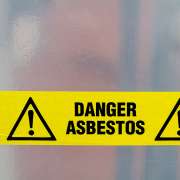
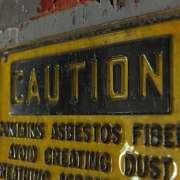
The Dangers of Asbestos and the Cover Up

The story of asbestos use and the harm it’s caused is both sad and maddening. It’s sad because so many people have suffered injuries and deaths due to its exposure. It’s maddening because much of it could’ve been avoided.

During decades of litigation and thousands of lawsuits, information about the asbestos industry covering up their knowledge that asbestos causes severe breathing problems, cancers, and mesotheliomas came to light. They put profit ahead of the health and safety of their own employees and those working with asbestos.

Companies involved with asbestos products knew they were dangerous and prevented this damaging information from being made public while denying that asbestos was a problem. It’s frightening to see how callous corporations can be when revenues and profits are at risk.

The Public Didn’t Know the Dangers of Asbestos, But the Asbestos Industry Did

About forty-five years ago, the lid on this information broke open for the public to see. Documents establishing corporate conspiracies were made public and were the subject of a Congressional investigation. The public was starting to grasp what a public health nightmare asbestos caused.

Erma Bombeck’s If Life is a Bowl of Cherries, What am I Doing in the Pits? was the top-selling non-fiction book in 1978. The Oldsmobile Cutlass was the biggest-selling car in the US, and the hottest hit song was the Bee Gees’ “Night Fever.” Jimmy Carter was the US President.

It’s also the year The Washington Post wrote about how asbestos companies’ secret communications and internal directives were made public. About a thousand asbestos lawsuits were pending at the time. By 2002, according to the Rand Corporation, about 730,000 plaintiffs filed asbestos-related legal claims.

The newspaper reported that federal cancer experts that year linked asbestos to as much as 18 percent of all cancer cases expected in the upcoming two decades.

Damaging Testimony and a Paper Trail of Deceit

Documents going back to 1934 from two of the largest asbestos firms, Johns-Manville and Raybestos-Manhattan, described how senior executives suppressed information about the potential harm to workers.

Part of the documents are letters between Raybestos president Sumner Simpson and Johns-Manville attorney Vandiver Brown and those between Simpson and the trade publication Asbestos. During litigation, essential former employees provided critical testimony about companies’ disregard for safety.

  1. Damaging Information Wasn’t to be Published

One 1935 letter from an Asbestos editor asked Simpson’s permission to publish an article on asbestosis. Prior British studies showed asbestos was harmful to workers, but US firms played down the danger.

The editor stated that Brown requested that no articles about asbestosis be published, and the publication complied. Brown replied by writing, “(T)he less said about asbestos the better off we are…I quite agree with you that our interests are best served by having asbestosis receive a minimum of publicity.”

The industry spent thousands of dollars setting up research projects at a New York laboratory in the 1930s and 1940s but stopped researchers from publishing findings showing possible harm to humans by asbestos.

  1. Physician Told Company of Cancer Dangers and Warned It of Future Lawsuits

The Philip Carey Co. ignored warnings by Dr. Thomas Mancuso, their medical consultant, about asbestos’ danger and fired him after predicted lawsuits would be filed by asbestos-exposed workers.

Dr. Mancuso was hired in 1963 to investigate asbestos problems. He wrote an 11-page report stating that questions had been raised within the company over why the connection between asbestos and cancer wasn’t recognized earlier by the industry.

The epidemiologist stated the relationship was recognized, “…but the asbestos industry chose to ignore and deny their existence.” Dr. Mancuso suggested that the firm use warning labels on its products, but it failed to do so until 1969.

  1. Employees Had Asbestosis, But Their Employer Didn’t Tell Them

In a 1949 study, Dr. Kenneth Wallace Smith, Johns-Manville’s former medical director, who at the time was the head of the company’s Canadian medical department, stated that some of their workers had asbestosis but were not told. He noted the condition was “irreversible and permanent” and:

“Eventually, compensation will be paid to each of these men. But as long as a man is not disabled it is felt he should not be told of his condition so that he can live and work in peace and the company can benefit by his many years of experience.”

In 1976, Dr. Smith stated under oath in a deposition that he told company officials about asbestos’ dangers to asbestos insulation workers in 1952. He also admitted he had published scientific reports contradicting his private warnings to his employer.

Smith also said Johns-Manville medical officials in 1951 or 1952 suggested putting caution warnings on their products because of the danger to workers using them. Those warnings weren’t put on packaging until 1964.

Smith said Johns-Manville executives’ reaction to his warnings was:

“We know that we are producing disease in the employees who manufacture these products and there is no question in my mind that disease is being produced in non-JM employees who may use certain of these products.”

Johns-Manville maintained a policy of not informing employees that physical examinations showed signs of asbestosis, despite the company’s knowledge that the condition was progressive and fatal unless treated early until 1971.

Wilber Leslie Ruff, who managed Johns-Manville plants in New Jersey and California, testified in 1978 that asbestos diseases were “a sort of hush-hush condition” at Johns-Manville.

Get Boots on The Ground Working For You

Satterley & Kelley PLLC attorneys take action in asbestos exposure cases and help victims and their families however we can. You may have a valid compensation claim if diagnosed with an asbestos-related disease. Contact us so we can discuss your case in a free initial consultation.

Call 855-385-9532 or contact us online today to schedule an appointment with the experienced mesothelioma attorneys at our firm.

Johnson & Johnson Files for Bankruptcy Again (Podcast)

In this podcast, Paul Kelley from Satterley and Kelley explains how Johnson & Johnson has attempted to avoid liability for its cancer-causing products by filing lawsuits to get stays against litigation. The Third Circuit Court has allowed a bankruptcy case from a J&J subsidiary to move forward, but it also declared that there is no longer a stay for lawsuits against Johnson & Johnson.

This means victims can resume their existing lawsuits or bring forward new claims in June 2023.

John Maher: Hi. I’m John Maher. I’m here today with Paul Kelley. Paul is a partner with the Kentucky personal injury law firm Satterley & Kelley, which has over 30 years of collective experience in handling cases involving mesothelioma and asbestos exposure. Today, we’re talking about Johnson & Johnson filing for bankruptcy, again. Welcome, Paul.

Paul Kelley: Hi, John. How are you doing today?

Johnson & Johnson Tried to Escape Liability for Its Cancer-Causing Products by Filing for Bankruptcy

John: Good. Thanks. Paul, we have some recent news on the Johnson & Johnson asbestos lawsuits, but maybe for those people who need to get a little bit caught up, maybe remind us what happened with Johnson & Johnson to get us to this point.

Paul: Sure, and thanks, John. Johnson & Johnson for the last five to seven years has been embroiled in lawsuits all throughout the United States revolving around their Johnson & Johnson Baby Powder and other cosmetic powders that they manufacture historically. There are two cancers that have been alleged and we think have been proven in courts throughout the United States, that exposure to asbestos and talcum powder manufactured by Johnson & Johnson causes ovarian cancer in women and causes mesothelioma in all people.

At one point, in the fall of 2021, it’s my understanding that there were 38,000 cases alleging ovarian cancer had been filed throughout the United States and about 400 lawsuits alleging mesothelioma from exposure to Johnson & Johnson body powders had been filed somewhere in the United States. Without getting into the weeds too much, because we’ve talked about this before, Johnson & Johnson essentially started, formed a subsidiary called LTL Management and sent all of the talc-based liabilities, all these litigation liabilities to LTL, and then LTL essentially declared bankruptcy and bankrupted all those liabilities.

It was a complicated transaction that occurred. Essentially, as a part of the United States Bankruptcy Code, Johnson & Johnson, even though it and its subsidiary, JJCI, that was responsible for the manufacture of baby powder beginning in the ’70s and then moving forward, even though those companies weren’t bankrupt, they were able to take advantage of the stay that gets put in place when a company files for bankruptcy.

From October 2021 until April of this year, all lawsuits against Johnson & Johnson arising out of exposure to baby powder or Shower to Shower or some other body powder, whether it was alleging ovarian cancer or alleging mesothelioma, those cases have been stayed, and so nobody’s been able to take a case to trial, nobody’s been able to proceed.

Eventually, in January of this year, the Third Circuit Court of Appeals reversed the bankruptcy court which denied a motion to dismiss Johnson & Johnson, LTL’s bankruptcy and determined that the bankruptcy should have been dismissed. The basis for that determination was that neither LTL nor its parent company, Johnson & Johnson, are in financial distress. That is the single most important factor. Whether it’s a corporate bankruptcy or an individual bankruptcy, is the debtor, J&J, LTL, are they under financial distress that it could not operate its company without the protection of the United States Bankruptcy Laws?

In January, the Third Circuit said the bankruptcy needs to be dismissed, but there’s always things that happen, and that’s really what we’re here to talk about today is what’s happened since that point.

The Third Circuit Court Issued a Mandate to Dismiss Johnson & Johnson’s Bankruptcy Case

John: Okay. Yeah, so why don’t you give us that news then? I know that something just happened just last week in terms of the case. What recently happened?

Paul: Following Johnson & Johnson or, excuse me, following the Third Circuit’s decision, the bankruptcy should have been dismissed. Johnson & Johnson and LTL still had some rights in the Third Circuit, and they filed something called a petition for rehearing en banc.

Typically speaking, when an appellate court in the federal system hears an appeal from a lower court, three judges listen to that appeal, and it takes a majority, two to one, in order for a decision to be rendered. That’s what happened in January.

Following that, Johnson & Johnson and LTL sought rehearing en banc. What that means is every judge that’s in the Third Circuit Court of Appeals, and I’m not sure how many there are, but there’s probably 15 to 20, that they are asked to also decide whether Johnson & Johnson and LTL’s bankruptcy should move forward or whether it should be dismissed.

Very rarely are petitions for rehearing en banc granted. In fact, this petition for rehearing en banc was not granted. It was denied in March, late March.

On April, I think it was April the 7th, the Third Circuit issued what’s called a mandate, and the mandate essentially is a direction to the lower court, which in this case was the Bankruptcy Court for the District of Delaware, “You have to dismiss the case. All appellate rights have been exhausted. You have to dismiss the case,” which now effectively means Johnson & Johnson, JJCI are back in the tort system, and people who have been injured as a result of their product can start to litigate their cases again. They can take them to trial. They can get discovery and engage in the full gauntlet of activities it takes to get a case to trial.

Johnson & Johnson Filed for Bankruptcy Again So the Courts Would Issue a Stay for Lawsuits Against the Company

Well, that was probably 9:30, 10:00 in the morning, and by 3:00 that afternoon, LTL filed another bankruptcy petition and sought another stay of all the lawsuits all throughout the United States. It was highly unusual. To be frank, we expected that the first bankruptcy would not be the end of this conflict. We expected that, down the road, LTL, Johnson & Johnson related entities would perhaps refile again, but I didn’t expect it to occur the very day that the Third Circuit laid down its mandate. For about three hours, we were all pretty excited about the prospect of being able to seek relief for our clients and, later that afternoon, it was taken away.

Now, shortly thereafter, the New Jersey Bankruptcy Court issued a temporary restraining order. What that means is that for a period of time until the court could schedule some additional proceedings and hear some additional argument that, again, all cases against J&J from East Coast to West Coast were again stayed, no trials are going to occur, no discovery can take place. I mean, nothing can happen as it relates to Johnson & Johnson.

However, that particular stay was only going to be in place for as long as it took for the bankruptcy court to hear additional argument as to whether that stay should persist for longer than a week or two or a couple of months, so on April 11th and then again on April 18th, the court held some pretty significant proceedings, took witnesses from Johnson & Johnson, allowed the creditors’ committee, which essentially is the people that represent the victims of J&J’s products, to cross-examine these witnesses to get to the core of the issue, which is is Johnson & Johnson, is LTL, is any other subsidiary that’s been formed to try to eliminate this liability, are they under financial distress? That’s ultimately what the bankruptcy court has to decide.

Bankruptcy Court Stays Litigation Against LTL, but Allows Litigation Against J&J to Move Forward

The good news is, last Thursday, April 20th, the bankruptcy judge in New Jersey did not dismiss the bankruptcy, the second bankruptcy. It’s still going. The bankruptcy judge continued the stay of all litigation related to LTL, the actual bankrupt debtor. However, the court for the most part lifted the stay as it relates to Johnson & Johnson, JJCI, and other companies that sold J&J products. What that means is is that, effective that day, effective April 20th, Johnson & Johnson is back in the tort system. It doesn’t get the benefit of the automatic stay right now and has to participate in cases.

Now, the court did give one caveat. No trials can occur against Johnson & Johnson any earlier than June 15th of 2023, so less than a couple of months from now. The court really did not give a reason as to why trials couldn’t proceed at that point. I suspect, because there are so many cases out there, that the court wanted to give the courts overseeing those cases some time to get things back in action in those courts, but the court, New Jersey Bankruptcy Court, made it very, very clear, John, that starting that day, J&J now has to start participating in these lawsuits again. Come June 15th, it will be trying cases all throughout the country again just like it did prior to the October 2021 bankruptcy.

The Third Circuit Concluded That the Lawsuit Was Filed in Bad Faith

John: Okay. Now, will you be going after J&J, the parent company, now and not LTL, this other company that J&J set up in order to take over the liability for these cases?

Paul: Absolutely. First of all, the court said that we can’t really proceed against LTL right now, which is the debtor. Our position has always been all along Johnson & Johnson and JJCI are the responsible parties for manufacturing this product and for causing people’s injury.

Now, while the bankruptcy court didn’t necessarily say that there was fraud perpetrated on the court, the Third Circuit didn’t say that, they did conclude or the Third Circuit concluded that this was a bad faith bankruptcy. Because Johnson & Johnson and LTL are not in financial distress, they shouldn’t get the benefit of this bankruptcy.

Right now, we are able to proceed against the parties that we’ve always felt were responsible for causing our clients’ injuries. LTL, its responsibility is just contractual because Johnson & Johnson gave it the liabilities. LTL didn’t exist at any point in time that Johnson & Johnson even manufactured body powders that contain asbestos. There are reasons why we want LTL to ultimately be… for its bankruptcy to be dismissed. There are reasons why we want the injunction to be lifted as it relates to LTL, but we don’t need LTL to continue doing what we’ve been doing for the last seven or eight years, which is trying to hold Johnson & Johnson and JJCI responsible for causing people these terrible cancers.

If You Developed Cancer From J&J Products, You Can File a Lawsuit Starting in June 2023

John: Right. What does this mean for people now who have lawsuits that are currently filed against J&J or for new lawsuits that may come up in the near future?

Paul: Sure. It’s critically important for people with new lawsuits because they haven’t been able to file, even file a lawsuit since October of 2021. As soon as the bankruptcy was filed, all such activity was stayed.

John: Anybody who got sick just in the last couple of years, they haven’t been able to do anything to move forward with a lawsuit, but now they can?

Paul: Absolutely right. I mean, they could sue anybody else that they thought might have been responsible, but they could not sue Johnson & Johnson, and obviously you couldn’t even get a trial date if you can’t file a suit. The good news is, no matter when that diagnosis occurred, they can file their lawsuit now against Johnson & Johnson and JJCI just as they could a year and a half ago. That’s good news for new cases or new potential lawsuits.

For people that had lawsuits pending against Johnson & Johnson at the time of the original bankruptcy, it’s all over the board as to what’s going to happen in the immediate future. For example, I have a case that’s scheduled for trial in September,  and we’ve had other defendants that are involved in that case, and we’ve been litigating it for the entire time while J&J has been in bankruptcy, and we have a trial date. Our intention is to try the case against all of them, including Johnson & Johnson, in September when the court scheduled the case.

Some courts may not allow that to occur. Some courts have stayed cases against everybody, even parties that are not within the Johnson & Johnson umbrella, because they wanted to see how the bankruptcy turned out. Some cases are ready to be tried today. It really just depends on what jurisdiction you’re in, what stage of litigation the case is in at this point, but my suspicion is is that lawyers representing victims across the country are going to be pushing hard to get their case to trial because the problem, of course, is the devastating impact of these cancers, in particular mesothelioma, is that the victims aren’t going to live two, three, four years.

They need to get those cases to trial as soon as possible so they can participate in their cases. I anticipate that the plaintiff’s lawyers all over the country will be very aggressive in trying to get these cases to trial for sure.

 Contact Satterley and Kelley for Help

John: All right. Well, that’s really great information and a great update, Paul. Thanks again for speaking with me today.

Paul: Thanks, John. I appreciate it.

John: For more information about mesothelioma and asbestos exposure, you can visit the law firm of Satterley & Kelley at satterleylaw.com or call 855-385-9532.

Explore More Podcasts
Legal Process and Lawsuits:
Corporate Responsibility and Bankruptcy:
Specific Companies and Industries:
Health and Treatment:
Industry and Product Exposures:
Accidents and Injuries:
Company and Driver Responsibilities in Commercial Truck Accidents (Podcast)

In this podcast, Paul Kelley from Satterley and Kelley PLLC, talks about commercial trucking accidents. He explains who’s liable for the injuries, and then, he outlines what you should do if you get into an accident with a commercial truck driver.

John Maher: Hi, I’m John Maher. I’m here today with Paul Kelley. Paul is a partner with the Kentucky Personal Injury Law firm, Satterley & Kelley which has over 30 years of collective experience in handling personal injury and wrongful death claims.

Today we’re talking about company and driver responsibilities in commercial truck accidents. Welcome, Paul.

Paul Kelley: Hey, John. How you doing today?

Defining Commercial Truck Accidents

John: Good, thanks. So Paul, what’s an example of a commercial truck accident? What do we mean by that?

Paul: Oh, gosh, John. I mean, there’s so many. I mean, there’s so many trucks on the road now, but not to pick on any company or single anybody out, but Amazon has a lot of trucks on the road, from delivering packages, millions of packages on a daily basis and thousands probably in Kentucky. So that’s a commercial truck where it’s a carrier like a UPS or a Federal Express or any company like that. But there’s literally thousands of similar types of vehicles that are on the road today that are delivering products from coast to coast.

John: Right. So it doesn’t have to be just like an 18 wheeler that you see on the highway. It can be that, of course there’s lots of those on the road, but it could also be these smaller delivery trucks or things like that?

Paul: Absolutely. I mean, it can be haul trucks. I mean things that are just hauling rocks or coal or steel back and forth. It can be garbage trucks. It can be any large vehicle that is intended to carry or deliver something in between two locations. And we encounter dozens of them every day on the 10 minute drive from home to work and back.

They’re all over the place, and they are different than just a regular car, a passenger car, a passenger truck. They are different because there are regulations that are in place that cover a full gamut of things that truck companies and truck drivers are supposed to do to keep the road safe as a result of the vehicles that they’re driving.

And I’m sure that all of the listeners are aware that there’s a special license, commercial driver’s license that the drivers have to get, and they have different requirements than we do just to go to the DMV and get our license to drive our own cars.

So again, there is a huge responsibility that is imposed upon truck drivers and truck companies, delivery companies, garbage companies, haul truck companies. There’s a huge responsibility that’s placed on them in order to do what they ultimately get to do.

Interstate Trucking Through Kentucky

John: Right. And Satterley & Kelley is based in Louisville, Kentucky. I imagine that being sort of in the position that you’re in, sort of right in the middle of the United States there, you must see a lot of interstate trucking going both north and south and east to west, going through Kentucky, delivering all kinds of things.

Paul: Oh, absolutely. I mean, UPS has a major hub in Louisville, and so a ton of flights are coming through, but a lot of ground deliveries are taking place that originate right here in Louisville. And so yes, I mean truck collisions sadly are a problem everywhere, and I think they’re a particular problem where we sit.

Who Is Responsible in a Commercial Trucking Accident? The Driver or the Company?

John: Right. So when a commercial truck is in an accident, is it the driver or the company that owns the truck that’s responsible?

Paul: So, they’ll both be responsible. The driver will certainly be responsible for his or her negligence. We have something called the vicarious liability. It’s also referred to as respondeat superior. It essentially means that the owner of the truck or the company that they work for, they are vicariously liable for the negligence of the truck driver.

So when somebody gets into a collision or an accident with one of these big trucks, it’s not just the driver that you’re going after and it’s not some poor person who makes whatever they make, and then you’re going to send that person into bankruptcy if you get a big verdict.

It’s the employer that’s also responsible because the employer, the company that owns the truck, the company that the driver’s working for, they’re getting the benefit. And typically speaking, those collisions always occur in what we call the scope of employment. And that always is a big point. If the driver says, “I left X location at 9:20 this morning for the Acme Company and I was delivering a product to another company across town.” You’re within the scope of your employment. And so the company, the employer, is always going to be held responsible for the driver’s negligence.

Now, there can be situations where they deviate from the scope of their employment and that deviation as such that it somehow takes the employer out of it. But I haven’t seen that happen yet.

John: It would be pretty rare.

Paul: It would be extraordinarily rare. And they own the vehicle. So there’s always responsibility no matter what, but for typically speaking, the company is going to be responsible for their employee’s negligence.

Company Liability for Commercial Trucking Accidents

John: Right. The driver would almost have to go rogue and say, okay, I’m going to veer off of my route and go off and take the truck on some personal thing that I’m doing, but that would be grounds for being fired. So I don’t think too many drivers would be doing that, but it could happen.

Paul: Well, and so there’s also kind of a second way that you can get the company or hold the company responsible. Sometimes we see situations where the driver should not have been hired in the first place. These companies are generally massive, sophisticated companies. They make millions, if not billions of dollars a year doing what they do, and they have an obligation to make sure that safe drivers are operating their vehicles.

And so things like alcohol related incidents that occurred either before or after they’re hired that they could have and should have discovered, that can be an additional basis to hold the company liable if there are, just a bad driving record. It doesn’t have to be alcohol related, it could just be a bad driving record. The company can be held additionally responsible for essentially what we call a negligent hiring or a negligent retention. And there is some split in terms of legal authority as to how far you can go with that.

But certainly if a driver has two DUIs before you hired them, that person shouldn’t have been hired. And God forbid that driver then consumes alcohol while they’re operating one of these death machines and causes a collision. And it could have been easily avoided by just not hiring that driver.

We’re going to see some interesting things that are going to happen in the future, John, because you probably have read about, and many of our listeners probably have as well, about driverless vehicles. We don’t know exactly where it’s going to go yet. The law is trying to keep up with it all, and it’s difficult to do because the technology is available, but it’s not being widely used at this point.

But I personally believe that the first vehicles that we really see on a widespread basis that will be driverless will be these big trucks, not your Amazon and your UPS, which requires somebody to get out of the car and go deliver the package. But your 18 wheelers where it’s literally loaded in one spot and unloaded in another spot.

Potential Liability Issues for Driverless Trucks in the Future

John: They’re just going from a loading dock to a loading dock and that’s it?

Paul: That’s right.

John: Yeah.

Paul: And the driver himself or herself is not actually physically loading or unloading the vehicle. We can conceive that those vehicles may be the ones that are the first driverless vehicles. And so that’ll post some interesting things in the future. And we’re working on that both as a part of what we do at Satterley & Kelley, but I’m also in trial organizations that work with legislators to try to figure out how to deal with that sort of thing, if and when it happens.

John: Right, you don’t have a driver that you can go after in the case of an accident, but obviously, the company could be at fault potentially whatever the software, AI that’s driving the car could be at fault there as well. So there lots of interesting things to think about.

Third-Party Liability for Commercial Trucking Accidents

Paul: Absolutely, absolutely. One other issue aside from the driver’s vehicle aspect of it, is there’s always a potential, a product liability component to being the cause of a commercial truck accident. Sometimes the driver didn’t do anything wrong. The trailer was defective and it came off the hitch and smashed into somebody. Sometimes the tires blow out and they were perfectly maintained, but there was just a dud of a tire that came on.

And so the manufacturers of the trailers or the trucks or the tires or whatever the component may be that actually contributed to the collision. And everybody’s done this, you’ve driven on the highway before and you’ve gotten behind a logging truck or something that is carrying something like steel or beams that’s held on by a strap and you’re thinking, “I need to get away from this vehicle.”

John: I try to get as far away from that truck as possible.

Paul: More than likely it’s secure, it’s secure as it can be, but it’s always a frightening situation. And so there can also be situations where, well, the driver didn’t necessarily do anything wrong. The company that he worked for didn’t necessarily do anything wrong, but the places where they load these vehicles, they didn’t load them properly, they didn’t secure the loads properly. And maybe the driver has some responsibility for that, but it can go beyond just the driver and the driver’s employer, but it could also be the companies that they’re transporting products for.

So, it takes a little bit to dive into all of those details because when we get a case, we really know one thing and one thing only at that point, that somebody was likely catastrophically injured in a collision caused by a 18 wheeler or some other type of commercial vehicle, like a UPS truck or a logging truck.

And then we have to figure out the why. And the why could be a loading problem. The why could be completely driver negligence. The issue could be some sort of product liability associated with the vehicle itself, and it can be a combination of all those things.

And so, those cases are not always very easy. But the good news is typically somebody’s responsible for causing that kind of collision, and typically they’re all there and available to identify and to get and hopefully hold somebody accountable and properly compensate people for what likely would be a pretty catastrophic injury.

What to Do If You’re in a Commercial Trucking Accident

John: So, what should a person do if they are involved in an accident with a commercial truck?

Paul: Well, so in Kentucky we have two years to pursue a claim against the driver and against the driver’s employer. I believe that we really only have a year from the collision to file a product’s liability claim and to potentially to file a negligence action if, for example, we conclude that it was loaded improperly and that somehow contributed to the collision.

Reason that is, is we have the Motor Vehicle Reparations Act in Kentucky, which governs the law and statute of limitations for all motor vehicle accidents. And that’s a two year statute of limitations. For everything else in Kentucky, we only have a one year statute of limitations for personal injuries caused by something other than a motor vehicle collision.

And so time is always of the essence. A year goes by fast. And while we still would potentially have a claim under the Motor Vehicle Reparations Act for two years, if it’s a product defect, you may lose out if you take a year in order to contact a lawyer and to investigate the claim.

So the main issue, of course, is always a medical situation. I mean, some people fortunately aren’t permanently injured or aren’t so injured that they can’t do their daily functions. Some people are killed, some people are catastrophically and tragically injured. So getting the medical situation under control is certainly first and foremost for everybody. But unfortunately, because as soon as you get into a collision, and you’ve probably heard of the black box, a lot of these trucks have black boxes. Your cars do now too. But as soon as this collision occurs, somebody for that trucking company is investigating right away.

They probably come to the scene of the collision. It’s where they have a huge advantage over you. Most people don’t have the wherewithal ability and probably the mental faculty, once they get into a collision to contact a lawyer that they trust immediately to get out to the scene of the collision to start to investigate.

So, they’re getting a huge drop and they’re going to have a ton of information that’s compiled before you get out of the ER if you’re lucky enough to get out of the ER the day of the accident. And certainly if you have a lengthy hospital stay, by the time you get out, they’ve got it all figured out. They may not be willing to tell us what they figured out, but they’ve got it figured out and they’ve got it figured out how they’re going to defend the case.

So, it’s critical to contact a lawyer immediately, contact somebody that has experience with these cases and do it as quickly as possible so that we have enough time to investigate and figure out all the things that we’ve been talking about today. Was this a driver error? Was this a loading problem? Was it a product liability? Was it something else?

And of course there could be multiple vehicles involved and all kinds of other things. So, some are very straightforward and you’ll figure it out pretty quickly, some are not. But the sooner that you can retain an attorney and have somebody protect your rights, the better. Before that happens, whether it’s three days, three weeks, or three months, in my view, it’s important not to give statements to the truck company or to its insurance carrier.

We hear the term a lot in the criminal context, but something I think resonates with everybody is what you say can and will be used against you. And if you give a recorded statement or some sort of statement to the truck company, it may not be accurate and it may not be helpful depending on what’s been asked and you’re not represented. So there’s nobody there to protect you in the circumstances.

So, I always tell everybody that the nicest person’s going to pick up the phone, they’re going to call you and they’re going to act like they’re your best friend and they’re going to give you all kinds of great information and tell you everything’s going to be good, but they’re not your friend and they’re not there to protect you. They’re there to protect the company that they represent.

So, it’s critical while you’re evaluating what you want to do, i.e., hiring a lawyer, not hiring a lawyer, whatever the situation is. But it’s important that you don’t have communications, verbal, give statements, sworn statements, written statements, it’s important that you don’t do that until you get your business figured out as to how you’re going to approach that case.

How to Communicate With the Trucking Company

John: And so how do you recommend that people approach that if say the insurance company or the trucking company does call, do you just sort of politely say, “I’m sorry, I can’t talk about this right now. I’m in the middle of hiring a lawyer, or I’ve hired a lawyer and I think you’re probably going to need to speak with them,” and maybe give your lawyer’s name and phone number out to them, or what’s the sort of the way that somebody should handle one of those calls?

Paul: Sure. So before you’ve hired a lawyer, the best approach is to say, “I’m not prepared to address this now. Me or a lawyer will be in touch with you someday,” and leave it at that. Nobody can compel you to do anything. You’re under no obligation to talk to the opposing driver or to the opposing driver’s insurance company or their employer.

Now, there are some situations where your own insurance company may contact you, and I still recommend that you refrain from giving interviews or giving any sworn statements to your own insurance company until you retain counsel. Sometimes though, in order to access medical benefits under your own insurance policy, you need to give them enough information in order to get that accomplished.

So, do what you need to do to get your medical expenses paid by your own carrier. But if it’s the other side, politely decline to speak with them because they’ll promise you, well, we’ll pay your medical expenses. Just tell us what happened. And that promise isn’t binding. I mean, you get that in writing.

Don’t sign anything ever until you hire an attorney and your attorney says it’s okay. Some of these contracts, these settlement agreements that I get, and I’ve been doing this for 21 years, my partner’s been doing it for 25 years, that first draft, sometimes it’s the simplest thing you ever saw. No big deal. Completely understandable. One page, sometimes it’s 15 pages, and it takes forever to go through and figure out what it is that they’re actually getting you to agree to. So, that’s important.

After you’ve hired an attorney, well, that’s easy. They can’t talk to you at that point. Now you have to notify them or the attorney does. And what I usually do when somebody hires me is we send a letter to the company. Usually we get some information that we’re able to do that and say we represent John Doe. Please direct any further correspondence and communication to me. And from an ethical standpoint, they cannot have any contact with the victim anymore.

If that hasn’t happened for whatever reason, or they’ve ignored it or just hadn’t gotten to him yet, it’s important for you to say, “I’ve hired a lawyer. You need to contact my lawyer. This is what his or her name is, contact them,” and that’s that.

But at that point, any communication that the employer, company, the insurance company, anybody adverse to you at that point, they have to go through me. They can’t just pick up the phone anytime they want and try to get information. Just like I can’t do the same thing with their managers, supervisors, the driver, the president of the company, have to do everything through them at that point.

Contact Satterley and Kelley If You’ve Been in an Accident

John: Right. Okay. All right. That’s really great information, Paul. Thanks again for speaking with me today.

Paul: Thanks, John. I appreciate it.

John: And for more information about personal injury and wrongful death claims, visit the law firm of Satterley and Kelley at satterleylaw.com or call 855-385-9532.

Explore More Podcasts
Legal Process and Lawsuits:
Corporate Responsibility and Bankruptcy:
Specific Companies and Industries:
Health and Treatment:
Industry and Product Exposures:
Accidents and Injuries:

Asbestos Exposure and US Steel Facilities in Pennsylvania (Podcast)

In this podcast, Paul Kelley from the law firm of Satterley and Kelley PLLC talks about asbestos exposure at U.S. Steel in Pennsylvania. He explains who was exposed, the consequences of exposure, and what to do if you have mesothelioma.

John Maher: Hi, I am John Maher. I’m here today with Paul Kelley. Paul is a partner with the Kentucky personal injury law firm, Satterley & Kelley, which has over 30 years of collective experience in handling cases involving mesothelioma and asbestos exposure. Today we’re talking about asbestos exposure at U.S. Steel facilities in Pennsylvania. Welcome, Paul.

Paul Kelley: Hi, John. How are you doing today?

US Steel in Pennsylvania

John: Good, thanks. Paul. What is U.S. Steel in Pennsylvania?

Paul: Well, I think at one point, U.S. Steel was one of the biggest companies in America, started in the 1800s, and they produced, quite frankly, most of the steel throughout the United States at one point in time over the last 100 years or so. It’s diversified and has had more competitors, but it’s still a big operation that owns lots of steel plants throughout the country, and particularly in the Pennsylvania, a lot in Pittsburgh. And it makes steel, and has made steel for a long time, and it makes steel for lots of different industries.

And really, through its various plants, it makes all kinds of different steel. Sometimes it makes steel for itself to make something else. Sometimes it makes steels for other customers so that those customers can make a product. But if you ever watch The Godfather Part II, there’s a scene where they’re talking about the size of their criminal organization.

I’m not saying that U.S. Steel is a criminal organization, but that’s what the basis of the movie was. And Hyman Roth makes a remark that they were as big as U.S. Steel. And in 1950-something when that was being talked about, that meant a lot to a lot of people because U.S. Steel was literally one of the biggest companies. It was the Amazon, the Microsoft of its time.

Link Between U.S. Steel and Asbestos/Mesothelioma Cancer Cases

John: Sure. So how is U.S. Steel related to asbestos and mesothelioma cancer cases?

Paul: Sure. So what we’ve seen is that U.S. Steel operated a lot of plants, and I’ll focus today for the purpose of our conversation on the Pittsburgh area. And there was a series of plants there that made various, or played various roles in the processing, and manufacturing and production of steel. Those plants were typically built almost 100 years ago, or the ’40s and ’50s, and they were built at a time when asbestos was a very prevalent material that was utilized for a lot of different things.

It was utilized for asbestos insulation on pipes and steam lines and hot water lines and chemical processes. It was used to insulate tanks that held chemicals. It was very commonly used as an insulated material for the giant ovens that made the steel. These ovens are furnaces that were in these facilities. I mean, they got thousands degrees hot, and they were insulated with fire brick, they were insulated with refractory material, and all those materials at one time or another that contained asbestos probably before 1980, and people would be exposed.

Steel plants, again, were so hot, and it was dangerous. I mean, you could be burned by something that’s thousands of degrees hot. So there was a lot of protective clothing that was made back in the ’40s, ’50s, ’60s, and ’70s that was actually made of asbestos. Asbestos gloves, asbestos aprons, coats, welders, or welding coats that were made from asbestos. They used welding blankets to protect them from sparks that were made from asbestos. The welding rods at one point were made from asbestos.

There was something there called hot tops that were used during the steel manufacturing process that covered these molds. And when heat rose, it captured all of the impurities from the steel process because that was a big deal to make sure that there was no contamination of anything for the final product. And those hot tops were made from asbestos, and when they got really hot, they hashed up, and then blew a lot of asbestos into the air.

Some of these plants, well all these plants had railroad tracks that ran through the facilities for the purposes of bringing raw materials and transporting finished product out of the plants all day, every day. And those trains had asbestos brakes that were attached to them. They had things like boilers and that type of equipment, and those things were insulated with asbestos at one point in time.

Ceiling tile, floor tiles throughout the plants. There probably were more than a thousand different products that were installed into a plant or these various plants at U.S. Steel prior to the 1980s that contained asbestos, and I’ve touched on a lot of them.

There were gaskets, there were motors, these big giant motors that were insulated with asbestos. They had asbestos-containing wire, and there was just, there was so much there. And there have been dozens, if not hundreds of people who have contracted either mesothelioma or some other type of asbestos disease that worked at that plant, or those various plants.

And I think we’ve mentioned this before in prior podcasts that we’ve done that mesothelioma is a pretty rare disease, there’s only 3,000 diagnoses every year in the United States. And so it’s pretty rare to see one mesothelioma from one job site, 2, 3, 4, 5, 6, 7. I mean, it’s quite frankly, it’s a catastrophe.

John: Right, right. The chances of it being just a coincidence that these seven people got mesothelioma and they all worked at the same place, just almost impossible that would be the case unless that they got their exposure from working at that facility.

Paul: Absolutely, absolutely.

Which Employees Were Exposed to Asbestos at U.S. Steel?

John: Yeah. So what are some of the typical employees at U.S. Steel who might have been exposed to asbestos, and might have developed, or might in the future developed mesothelioma? Based on what you just said, it sounds like it could be a very wide range of workers.

Paul: Oh, very much so. I mean, again, back in the ’50s and ’60s, U.S. Steel employed thousands of people between these various plants. Some of these plants were the Clairton Works and Duquesne, I mean, there were several others in the area. It took a lot of people to maintain the plant. It took a lot of people to produce the steel.

And so we see bricklayers, we see electricians, we see millwrights, we see pipefitters, and plumbers. We see people that were just generally in maintenance. We see people like the boilermakers and the furnace operators, the people that were in these rooms with all this equipment every day, all day.

We see a lot of outside contractors that would come in like insulators and outside bricklayers and pipefitters. But the people that maintain the plant, we have represented people that were really not hands-on-related with any of the products. People that were employed to monitor, they weren’t really supervisors, but they were monitoring what other employees were doing so they could attempt to come up with a more efficient process. The train operators and the people that came in all day, every day.

One of the products I forgot to tell you about, they had these big dust collectors, they would be located in the various parts of these plants, and these dust collectors would collect all kinds of things. I mean, it was coal dust, and steel dust, and everything. But I mean, it’s impossible that they didn’t collect dust from the various ways that asbestos was released. So you’d have train operators or people that work for U.S. Steel that would roll through, and their job was to unload the dust collectors.

And I don’t know exactly how they do it today, but I guarantee it they don’t do it today the way they did it back then. Back then, they brought an open car in. And imagine when you empty the container in your vacuum cleaner and it’s got the little lever, and you just hold it over the trash can, and open it up, and it all falls out. And inevitably, you pull the lever too soon, and some of it falls on the floor, and you have to vacuum it up again.

John: Right. Or you get a big cloud of it coming up from the trash can and it goes in your face.

Paul: That’s right. And so what was happening is these giant dust collectors that were stories high and contained, I mean, lord knows how much dust was collected, and folks would empty those into open railroad cars. Yeah, it’s outdoor work, but I mean, you’re still somewhat enclosed when it’s occurring, and so there was dust exposure in that way.

So I would maintain that it really doesn’t matter what position you held. If you worked at the U.S. Steel facility, one of these steel manufacturing plants, probably prior to 1980, maybe even prior to 1990, there’s a very good chance that you were exposed to significant amounts of asbestos because it was just unavoidable.

What You Should Do If You Have Cancer or Mesothelioma From Asbestos Exposure at U.S. Steel

John: Right. So if you think that you were exposed to asbestos at U.S. Steel, and now you have lung cancer, or asbestosis, or mesothelioma, what should you do?

Paul: Certainly you should contact a lawyer. It’s important to evaluate your rights. There were a lot of culpable parties that were responsible for contributing to your asbestos exposure. My experience with U.S. Steel and the plants that I’m familiar with in the Pittsburgh area is that people didn’t know. I mean, they didn’t know in the ’50s and ’60s what they were working with. I described a product earlier today, the hot tops. Nobody knew that those products contain asbestos. Now, the manufacturer of hot tops did and U.S. Steel did, but the workers that were exposed to those things, they didn’t know.

And so a common question that I get or a statement that’s made to me is, “Well, gosh, I just don’t know what asbestos I was exposed to when I worked at the plant. I didn’t think there was really anything there.” And then I asked, “Well, what’d you do?” I worked in the coke room.

The coke was a product that was made essentially to put into other furnaces to heat those furnaces up. And all those furnaces, there were dozens of them in these coke rooms, and all of those furnaces were lined with asbestos. All of them had to be done every year and have the materials pulled out and put back in. And so it’s like, “Well, were you around when they did any of that work?” “Oh, yeah, yeah. I was a pipefitter.” “Oh, well then, you worked a lot of gaskets, didn’t you?” Yeah. Well, those gaskets contain asbestos.

So I think it’s important to contact a lawyer who has experience with asbestos cases, who has experience with this particular type of exposure in these particular plants so that’s critical. It’s important to not speculate and start talking to your doctors and saying, “Well, I don’t really know where I was exposed or I don’t. I’m just guessing. Maybe I did some remodeling work somewhere.” Because at that point, if you don’t know, if you don’t know, it’s never good to just engage in rank speculation. We can help with that.

And it’s not anything other than the fact that you didn’t know when you worked there that all that stuff contained asbestos, but you know that you did all those jobs. You know that you removed gaskets. You know that you cracked into motors. You know that maybe you did brake work on trains. Maybe you participated in the tear down of furnaces and ovens and those sorts of things.

And so when you are able to put those things together for us, then we can connect them to what the asbestos-containing products were there. And unfortunately, this is too common of an experience. Sometimes you just have to sue the company before they’ll tell you what it is that you were exposed to, because they didn’t tell you back then.

So I think that’s very important. Probably even more important than that is always going to be getting your medical situation the best possible shape that you can get it in. We’ve discussed about this in other podcasts, but mesothelioma in particular is a very difficult diagnosis. It is almost universally a fatal diagnosis, but the medical treatment is so much better today than it ever used to be. So getting with the right doctors and medical providers and getting a medical plan that’s in the best interest of you, whether that’s surgery, chemotherapy, radiation, something else, there’s a lot of great doctors.

And in fact, for people who were exposed in the Pittsburgh area at some of these plants at U.S. Steel, the University of Pittsburgh Medical Center is a fantastic place, and it has a lot of great doctors that have treated a lot of mesothelioma patients over the years and still continue to do so. Now, if you’ve been exposed someplace other than the Pittsburgh facilities, if it’s in Philadelphia, there’s some great facilities in Philadelphia and throughout the state. And then of course, U.S. Steel also has facilities in places outside Pennsylvania, but getting the medical situation under control to the best of your ability is critical.

Early diagnosis is a big deal. And I mentioned that because a lot of people, again, when they start developing that cough, they don’t really think anything of it, it’s going to go away. Well, if you’ve had a lifetime of asbestos exposure, that cough means a little bit more than it does to folks who have not had a lifetime of asbestos exposure. For me, it’s probably a cold that’ll go away in a few days. But if it’s something that’s been prevalent for a couple weeks, it’s a big problem, and it very well could be an early sign of lung cancer or mesothelioma.

Lung cancer is very treatable. A lot of people survive lung cancer. And if they develop that disease and it’s early enough, detected early enough, they can provide treatment and people can live long and happy life. Mesothelioma, not quite as positive of prognosis, but the earlier it’s detected, the better chance that doctors have to treat it. And while it’s rare, we do see people who have lived for 10, 15, 20 years following a diagnosis. And in those circumstances, universally, it’s always been people who have detected it early.

Be Aware of Early Signs of Mesothelioma If You Worked at U.S. Steel

John: So if you know that you worked at U.S. Steel, and then again, you develop a cough, and maybe you don’t have some of those other typical cold symptoms like nasal congestion or something like that, and it’s only a cough, that could be a sign of it, and so just go see your doctor as soon as possible.

Paul: Yeah, I mean, absolutely. And, of course, if it doesn’t go away, then that can be the sign of a bigger problem.

Statute of Limitations on Asbestos Exposure Cases

John: Right, right. So is there a statute of limitations in Pennsylvania on filing a case concerning asbestos exposure at U.S. Steel?

Paul: Yeah. So in Pennsylvania, it’s a two-year statute of limitations. It’s two years from the date of diagnosis, but there are some things that can extend it. You also have to know or should know what caused your disease. But a rule of thumb, two years from diagnosis is when you file a claim.

Two years is better than some states. Some states have a one-year, but it goes by quickly so time is of the essence, and It’s important to speak to an attorney about your rights immediately so that they can hit the ground rolling, and try to hold those accountable for causing this terrible injury.

Who Is Liable?

John: And in Pennsylvania, are you able to directly file a claim against U.S. Steel itself, or do you have to go after some of the manufacturers of the different products that were used at U.S. Steel?

Paul: So under Pennsylvania law, generally speaking, as the law stands today, you can sue U.S. Steel. The caveat is that your diagnosis has to come more than 300 weeks after your last exposure. 300 weeks is less than 10 years. The shortest latency period is 10 years, latency meaning the time from first exposure to diagnosis. And so a lot of people just are not diagnosed within 300 weeks of their last exposure.

So if the last exposure’s more than 300 weeks before diagnosis, then you can file a case directly against U.S. Steel in the tort system. If it somehow is within that 300 weeks, then you’re limited to workers’ compensation laws in which you can get some compensation, but it’s not quite the same as what you can get within the tort system. And then on top of that, yes, you can file against manufacturers and contractors, other companies that were responsible for putting the asbestos into the plant.

Contact Satterley and Kelley to Learn More

John: All right, well, that’s really great information, Paul. Thanks again for speaking with me today.

Paul: Thanks, John.

John: And for more information about mesothelioma and asbestos exposure, visit the law firm of Satterley & Kelley at satterleylaw.com or call 855-385-9532.

Explore More Podcasts
Legal Process and Lawsuits:
Corporate Responsibility and Bankruptcy:
Specific Companies and Industries:
Health and Treatment:
Industry and Product Exposures:
Accidents and Injuries: