Who is at risk of secondary asbestos exposure?

Asbestos is a material that was widely used in the 20th century in buildings, construction and even in common household objects. Asbestos is widely known to be a dangerous substance now, but strict regulations on the use of the material were not put in place until the 1970s. This means that many people suffered exposure to asbestos until this point, particularly construction, factory and navy workers. Since asbestos can still be present in buildings that predate the 1970s, people can suffer exposure even today when renovating without adequate protection.

The reason why asbestos is so dangerous is in part because it can cause mesothelioma, a rare form of cancer, when it is inhaled over a prolonged period of time. Asbestos is the only known cause of mesothelioma. Therefore, if you have been diagnosed with the disease, it is likely that you have been exposed to asbestos either directly or through secondary exposure.

What is secondary exposure to asbestos?

Secondary exposure to asbestos occurs when a person is exposed after another person has directly interacted with it. A common example of secondary asbestos exposure is when a man working in a factory containing asbestos returns home from work with contaminated clothing and after inhaling asbestos. When he returns home from work, his wife will likely touch his clothing and will therefore inhale the dust left on the clothing. Additionally, the asbestos breathed in from the factory may be exhaled in the home environment, and can be inhaled by the worker’s wife and even children. This is an unfortunate and typical example of asbestos exposure before the 1970s.

What can I do if I have been affected by secondary asbestos exposure?

If your loved one worked in an environment where asbestos was present and you have recently been diagnosed with mesothelioma, you should consider the possible ways that you can take action. It could be that you can claim damages from your loved one’s employer since you were affected by their use of asbestos.

There are many ways to take action if you are suffering from mesothelioma as a result of asbestos exposure. By pursuing damages, you may be able to claim compensation for medical bills and the pain and suffering caused.

Hawaii woman with mesothelioma sues Johnson & Johnson

Louisville residents may have heard how Johnson & Johnson is facing numerous lawsuits from consumers who were diagnosed with mesothelioma: a rare and aggressive cancer caused by asbestos exposure. The plaintiffs allege that regular use of the corporation’s talc-based baby powder, which was found to contain the mineral, led to their developing the cancer.

One of the most recent in the long line of victims is a 64-year-old native of Hawaii. She was diagnosed with malignant mesothelioma in February 2019 and filed a civil lawsuit in the Honolulu Circuit Court in November 2019. The defendants named in the lawsuit are Johnson & Johnson and the supermarket chain that sold the baby powder. The latter is being blamed because under product liability law, it had a duty not to sell unsafe products.

In October 2019, an FDA test found certain J&J baby powder bottles to be contaminated with asbestos. J&J subsequently recalled that lot of 30,000 bottles yet continued to deny the presence of the mineral in its products. Very few mesothelioma cases against J&J have ended in a settlement.

The plaintiff has already undergone four rounds of chemotherapy and is currently being treated with the antibody Keytruda. Her heart, kidneys and blood cell count have been seriously affected. The amount she seeks in damages has not been disclosed.

Asbestos exposure can occur not just through the use of certain products but also on the job. For example, workers may develop asbestos-related illnesses when removing old insulation or tiling. Whatever the case, victims may consider seeing a lawyer before filing a claim against their employer or the maker of an asbestos-contaminated product. A lawyer might hire investigators and other experts to build up the case before proceeding to negotiations. If negotiations fail, the lawyer may litigate.

Johnson & Johnson rushed asbestos tests for its baby powder

Louisville residents may have heard that Johnson & Johnson is being accused of selling talc-based baby powder containing asbestos. A new report from the Wall Street Journal reveals that the corporation rushed several laboratory tests in the effort to show that its product was free of asbestos contamination.

J&J had commissioned two independent laboratories to conduct the tests on the same baby powder products that were recalled by the FDA. One of those laboratories actually found asbestos but then quickly changed its conclusion, stating that the talc sample provided by J&J was contaminated by the AC unit in the testing room.

Talc and asbestos are two naturally occurring minerals that can be found in close proximity to one another. At this stage, though, where the findings of the test have not been replicated, experts cannot say for certain if J&J’s baby powder did contain asbestos. Still, the corporation is facing over 16,000 lawsuits claiming that the baby powder is responsible for consumers developing conditions like ovarian cancer and mesothelioma.

A federal judge is expected to give a ruling on whether the conflicting lab reports can be admitted as evidence. The FDA intensified its own testing back in 2017, but J&J continues to refute its findings.

Mesothelioma is one of the fatal diseases that are caused by asbestos exposure. Asbestos is a harmful mineral in any quantity, so those who are exposed to it may be eligible for compensation. Perhaps they were working in an old building where asbestos was in the insulation or tiling, or maybe they used a product containing the mineral. Whatever the case, victims, or their families if victims die, may want to see a lawyer about filing a claim and seeking a fair settlement against the responsible party.

Mesothelioma: symptoms and risk factors

Louisville residents should know that mesothelioma is a rare cancer but also one of the most aggressive. It occurs in the thin layer of tissue called the mesothelium, which covers the heart, lungs and other internal organs. The two major types are pleural, occurring in the lining of the lungs, and peritoneal, occurring in the lining of the abdomen.

Mesothelioma symptoms are not specific to the disease. Those with pleural mesothelioma will experience chest pain, shortness of breath and even weight loss. Peritoneal mesothelioma leads to abdominal pain and swelling as well as weight loss. Everyone is encouraged to see a doctor at the first sign of such symptoms, but considering the rarity of mesothelioma, one may be diagnosed with something else.

The number one risk factor in developing mesothelioma is exposure to asbestos. Asbestos fibers were once widely used in building materials, insulation and car brakes. While its use has been restricted, the U.S. has not banned it entirely. Miners breaking up asbestos can be exposed, and workers tearing out old insulation may inhale dust containing the mineral.

It can take between 20 and 60 years for mesothelioma to develop from asbestos exposure. Living with someone who works with asbestos and having a family history of mesothelioma also raise the risk for the cancer.

While there are treatments for mesothelioma and other asbestos-related illnesses, a cure is impossible. It’s important, then, that mesothelioma patients be diagnosed as soon as possible. Sometimes, that correct diagnosis may never come, and the doctors may be to blame. In some cases, the employers who had their employees work around asbestos may be to blame. There are various ways that a victim of asbestos exposure could strive for compensation, and a lawyer may explain them.

Asbestos Exposure for Jewelers and Mesothelioma Claims

Though asbestos use has been limited over the past few decades, it can still be found in various industries. Louisville residents should know that one of those industries is the jewelry industry.

Can Jewelers Be Exposed to Asbestos?

Yes, jewelers who used asbestos soldering forms or worked with materials containing asbestos may have been exposed to dangerous fibers.

Even limited exposure in the jewelry workshop setting can increase risk of mesothelioma years later.

This means that anyone working in a jewelry store, including sales associates who never actually make or repair items, can also be exposed to asbestos when those fibers are released in the air.

Real Example of a Mesothelioma Case Linked to Jewelry Work

The first jewelry-related mesothelioma case was reported on back in 1992 by the American Journal of Industrial Medicine, so the issue has been known for a while

It involved a 61-year-old man who had been a jeweler for 35 years. He was diagnosed with pleural mesothelioma, or cancer of the thin lining separating the lung cavity and chest wall. The cancer spread to one of the man’s lungs, so he underwent a pneumonectomy, or removal of an infected lung.

How Jewelers Are Exposed to Asbestos

In his case, as in many others, loose asbestos fibers were inhaled or ingested during the soldering process. Exposure can happen several ways, including:

●      Using a clay-like mixture of asbestos and water to hold two metal pieces together when soldering.

●      Handling materials that contain loose asbestos fibers.

●      Breathing in fibers released into the air during the soldering process.

Some forms of asbestos are less dangerous than others. But even those who are exposed to the “safe” forms can nonetheless develop mesothelioma.

While the American Journal of Industrial Medicine has called for asbestos soldering forms to be replaced, the fact is that generations of jewelers have already been exposed to the mineral. Mesothelioma takes up to 50 years to develop, so cases of it will likely appear in the future.

Legal Options for Workers Exposed to Asbestos

When mesothelioma can be traced back to workplace conditions, injured workers can file a personal injury claim or workers’ compensation claim. This is the point where they may want to get legal counsel.

With a lawyer, they may be able to prove that their employer knew about the danger of asbestos exposure yet did nothing about it. Third-party investigators might come in to gather all the needed proof before the lawyer goes on to negotiate a settlement.

You can reach our team here at Satterley & Kelley, PLLC by calling our Louisville office at 502-589-5600 or toll-free at 855-385-9532. You can also fill out our contact form to schedule a free initial consultation.

FAQs About Asbestos Exposure for Jewelers

Can jewelers get mesothelioma at work?

Yes, jewelers who used asbestos soldering materials or worked in shops where asbestos was present may develop mesothelioma years later.

How long does mesothelioma take to develop?

Mesothelioma can take decades to appear after exposure, sometimes 20 to 50 years.

Can workers file a claim for asbestos exposure?

In many cases, workers exposed to asbestos on the job may be able to file a personal injury or workers’ compensation claim. If that business no longer exists, workers may be entitled to compensation from an asbestos trust fund.

Vintage Household Items May Contain Asbestos

Many of us prefer the feel and look of vintage clothes, cars and other “classic” items over their newer, often less durable counterparts. In fact, we’ve all heard someone say “they just don’t make them like they used to” with a disappointed tone, remembering when this or that product was sturdier or better in some way. It’s true — very few products of any kind are still manufactured with the same processes and materials used in previous decades.

However, in many instances, older products contain dangerous substances that cause illnesses that manufacturers and regulators were unaware of when they were in production. This is particularly true of products that contain asbestos. Until medical researchers identified the link between asbestos and mesothelioma, many of the products produced from the 1930s through 1977 included asbestos.

What is Asbestos?

Asbestos is a light, strong, durable mineral fiber that was used in thousands of products over centuries because it’s resistant to the following:

  • Heat
  • Fire
  • Chemicals
  • Electricity

If fibers are airborne, people can inhale or swallow them. Asbestos fibers may never leave the body or be destroyed by its immune response.

Why is Asbestos Dangerous?

Asbestos’ microscopic fibers, when released into the air and inhaled or swallowed, can pose serious health risks. The primary reasons why include:

  • Easily Inhaled or Swallowed: Asbestos fibers are tiny and lightweight, so they’re easily airborne. When people breathe in these fibers, they can become trapped in the lungs and other parts of the respiratory system. When the fibers get into the mouth and are ingested, they threaten the digestive system, abdominal organs, and the abdominal lining
  • Health Effects: Prolonged or repeated exposure to asbestos fibers can lead to various severe health conditions, including asbestos (a chronic lung disease causing breathing difficulties, coughing, and reduced lung function), lung cancer (those who smoked have a particularly high risk), mesothelioma (a rare and aggressive cancer that primarily affects the lining of the lungs (pleura) or the abdominal cavity (peritoneum)), ovarian, uterine and other cancers
  • Long Latency Period: Asbestos’ health effects often take years or decades to develop
  • Fiber Durability: Asbestos fibers in the body can remain for a long time, possibly for a person’s lifetime, causing continued health risks after initial exposure ceases
  • There’s No Safe Exposure Threshold: There is no known safe level of asbestos exposure. Even small amounts over time can potentially lead to health issues
  • Secondary Exposure: People who come into contact with asbestos-exposed individuals or environments (such as asbestos workers’ family members) can also be at risk, as fibers can be carried on clothing, skin, and hair

Compared to the period of asbestos’ peak use (Industrial Revolution through the 1970s), overall, few new products contain asbestos for sale.

Homes and products from this period often contain dangerous amounts of asbestos, and individuals who spend significant amounts of time in them or around them may have much greater asbestos exposure than they realize. If you believe that you experienced prolonged asbestos exposure, you may need to build a strong personal injury claim to seek fair compensation for personal and financial losses these products caused.

What kinds of household items may contain asbestos?

Unfortunately, there was a time when manufacturers included asbestos in a wide range of products. Often, asbestos was used in products that generate a significant amount of heat, but not always. Vintage heating items that commonly contain asbestos include:

  • Hair dryers
  • Ironing boards and rods
  • “Electric” blankets that plug into an outlet
  • Heating appliances like coffeemakers, toasters and mini ovens

Other products that do not directly involve heating or shielding from heat may include:

  • Toys for children
  • Vermiculite, often used in potting soil
  • Chalkboards
  • Brakes used in consumer vehicles

Protecting your future

Mesothelioma, which results from asbestos exposure, is a deadly form of cancer that requires ongoing medical treatment. If you believe that your exposure to asbestos led to your own mesothelioma, now is the time to begin protecting your rights and your future.

Building a claim seeking compensation for asbestos exposure requires a great deal of time and attention. Be sure to use all the high-quality legal guidance and tools that you need to ensure that your rights remain secure while you fight for fair compensation for your losses and suffering.

Why You Should Hire Satterley & Kelley, PLLC for Your Cancer Case

If you’re diagnosed with mesothelioma or another asbestos-related cancer, you may be entitled to compensation for what you’ve endured. This includes physical and mental pain and suffering, financial costs, medical bills, and how the disease impacts your relationships.

You need a law firm with experience representing victims taking legal action against the asbestos industry. Satterley & Kelley, PLLC attorneys have helped asbestos victims for more than 20 years.

We have relationships with the best experts in the world to help us prove that asbestos caused your injury and the physical, emotional, psychological, and financial harm you suffered.

Call Us Today for a Free Consultation

After a mesothelioma diagnosis, there’s no time to waste because there’s a lot of work behind an asbestos claim or lawsuit. Satterley & Kelley PLLC attorneys are your boots on the ground if you or someone you love in Kentucky suffers from mesothelioma or another asbestos-related illness.

Call us at 855-385-9532, locally 502-589-5600, or contact us online to arrange a free initial consultation with a Satterley & Kelley PLLC lawyer.


The role empathy plays in treating terminally ill patients

Kentucky residents with friends or family members who have been diagnosed with mesothelioma know how devastating this diagnosis can be. This is a rare form of cancer that is related to asbestos. It is aggressive, and there is no known treatment for the disease. The medical community is working hard to find ways to improve survival rates and to improve a sufferer’s quality of life. Recent research suggests that physicians should also pay more attention to what they say and how they go about speaking with patients who have been diagnosed with this disease.

When patients were asked what could have been done to improve the quality of the care they received, a number of them talked about what they felt were failures on the part of the physician when it came to communicating. They felt that they were not given accurate or clear enough explanations. They felt that their physician did not seem as empathetic to the situation as they would have hoped the physician to be.

Unquestionably, when a person is diagnosed with mesothelioma, they need aggressive medical care in order to improve their survival time. But physicians need to remember that they are dealing with humans and not with objects. Physicians have the responsibility to care for their patient’s condition and to care for their patient. When the emotional needs of a patient who has been diagnosed with terminal cancer are ignored, the patient feels isolated and hopeless.

One of the biggest needs that patients who have been diagnosed with this form of cancer have is an understanding of why the cancer formed and what it is going to mean for them going forward. Doctors need to make themselves available to give their terminally ill patients better explanations to their questions.

Individuals who are suffering from mesothelioma or those who have family members suffering from this disease may benefit from working with a lawyer who understands the causes of the disease and the responsibilities that others might have when helping to compensate a sufferer. Personal injury attorneys may be able to work with their clients in investigating circumstances that led to developing the disease and identifying all of the parties who may have liability.

Asbestos can sicken the spouses and children of exposed workers

People in a number of different professions may have to handle asbestos as part of their job. For decades before the federal government put regulations in place to protect workers, people would have to handle this dangerous carcinogen without any workplace protections. They may also have unwittingly exposed the people they loved the most to dangerous levels of asbestos.

Whether you worked in a mine or in a factory, the chances are good that you would go home with asbestos dust on your clothing and body. The children who ran to greet you at the door with hugs and the spouse who cleaned your dusty, contaminated clothing may also have repeatedly inhaled asbestos particulate day after day.

While those who directly work with asbestos are at increased risk for mesothelioma and certain other diseases, it’s important for people to understand that the family members of those exposed to asbestos may also be at increased risk. Almost two-thirds of women who develop mesothelioma did not have direct occupational exposure themselves. Instead, the risk came from their spouse’s job and second-hand exposure.

Family members probably had no protection from the asbestos at all

Some companies were proactive about worker safety and had safety procedures in place or provided face masks or respirators even before the federal government required them to do so. These companies may have done something good that reduced the risk their employees faced regarding the development of asbestos in the future.

However, those protective measures would not necessarily have any impact on dangerous second-hand asbestos exposure among those who lived with their workers. Neither children rushing to greet a parent after work nor a spouse attempting to handle household chores would likely have any kind of protection from the potential inhalation of asbestos particles.

There have been situations in which an exposed worker does not wind up sickened despite years of workplace exposure. Instead, their family members are the ones who wind up developing mesothelioma years later.

Those exposed to second-hand asbestos still have rights

When asbestos exposure is easy to link to either someplace you worked or a product you used, it is possible to seek the compensation you need given the debilitating effects of the disease. Those who develop mesothelioma after caring for a loved one who worked with asbestos may also have the right to seek compensation.

After all, it was the dangerous exposure of the worker and inadequate safety practices at the business that resulted in the unnecessary exposure of the family members of the workers. While these cases may be more complex than other asbestos-related claims, that doesn’t mean it is impossible to seek and claim compensation for mesothelioma related to second-hand asbestos exposure.

Pembrolizumab not the hoped-for “miracle drug” for mesothelioma

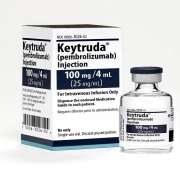
Malignant pleural mesothelioma is an aggressive form of cancer often linked with on-the-job asbestos exposure. There is no cure, and there are few treatment options available. Only one drug, Alimta, has been approved for treatment. Louisville residents should be aware that researchers were looking for a while to a drug called pembrolizumab as a possible “miracle drug” for the cancer.

Unfortunately, the Phase III trials of pembrolizumab were underwhelming. The results, which were presented to the European Society of Medical Oncology conference, suggest that the drug is no more effective than chemotherapy. The study involved 144 relapsed mesothelioma patients, and the overall survival rate was 10.7 months for those who took pembrolizumab and 11.7 for those who underwent chemotherapy.

In an earlier clinical trial, though, 76% of mesothelioma patients responded to the drug with nearly half experiencing a temporary cessation of tumor growth. Almost one fourth of the patients saw the tumors shrink.

Pembrolizumab is meant to block a certain protein called PD-1 from attaching itself to cancer cells and suppressing the immune system. For this reason, it is classed as an immunotherapy drug. Pembrolizumab is not a complete disappointment as the study showed how patients on the drug had a lower rate of complications. Further research is needed to determine which sub-groups benefit most from it.

Asbestos-related illnesses can often be pinned to unsafe working conditions, so those who develop mesothelioma may want to speak with a lawyer about filing a claim. There may be plenty of evidence to suggest that the employer was being negligent, in which case the lawyer may hire investigators to gather that evidence and prepare a case. The lawyer may negotiate for a fair settlement covering past and future medical expenses and other losses, litigating if one isn’t achieved.

TTFields treatment for mesothelioma shows promise

Louisville residents with mesothelioma are usually treated by way of chemotherapy. There is another treatment, though, that the FDA has approved for use alongside chemotherapy called TTFields, or Tumor Treating Fields. The treatment makes use of electric fields that disrupt the division of mesothelioma tumor cells, possibly keeping them from spreading uncontrollably.

A report written by researchers from the West Cancer Center and Research Institute shows that TTFields treatment can help save patients’ lives by making the chemotherapy more effective. A study back in April had patients with pleural mesothelioma undergo the treatment; they lived an average of six months longer than those who only underwent chemotherapy. Ninety-seven percent of patients experienced some level of disease control.

The only obstacle is that doctors may not accept TTFields treatment and learn to utilize it. Many may find it hard to adapt to the idea of using electrical devices to treat cancer. Also, those doctors who choose to utilize it will need to be trained and certified by Novocure, the company that pioneered TTFields treatment.

TTFields treatment is relatively new, and it’s the first mesothelioma treatment to find FDA approval since 2004. Researchers are confident that it will join chemotherapy and surgery as one of the standard methods for treating asbestos-related cancers.

Mesothelioma is caused by asbestos exposure, so patients with the cancer should have a good idea where and how they were exposed to this mineral. Perhaps it was on the job or through the use of certain tainted products. There are times when mesothelioma patients may be able to file a claim and be reimbursed for their medical bills, lost wages and other economic and non-economic damages. It all depends on the negligence of another party. Victims may have a lawyer evaluate their case before moving forward.