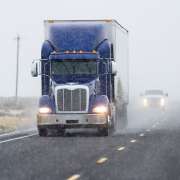
Will Limiting Truck Speeds Make Them Safer?

Commercial trucks and personal vehicles have devices in them that limit their speed. The federal government is considering imposing a rule mandating their use on heavy commercial trucks. The goal is to reduce speed-related crashes and prevent the severe injuries and deaths that often occur when they happen.

What is a Limiter?

A limiter, or governor, operates through electronic sensors and the engine’s computer. Limiters have been part of heavy commercial trucks since the 1990s. Truck owners must activate them to work.

Sensors detect the vehicle’s speed and communicate that to the engine’s computer, which manages the engine. Once reaching a set top speed, the computer restricts the flow of air and fuel to the engine and the spark plugs that cause combustion in the engine’s cylinders.

What Does the Federal Government Propose?

The Federal Motor Carrier Safety Administration (FMCSA) plans to set a speed limit for commercial trucks by requiring limiter use. The process of creating a new regulation is ongoing, with the change possibly announced later this year, reports Freight Waves.

The agency proposes a speed limiter rule that would mandate all heavy-duty commercial trucks have their speed limiter set at a maximum speed to be determined later. The proposed rule is meant to improve safety on the nation’s highways by reducing the number of truck-related crashes caused by excessive speed.

The FMCSA states, “The number of commercial motor vehicle (CMV) crashes in which speed is listed as a contributing factor is unacceptable. A carrier-based approach could provide the opportunity to compel fleets that are not currently using speed limiters to slow down their CMVs within a relatively short period.”

European Union countries, Australia, Japan, and the Canadian provinces of Ontario and Quebec all require limiter use on heavy commercial vehicles. Those limits vary from 55 mph in Japan to 65 mph in Canada, according to the Truck Safety Coalition (TSC).

How Big a Danger Are Speeding Commercial Trucks?

As speed increases, it’ll take a longer distance for it to stop, and it’s more difficult to steer safely. High speeds can also lead to the truck rolling over and jackknifing. Higher speeds also cut a driver’s time to decide what to do and respond to a dangerous situation ahead of the truck.

The FMCSA states that traveling too fast for conditions is one of the top ten conditions leading to commercial truck accidents. According to Fleet Owner:

  • Driving too fast for conditions or faster than the speed limit was a contributing factor in 8% of reported large truck crashes in 2009, according to the National Highway Transportation Administration
  • The FMCSA Large Truck Crash Causation study found “traveling too fast for conditions” was a factor in 22.9% of all large truck crashes, and 10.4% of large truck/passenger car accidents

The Texas A&M Transportation Institute (TTI) reviewed nearly 2,800 commercial truck crashes in 20 Texas counties and found that speeding was one of the driving behaviors
with the most impact on crashes where the driver was at fault, according to the TSC.

The TTI also found that when speed was a contributing factor to a crash, costs were 20 percent higher than those where speeding was not an issue. They also concluded accidents resulting in speed citations had a 170% higher risk of injuries or deaths.

What Good Are Limiters?

Trucks with activated speed governors have half the crash rate than trucks not equipped with them, according to the second phase of a study by the FMCSA, reports Freight Waves. The agency says they have “a profound safety benefit” for those on the road. The study looked at data from 20 truck fleets involving about 138,000 trucks and analyzed more than 15,000 crashes.

How Will This Work on The Nation’s Roads?

The share of speed-related crashes caused by large commercial vehicles in Ontario significantly dropped after the introduction of speed-limiter legislation in the region.

A study by the Ontario Ministry of Transportation (MTO) found that the crash rate of speeding trucks dropped by 73% after mandatory limiter use started in 2009. This is more than twice the reduction of accidents of other vehicles (around 30%), reports Insurance Business Canada.


Critics of the law claimed that more vehicles would rear-end slower commercial trucks with limited speed. The study found no evidence limiters contributed to increased truck accidents after 2009, including rear-end crashes.


Other findings of the study include:

  • After 2009, commercial truck drivers had fewer at-fault speed crashes compared to all at-fault driver actions
  • There was no evidence of worse collision rates for large trucks after 2009
  • The share of heavy trucks struck from the rear stayed roughly the same before and after the law changed. The number of rear-end collisions involving other vehicles increased

The MTO conducted the study from 2014 to 2015.

Speak To A Truck Accident Lawyer Today

If you or a loved one is injured or killed in an accident in Kentucky involving a commercial truck traveling above the speed limit or too fast for conditions, you may have legal rights to compensation for the harm you suffered. If the truck owner failed to use the truck’s limiter, it could be additional evidence it’s at fault.

Satterley & Kelley PLLC can and will help you confidently handle legal matters. Put boots on the ground with help from our attorneys. To schedule a free initial consultation at our office in Louisville, call 502-589-5600 (toll-free at 855-385-9532) or complete our contact form today.

How to Avoid Asbestos Exposure in Your Home

These days, most people are aware that exposure to asbestos—a heat-resistant material that was used in many industrial, production, and construction fields until around 1980—has been linked to mesothelioma, as well as other cancers and lung conditions.

What most people don’t know is that asbestos—and risk of asbestos exposure—may be lurking in their own homes.

Most modern homes are not constructed with materials containing asbestos. However, if your home was built before then, there’s a significant chance that it was constructed with materials that may contain asbestos fibers. If those fibers are disturbed and sent into the air (as they may be, for instance, during home renovation projects), it may result in acute asbestos exposure, which can be dangerous to your health and increase your risk of developing mesothelioma.

Where can asbestos be found in the home?

In homes built before 1980, asbestos may be found in:

  • Floor tiles: Asbestos is especially common in floor tiles made of “resilient” materials, such as vinyl, asphalt, and rubber, and in the backing of vinyl sheet floorings.
  • Steam pipes, furnaces/furnace ducts, and boilers: This common heating equipment is often insulated by asbestos paper tape or blankets.
  • Cement sheet, paper, and millboard: Most commonly used to insulate furnaces or woodburning stoves, these materials may also contain asbestos.
  • Walls and ceilings: Asbestos may be present in patching and joint compounds, as well as soundproofing, decorative materials, and textured paints on walls and ceilings.
  • Door gaskets: If you have a furnace, wood stove, or coal stove in your home, the door gaskets may contain asbestos.
  • Roofing, shingles, and siding: Some houses contain asbestos on the outside, which is harder to disturb, but still potentially dangerous if drilled or sanded.
  • Older household products: If you have fireproof gloves, ironing board covers, hairdryers, or stovetop pads that are over 30 years old, they may potentially contain asbestos.
  • Car parts: Certain parts of older cars may be manufactured with asbestos, especially brake pads and linings, clutch facings, and gaskets. These days, asbestos is not usually used to manufacture car parts, but if you are working on a classic car, ask your mechanic about the risk of asbestos exposure before doing any involved work on the brakes, clutch, or gasket.

How can I tell if my home contains asbestos?

Unless materials are labeled, you can’t tell for sure whether they contain asbestos. If in doubt, treat materials you think may contain asbestos as if they contain asbestos, and have them evaluated by a qualified asbestos professional.

If something in my home contains asbestos, do I have to have it removed?

Sometimes, but not always! Your need for asbestos removal or abatement depends on a number of factors. In some cases, you may not need to take any action at all.

It is important to remember that asbestos is only dangerous if the fibers are disturbed and inhaled. Asbestos-containing materials that are in good condition and will not be disturbed (for example, by remodeling) should be left alone. In those cases, it may actually be more dangerous to disturb the fibers in an attempt to remove them than to leave them where they are.

You only need to be concerned about asbestos in the home when it comes to materials or parts of your home that may be disturbed (for example, by renovation, repair, or by age/damage to the material or part of the home). If you suspect these parts or materials contain asbestos, it is best to obtain a professional asbestos evaluation, especially before any planned renovations or repairs. If you get professional confirmation that something in your home contains asbestos, and it is either significantly damaged or you plan on disturbing it by repairing or replacing it, then and only then should you look for an asbestos abatement and removal specialist.

Importantly, you should not attempt to encapsulate, repair, or remove asbestos in your home on your own. DIY asbestos abatement or removal can be dangerous to you and your family, and potentially to others.

Instead, find an asbestos professional trained and certified to handle asbestos material. If the asbestos in question is in your pipes, roofing, tiling, or automobile, you may need to find a specialist roofing/tiling specialist or mechanic. It is best to get cost estimates from several professionals, as the cost for these services may vary.

Ask asbestos professionals to document their federal or state-approved training, and to share any documentation or recommendations from completed projects. Each person working on the asbestos removal or abatement should be able to provide their own proof of training and licensing in asbestos work. You may be able to find known state or federally approved asbestos abatement professionals at your nearest state or local health departments or EPA regional offices, or on the websites of same.

Are you or a loved one concerned about asbestos exposure in the home? Call Satterley & Kelley PLLC toll-free at 855-385-9532 or fill out our contact form to schedule a free consultation.

How the Demand for Truck Drivers Makes Our Roads Less Safe

The American workforce is getting older and shrinking. As more people retire, some employers have a harder time finding replacements. That’s especially true in the trucking industry. Just as in any industry, if you can’t fill an open job, you may lower your standards to increase the pool of candidates. That’s what’s happening in trucking.

How Many Truck Driving Jobs are Unfilled?

The American Trucking Association (ATA) claims there was a shortage of 78,000 commercial drivers in 2022. They also predict that in eight years, this figure will more than double to more than 160,000.

The ATA blames:

  • Retirements
  • A lack of female job applicants (who are nearly half of the nation’s workforce but less than 10% of commercial truck drivers (and most of them drive school buses))
  • Record high wages in other industries
  • The difficult lifestyle many drivers live

Retirements may be the biggest threat to the industry:

  • The average commercial truck driver is 48
  • Three-quarters of drivers are older than 40
  • Drivers aged 20 to 30 are only 8% of the workforce

Commercial truckers’ average pay is $70,000 a year, but most drivers won’t last long (95% annual turnover rate, according to the New York Times) because many new drivers see the sacrifices as not worth it. Long-haul drivers are away from their families for long periods, and it’s a dangerous, lonely job that discourages good health (How often would you want to eat at truck stops?).

Is There a Truck Driver Shortage?

Despite what you’ve heard or read, there’s not a shortage of truck drivers, according to the Times. There’s a shortage of people willing to drive commercial trucks, given the pay, benefits, and conditions.

“This shortage narrative is industry lobbying rhetoric,” says Steve Viscelli, a labor expert at the University of Pennsylvania who previously worked as a truck driver. “There is no shortage of truck drivers. These are just really bad jobs.”

There were about ten million Americans with commercial driver’s licenses in 2019, nearly three times the number of commercial trucks (3.7 million).

How Does This Impact Safety?

The federal government, the Federal Motor Carrier Safety Administration (FMCSA), the Labor Department, and the ATA are starting a commercial vehicle driver apprentice program for those 18 to 20 years old. Existing laws only permit those in this age group to drive within state borders. After completing the program, qualified individuals would be approved to drive commercial trucks across state lines, according to Property Casualty 360.

Using a teenage workforce isn’t a good idea:

  • The National Highway Traffic Safety Administration states motor vehicle crashes are the leading cause of injury and death among young adults, primarily due to three critical errors: lack of scanning, speeding, and distractions
  • The National Safety Council reports that teenage drivers are 3.8% of licensed drivers but cause 12.4% of all vehicle accident fatalities

The trucking industry wants teen drivers. They:

  • Can be paid less than experienced drivers
  • Don’t have the chronic health conditions that keep many older drivers off the road
  • Probably won’t have spouses and children to tie them down
  • Can increase the pool of job candidates and fill open positions

But if the law considers them so irresponsible they can’t buy alcohol, or rental companies won’t rent them a car, should they be driving a tractor-trailer after many hours, late at night, in bad weather?

Safety Training for New Drivers is Lacking

Police accuse Victor Santos of being drunk when he crashed his tractor-trailer into a school bus in northern Indiana last November. The impact left 16 injured, many of them teenagers. Santos had his own, one truck company, according to WISH, which you can start with only a commercial driver’s license.

“Yes, that individual has a commercial driver’s license, but it’s like giving your 16-year-old the keys to Ferrari, you know, there’s no way they’re going to operate that vehicle safely,” Steve Gold, owner of 160 Driving Academy, the largest commercial driving school in the nation, was quoted as saying.

There are newer truck drivers whose training didn’t put safety first, according to Gold. He says many fatal accidents would’ve been prevented if the truck drivers knew what they were doing. Gold says he works with trucking companies that give more attention to safety, including:

  • Performance scoring for drivers
  • Helping them get their commercial driver’s licenses
  • Adding 50 hours of one-on-one training

Given the demand for drivers, many switch companies after less than a year. This frequent churn makes it harder for trucking companies to track driving records and experience levels, adding to safety concerns.

Gold, referring to truck accidents like the one involving Santos, stated, “That’s what kills me is like, it’s they’re all avoidable.”

Speak To A Truck Accident Lawyer Today

You may be entitled to compensation if you’re injured in an accident involving a commercial truck or vehicle in Kentucky. Satterley & Kelley, PLLC, can and will help you handle insurance and legal matters with confidence.

To schedule a free initial truck lawsuit consultation at our office in Louisville, call 502-589-5600 (toll-free at 855-385-9532) or complete our contact form today.

Commercial Trucks + Winter = More Danger for Other Drivers

Winter makes two things more dangerous – commercial trucks and poor driving conditions. One is bad enough, but when the two combine, it’s an especially hazardous situation.

As if we don’t have enough to contend with, winter gives us many safe driving challenges – less daylight, high winds, and slippery roads covered in water, snow, ice, or sleet (or a combination). We must adjust our driving to these conditions and be more aware of others potentially losing control and sliding into us.

That’s bad enough if it’s another sedan, minivan, or light truck. The chances of you becoming severely injured while driving in winter weather go up when a commercial truck (weighing up to 80,000 pounds) side-swipes you into a guardrail or t-bones you at an intersection.

Driver error is the most common cause of vehicle accidents. Here are accident-causing mistakes that commercial truck drivers make.

They drive too fast

Speed limits are the maximum legal speed during the day with perfect weather and road conditions. Truck drivers more intent on unloading or getting home than driving safely don’t slow down or don’t slow down enough when winter driving conditions are unsafe.

The faster they go, the longer it’ll take for the truck to come to a stop, especially if traction is poor. Truck drivers also have less time to react and decide what they should do if they’re coming up on a dangerous situation.

Drivers are unaware of or don’t take seriously enough the presence of black ice on the road

Black ice is a thin, practically invisible layer of ice. It often forms when snow or ice melts during the day but freezes as temperatures drop when the sun sets. The road may look wet, but it’s actually ice covered.

They tailgate other vehicles

Following too closely is always a bad idea, but it’s especially dangerous when traction on the road is poor and stopping becomes more difficult. A tailgating semi-truck whose driver hits the brakes to avoid rear-ending another vehicle risks jackknifing the truck (the trailer swings out from behind the truck and into another travel lane or the breakdown lane).

Commercial trucks caravan

Sometimes in bad weather, commercial trucks will travel together in groups. The upside is if one driver or truck gets in trouble, others are nearby to help. The downside is if they’re too close together, one truck losing control can cause a chain reaction accident. This would involve trucks next to them and any other vehicle unlucky enough to be close by.

Lights are covered in dirt, snow, ice, or salt

Drivers need to keep headlights clear to see in the dark better. Rear lights make the trailer more visible and inform other drivers the truck is stopping or turning. A crash into other vehicles is more likely if their drivers don’t know if the truck is stopping, slowing down, or turning.

Drivers don’t slow down on bridges, highway overpasses, and other elevated surfaces

They don’t use caution when on these roadway sections, which may freeze quicker than a regular roadway. A road or highway may be wet, but a bridge or overpass may be ice-covered because cold air, not warm ground, is below them.

Drivers don’t address the bald or underinflated tires they ride on

The greater the tread, the better the traction on water, snow, sleet, or slush. The truck may just slide if the driver tries to brake or turn if there’s not enough tire tread.

As temperatures drop, tire pressure decreases, and the chance of a blowout increases. This can cause loss of control and leave behind in the roadway a tire carcass that can cause an accident if another driver hits it or tries to swerve around it.

The driver doesn’t replace worn wipers

Being able to see what’s around you is key to safe driving. Worn wipers don’t remove water, snow, or ice from the windshield. They just smudge them across the glass surface. This is especially dangerous when driving at night when visibility during a storm gets worse.

The driver’s unprepared for high winds

In winter, there can be high winds with or without a storm. The side of a truck can act like a sail, and the wind can push it one way or another. The trailer may rock back and forth and become unbalanced if unsecured cargo is tossed around.

If this combines with a slick road, the driver may lose control. High winds can also cause a jackknife, or the truck may roll over.

The driver doesn’t stop driving

The conditions may become so bad it’s unsafe to drive a commercial truck. The driver should pull over or get off the highway and park somewhere safe. If the driver continues despite the lousy weather, they may cause an accident.

A Trusted Law Firm For Serious Trucking Accident Claims

If you or a family member is injured in a truck accident in Kentucky, you may be entitled to compensation for your injuries. Satterley & Kelley PLLC can protect your legal rights with our skilled and effective legal representation. Contact us online or by telephone at 855-385-9532 to schedule your free initial consultation.

Mesothelioma Cases at Rayloc in Morganfield, KY (Podcast)

Paul Kelley talks about mesothelioma cases at Rayloc in Morganfield, Kentucky, which involve asbestos used in the lining of the brake shoes remanufactured at the Rayloc facility.

John Maher: Hi, I’m John Maher. And I’m here today with Paul Kelley. Paul is a partner with the Kentucky Personal Injury Law Firm, Satterley & Kelley, which has over 30 years of collective experience in handling cases involving mesothelioma and asbestos exposure. Today we’re talking about mesothelioma cases at Rayloc in Morganfield, Kentucky. Welcome Paul.

Paul Kelley: Good morning, John. How you doing?

John: Good, thanks. So Paul, what is Rayloc? Where are they located?

Paul: So Rayloc was a facility that was located in Morganfield, Kentucky. It was what’s called a brake remanufacturing plant. So Rayloc took old brake shoes, which would consist of the brake shoe itself and the used lining, and it would remove the lining from the old brake shoe and then put a new lining on, repurpose the shoe, and then put it back out for sale to typically NAPA stores. Rayloc is affiliated with the NAPA Automotive stores that are still in existence today. However, that plant in Morganfield, Kentucky went out of business in 2008.

Asbestos Exposure From Working With Brakes at Rayloc

John: Okay. And so how was Rayloc related to asbestos and mesothelioma cancer cases?

Paul: So in our experience, from the cases that we’ve had out of that plant, what typically occurred is the Rayloc facility or the company, Genuine Parts Company, and Rayloc was a division of that, had all these NAPA stores that it was affiliated with throughout the country. And they would go, and customers who would buy brakes from a NAPA store would return those used brakes to that store.

And in exchange for bringing it back, they would get a discount on the new brake. So they’re highly incentivized for customers to bring these used cores back so that they could get a discount on the new brake. Obviously the company got the benefit of being able to sell a new brake to that customer. Those used cores would be collected over a period of time and they would be shipped to a remanufacturing plant such as the one that was in Morganfield, Kentucky.

From there, the people who worked in the Rayloc plant, they would be exposed to asbestos in a variety of ways. So we’ve talked about this in other podcasts, but to refresh everybody’s memory, up until about 2001 for the most part, friction products, and brakes are a type of friction product, contained asbestos. If it was the old drum brakes, it was the linings that contained asbestos. If it was the newer disc brakes, there was a pad between the wheel and the disc that contained asbestos. And so this Rayloc facility predominantly dealt with brake shoes or the drums. So it was the brake linings that typically came in that contained asbestos.

So first there was a group of people who had to remove the old linings. And they would take those linings to a special machine. And they would strip the linings off. They would have to burn them off, scrape them off anyway they could in order to get the old lining off. That old lining of course, what was left of it, contained asbestos. And so people who performed that job were exposed during the de-lining process, if you will. Then when it was time, the shoes would get repurposed, that would kind of go into another area.

And then when the shoes were ready to have the new linings put on, then there was a whole group of folks who worked in the plant that put the new lining on. And the new lining was typically riveted on, which means they had the drill holes into the lining itself in order to ultimately affix it to the shoe. The drilling of the lining would create substantial dust that the employees would be exposed to.

And then in addition, they frequently took them to a grinder. And so they ground down the linings. And the purpose for doing that was so that the lining would fit firmly onto the drum and it would meet the customer’s specifications. And the grinding process, which typically was performed using a grinding wheel of some sort, or a grinding machine, that created massive amounts of dust that the employees that were doing that work breathed on a daily basis for many, many years.

I can’t recall exactly John when that plant opened, but it probably was in the 1950s, perhaps the ’60s. And again, it closed until 2008. And we know for a fact from cases that we’ve worked on involving that plant that it continued to use asbestos containing brake linings to put on the old brake cores that had been repurposed until 2001. So pretty much the vast history of that plant, it operated with asbestos containing brake linings.

The Rayloc Facility Had Asbestos Exposures Up to 2001

John: Right up until 2001 you said?

Paul: Yes, sir.

John: Wow. Yeah. That seems just so recent because we knew about asbestos and the dangers of asbestos long before that.

Paul: Oh, absolutely. The history or the historical knowledge of asbestos exposure goes back to the 1920s and ’30s, but certainly with respect to brakes and brake linings and other friction products, those sorts of things were well known by the late 1960s. So certainly anybody that went to work in a plant like the Morganfield facility in the 1970s and 1980s, they really should not have been exposed to asbestos during that period of time. And they certainly should have been better protected.

Why Did Brakes Have Asbestos?

John: You said that friction products generally contained asbestos for a long time. Is that because the asbestos has these sort of fire preventative properties where when that brake lining would heat up with the friction, it would make sure that it didn’t catch on fire? Is that what it was for?

Paul: Well, it was a durable product. Your brakes need to work and they need to work for a long time. And so the durability was one of the positive features of asbestos. And the story that we’ve heard from a long time from manufacturers of these kinds of products and distributors of these kinds of products, is that there really wasn’t anything better to use that would’ve served the ultimate function of the brake to stop the vehicle.

The problem with that is that’s not true, non-asbestos brake linings were developed easily into the early 1960s, ’70s, and ’80s. Certainly they were prevalent everywhere. But the big issue I think was the cost factor. And I think it was a comfort factor that a lot of brake manufacturers just preferred to use the asbestos.

Other Employees Who May Have Been Exposed to Asbestos at Rayloc

John: So you mentioned that the workers at Rayloc who were taking those old brakes and trying to get the linings off, that they would be exposed to asbestos because they’re grinding down the pads, or burning them, or whatever they have to do to get the old linings off. And then there’s people who are putting the new pads on. Those people are also grinding them down. So obviously all those people would be exposed to asbestos. Are there other people at Rayloc who would’ve been exposed to asbestos as well in the course of doing all this work?

Paul: Yeah, certainly everybody else served any function in the plant’s going to be exposed one way or the other. It takes an army of people to operate a plant like that. And you’ve got maintenance people. You have people who run the machines. You have people that actually put the brakes onto the riveting machines or the de-lining machines. You’ve got assembly line workers. You’ve got people who package the finished products. It’s a fairly large facility. But given the nature of the work that was being done, at any given time there are dozens of people who are removing asbestos linings from old brake shoes, and dozens of people who are riveting or grinding the new brake linings creating massive amounts of dust.

So to answer your question, I believe that from what we’ve seen, everybody in the plant is going to be exposed to asbestos during that time frame one way or the other. But probably the people with the most significant exposure, the people that removed and put on the new, but I don’t think it was avoidable by any stretch of the imagination from anybody that worked in that plant.

How to Get Help If You Were Exposed to Asbestos at Rayloc

John: So if you think that you were exposed to asbestos due to Rayloc brakes or working at the Rayloc plant, and you have lung cancer, or asbestosis, or mesothelioma, what should you do?

Paul: Well, certainly you should tell your doctor what exposure you’ve had. It’s not necessarily important to the doctors in terms of how they treat the patients. However, it’s something that they’re always interested in knowing so they can get an idea of where the exposure occurred, what the nature of your disease is. Sometimes it’s helpful in making the diagnosis because mesothelioma can be a difficult diagnosis to make. It’s rare. There’s only about 3000 cases per year that are diagnosed nationwide. So it’s not always the first thing the doctors look at. So it’s always important to let your physicians know that you’ve had this exposure, potential exposure over the course of your career.

Once the medical situation is under control, diagnosis has occurred, a treatment plan has been developed. I think it’s critical to speak to a lawyer to get a better understanding of what your rights are. If you’re a Rayloc employee, you can’t file a tort action or a personal injury claim under Kentucky Law against Rayloc. However, you could pursue a worker’s compensation claim against that company.

However, all of the lining manufacturers who provided the linings of that plant, you can pursue a lawsuit against those companies. And there were many companies that provided asbestos containing brake linings of that facility over its 30 or 40 year history. And a cause of action can be pursued against those companies. And as I mentioned before, from our 20 to 25 years of experience, I’m working on these kinds of cases, including cases for people that worked at this facility. Those lining manufacturers were well aware of the hazards, and failed to provide any warnings, or failed to provide meaningful warnings. But the only way that you can recover against these companies is to file a lawsuit. They will not fairly compensate folks unless they’ve been challenged in court.

Brake Lining Manufacturers Knew That Asbestos Was Dangerous and Continued to Use It — If You’ve Been Affected, You May Be Able to Bring a Legal Claim Against Them

John: Right. And even though Rayloc itself doesn’t exist anymore in Kentucky, that plant doesn’t exist, you still have a course of action, like you said, to go after the lining manufacturers. And even if Rayloc did exist, you wouldn’t be able to submit a claim against them as an employee because of the way that the law works in Kentucky. But you do have a course of action. So just like don’t give up and say, “Oh, well Rayloc doesn’t exist anymore, so there’s probably nothing I can do,” and just sort of stop there.

Paul: Absolutely. And there’s all kinds of remedies that are available, the lining manufacturers. And in some instances, we’ve represented people whose spouses worked at a facility like Rayloc, and the spouses oddly enough, under Kentucky law, have the ability to file a lawsuit directly against the company that the employee wouldn’t be able to file because of Kentucky workers’ compensation laws. So the Rayloc facilities closed down, but Rayloc’s parent company, Genuine Parts Company still exists. And in certain situations, Genuine Parts can be pursued.

Statute of Limitations on Filing Cases for Asbestos Exposure

John: Okay. And is there a statute of limitations on filing a case concerning asbestos exposure that occurred at the Rayloc facility?

Paul: Absolutely. In Kentucky, it’s typically one year from the date that people know or should know that they’re injured, and know or should know the cause of that injury. As a rule of thumb, we always go by the diagnosis date. There are always arguments being made that somebody didn’t know what the cause of their injury was until six months after they’re diagnosed. But to be safe, we always recommend going with a diagnosis date and getting that lawsuit filed within a year from that date.

Also as a practical matter, the diagnosis of mesothelioma is very dire. Sometimes people decline pretty quickly from diagnosis of that disease. And so we always want to move quickly. That’s why we recommend contacting an attorney quickly. Contact an attorney who has litigated before out of a particular plant like Rayloc, because I don’t have to conduct any investigation whatsoever. I know exactly who to sue right now if somebody walked in our office.

But we want to make sure that if you come to us, that you have an opportunity to meaningfully participate in your case. And hopefully someone is diagnosed with this cancer, hopefully treatment will work out well. They will live for a long time and possibly even beat it. But unfortunately, the statistics tell us that 6 to 18 months is a typical life expectancy from the date of diagnosis of this disease. So it is always very, very important to act quickly. So even though the statute of limitations is a year, and that seems like a long time, the reality is it’s not very long at all.

Contact Satterley & Kelley if You or a Loved One Has Mesothelioma From Asbestos Exposure

John: Right. Absolutely. All right. Well that’s really good information, Paul. Thanks again for speaking with me today.

Paul: Thanks, John, I appreciate it.

John: And for more information about mesothelioma and asbestos exposure, visit the law firm of Satterley & Kelley at satterleylaw.com or call 855-385-9532.

Explore More Podcasts
Legal Process and Lawsuits:
Corporate Responsibility and Bankruptcy:
Specific Companies and Industries:
Health and Treatment:
Industry and Product Exposures:
Accidents and Injuries:

Talc Asbestos and Mesothelioma (Podcast)

In this podcast, John Maher talks with Paul Kelley from Satterley & Kelley. They talk about asbestos in talc, and they explain how this can lead to mesothelioma in some cases.

John Maher: Hi. I’m John Maher. I’m here today with Paul Kelley. Paul is a partner with the Kentucky personal injury law firm Satterley & Kelley, which has over 30 years of collective experience in handling cases involving mesothelioma and asbestos exposure. Today, we’re talking about talc, asbestos, and mesothelioma. Welcome, Paul.

Paul Kelley: Good morning, John. How are you?

What Is Talc? Where Does Talc Come From?

John: Good, thanks. So Paul, what is talc, and where does it come from?

Paul: Well, talc is a broad topic. Most commonly, talc that our listeners would probably be familiar with is in things like Johnson’s Baby Powder and similarly other talcum powder products, but talc is used in  a lot of stuff. Talc historically has been used in industrial settings. It’s been used in paint products. It’s been used in tile manufacturing. It’s been used in a wide variety of hygiene products from deodorants, the foot powders, of course, baby powders, and things like that. And so people historically have probably been exposed to a lot of talc in a lot of different ways throughout the course of their life.

You ask, well, where does talc come from? Talc is a naturally occurring product. It’s mined, and there are talc deposits all throughout the world. In the United States, there have been talc deposits in Vermont, New York, Montana, California, Arizona, down some of the southern states, Georgia and Alabama, and all throughout the country, but it’s a naturally occurring product.

And so what happens is companies will have talc mines, and they mine the talc. And they essentially rip it out of the earth using earth-moving equipment, and the talc comes out in a rock form. And they process it usually to make it into a smaller, more manageable substance, and then they sell it to manufacturers like Johnson & Johnson that further refine it and then put it into their talcum powder.

Or perhaps they’ll sell it to a paint manufacturer that is going to put it into an industrial paint, and they’ll process it and mix it into their paint. Or perhaps they’ll sell it to a tile manufacturer, and the tile manufacturer will mix it with other ingredients to form tile. But essentially, talc is something that grows in the ground. We wouldn’t have anything to do with it if we didn’t pull it out and mine it and use it to make commercial products with.

Talc and Asbestos Tile

John: Now, I’ve heard of asbestos tile before. Is that what we think of when we say asbestos tile? It’s a tile that contains talc, or is there another way that asbestos could be incorporated into tile products as well?

Paul: Oh no, it’s the talc.

John: Okay.

Paul: It’s absolutely the talc. There’s been quite a few cases over the years involving talc suppliers that provide their talc to tile manufacturers, and they put massive amounts of talc that they mix with other products. And they make floor tiles, ceiling tiles, wall tiles, but when you hear asbestos-containing tile, it’s the talc.

Other Products That Contain Talc

John: Okay. And are there other products that you didn’t mention that would contain talc as well?

Paul: I think the main ones that, again, we see are the tile and the cosmetic talc products and industrial paints. I mean, there could be a variety of products. For example, I think I’ve talked to you in the past about something called phenolic molding compounds, and we discovered in the case years ago that when they took the other type of asbestos out of phenolic molding compounds, they replaced it with talc. And some of that talc contained asbestos.

And so just to educate folks, phenolic molding compounds were used to make a lot of plastic products, finished plastic products from circuit breakers to automotive parts, I mean, all kinds of automotive parts from things that go in people’s engines to things that go in the actual car itself, like the steering wheel and console and things like that. But talc has been used in those kinds of products over the years.

Talc has been used kind of generically in some molding facilities. It doesn’t get incorporated into a product per se, but if a plant is molding a product or it’s a die cast molding operation, and so just making up whatever they’re making, they will frequently use talc to put in the mold, so when the product comes out, it doesn’t stick to the metal that’s in the mold itself. And so they use talc to dust the mold, and so that was common in manufacturing plants all throughout the country. Talc would be used to dust the molds, and then people who were making all kinds of die cast products would be exposed to talc in that way. And so wasn’t a part of a product per se, but it was the actual talc itself that people were exposed to. And that happened in manufacturing plants all across the United States.

Talc Can Contain Asbestos

John: Okay. Is talc a form of asbestos, or does it contain asbestos? How is asbestos related to talc?

Paul: So the talc itself is not asbestos. There is asbestos in the talc. I know that’s kind of a weird statement, but there is talc certainly that has been mined in the United States that doesn’t contain asbestos. Asbestos is similar to talc in that it also is a naturally occurring product. And so talc is mined. Asbestos is mined. Frequently, asbestos grows in the same areas where talc grows, and so when the talc is mined, lots of times, it’s mined in areas where asbestos is also present. And so it grows with the talc, and it is contained within the talc. And the talc itself will essentially … During that whole milling process and the procedures that they perform in order to make it usable by industry, it essentially becomes an asbestos-containing product.

Does Asbestos in Talc Cause Mesothelioma?

John: Right, okay. So does the type of asbestos that’s contained in talc cause mesothelioma, and what’s the evidence for that?

Paul: Oh, absolutely. So there have been numerous studies conducted, I mean, both historically going back to the 1960s and ’70s and certainly in the last 5 or 10 years that have linked the type of asbestos that is typically associated with talc to causing mesothelioma. For anybody that’s interested, typically, we’ll see something called tremolite asbestos or anthophyllite asbestos and then sometimes chrysotile asbestos.

There are six different fiber types of asbestos that we know about. Typically, chrysotile, amosite, and crocidolite are what we call the commercial types of asbestos, so they were intended to be in a product. So we talked about brake linings before, and manufacturers intended to put chrysotile asbestos into brake linings. We’ve talked about phenolic molding compounds, and those manufacturers intended to put crocidolite or chrysotile asbestos into their product. And so they were what was called commercial products.

Anthophyllite and tremolite are products that have been used commercially, but typically speaking, they weren’t intended to be commercial products. And those are the types of asbestos that we typically see associated with talc that winds up in things like cosmetic talcum powder products or winds up in things like ceiling tile and floor tile. And they are forms of amphibole asbestos. And there have been studies, I mean, going back decades that have attributed the cause of mesothelioma to all forms of amphibole asbestos, including anthophyllite, including tremolite, and then certainly, there have been studies more recently directly associated with talc and those fiber types and have most definitely attributed the cause of mesotheliomas to the fiber types specifically associated with the talc.

What Products Contain Talc?

John: Okay. And what products containing talc have now been discontinued, and what products might still contain talc?

Paul: Well, that’s interesting. A lot of products still contain talc. Very few things have been discontinued. Interestingly enough, within the last two years, Johnson & Johnson stopped selling baby powder with talc in the United States, and then I think within the last six months, Johnson & Johnson has stopped selling baby powder with talc anywhere in the world.

But you’re going to find all kinds of talcum powder products that still contain asbestos-containing talc. I mean, there are companies that make foot powders and other types of baby powders, other type of fragrance powders and things like that, and a lot of those companies have not taken their products off the market yet. And folks can still buy them today.

We always tell people that if you have a newborn child … and of course, Johnson’s baby powder has dominated the market in that industry for decades. Corn starch … You want to use corn starch. Corn starch is not talc, but it has been used in baby powders and cosmetic powders. It is a much safer alternative. It is not known to contain asbestos or any type of carcinogen, but there’s still cosmetic powders on the market today that contain asbestos.

Tile and paints … We probably don’t see a lot of those products anymore with asbestos, but to the extent that companies are still mining their talc from places that have historically been known to have asbestos deposits, then it’s still possible the paints and tiles, again, these plastic products, things of that nature, could still contain asbestos today.

A Lot of Tile Contained Asbestos Into the 2000s

John: Right, and then there’s a lot of those products that are just already installed, like tile floors and things like that everywhere. So yeah, anytime that you rip up a floor or something like that, you really need to have somebody come in and test it, make sure that it doesn’t contain asbestos, right?

Paul: Absolutely. It’s a huge risk. I mean, we’re aware of a company here in Kentucky, Florida Tile, that manufactured tile that contain asbestos talc until into the 2000s. So I mean, it’s not just old, old, old houses that contain asbestos or old facilities that contain asbestos tile.

I mean, it could literally be someplace that was built within the last 20 years. So if somebody was conducting a major renovation of their home or of their office, they could very easily come into contact with asbestos-containing talc and think, “Oh, well, yeah, I built this in 2001, nothing to worry about.” And that may, in fact, be untrue. So it’s always important to have those kinds of things tested before you go in and rip it up and tear it out and potentially expose yourself.

The finished tile itself probably isn’t going to cause anybody to get exposure, but once you start breaking it up, cracking it, smashing it, I mean, there’s a potential for high level of exposure. And certainly, nobody who’s doing that in their home or your typical office building, they’re not being protected by any sophisticated ventilation system. They certainly don’t have HEPA filters or vacuums or really any safeguards whatsoever. And the little dust masks that you go get at Home Depot, that doesn’t do it. That’s not going to protect you from any exposure.

Contact Satterley & Kelley About Asbestos Exposures

John: All right, that’s good to keep in mind. All right, thanks very much for speaking with me today, Paul. I appreciate it.

Paul: No problem, John. Thank you.

John: And for more information about mesothelioma and asbestos exposure, visit the law firm of Satterley & Kelley at satterleylaw.com or call 855-385-9532.

Click here for more information about other products that contain asbestos

Mesothelioma Cases at Rockwell International (Podcast)

In this podcast, Paul Kelly from the law firm Satterley & Kelley talks with John Maher about Rockwell International. The ovens in this die casting facility had a lot of asbestos, and it’s very likely that anyone who worked at this company prior to 1980 was exposed to asbestos.

John Maher: Hi, I’m John Maher, and I’m here today with Paul Kelley. Paul is a partner with the Kentucky personal injury law firm, Satterley & Kelley which has over 30 years of collective experience in handling cases involving mesothelioma and asbestos exposure. Today we’re talking about mesothelioma cases at Rockwell International. Welcome, Paul.

Paul Kelley: Good morning, John. How are you doing?

What Is Rockwell International?

John: Good, thanks. Paul. What is Rockwell International and where are they located?

Paul: So Rockwell International is a facility in Russellville, Kentucky, which is kind of towards the southwestern part of our state. It was a die casting facility and it made products, aluminum products such as water meters, gas meters, typewriter covers back when typewriters were a thing, and then a lot of automobile parts. And that facility operated for a long time. I think it opened in 1957, operated as Rockwell until 1989. And then it did go through a variety of name changes after that. A company called BTR, British Tyre and Rubber., and then Precision Dye Casting Inc, I think took it over. I believe the facility has since closed, but it was open for 50, 60 years.

Asbestos and Mesothelioma Cancer Cases at Rockwell International

John: Okay. And how is Rockwell related to asbestos and mesothelioma cancer cases?

Paul: Well, so the main way has to do with the types of ovens they had. So the way it worked is they would create parts from molten aluminum. So they had melting furnaces in the facility that created the molten aluminum, and then they transferred that molten aluminum to what’s called a holding furnace. And the holding furnace would essentially let the aluminum harden a little bit, and then they would inject it into a dye cast machine. That’s a simplistic explanation of the process, but it’s those furnaces where the predominant asbestos exposure occurred.

The holding furnaces in particular were lined with firebrick and refractory material that all contained asbestos. These furnaces operated at hundreds of degrees of heat, if not thousands of degrees of heat. And so the fire brick and the refractory material was necessary in order to maintain the integrity of the furnace, make sure it did what it was supposed to do, and that it didn’t break down too quickly. All of those materials… and I believe that, we have discovered that, that plant at one time had as many as 30 of these holding furnaces.

All of those furnaces from the 50s, at least through the early to mid 1970s, contained asbestos, fire brick and other refractory material. And so there were folks who were exposed during the initial installation process. And then after that, usually about once a year, once every couple of years, all of these furnaces had to be relined, the materials broke down and they had to take out all the fire brick and all the refractory, and then they had to put it all back in. And so with 30 furnaces, we have learned from cases we’ve been involved in at that plant, that they pretty much were tearing one down continuously over the course of a year. So there would’ve been exposure pretty much daily for anybody that worked back in that holding furnace area where that kind of work was being done.

In addition to the holding furnaces, the plant was insulated with steam lines or steam pipes, steam pipes that A, carried steam to heat the facility. And B, carried chemical processes that involved hot processes. And so all those steam lines were insulated with asbestos insulation. And that was done in order to protect people from getting burned on the pipes as well as to protect the integrity of the pipes and keep that heat in, so that whatever was flowing through them stayed the temperature that they needed it to stay at. And so the insulators that installed the insulation, pipe fitters that needed to remove some of it in order to work on a pipe, and certainly maintenance mechanics and people that had to tap into those pipes and that piece of equipment would be exposed.

Which Workers Were Exposed to Asbestos at Rockwell?

John: So would it have typically just been the insulators and mechanics and those types of employees at the company that would’ve been exposed to asbestos in this way?

Paul: Well, unfortunately, no. We recently represented someone who essentially was involved in management at the facility. He was really a planner. His job was to make sure that this part was running on this day and that we were manufacturing enough at the rate that we needed to be. And so he wasn’t someone that operated the furnaces, he wasn’t someone who tore the materials out.

His exposure occurred when just on a daily basis he walked through, he went to go check on the guys that were operating, went to go check with his engineers and other people to make sure that things were happening the way they were supposed to be happening.

But the problem is that while he was doing that, there were other folks that were either tearing out the refractory and firebrick from a furnace or they were putting new in. And as I mentioned earlier, that was something that was an ongoing basis. When you have 30 of those furnaces, they of course wanted as many of them to operate at a time, but they certainly had a situation where 28 or 29 are operating and one is being essentially rebuilt. And then that’s what would happen.

Anyone Who Worked at Rockwell International Prior to 1980 Was Likely Exposed to Asbestos

John: So that guy was probably checking on their progress as well, like, “Hey, how’s things going over here? When is this particular furnace going to be back up and running?” And he’s probably in close proximity to that as well.

Paul: Absolutely. And so unfortunately, anybody that worked in the plant, unless they were completely, entirely insulated from having to go out into the facility, and actually be present on the floor where these furnaces were at, or where any of this insulation was being worked on, I mean, nobody could avoid it. So office workers, engineers, planters, and then certainly the maintenance mechanics, the equipment operators, the furnace operators, the insulators, the pipe fitters, the electricians. I mean, all of those folks are going to be exposed. But unfortunately, I don’t think anybody that worked at the facility, at least prior to 1980, I don’t think anybody could have avoided exposure.

Even Very Minimal Asbestos Exposure Can Cause Mesothelioma

John: Like you said, the likelihood of somebody just never going back into that area where those furnaces are is pretty unlikely. Even if it’s just a front desk, a secretary type of person, they might walk back and say, “Hey, you’ve got a phone call, Joe.” Or something like that, and that they would walk through that part of the facility as well. It would just be almost impossible to never go through that area.

Paul: Yeah, I mean, if they hired you to work in the plant, you were there for a reason and the plant existed to make these products. And I don’t think anybody could have really worked there without suffering an exposure at some point in time. What we know, what science knows about asbestos exposure, particularly as it relates to mesothelioma, is it doesn’t take a lot of exposure to cause that disease.

So the person who worked with the equipment day in and day out, or the person who participated and was responsible for the tear out and the installation of the new. I mean, arguably they may be at a higher risk and suffer a higher exposure, but the people that worked in the plant and may have just had some of those fleeting exposures on an intermittent basis, they have a far greater risk of contracting this disease than people that didn’t work at that plant.

And we’re aware of, I believe, John, three or four people that developed mesothelioma that worked at that plant. If you operate a plant and more than one person gets this disease, mesothelioma, that means there’s a problem there. It is a very rare disease, one in a million people is going to get that disease. And if you’ve got a plant that employs a couple thousand people and 2, 3, 4 people develop the disease, it means there’s a problem in that plant.

What to Do If You Were Exposed to Asbestos at Rockwell International

John: Right. Absolutely. So if you were an employee at Rockwell International and now you have lung cancer or asbestosis or mesothelioma, what should you do?

Paul: There’s two things. One, and the most important, is to get your medical situation under control. Mesothelioma is a devastating diagnosis. It can be complicated, and there are a lot of treatment options. The earlier diagnosis there is, the better chance the physicians have of giving you the wide range of treatment options. Unfortunately, the life expectancy with someone diagnosed with mesothelioma is usually 6 to 18 months from the date of diagnosis. Oftentimes, the only person that can really provide information concerning your exposure is you. And so it’s critical that if you’re diagnosed with this disease and you worked at Rockwell, I can virtually guarantee that that’s where you were exposed and you should talk to a lawyer immediately. And you should try to find somebody that has experience with that particular plant and has experience with the jurisdiction in which the case might be filed.

We certainly have had that experience both with that plant as well as with a case against the suppliers of Rockwell’s facility and it is just critical to act because nothing gets better with time. Memories fade. Your health could unfortunately deteriorate. There could be other witnesses that are available today that won’t be available six months from now for various reasons. And so it’s critical to act quickly with the understanding that you have something much more important to worry about, which is your health. But there is a path to obtain compensation for you and your family in this terrible time of need. And moving quickly is really the best way to get there.

Statute of Limitations on Mesothelioma Claims in Kentucky

John: Another time factor involved in bringing a mesothelioma case is the statute of limitations in Kentucky. Can you explain that a little bit?

Paul: Sure. So in Kentucky, we have a one year statute of limitations. What that means is we have one year from the date that we know or should know we have an injury and know or should know the cause of that injury. Those can be different dates. It can be complicated as to how a particular judge may interpret when you knew or should have known anything. We typically try to go by the date of diagnosis, try to get a case filed within the year from the date that the diagnosis occurred. But again, it’s not a hard fast rule.

Someone who worked at that plant infrequently wouldn’t have any clue that they were exposed to asbestos products. And so they developed mesothelioma and the doctor says, “Where were you exposed?” And nobody told you that you were exposed there, they may throw their arms up in the air and say, “I don’t have any clue.” And so the law gives you the opportunity to investigate, to determine how you were injured. And that becomes a particularly important positive aspect of our law with respect to an occupational disease like this.

I mean, as you can imagine, you get into a car crash, you break your leg, you know when you were injured and you know what the cause of your injury was. It gets a little more complicated with Mesothelioma and other occupational diseases. But again, we don’t want to waste time. And if somebody contacted me today and said, “I worked at Rockwell International or some other plant that we’re familiar with.” And said, “I worked there for 30 years and I ran through the furnace area.” I would be able to have a lawsuit filed for you in the next two or three days if that’s what you wanted to do, because we’re familiar with who was there, what they were doing, what the exposures were.

And we want you to have the best chance you can to participate meaningfully in your case and hopefully to obtain justice while you can still enjoy it. But you do have a year, and sometimes it’s not as simple as what I make it sound about acting quickly because you have a lot of other things that you’re concerned about.

Contact Satterley & Kelley If You or a Loved One Has Mesothelioma Due to Asbestos Exposure

John: Absolutely. All right. Well that’s really great information, Paul. Thanks again for speaking with me today.

Paul: Thanks, Sean.

John: And for more information about mesothelioma and asbestos exposure, visit the law firm of Satterley & Kelley, that’s www.satterleylaw.com or call 855-385-9532.

Medical Bills After a Truck Accident

Medical bills can be astronomical depending on the injuries, the needed treatment, and where the treatment’s provided, no matter what kinds of vehicles are involved. Because trucks are heavier and deliver more force into another vehicle or pedestrian, injuries are likely to be more severe and costly to treat.

Common Injuries From Truck Accidents That Result in High Medical Bills

Many potential injuries can result from truck accidents, including:

  • Head injuries, such as concussions or traumatic brain injuries
  • Neck and back injuries, such as whiplash or herniated discs
  • Spinal cord injuries
  • Fractures or dislocations of bones
  • Soft tissue injuries, such as bruises or sprains
  • Internal injuries, such as organ damage or internal bleeding
  • Psychological injuries, such as post-traumatic stress disorder (PTSD) or depression

If you’re in an accident with a commercial truck, seek medical attention immediately, even if you think you’re unhurt. Because of the stress and shock of the situation, you may not feel all of your injuries, such as head injuries and internal injuries, but they can be severe and require prompt treatment. The more treatment’s delayed, the worse the injury may become.

Since commercial trucks are so dangerous, quickly getting medical care is also essential to protect your rights to compensation. The longer you delay, the more likely the insurance carrier will deny your injury is accident-related. They’ll claim you fabricated the injury, or it has another cause, and you’re fraudulently seeking compensation from them.

Medical Treatment Costs From Truck Accident Injuries

The cost of treating injuries from a truck accident can vary widely depending on the type and severity, where you’re treated, and the treatments you receive.

If you’re injured in a truck accident, you could be paying for:

  • Emergency room visit: $1,500 – $3,000
  • Hospitalization: $10,000 – $50,000 or more
  • Surgery: $20,000 – $100,000 or more
  • Rehabilitation: $10,000 – $50,000 or more
  • Long-term care: $50,000 – $200,000 or more

Minor injuries, like bruises and sprains, may have relatively inexpensive costs. But moderate to severe injuries, including head injuries, neck injuries, back injuries, internal injuries, and spinal cord injuries can be much more expensive to treat.

Many of these injuries require hospitalization, surgery, physical therapy, rehabilitation, and long-term care.

Long-Term Costs of Severe Truck Accident Injuries

If you are seriously injured in a truck accident, you may recover well enough to be discharged from the hospital but not well enough to return home. Depending on your injuries, you may need rehabilitation care to recover from your accident, which could last from days to months.

Like medical care, there are many variables to rehabilitation care. Some possible costs for long-term rehabilitation for truck accident injuries include:

  • Inpatient rehabilitation: $10,000 – $50,000 or more per month
  • Outpatient rehabilitation: $150 – $300 per session
  • Home health care: $50 – $200 per hour
  • Assisted living or nursing home care: $5,000 – $10,000 or more per month
  • Durable medical equipment: $1,000 – $5,000 or more

Physical Therapy Costs After a Truck Accident

It’s common for people injured in a truck accident to need physical therapy and occupational therapy. These typically cost:

  • Initial evaluation: $100 – $200
  • Follow-up visits: $75 – $150 per session

Actual costs will vary depending on the therapy you need, how long you need it, and the going rates in your area.

You may receive physical therapy during your hospital stay and/or at a rehabilitation facility. Physical therapy sessions can continue for up to six months or longer even after you’ve been discharged, to help treat your injuries and regain as much function as possible.

Psychological Treatment Costs From a Bad Truck Accident

Bad truck accidents can inflict more than just physical injuries. Many patients need psychological treatment to get over the trauma. Average costs often include:

  • Initial evaluation: $150 – $300
  • Follow-up visits: $100 – $200 per session
  • Medication costs: $50 – $200 per month

Psychologists and psychiatrists can help patients overcome stress and anxiety from the crash’s violence and emotional trauma. This can result in long-term emotional and psychological harm that requires treatment for months or potentially years.

After a truck accident, you must get your life back in order as best you can. The crash may have been a sudden, painful, life-threatening, and life-altering event. Psychological help may be just as needed as treatment for physical injuries.

Why Do Medical Bills From Truck Accidents Cost So Much?

Medical care costs from severe truck accidents can be high for a variety of reasons. The costs vary depending on how serious your injuries are, how much treatment you need, how long you need treatment, and who is treating you.

You also need to factor in the systemic costs that all patients pay (either directly or indirectly), such as:

  • High cost of drugs and medical equipment: Prescription medication can be expensive. So are the machines used for X-rays, MRIs, and other examinations.
  • High administrative costs: Medical practices and hospitals don’t just help patients. They have costs like billing, record-keeping, and insurance processing.
  • Malpractice insurance: All medical professionals (not just doctors and surgeons), hospitals, and medical practices must carry malpractice insurance to protect themselves from negligence claims.
  • Limited competition in the healthcare market: In many parts of the US, especially in rural areas, there are few hospitals or clinics, which can limit competition and allow them to charge higher prices.
  • High demand for medical services: People are living longer and, as they age, need more medical attention, which drives up healthcare costs.
  • High salaries for healthcare providers: Healthcare providers are in high demand by employers, who must meet the increased demand for medical services. This drives up salaries and the cost of improved benefits.
  • Inflation: Just as you pay more for things you need, so do hospitals and healthcare providers, whether that’s electricity, office supplies, or food.

Healthcare inflation will continue because of the rising need for healthcare, the demand for employees, and increasing medication prices.

Who Pays Medical Bills After a Truck Accident?

In most cases, payment comes from health insurance, auto insurance, or the at-fault party’s liability coverage. Some drivers can use PIP coverage, which pays some of the medical bills regardless of who is at fault. In severe cases, a personal injury lawsuit may be needed to recover the full costs.

Here’s a more detailed explanation of who pays and when:

  • Health Insurance: If you have health insurance, your policy will typically cover some or all of the costs of your medical treatment.
  • Vehicle or Liability insurance: If the truck driver or trucking company caused the accident, their insurance would typically cover the cost of your medical treatment.
  • Personal Injury Protection (PIP) coverage in your vehicle coverage: PIP typically covers the cost of your medical treatment, regardless of who was at fault for the accident, up to a limit. The more you can afford to pay for PIP, the higher the limit, the greater benefit you will receive.
  • Workers’ compensation: If you were injured while on the job, your employer’s workers’ compensation insurance would typically cover the cost of your medical treatment
  • Medicare and Medicaid: If either program covers you, they should cover your costs.

Legal Action to Pay Medical Bills From a Truck Accident

If the accident was caused by the negligence of the driver or trucking company and their insurance company doesn’t agree to settle your claim, you may be able to file a personal injury lawsuit to seek reimbursement for your past medical expenses and those expected in the future.

If someone else paid for your medical care, like your health insurance company, they would want to be paid back through the legal action

Enabling you to pay for past and future healthcare is an important reason to file a personal injury claim after a truck accident.

Speak To a Truck Accident Lawyer Today

Whether you or a family member is injured in Kentucky due to a truck accident, our law firm can and will help you handle legal matters with confidence. Put boots on the ground with help from Satterley & Kelley PLLC.

To schedule a free initial consultation at our Louisville office, call 502-589-5600 (toll-free at 855-385-9532) or complete our contact form today.

Please visit our truck accident page to learn how we can help with truck injury lawsuits.

Illegally Parked Commercial Trucks [Accidents Waiting to Happen]

Our economy and lifestyles wouldn’t exist without commercial trucks hauling everything we need and want. The downside of the convenience and efficiency this massive fleet of trucks provides is that they can be dangerous. Some trucks aren’t maintained or repaired correctly, and drivers may make mistakes that cause crashes. One of those errors is parking illegally and creating a situation that causes an accident.

Commercial trucks include everything from tractor-trailers to trucks used by home repair contractors and delivery companies. Illegal parking for all these vehicles poses a potential safety hazard for other drivers, pedestrians, and bicyclists.

Tractor Trailers

The American Trucking Associations (ATA) estimates that 72.5% of cargo carried by all types of domestic freight transportation involved commercial trucks in 2020. Trucks hauled 10.23 billion tons of freight, and motor carriers collected $732.3 billion in revenue that year.

Federal safety regulations require long-haul drivers to limit their driving times:

  • A maximum of 11 hours driving after ten consecutive hours off duty
  • Drivers must take a half-hour break after going for eight cumulative hours without at least a 30-minute interruption
  • They may not drive after 60/70 hours on duty in seven/eight consecutive days

As a result, these trucks must stop and park at some point. Whether they park legally and safely depends on the situation. Surveys cited by the federal Department of Transportation state that:

  • More than three-quarters of truck drivers and nearly two-thirds of logistics personnel reported regularly having problems with finding safe parking locations when drivers needed to stop working
  • Ninety percent stated they struggled to find safe and available parking during night hours

Drivers and trucking companies should map out routes that allow drivers to comply with limits on their driving and park safely. But trips may take longer than expected due to traffic, weather, or difficulty loading or unloading cargo. As a result, truck drivers do the best they can, which may result in a hazardous situation that endangers others.

Accidents Involving Illegally Parked Tractor Trailers

How do these accidents happen? It depends on the situation, but vehicles often rear-end trucks and trailers when parked in dangerous locations.

Two Trucks Collide in California

The family of a man killed in a collision with a tractor-trailer illegally parked on the paved shoulder of the transition lane between two state routes was awarded $11,050,000 in a wrongful death action after a 2019 trial. This passenger in an oncoming vehicle, and the truck driver, were killed in the accident, according to the Courtroom Video Network.

Based on evidence at the scene and autopsy results, plaintiffs contended that the truck driver pulled over to urinate by the side of the highway. The trucking company that employed him stated he believed something was wrong, properly pulled the truck over, and was inspecting it when a box truck rear-ended it.

The box truck veered right to avoid another vehicle that cut it off, sending it into the breakdown lane, where the tractor-trailer parked. The deceased was a passenger in the box truck. The plaintiffs claimed the collision wouldn’t have happened if the tractor-trailer wasn’t parked illegally.

Illegally Parked Tractor Trailer Struck From Behind

A 23-year-old Bridgeport, Connecticut man was killed after his car crashed into the back of a tractor-trailer illegally parked at the entrance of an I-95 service area in nearby Fairfield.

The truck was partially in a marked fire lane where a sign warned drivers that parking wasn’t permitted. The car went under the trailer at about 1:00 am, and first responders declared the driver dead at the scene.

The accident occurred in 2017. Five years earlier, another driver was killed under similar circumstances at the same rest stop, according to the News Times.

Commercial Vehicles on Local Streets

Businesses may own trucks of all shapes and sizes. They may be delivering goods, bringing employees to a worksite, or working on construction in the area. It may be hard to tell, but parking rules and regulations apply to all vehicles. Despite what you see on the street, commercial vehicles aren’t supposed to double park, block driveways or sidewalks, or use bike lanes as parking spots.

This is more than an inconvenience for others. Illegally parking a commercial truck may force others to go around it, exposing them to an increased risk of being struck by another vehicle.

Accidents Involving Illegally Parked Trucks on Local Streets

Too often, businesses are more concerned about convenience than safety.

Three-Year-Old Killed Because of Truck Illegally Parked in Bike Lane

Elizabeth “Lily” Grace Shambrook was killed in Chicago in 2022 at the age of three. She was on the back of a bike driven by her mother, Kate Snow when they encountered a utility truck illegally parked in a bike lane.

She moved over to avoid it and was pushed into the utility truck by a passing tractor-trailer (though it was illegal for that truck to be on that street). It struck Snow and her daughter, killing the child, according to the Block Club Chicago.

The utility truck driver received two tickets for parking within 30 feet of a stop sign and in a bicycle lane. The family filed a wrongful death lawsuit against the utility and the tractor-trailer owner in 2023.

Travel Lanes Treated Like Parking Lots

Rasheeda Marsh was killed when her Honda collided with an unattached truck trailer, illegally parked in a left-hand turn lane in Oakland, California, in 2020. The area is known to have trucks and trailers illegally park on road medians and travel lanes overnight reports the San Francisco Chronicle. Owners do so to keep their place in line when they enter the nearby Port of Oakland as it opens in the morning.

A city police officer was critically injured after slamming his patrol SUV into a parked semi-truck in the same area less than two years before this accident. The accident was early on a Monday before the port opened its gates.

Speak To a Truck Accident Lawyer Today

Have you been injured in an accident involving an illegally parked truck or commercial vehicle in Kentucky? If so, our law firm can and will help you receive fair compensation for your injuries. Put boots on the ground with help from Satterley & Kelley PLLC.

To schedule a free initial consultation at our office in Louisville, call 502-589-5600 (toll-free at 855-385-9532) or complete our contact form today.

Check out our truck accident page for more information.

Mesothelioma Cases at ARMCO / AK Steel

In this podcast, Paul Kelley from Satterley & Kelley talks with John Maher about asbestos exposure at ARMCO or AK Steel. He explains which workers may have been exposed to asbestos at this facility between the 1960s and 1990s, and he talks about their options for getting financial compensation.

John Maher: Hi, I’m John Maher. I’m here today with Paul Kelly. Paul is a partner with the Kentucky Personal Injury Law Firm, Satterley & Kelley, which has over 30 years of collective experience in handling cases involving mesothelioma and asbestos exposure. Today we’re talking about mesothelioma cases at ARMCO AK Steel. Welcome, Paul.

Paul Kelley: Hey, John. How are you doing today?

ARMCO in Ashland, Kentucky

John: Good, thanks. So Paul, what is ARMCO? A-R-M-C-O, also known as AK Steel.

Paul: ARMCO was a steel facility. They, of course, have many facilities throughout the country, or at least one time they did. We’re here to talk about a particular facility that was located in Ashland, Kentucky. It made a variety of steel products that were used in manufacturing plants throughout the southeastern and northeastern United States.

Asbestos Exposure and Mesothelioma at ARMCO

John: Okay. How was ARMCO related to asbestos and mesothelioma cancer cases?

Paul: Quite a few ways, actually. Steel plants historically have been known as some of the most prevalent sources of asbestos exposure in the United States. Steel plants, as you can imagine, are very hot facilities. I mean, they’re running numerous types of furnaces, ovens, in order to produce steel. It’s a hot process and they combine a lot of different iron and raw steel products into furnaces and ovens, and those ovens exceed thousands of degrees. Asbestos is something that’s affiliated with the equipment. It’s affiliated with the pipes that are running through the plant, and it’s typically used as an insulation product.

Some of the things that we’ve seen are something called the coke ovens. The coke ovens were used, coal was placed into them, and heated. It’s a complicated process; we won’t get into it too much. But essentially the coal was combined with other ingredients, and it forms something called coke.

Coke was then used to heat the blast furnaces. The blast furnaces essentially melted or smelted iron ore and raw materials into a form that then can be used to send it down the line into other types of furnaces called open hearth furnaces or basic oxygen furnaces. Those furnaces essentially made liquid steel from hot metal.

In all those ovens, the coke ovens, the blast furnaces, the open-heart furnaces, and ,the basic oxygen furnaces, all of them contain what we call refractory material, firebrick and other insulating products that contain asbestos. And again, the purpose for that refractory material is because these furnaces all reach thousands of degrees and heat. In order to maintain the integrity of the furnace, in order to produce the final product in a way that is of high quality, they need to make sure that the furnaces are in tip top shape all the time. And so this refractory material assisted in that process.

What we’ve seen from a lot of folks is they were exposed during the initial installation of all those materials. We’re talking firebrick and we’re talking insulation and all those things produced a high level of dust. That firebrick and refractory material doesn’t last forever. So typically once a year or once every couple years, they would have to go through and they would do what were called complete tear downs of the refractory material from all these pieces of equipment. And that, of course, would produce a lot of asbestos dust from tearing out those materials and they had to scrape it out. They had to blast it out. I mean, any way that they could get it out, they did. And then, of course, they put the new materials in. All of those pieces of equipment were all insulated with the best sustaining materials, and the people that installed it and took it out were exposed heavily.

Also, people who operated those pieces of equipment, frequently there would be vibrations throughout the facilities and would cause dust from these ovens and furnaces to be emitted from the equipment. Anybody within the breathing zone of the equipment during that process would get asbestos exposure. So there were those types of equipment.

Then there were boilers and turbines that were located in the facility. They were frequently used to heat the plant. They were typically used to energize some of the equipment. Boilers and turbines historically, whether it’s at a big powerhouse or whether it’s at a place like ARMCO in Ashland, they were all insulated with asbestos-containing materials. It’s usually a blanket insulation. Once again, there would be firebrick and refractory and boiler makers and mechanics, and maintenance folks would install and remove those materials on a fairly routine basis, and they would get exposed during that process.

There were, of course, steam pipes and steam lines running throughout the facility, both steam lines that were there to help heat the facility. There were chemical processes that ran through those lines. All those things produced an extreme amount of heat. And so in order to both protect the integrity of the lines themselves, and also to make sure that people didn’t get burned from touching any of that equipment, they were insulated with asbestos for many, many years.

Pipe fitters and the steam fitters and anybody that performed any maintenance whatsoever on any of those steam lines at any point in time would more than likely be exposed to asbestos from removing and installing new asbestos insulation, and of course the insulators as well.

Another type of exposure was to motors. These are large motors. These kinds of motors were utilized typically to operate cranes, giant cranes that had to move steel about in the facility. All those motors contained brakes and gaskets that contained asbestos at one time or another, probably through the mid ’80s. All of the maintenance folks, electricians, anyone that worked on those motors and actually worked on the internal components of the motors, they’re going to be exposed to asbestos at one time or another.

There was a lot of other equipment in the facility that contain asbestos, but the main ones that I think we’ve seen the most of during our career litigating asbestos cases are the types of products that I’ve just mentioned.

When Did Asbestos Exposures Happen at ARMCO?

John: Okay. Does the ARMCO facilities still operate? And if not, when would those exposures have typically happened, or when was there asbestos in the plant?

Paul: The ARMCO facility, eventually it was bought by Kawasaki and it was renamed AK Steel. That occurred in about 1995, ’96 timeframe. Unfortunately, they closed the whole facility down in 2019, so it’s no longer in business anymore. But to answer your question as when the exposures occurred, more than likely the prime time frame would’ve been prior to 1990, particularly in the ’60s and ’70s when new asbestos products were still being used.

As we got away from the mid 1970s and into the ’80s, the typical type of exposure would be to old things that were still there. So for example, a steam line that had asbestos installed in the 1960s, it could very well still be there in the ’80s, ’90s, 2000s. Frequently they would just wrap it, and as long as nobody’s touching it, it was fine. The problem is that if a pipe fitter or a maintenance employee had to get into one of those pipes because there was a problem, then they would remove the insulation from the pipe and there would be a new exposure there.

But for the most part, the refractory material, the new insulation, the motors, the gaskets, all these ovens and furnaces we’ve talked about, they probably were not using brand new asbestos containing materials past 1980. So it would only be exposure to old things after that that was most prevalent after 1980.

Help for ARMCO Employees Exposed to Asbestos

John: Okay. So if you were an employee at ARMCO and you have lung cancer or asbestosis or mesothelioma, what should you do?

Paul: Well, the most important thing is to get your medical treatment under control. Unfortunately, mesothelioma in particular is a devastating diagnosis. The life expectancy for people who are diagnosed with that disease on average is six to 18 months. The good news is the treatment’s a lot better today than it was 20, 25 years ago. People have a lot more options, but it’s certainly important to get your medical care under control.

It’s also important to advise your physicians and medical providers of the potential exposures that you think you had. It may not have an impact on how they treat you, but it may have an impact on getting to the diagnosis, and in some circumstances it could have an impact on treatment.

Certainly from my standpoint, it is absolutely critical that you seek the advice of an attorney immediately. We have litigated several cases out of this particular plant. We are familiar with the defendants and suppliers of asbestos of that facility. Time is of the essence, and it’s important to get a good understanding of what your rights are and then you can make a decision as to whether you want to pursue a lawsuit against any of the suppliers or manufacturers of products that more than likely you were exposed to at that plant.

Bringing Legal Claims Against ARMCO Suppliers

John: Right. So you mentioned filing a lawsuit against the suppliers of the asbestos products. Explain why you need to do that, and why an employee at ARMCO can’t just sue ARMCO itself or AK Steel.

Paul: Under Kentucky law and in most states, people are generally precluded from filing a lawsuit, a personal injury claim against their own employer. They have to file claims pursuant to the Kentucky Workers’ Compensation Act against their employers themselves. Every case is unique, and so sometimes it’s not possible to even file a workers’ compensation claim against your employer. Sometimes it’s not desirable or feasible to do so. But in most instances, a lawsuit cannot be filed against your employer.

The suppliers of asbestos products, they’re in a different category. Those suppliers enjoy no such protection. The suppliers all had a responsibility to provide a safe product. And if they could not provide a safe product, to warn about the inherent dangers of their product. In a place like ARMCO, there were dozens, if not hundreds of suppliers of asbestos containing products.

My experience in litigating cases from that facility and facilities like it is they didn’t provide warnings, they didn’t provide information. People who utilized these products or were exposed to these products day in and day out had absolutely no clue that the products contain asbestos, much less that the asbestos was hazardous. It’s critical to get an understanding as to when the exposures occurred, that has a big impact; how long those exposures occurred.

Even if you don’t know who manufactured the turbines, or who manufactured the coke ovens, or who provided the insulation for those coke ovens, that doesn’t mean that you don’t have a case. We have all that information. We have litigated and put that information together over a long period of time in working on these kinds of cases. So don’t be discouraged by the fact that you don’t know who supplied any particular product at any particular time. That’s not the standard under the law.

The standard is, did you work there? Were you exposed to something? Did it cause you harm? We have the ability to put that information together and make that case on your behalf, if in fact you’ve suffered an exposure there. But it’s going to be against the manufacturers and suppliers, and more than likely is not going to be against the employer.

Statute of Limitations on Mesothelioma Cases in Kentucky

 John:Okay. Talk a little bit about the statute of limitations in Kentucky and how that affects the ability of a worker to file a case against ARMCO’s suppliers.

Paul: Sure. Under Kentucky law, we have one year from the date that we know or should know we have an injury, and one year from when we know or should know the cause of that injury. So that’s not necessarily the date of diagnosis. However, to be safe, we always encourage folks to act as quickly as possible. If somebody came to me and we decided that it was a case that we could work on, we would file that case as soon as humanly possible, and we would never wait anywhere close to a year to get a case filed.

However, you do have a year. We typically encourage folks and go with the rule of thumb, go with the date of the diagnosis. However, there are many circumstances where people just don’t have any clue as to where they were exposed, and they have no clue how they were exposed. It does take a little bit of time. So the law gives us some ability to figure that out before our statute of limitations starts run.

Contact Satterley & Kelley If You Have Mesothelioma

John: All right. Well, that’s really great information, Paul. Thanks again for speaking with me today.

Paul: Thanks, John.

John: For more information about mesothelioma and asbestos exposure, visit the law firm of Satterley and Kelley at SatterleyLaw.com, or call 855-385-9532.