High Levels of Asbestos Slowing Down Los Angeles Fire Recovery

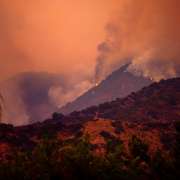
The March fires in Los Angeles destroyed more than 16,000 buildings. Many of them contained asbestos, which was released into the air due to the fires and the efforts to extinguish them.

In one affected section of the city, Eaton, half of the burned buildings tested positive for asbestos. The extra time it takes to abate the area has slowed rebuilding efforts. Another part of the city, Altadena, had less asbestos, and recovery has proceeded faster.

California fire officials estimate that 73% of the buildings in the affected areas were constructed before 1980. Asbestos was widely used in various building products in the US before that date.

CBS News reports that the US Army Corps of Engineers states that 2,269 properties were cleared of hazardous material, including asbestos, as of March 8. Overall, about 31% of the affected buildings have tested positive for asbestos. 

The Los Angeles County Department of Public Health issued a warning in February, stating that buildings within 250 yards of the fire sites could be exposed to asbestos, hazardous chemicals, and toxic heavy metals, including lead. 

Army Corps Colonel Sonny Avichal, the Eaton fire’s emergency field office commander, said testing was performed during cleanup efforts after the fires. Asbestos abatement had to be done by hand before large-scale debris removal started. 

Call us at 855-385-9532, locally 502-589-5600, or contact us online to arrange a free initial consultation with a Satterley & Kelley PLLC lawyer.

Potentially Deadly Mistakes Pool Owners Can Make

Owning a pool can involve a lot of work, including taking the necessary steps to keep those using it safe. A swimming pool on a hot Kentucky day can be a joy, but that will be short-lived if someone gets hurt. If you or a family member is injured while using a pool, one of these mistakes may be to blame. It may also be the basis for a compensation claim due to the owner’s negligence.

Satterley & Kelley, PLLC helps those injured by negligence obtain the compensation they deserve for what they’ve suffered. If you or a family member are injured or killed at a swimming pool, contact us so we can discuss what happened and how we can help.

Drowning is the top cause of death for children one to four years old, and the second top cause of unintentional injury death for kids five to 14 years old, according to the federal Centers for Disease Control and Prevention.

What is Negligence?

Nearly all personal injury claims are based on negligence. The plaintiff (the person filing the lawsuit) must prove all the elements of their claim. They must establish it’s more likely than not that the defendant (the party sued) committed negligence and caused the plaintiff harm.

Elements of a negligence claim include the following:

  • Because of the relationship between you and the defendant (a guest or hotel customer), they owed you a legal duty to do or not do something, given the facts
  • The defendant failed this duty
  • This is the factual and legal (or proximate) cause of the accident
  • You suffered harm as a result
  • Under state law, the defendant must pay you damages (compensation for the resulting harm measured in dollars)

Whether the defendant is negligent, and if so, how difficult that will be to prove, is primarily based on the facts. Because facts drive these cases, you must involve us in your case as soon as possible. The earlier our investigation, the lower the risk that evidence will be lost, witnesses will move away, and memories will fade.

What Negligence Might Lead to a Drowning or Other Injury?

Swimming pool owners, whether the pool is in their backyard or part of a country club or hotel, are legally obligated to maintain safe premises. Negligent acts, or failures to act,  that may create legal liability often involve a lack of reasonable precautions to prevent foreseeable harm. Some examples include the following:

1. Failure to Supervise

  • Private pools: Leaving children unattended without adult supervision.
  • Public/commercial pools: Not providing lifeguards or having insufficiently trained staff.

2. Lack of Proper Fencing or Barriers

  • Many jurisdictions require barriers (e.g., fences, gates with locks) to prevent unauthorized access.
  • Negligence: Failing to install or maintain such barriers, allowing children or others to wander in unsupervised.

3. Improper Maintenance

  • Slippery surfaces around the pool due to algae or spills.
  • Broken equipment like ladders, diving boards, or pool lights.
  • Poor water quality leading to illness or injury (e.g., from bacteria or excessive chlorine).

4. Failure to Warn of Hazards

  • Not posting signs for:
    • No diving (in shallow water)
    • Depth markers
    • “Swim at your own risk”
  • Absence of clear rules or emergency procedures.

5. Defective Pool Equipment

  • Using or failing to repair defective:
    • Drains (which can cause entrapment)
    • Pumps or filters
    • Heaters (risk of burns)

6. Inadequate Lighting

  • Poor visibility during evening or night swimming can lead to accidents.

7. Allowing Dangerous Behavior

  • Tolerating horseplay, intoxicated swimming, or diving in unsafe areas without intervention.

8. Violation of Local Codes and Regulations

  • Not complying with safety standards mandated by local building or health codes.

9. Failure to Provide Emergency Equipment

  • No readily available life rings, poles, first aid kits, or automated external defibrillators (AEDs).

Swimming pool accidents are tragic, but many are preventable when property owners meet their legal responsibilities.

If you or a loved one has been harmed in a pool-related incident, call us at 855-385-9532, locally 502-589-5600, or contact us online to arrange a free initial consultation with a Satterley & Kelley PLLC lawyer.

Avoid These Summer Driving Dangers to Try to Stay Safe

Every season has its safety challenges. Summer is a time of sudden rain that can compromise your vehicle’s traction. Many people drive long hours to vacation, creating more distracted and fatigued drivers on the road. Higher temperatures can lead to mechanical breakdowns and tire failures at the worst moments, creating extremely hazardous situations when you least expect them.

Summer weather can increase the risk of vehicle accidents in several ways. Here are the key factors:

1. Increased Traffic Volume

Summer brings vacations, road trips, and teen drivers out of school, all contributing to more congested roads, especially on weekends and holidays. When there are more vehicles and more drivers, it becomes increasingly likely that someone will make a mistake and cause an accident.

2. Driver Misbehavior

Driver mistakes cause most vehicle accidents. There are plenty to be made, including the following:

  • Although the use of GPS helps, out-of-town drivers may make sudden stops or turns on unfamiliar roads, increasing the risk of a crash
  • Highway exits can be the scenes of confused drivers where they initially start leaving the highway, realize they made a mistake, and then quickly cut back to the travel lanes
  • The opposite often happens as well. Drivers realize they need to get off a quickly approaching exit and cut through multiple lanes to reach it at the last second.
  • Most of us don’t regularly drive long distances. Extended driving during hot weather to vacation or see family members can lead to distractions, drowsiness, or falling asleep
  • Summer holidays and weekends are times when many of us drink and drive. You don’t need to be intoxicated for alcohol to impair your driving and increase the risks that you and others will be injured or killed in an accident
  • Heat causes fluid loss through sweat, which can lead to dehydration. If you’re driving, drink plenty of fluids to stay better relaxed and focused on the road. Combining heat and alcohol consumption increases the chances of dehydration
  • High temperatures can cause you to feel fatigued, sluggish, or sleepy, especially on long drives

3. Sun Glare and Vision Problems

Intense sunlight, particularly at sunrise and sunset, can temporarily blind or obscure road hazards, traffic lights, and signs. Extended exposure to bright light without sunglasses can cause headaches or blurred vision.

4. Increased Vehicle Failure Risk

Engines run hot all the time. There are additional challenges when the outdoor temperature is hot, too, including the following:

  • Overheated engines can leave drivers stranded in dangerous situations
  • High temperatures increase the strain on batteries, cooling systems, and engines
  • Heat boosts tire pressure, which is especially dangerous with older or worn tires, and tire blowouts may result in the loss of vehicle control
  • Trailers or campers that are rarely driven may have unsafe brakes and tires
  • High summer temperatures speed the wear and tear of rubber belts and hoses
  • The loss of air conditioning may cause you to be uncomfortable and distracted

5. Heavy Summer Rains

Thunderstorms and sudden downpours often break the high heat and humidity. Wet roads and decreased traction can cause accidents.

  • Worn tires on wet roads can result in hydroplaning, where your vehicle isn’t on the pavement but a thin layer of water, making steering or stopping difficult, if not impossible
  • Wiper blades not up to clearing heavy rain off your windshield will lessen your ability to see ahead of you at a time when water on the road makes stopping more difficult
  • You must slow down to drive safely when the road is wet because it’ll take a longer distance to come to a stop. The speed limit is set based on perfect, dry driving conditions during daylight

6. Construction Zones

Summer is the peak season for roadwork, which often includes lane shifts, narrowed lanes, and unexpected stops. Fatigued drivers may miss warning signs of construction work ahead and rear-end vehicles slowing down or stopping. Construction workers can also be victims of unsafe vehicles.

7. Pedestrians and Cyclists

More people walk, run, or bike in warm weather, creating additional hazards for drivers, especially in areas where tourism is a major industry.

Speak To a Personal Injury Attorney Today

If you consider these issues and take steps to prevent problems, you may avoid an accident. If another driver ignores the dangers summer driving can produce and causes an accident with you as a result, it may be negligence that can be the basis of an insurance claim or lawsuit against them seeking compensation for your losses.

If this happens to you or a loved one, Satterley & Kelley PLLC attorneys can help you take legal action. We will be with you every step of the way, protecting your best interests and ensuring you receive the compensation you deserve. Don’t deal with a serious injury alone.

Contact our Louisville office at 855-385-9532, locally 502-589-5600 to schedule a complimentary initial consultation and discuss your case. If it’s more convenient, you can also complete our contact form