


If a customer slips or falls while on a small Kentucky business’ property, that person may be entitled to seek compensation by filing a premises liability claim against that business. This is because small business owners are responsible for ensuring that the property is free from hazards for customers.
Businesses have what is called a duty of care when it comes to their customers. This means that the owner of the small business is responsible for providing maintenance of the property. As such, owners must provide a proper inspection of the premises, ensure that customers are made aware of any potential hazards that cannot be repaired or have not yet been repaired, and make repairs as they become necessary.
There are a small number of instances when an owner may not be held reliable for hazards. This includes very recent hazards that the owner was unaware of. For example, if a handrail suddenly becomes loose or unstable and results in a fall, there is only a small possibility that the owner would be held liable. However, if the handrail has been loose for some time or there is evidence that the handrail could become unstable at any moment, such as if there is a large amount of rust present, the owner should have been aware that maintenance was needed, and they could be held liable.
If a person suffers injuries while on a property due to hazardous conditions, he or she may be entitled to seek compensation by filing a premises liability claim. If the business knew about the hazard, failed to repair the hazard in a timely manner or failed to warn the person about the hazard, the business may be responsible for medical expenses, lost wages and legal costs. An attorney may file the claim and represent the person during negotiations or during litigation if the case is not resolved out of court.

The last thing you want to think about is the possibility of being involved in a car accident. But what do you do if it does happen? What if the person who hit you did not even have car insurance or not enough insurance coverage? What are your options? People drive around with no insurance every day or they are underinsured. According to a study by the Insurance Research Council (IRC), some estimated 30 million U.S. vehicle owners do not have car insurance. That is about 15%. The IRC is an organization paid for by the insurance companies.
What type of insurance do you need?
The reason that so many people go without insurance is mostly financial. They simply cannot afford it most times. When you are hit by an uninsured or even those who do not have enough insurance coverage, you could end up paying the price. However, there are ways to protect yourself by knowing what types of insurance coverage to buy. They are:
No one ever wants to be involved in a car accident, but making sure you have the proper car insurance coverage lets you know you are protected. It may give you piece of mind and help you sleep at night.

Many Kentuckians will spend at least one day this summer (and possibly many) at a theme park, fair, carnival, water park or other outdoor location where rides and other activities abound. We count on these rides and activities to be as safe as possible.
Unfortunately, we’ve seen widely-reported instances where a day at the fair or amusement park ended in tragedy for someone, often as the result of a ride or other piece of equipment that malfunctioned.
Some injuries aren’t as serious as the ones that make the news, but they can require medical treatment and possibly even rehabilitation. If you or a loved one has been injured at a large amusement park, that park or the company that owns it likely has a process where you can file a claim. It’s important to do that as soon as possible, as they probably have a time limit.
If there’s no process for filing a claim, or if you aren’t able to resolve the matter to your satisfaction, you may want to consider filing a lawsuit. Again, time is of the essence. Kentucky law creates a one-year statute of limitations on personal injury claims.
Most of these cases are settled out of court. However, be prepared for the defendants to claim that your recklessness or negligence caused the injury. Even if your actions contributed to the injury, however, you may still have a case.
If you were required to sign a liability waiver before entering the location, such as at a rock climbing gym or laser tag center, you may have only limited ability to take legal action. However, not all waivers will hold up in court. Some are overly broad, for example.
It’s never a bad idea to speak with a personal injury attorney before you agree to any settlement. You don’t want to sign away your rights to further action or accept a payment that’s less than you’re entitled to receive. You want to protect your rights now and in the future.

Asbestos, which has been linked to conditions like mesothelioma and other forms of cancer, isn’t nearly as prevalent in our lives as it was during much of the last century. However, it was once present in homes, schools, office buildings and myriad other structures. It was used in floor and ceiling tiles, roofing materials, heating, ventilation and air conditioning (HVAC) systems, insulation and construction materials. It was valued for its strength and fire-resistant qualities.
People who have worked as custodians or in maintenance jobs in buildings that contained asbestos are at risk of developing diseases including mesothelioma and other asbestos-related cancers. When materials containing asbestos are disturbed, asbestos dust is released and people may end up breathing it into their lungs.
People in cleaning and maintenance professions who had close contact with electrical, plumbing and HVAC systems, either to clean or repair them, may have been repeatedly exposed to asbestos. The same is true if they were working in buildings where construction work that may have disturbed materials containing asbestos occurred.
Since it can take anywhere from a decade to 60 years for exposure to asbestos to manifest as mesothelioma, many of the millions of people who have been around asbestos are just now finding out that they are suffering from mesothelioma and other asbestos-related conditions.
Some of the companies found liable for asbestos exposure have established trust funds to pay victims. Regardless of how you or a loved one contracted an asbestos-related ailment, it’s important to find out what your legal options are. Compensation can help you deal with medical costs, lost wages and other expenses.
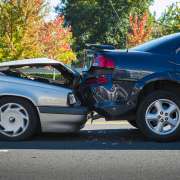
Every weekday you get in the car and drive to work. You know a decent portion of your day is spent on the roads, so you do your best to act responsibly and safely behind the wheel. However, your fate is not entirely in your own hands. Your safety out on the roads also depends on how other drivers act.
Unfortunately, some types of dangerous driving are quite common among motorists here in the United States. What types of unsafe conduct by other drivers might you be particularly likely to come across during your commute?
Recently, a report looked into driving habits here in America. It reviewed data from a cellphone app that monitors driver conduct through a phone’s sensors. The data covered hundreds of millions of miles driven. From this data review, the report pointed to two types of unsafe conduct being particularly prevalent.
Speeding holds the top spot
The report found that the most common type of dangerous driving conduct out on the roads is having a lead foot. It appears impatience and a desire to get places just a little bit faster seeps into the driving of a great number of Americans. The report found that speeding occurs in 38 percent of vehicle trips. It is estimated that, in trips where speeding is present, it makes up an average of 8 percent of the trip.
Some drivers might see speeding as not that big of a deal and just as a way to try to save a little time. However, it is important to not underestimate the dangers of speeding. When drivers speed, they have much less time to react to what’s happening around them. Also, car accidents can be particularly devastating when they involve vehicles going at a high rate of speed.
Cellphone use while driving comes in a close second
According to the report, almost as many car trips see drivers using their cellphones. This type of dangerous conduct was found to be present in 37 percent of vehicle trips, just barely missing the No. 1 spot. Reportedly, in trips where drivers used a cellphone, drivers were on their phone for an average of 11 percent of the trip.
Cellphone use while driving can take a driver’s eyes, hands and mind away from the task at hand. This can create all kinds of dangerous situations out on the roads. So, motorists falling to the temptation to get some things done on their phone while driving can have massive consequences.
When you are hurt by a dangerous driver
So, these two types of dangerous driving are ones you may want to particularly be on watch for when you are on your daily commute. You also may want to stay well-versed on defensive driving.
Now, even if you are vigilant out on the roads, there is always the chance another driver’s conduct could expose you to an accident during your commute. When you end up in a crash due to the actions of a speeding or distracted driver, it could have many impacts on your life. In some cases, the injuries from the crash might lead to you having to miss work for a while. Lost wages are one of the things car accident victims may be able to receive compensation for in injury claims. What sorts of damages you may be able to pursue are among the things you may wish to look into following a car wreck.

Decades ago, asbestos was a go-to material for new city developments. Health officials only discovered its harmful effects much later. As a result, numerous offices, homes, stores and restaurants may still contain the dangerous substance.
Among these affected buildings are schools. Across America, some schools have required renovations to remove asbestos. However, this problem can go undetected for years until a new addition reveals hidden issues or until someone speaks up. To this day, some schools need to close while professionals work to remove every trace.
Are schools required to check for asbestos?
The Environmental Protection Agency (EPA) and the Occupational Safety and Health Administration (OSHA) both require schools to manage asbestos risks. This means that schools need to appoint an employee to schedule tests to identify and resolve any evidence of unsafe asbestos. These inspections must happen every three years.
However, local schools don’t always have the resources to properly test and remove asbestos, so they may try to hide it. Schools might fail to fully train the staff member in charge of this problem. The appointed staff may also ignore their duty. These mistakes can create health risks for everyone who attends the school.
Is my child exposed to asbestos at school?
In one study researchers found that children were especially vulnerable to the impact of asbestos. In fact, they were five times more likely to suffer Mesothelioma than the average adult. For this reason, schools must keep parents informed of their building safety efforts.
Parents are not able to inspect school property themselves, but they can direct concerns to the school’s leadership. Parents and teachers may report serious complaints to EPA or OSHA.
Teachers are also at risk
Teachers, professors and school staff members could spend their entire career in the same school building. This long-term exposure to asbestos could lead to health complications – even long before retirement age. Out of all occupations with exposure to asbestos, teachers faced the second highest number of related fatalities, which were only outnumbered by those of construction workers.
School districts may be liable if a teacher or student suffers from a resulting disease. Because they have a legal responsibility to monitor asbestos hazards on school grounds, a school’s negligence could become the focus of a lawsuit.

As a regular cyclist, you may have noticed that cars do not always afford you the consideration that you deserve. Unfortunately, many Kentucky drivers infringe on bike lanes, cut off bikers to make turns or fail to respect their space. However, you are awarded the same rights and responsibilities as motor vehicles on the road, with a few notable exceptions. Do you know your rights as a biker?
You have a right to consideration
Just as drivers have a responsibility to share the road with other motorists, they have a responsibility to share the road with bikers. They are required to share road lanes, unless a designated bike lane is available. In that case, the biker must remain in the bike lane, but the motorist must still take reasonable care to protect their safety.
Bikers have a responsibility to protect themselves
While motorists should do their best to protect your safety, you must act as your own advocate. In some cases, safety is required by law. Some safety laws include:
Additionally, it is widely recognized that bright, reflective clothing makes it easier for motorists to spot bikers and avoid collision. Helmets are an important safety measure, even if not legally required for adults.
Why is it important?
Due to a bicycle’s smaller size, it can be difficult for cars and trucks to spot you on the roadway. They are checking for the presence of other large vehicles before they change lanes or turn, but not necessarily bikes. This places you at greater risk for accident and injury. Additionally, a biker is fully exposed to the elements and lacks protection. An accident, even at low speeds, can result in catastrophic injuries or death.
If you are in an accident with a motorist due to their negligence, you may be able to file a personal injury lawsuit and pursue just compensation. You should consult with an attorney to learn your options. You have a right to be on the road, and drivers need to respect that.

Americans who are buying new cars are finding all sorts of available safety options designed to detect obstacles, warn the driver, and in some cases, take action on their own to try to prevent crashes.
Lane departure prevention systems automatically correct a car’s path if the system detects the vehicle is wandering out of its lane. Some vehicles have a warning system that alerts drivers if the car moves out of its lane but doesn’t take steering action on its own.
Forward collision prevention systems automatically apply the vehicle’s brakes if they detect something ahead that the driver doesn’t appear to be responding to. Collision warning systems will alert the driver of an obstacle ahead and prepare the brakes to stop, but won’t actually cause the car to brake.
Blind spot intervention systems prevent cars from being maneuvered into an occupied area, such as the next lane where there’s another vehicle the driver might not see. Blind spot monitoring systems will simply alert drivers if they put on their turn signal to move in the direction of an occupied space.
These systems and others, such as adaptive headlights, help reduce crashes, according to the Highway Loss Data Institute (HLDI). An HLDI study found that owners of cars with active braking and collision warning systems were less likely to file property damage insurance claims.
The Insurance Institute for Highway Safety (IIHS), which regularly names the safest vehicles consumers can buy, places vehicles with the front crash prevention system options among its Top Safety Picks. In an IIHS survey of drivers who have cars with crash prevention systems, anywhere from 20 percent to half of drivers (depending on the type of vehicle they own) reported that their system was responsible for helping them avoid getting into a crash.
Of course, these systems can also give some drivers a false sense of security. They can even cause some to relax and not be as aware of their surroundings as they should be because they count on their car to warn them or even act to avert a crash.
If you are involved in a crash that was caused by another driver, even if that driver blames a malfunction of his or her safety system, you may well be able to hold that driver responsible. An experienced Louisville car accident attorney can offer valuable guidance.
Source: Carintelligent, “Should your next car have a crash prevention system?,” accessed March 21, 2018

When an individual finds out than someone else keeps horses, they’re bound to ask if they can take a ride on one at some point in time. While such a request may seem innocent enough, there are so many things that can go wrong. A prudent horse owner may deny your request as it exposes him or her to being sued.
There are countless cases out there in which a horse may have become distracted by a plastic bag blowing in the wind, startled by a rider’s sneeze and gallops off briskly, bites a child or kicks someone upon becoming startled. Then there are cases in which staff at the facility you visit may neglect to tighten the saddle’s cinch, causing it to turn on its side and you to fall.
These types of events are, unfortunately, not uncommon. In fact, researchers working on a recent Cambridge University study found that a single injury occurs once every five hours of amateur jumping or racing and one time per 100 hours of leisurely riding. As far as three-day cross country events are concerned, injuries happen once every hour.
To minimize your risk of injury, it’s important for all riders to follow all posted rules of engagement and to practice safe horsemanship. It’s also important to make sure that you’re properly matched with the horse appropriate for you. Safety experts also emphasize that all equestrians, whether beginners or professionals, should wear safety gear, including helmets, at all times.
If you suffer an injury in any of these instances, then you can file a claim with either the horse owner’s homeowner’s or commercial insurance policy for damages. If the injuries are severe, then you may decide to sue them for any remaining monies owed that their insurance does not cover.
Whether you’re entitled to file a lawsuit depends greatly as to the nature of your visit to the premises, such as whether you trespassed or were invited. If signs were posted warning you of inherent dangers associated with riding horses or you were asked to sign a liability waiver, then you may be limited in terms of legal remedies that you can pursue.
If you’ve been injured in a horse riding incident, then a Louisville attorney can advise you of your right to file a lawsuit to recover medical costs and other damages in your case.