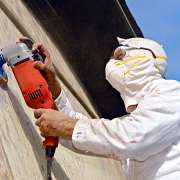

Coping with Mesothelioma Fatigue and Living with Cancer

If you have mesothelioma, you have probably experienced fatigue. Fatigue is one of the most common mesothelioma symptoms, and is also one of the most common side effects of mesothelioma treatment. However, despite being experienced by almost all mesothelioma patients, fatigue is often misunderstood. In this article, we will explore mesothelioma fatigue, including how it differs from regular tiredness, what causes it, and what you can do about it.

What is fatigue?

Fatigue is an unusual lack of energy, tiredness, or exhaustion. It is different from the sort of tiredness a person feels normally, such as feeling wiped out after a long day. Rather, fatigue can make someone feel totally exhausted after only a small amount of activity or effort. In addition, someone with fatigue may continue feeling exhausted even after sleeping or resting, and may also have difficulties thinking clearly, remembering things, or otherwise going about their daily lives. People with fatigue may lose the motivation and ability to do things or complete everyday tasks—even things they normally enjoy.

Most people experience some combination of three types of fatigue:

  • Physical Fatigue: This is fatigue experienced in the body. It often presents as full-body exhaustion, tired muscles, or heavy limbs that make it difficult to move. The physical symptoms of fatigue can come from very small or ordinary amounts of activity (such as taking a shower), or from no activity or exertion at all. For someone with physical fatigue, tasks like bringing in groceries or washing the dishes start to feel like running a marathon.  
  • Mental Fatigue: Mental fatigue affects a person’s cognitive functioning, or their ability to think and process information clearly. It can become more difficult to initiate or finish tasks, to remember things, and to pay attention. This sort of fatigue can be particularly difficult to identify, since it may happen gradually and may take additional mental effort to pinpoint and explain.
  • Emotional Fatigue: Like physical and cognitive functioning, emotional functioning also requires energy, and can feel difficult or overwhelming to someone with mesothelioma fatigue. Mesothelioma can cause many difficult emotions, including anxiety, fear, sadness, anger, frustration, and grief. Carrying this huge emotional load can be especially difficult for patients, who may feel like there is no reprieve from dealing with the most draining of these emotions, and like there is little time, space, or energy for other, more positive or enjoyable emotions. For some people, having emotional conversations or interactions can be especially draining while fatigued.

How common is mesothelioma fatigue?

The vast majority of mesothelioma patients experience fatigue of some sort. Importantly, mesothelioma fatigue affects each patient differently, and may change in how it presents at different points in each patient’s mesothelioma journey.

What causes mesothelioma fatigue?

Mesothelioma fatigue has many potential causes, and is often rooted in several issues at once, to varying degrees. These can include:

  • Mesothelioma Treatments: Many mesothelioma treatments cause fatigue, including chemotherapy, radiation, surgery, and immunotherapy, as well as treatment complications and mesothelioma medications. Fatigue may begin or become worse after treatments, and may continue for weeks to months afterward.
  • Anemia: Mesothelioma patients may experience anemia (decreased red blood cells). Red blood cells move oxygen to different parts of the body, so a low red blood cell count means less oxygen flow, which leads to feelings of weakness, dizziness, shortness of breath, and fatigue.
  • Cancer Cells and Tumors: Cancer itself can lead to fatigue. Tumors and cancer cells can release toxic chemicals and proteins (such as cytokines), leading to hormonal changes that can cause and worsen fatigue. In addition, tumors that get in the way of breathing (especially among pleural mesothelioma patients) may further decrease oxygen supply and cause fatigue.
  • Nutrition and Appetite: Mesothelioma patients often struggle to maintain their appetite, leading to the body not getting the energy and nutrients it needs to fuel itself. In addition, mesothelioma sometimes makes the body need more of certain nutrients, and may also make it difficult for the body to process food. These factors can lead to malnutrition, which can cause and worsen fatigue.
  • Sleep Issues: Many mesothelioma patients experience sleep disturbances—either sleeping too much or too little. Sleep cycle disruption can cause fatigue, which can lead to a vicious cycle of increasingly worsening fatigue and sleep issues.
  • Pain: Many mesothelioma patients experience chronic pain and discomfort, which itself can cause both short-term and long-term fatigue in mesothelioma patients.
  • Lack of activity: It can be very difficult for mesothelioma patients to stay active. However, complete lack of activity can actually worsen fatigue, as it can lead to muscle wasting and other physical and psychological effects.
  • Psychological Impact: Mesothelioma can cause extreme emotional responses in both patients and their loved ones. These powerful emotions can be very taxing, and can lead to depression and anxiety—both of which can cause and exacerbate fatigue.
  • Infections: Mesothelioma patients are especially vulnerable to infections, especially during treatment regimens that include therapies like chemotherapy and radiation. Infections—especially chronic infections—can lead to fatigue.

What can I do to help with mesothelioma fatigue?

  • Document your fatigue and talk to your doctor. It’s essential to address your fatigue with your mesothelioma care team. To help them treat you most effectively, you should come prepared with as much information as possible about your fatigue, including:
  • When it started
    • How long it has lasted
    • Whether it comes and goes (and if so, for how long)
    • Whether certain things make it better or worse
    • What specific symptoms you experience
    • How it affects your life
    • Your current pain levels, diet, sleep habits, and level of exercise

Your doctor will ask you questions related to your fatigue, and may do testing to see if there are underlying medical issues that can be addressed. They may adjust your treatments, medications, or care to reduce your fatigue, and may also offer tips and guidance for coping with mesothelioma fatigue they cannot treat.

  • Conserve your energy and plan your activity carefully. Don’t be afraid to say no. One of the best ways to combat fatigue is to save your energy for the most important things, focusing on what you can do and what you want to do. Know your “higher energy” times, and plan activities you like and look forward to during those times. Do not be afraid to say no to stressful or unwanted activities.
  • Ask for help. Do not be afraid to ask for help, and to let people help you. Rely on your support system to help you with tasks that fatigue makes difficult or impossible.
  • Get enough healthy food and sleep. Stay on-track with a healthy mesothelioma diet. Your mesothelioma care team can help with your specific needs, but try to stick to a high-calorie, high-protein diet with lots of fruits and veggies, and make sure to drink enough water. You should also maintain healthy sleep: take short naps throughout the day (ideally no more than 30 minutes at a time) to maintain energy without disrupting your sleep schedule.
  • Stay active if possible. Seek guidance from your mesothelioma care team about the amount of activity that is right for you, but try to maintain some level of physical activity if you can. Choose activities you like, such as going on a walk with a friend, in order to maintain muscle mass and circulation, and boost your energy levels and mood.

Are you or a loved one looking for more information about mesothelioma and your legal options? Call (855) 385-9532 to learn more.
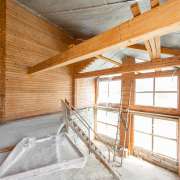

Encapsulating Asbestos Products May be the Better Option vs. Removal

Asbestos, once a widely used material due to its fire-resistant and insulating properties, poses severe health risks. Inhaling its asbestos fibers can cause serious respiratory diseases, including lung cancer and mesothelioma. If it’s in your home or business, you want it under control, if not removed entirely. One method of abating asbestos is encapsulation or sealing it in place.

If you or a loved one have mesothelioma or another asbestos-related illness, you may be entitled to compensation. Discuss your situation and how Satterley & Kelley, PLLC can help with us by calling our Louisville office toll-free at 855-385-9532. You may also complete our contact form to schedule a free initial consultation.

The Dangers of Asbestos

Asbestos is a naturally occurring mineral fiber widely used in homes, businesses, government buildings, vehicles, ships, and airplanes. Its fire- and heat-resistant properties made it popular for insulation, roofing materials, and thousands of other applications.

Fibers can become airborne when these products are installed, disturbed, age, and deteriorate. Those nearby may inhale or swallow the fibers, starting a potentially deadly, decades-long chain of events.

Asbestos causes lung cancer, mesothelioma, and asbestosis. The time between exposure and showing these conditions’ symptoms may take 30 or 40 years, making disease prevention and proper asbestos management essential.

How Does Encapsulation Work?

If there’s asbestos in an area, a professional, licensed, trustworthy abatement company should test it to ensure it’s asbestos. They should come up with options on how to best deal with it. This may include removing and safely disposing of it or encapsulating it where it is.

Encapsulation minimizes the risk of releasing fibers into the air by applying a specialized coating or sealant to encapsulate or seal up the asbestos-containing material, preventing the release of asbestos fibers. After testing the material, the following steps would be:

  • Preparation: Before applying the sealant, the surface of the asbestos-containing material must be prepared. This involves cleaning and removing any loose debris or dust that may hinder the effectiveness of the encapsulation
  • Application: The encapsulation material, often a liquid sealant, is applied to the asbestos-containing surface. This material is carefully chosen to ensure compatibility with asbestos and long-lasting protection. The encapsulant creates a durable barrier that binds the asbestos fibers and related material together, preventing them from becoming airborne
  • Curing and Testing: Next, it undergoes a curing process to ensure a solid and durable protective layer. Subsequent testing may be conducted to verify the effectiveness of the encapsulation and to ensure that the asbestos fibers remain securely contained

What’s done varies on the type of asbestos material being abated. The work area is sealed off. Workers wear protective equipment to prevent their exposure to fibers. Any asbestos that may have come loose during the process is cleaned up and removed.

What are the Benefits of Encapsulation?

Each abatement approach has its pros and cons. The benefits include:

  • Less Costly: Asbestos encapsulation is often more cost-effective than removal. The process involves less labor and disposal costs, making it an attractive option for managing asbestos-containing materials, especially in situations where removal is impractical or too expensive for the property owner
  • Less Disruption: Unlike asbestos removal, which can be a long and disruptive process, encapsulation is usually faster and causes less disturbance. This is particularly helpful in situations where removing asbestos could lead to further contamination or pose additional risks
  • Reduced Health Risks: Compared to ignoring the problem, preventing the release of asbestos fibers into the air through encapsulation significantly reduces the health risks associated with asbestos products in a building. Though it’s in a sealed-off area, removing asbestos might result in greater fiber release.

On the downside, encapsulation doesn’t end the threat asbestos fibers pose. It just postpones removal in a controlled or uncontrolled manner. If there’s a fire or the structure collapses or is demolished without proper removal, asbestos fibers could spread widely through the area.

When is Encapsulation a Better Idea Than Asbestos Removal?

Encapsulating the asbestos product may be a better option if:

  • The asbestos is part of a durable material, such as vinyl-asbestos flooring, and it’s still intact
  • The material is in good condition without much wear or tear
  • The impacted area is easily sealed up (walls, floors, and other flat surfaces)

Asbestos removal is the more common approach. It’s the better choice when the product is damaged, or fibers have been released into the structure. Asbestos is a clear threat in this situation and should be removed as soon as possible to prevent further health risks.

When is Asbestos Removal the Better Option?

Asbestos removal is the more common approach. Friable asbestos products may release fibers into the air, but if not appropriately handled, removal could make the situation worse. This is why hiring a qualified, insured asbestos abatement contractor is critical.

Removal may be the better choice or necessary because of the following:

  • Repairs, remodeling, or changes to your house are in areas where the asbestos-containing product is located
  • The material is extensively damaged and can’t be repaired
  • You’re selling the home, and the buyer makes asbestos removal a condition of the sale
  • It’s required by state laws or local ordinances

Peace of mind also comes with knowing the asbestos is out of your home, and you’ll never need to deal with it again.

Your Local Mesothelioma Law Firm

If you or a loved one are diagnosed with mesothelioma or another asbestos-related disease, you should understand your rights to compensation for the harm asbestos causes.

Experienced Satterley & Kelley’s, PLLC, asbestos injury lawyers can discuss your situation and help you recover compensation for your medical expenses, lost wages, and the pain and suffering you’ve endured. Schedule a free initial consultation at our Louisville office by calling us toll-free at 855-385-9532 or completing our online contact form today.

The Worst of Both Worlds: Multi-Vehicle Accidents Involving Commercial Trucks

Both multi-vehicle and commercial truck accidents can be very complex concerning determining the cause, who’s liable, and whose insurance carrier will pay which party how much. Further,  these accidents frequently cause severe and fatal injuries, and you have a situation where an unrepresented accident victim has practically no chance of getting fair injury compensation.

If you or someone in your family is injured or killed in a Kentucky truck accident, Satterley & Kelley PLLC attorneys can help you handle legal matters with confidence. Call our Louisville office at 855-385-9532 today.

What are Legal Issues After a Truck Accident Affecting Multiple Vehicles?

Legal implications vary on the facts and circumstances of the accident. Generally, they can include:

  • Liability and Fault Determination: Establishing liability is crucial in a multi-vehicle accident. Our investigation may involve examining all the drivers’ actions. Factors such as traffic violations, negligence, and obeying traffic laws would be considered
  • Commercial Trucking Laws and Regulations: Commercial trucks are subject to federal and state laws and regulations. Violations, such as hours-of-service, inadequate maintenance, or overloading, will impact liability
  • Insurance Coverage: Commercial trucks typically have higher insurance coverage than passenger vehicles due to the potential for more severe accidents. There may be many insurance companies representing the different vehicles involved
  • Injuries and Damages: Injuries in multi-vehicle accidents can be severe, leading to extensive medical expenses and long-term disabilities. An investigation will include assessing the extent of your injuries, property loss, and other damages to determine fair compensation
  • Potential Multiple Lawsuits: In a multi-vehicle accident, various parties may file lawsuits against each other. This could include drivers, passengers, and even pedestrians involved in the accident. Different parties involved with the commercial truck may sue each other to deflect potential liability
  • Government Entities: Government entities may be involved, including the State Police, especially if poor road conditions or inadequate signage contributed to the accident. If a government entity may be liable, there are specific procedures and deadlines to pursue legal action against them
  • Evidence Collection and Preservation: Timely collection and preservation of evidence, including accident reports, witness statements, surveillance footage, and data from the commercial truck’s electronic control module, are critical in building a solid legal case. These efforts become more complicated as each party seeks evidence to support their claims or defenses
  • Negotiation or Litigation: Legal proceedings may involve negotiation with insurance companies or litigation if a fair settlement cannot be reached. Our goal is for you to obtain compensation for pain, suffering, medical bills, property damage, lost wages, and other damages
  • Settlement or Trial: In most cases, parties will settle before a trial is complete.  The complexity of these cases and the cost of litigation encourage parties to resolve their differences. Depending on the number of defendants, several may provide you with compensation

No matter how complicated or difficult your case may be, Satterley & Kelley, PLLC attorneys will put in the work and fight for the best outcome possible for your claim.

What are Insurance Issues in These Accidents?

A multi-car accident with a commercial truck can lead to many insurance issues due to the complexity of determining fault, the number of parties involved, and the extent of damages. Here are some of the more common insurance issues, which will vary on the facts, the coverages involved, and how the carriers may handle them:

  • Determining Fault: Insurance companies need to determine the percentage of fault for each driver and other parties involved. This process often includes a detailed investigation, witness statements, and expert analysis
  • Multiple Claims: There will likely be several insurance claims involving numerous vehicles involved in a crash. Coordinating and processing these claims can be a time-consuming and complex task, especially when liability is disputed
  • Insurance Coverage Limits: Insurance policies are contracts where the company provides coverage, and the insured pays premiums in exchange. Part of the contract is the carrier will only pay so much (the limit) if the insured is liable. If a party involved has insufficient coverage to compensate others for their damages fully, it can lead to disputes and complications
  • Uninsured or Underinsured Motorists: In multi-car accidents, there’s a higher likelihood one of the drivers will be uninsured or underinsured. This can complicate the process of seeking compensation, and you may need to rely on your uninsured/underinsured motorist coverage
  • Medical Payments Coverage: Determining how medical expenses will be covered by whom is a critical part of the process. If you are severely, permanently injured, your medical expenses will be substantial, and you may need years of treatment and rehabilitation services
  • Subrogation: This is the process where an insurance company may seek reimbursement for claims they paid from the at-fault party’s insurance. Not only may multiple injured parties engage in litigation, their insurance companies may sue each other, seeking to have their costs covered
  • Coordinating Benefits: There may be coordination of benefits issues when multiple insurance policies and carriers are involved. Determining which policy takes precedence and how they work together can be complicated

One of the main benefits of retaining a Satterley & Kelley, PLLC, attorney after an injury is that we, not you, deal with all these issues. We handle all the insurance companies, your claims against them, and will work on the legal issues involved.

Your attorney will get their hands dirty with whatever issues the insurance companies come up with while you focus on recovery and your family. These aren’t your problems because we will handle them.

Speak To a Kentucky Truck Accident Lawyer Today

If you have been injured in a collision involving a commercial truck or vehicle, we are a law firm you can trust. Put boots on the ground with help from Satterley & Kelley PLLC.

To schedule a free initial consultation at our Louisville office, call us at 855-385-9532 or complete our contact form today.

Cigarettes With Asbestos Filters: Two Terrible Things That Are Worse Together

Smoking cigarettes is bad enough for your health, and according to the CDC, you’re 15 to 30 times more likely to get lung cancer if you smoke.

Now imagine what smoking cigarettes containing asbestos would do to your body. This was a reality for smokers in the 1950s.

Kent cigarettes manufactured and sold cigarettes containing cancer-causing tobacco smoke and asbestos fibers from filters that were part of the cigarettes.

Worst of all, these cigarettes were marketed as a healthier alternative to traditional cigarettes. But studies show that smokers who were exposed to asbestos run a higher risk of developing lung cancer than those just exposed to one of those toxins.

Do Cigarettes Contain Asbestos?

No, modern cigarettes do not contain asbestos.

The last cigarettes known to have asbestos filters were manufactured from 1952 to at least the middle of 1956. Even after manufacturing stopped, those cigarettes continued to be sold until the inventory was depleted.

While today’s cigarettes don’t contain asbestos fibers, they still contain toxins that increase your chances of getting cancer, heart disease, diabetes, and other potentially fatal illnesses.

What Types of Cigarettes Contain Asbestos?

Kent cigarettes manufactured in the 1950s contained asbestos filters, and they were marketed as a “safer” alternative to traditional cigarettes.

In 1952, the P. Lorillard Tobacco Company sponsored “scientific” demonstrations on television to show the effectiveness and implied health benefits of Kent Micronite filters that were part of some of their cigarettes, reports the Center for the Study of Tobacco and Society (CSTS).

Their campaign included advertisements in medical journals intended to convince physicians to recommend Kent cigarettes with Micronite filters to patients. One New England Journal of Medicine ad, dated September 17, 1953, claimed the filters didn’t affect “the full pleasure of a really fine cigarette…”

The ad boasted that:

‘…after long search and countless experiments, KENT’s “Micronite” Filter has been developed. It employs the same filtering material used in atomic energy plants to purify the air of minute radio-active particles…tests have…proved that KENT’s exclusive Micronite Filter approaches 7 times the efficiency of other filters in the removal of tars and nicotine and is virtually twice as effective as the next most efficient filter.’

A 1954 ad claimed that the American Medical Association “voluntarily conducted” tests of filters and filtered cigarettes. Results published in their journal reportedly found the Micronite filters were the most effective in removing nicotine and tars. The ad claimed they offered “the greatest protection of any filter cigarette…”

Protection from what is missing from the ad. CSTS states that filtered cigarettes (even those without asbestos) are more dangerous than non-filtered ones. The resistance by the filters makes smokers breathe in deeper, inhaling more toxins into their lungs than they’d get from filterless cigarettes.

Kent Cigarettes Contained Dangerous “Blue” Asbestos

Lorillard didn’t disclose what made their filters so amazing in these ads. It was later determined that they were using crocidolite (or blue) asbestos, one of the most dangerous types.

The filters were 15% to 25% made of asbestos. They were exclusively used in Kent cigarettes from 1952 to 1956.

Penn Medicine’s Abramson Cancer Center states that crocidolite has extremely fine and sharp fibers. This makes them easy to inhale and become stuck in the human body. Over years or decades, the fibers can cause scar tissue, inflammation, and cancers, including mesothelioma.

How Deadly Crocidolite (Blue) Asbestos Can Be

Crocidolite asbestos made it to Mining Technology’s eleven most dangerous minerals. It was primarily mined in Western Australia, Bolivia, and South Africa. “Across the world, many thousands of miners have had their lives shortened by asbestos exposure.”

One Western Australia mining town, Wittenoom, was wiped out because crocidolite mining killed more than 2,000 residents from asbestos-related diseases, including mesothelioma.

The government took it off maps in 2007 to deter tourists from traveling to what was called “The most dangerous town in Australia” and forcibly removed the last residents in 2015. The Aussie Towns website states, “This ghost town located at the mouth of the Wittenoom Gorge is the home of Australia’s greatest industrial disaster.”

Remember, this is the same stuff that was being used in Kent cigarette filters.

Dangers of Smoking Cigarettes With Asbestos Filters

A 1995 study looked at the asbestos exposure a smoker using a Kent cigarette with a Micronite filter would experience:

  • The filter contained about 10 milligrams of crocidolite asbestos
  • Fibers were found in the smoke from the first two puffs of a cigarette
  • Given the observed rates of asbestos being released, a smoker using a pack each day would take in more than 131 million fibers longer than 5 microns in a year

The study’s abstract concludes with, “These observations suggest that people who smoked the original version of this cigarette should be warned of their possible substantial exposure to crocidolite during the 1950s.”

Smoking Tobacco (Without Asbestos) is Bad Enough

Cigarette smoking is the top cause of preventable death in the US, according to the federal Centers for Disease Control and Prevention (CDC). The agency states the following:

  • Cigarette smoking causes more than 480,000 deaths annually in the US, or about 20% of all deaths in the country
  • More than ten times as many US citizens have died prematurely due to cigarette smoking than were killed in all the wars fought by the US
  • About 90% of all lung cancer deaths are related to smoking
  • About 80% of all deaths caused by chronic obstructive pulmonary disease (COPD) are smoking-related
  • Smokers are about 25 times more likely to develop lung cancer than non-smokers
  • Smoking can cause 12 kinds of cancer

If no one in the US smoked, the CDC estimates that the number of cancer-related deaths could be cut by about a third.

Is There a Link Between Smoking, Asbestos, and Lung Cancer?

Research from the National Cancer Institute shows that the combination of smoking and asbestos exposure multiplies lung cancer risk far beyond the risk of each one in isolation. Smoking also damages natural defenses in the lungs, making it easier for asbestos fibers to remain trapped and cause cancer.

Over time, these fibers cause scarring and inflammation, resulting in breathing problems. Over years or decades, they may also cause genetic changes in nearby tissue that result in cancer tumors.

Asbestos is considered a human carcinogen (a substance causing cancer) by the following:

  • US Department of Health and Human Services
  • US Environmental Protection Agency
  • International Agency for Research on Cancer (IARC)

The IARC states that asbestos can cause mesothelioma and cancers of the ovary, larynx, and lungs. There’s some evidence asbestos increases the risk of cancers of the colorectum, stomach, and pharynx.

The NCI states:

“Many studies have shown that the combination of smoking and asbestos exposure is particularly hazardous. Smokers who are also exposed to asbestos have a risk of developing lung cancer that is greater than the individual risks from asbestos and smoking added together…”

The NCI advises anyone who smokes and has a history of asbestos exposure to stop smoking.

When Did Cigarette Companies Stop Using Asbestos Fibers?

Kent cigarettes continued to use asbestos filters from 1952 until 1956. They were sold until the existing stock ran out.

Why Was Asbestos Used in Cigarettes?

Asbestos was used in cigarette filters. Manufacturers claimed that the asbestos improved filtration of tars and nicotine, but the crocidolite asbestos fibers were highly toxic when inhaled.

Get Help If You Were Exposed to Asbestos Fibers by Smoking Kent Cigarettes or at the Lorillard Tobacco Company’s Louisville Plant

Satterley & Kelley, PLLC, lawyers have represented dozens of clients who worked at Lorillard Tobacco in Louisville and those who contracted lung cancer and/or mesothelioma from smoking Kent cigarettes.

No amount of money can compensate you for your lost health or time missed with your family. But we will treat you like family and help you get the justice you deserve. If you’ve contracted mesothelioma due to Lorillard Tobacco or any other company, you deserve compensation. Don’t wait — Call us at 855-385-9532, locally 502-589-5600, or contact us online to arrange a free initial consultation with a Satterley & Kelley PLLC lawyer.

Click here for more information about other products that contain asbestos

Mesothelioma Caretaker Burnout: How to Spot it, and What to do About it

Caring for a loved one with mesothelioma is a huge undertaking, with many physical, emotional, and financial demands. Caretaking can be very rewarding, allowing caretakers to show up for their loved one when they need them the most, but it can also be incredibly difficult, in ways that become increasingly taxing over time.

Caretakers are often expected to be on call to tend to their loved ones 24/7, providing essential support through complete lifestyle, routine, and dietary changes as well as the symptoms of mesothelioma and mesothelioma treatment. Mesothelioma caretakers often take on the burden of medical decision making, setting appointments and coordinating a wide range of providers to ensure that their loved one is receiving the best possible care. Many caretakers take on this tremendous burden—itself a full-time job—while continuing to work, care for their children, and maintain their household, among other responsibilities.

At the beginning of a mesothelioma journey, caretakers may be more hopeful, energized, and on point. Endorphins are high, and the caretaker often has reserves of energy and resources they can rely on to get them through any difficulties. The complete selflessness demanded of mesothelioma caretakers may be easier to maintain in this beginning phase.

However, many caretakers hit a point where their energy, resources, and hope start to wane, and it starts getting hard to see the light at the end of the tunnel. They may begin to experience a deep physical, mental, and emotional exhaustion, buckling under their many stressors, responsibilities, and demands.

This is mesothelioma caretaker burnout, sometimes referred to as “compassion fatigue”. It is very common among mesothelioma caretakers, and is essential to identify and address as soon as possible. If left unaddressed, burnout can be highly detrimental to a caregiver’s health and wellbeing, and can prevent them from effectively caring for their loved one.  

What are the symptoms of mesothelioma caregiver burnout?

Burnout may present differently in different caretakers. However, common signs and symptoms include:

  • Fatigue and ongoing physical, mental, and emotional exhaustion
  • Somatic complaints (i.e., headaches, body pains, gastrointestinal issues, etc.)
  • Increased irritability, impatience, and anger
  • Sadness, depression, and loss of hope
  • Feelings of helplessness and inadequacy
  • Reduced self-esteem
  • Anxiety, fear, and panic
  • Denial and unrealistic expectations
  • Depersonalization and detachment
  • Mood swings and inability to control emotions
  • Loss of interest in previously enjoyable activities
  • Social isolation and withdrawal
  • Changes to sleep and appetite  
  • Self-medication, especially with food, drugs or alcohol
  • Lack of self-care and neglect of one’s own needs

What causes mesothelioma caregiver burnout?

The primary cause of mesothelioma caregiver burnout is too much long-term stress and neglect of one’s own needs without sufficient support or relief.

The physical symptoms mentioned above are the reflection of that stress and self-neglect on the body. These are often the first warning signs of mesothelioma caretaker burnout, but are frequently ignored by caretakers, who often feel they need to power through. The emotional and psychological symptoms above are often related to the caretaker completely ignoring their own emotional needs to care for their loved one, and to the unique psychological and emotional demands related to caring for someone with mesothelioma. This, along with the logistical demands of caretaking, can lead to the social and interpersonal symptoms of mesothelioma caretaker burnout—i.e., withdrawing from friends and family.

Additional contributors to burnout may include stressors such as:

  • Role confusion: The strain of shifting roles with a loved one (i.e., from husband and wife to caregiver and patient), which can cause confusion, interpersonal stress, and overwhelm.
  • Unrealistic expectations: The tendency of caretakers to feel solely responsible for things they could not possibly handle on their own. Similarly, burnout may be exacerbated when a loved one does not improve despite a caretaker’s diligent efforts.
  • Resource strain: The extreme stress on resources (i.e., time, money, skills, and energy) caused by mesothelioma can leave caretakers with less than they need to care for their loved one, often contributing to burnout.

I think I have mesothelioma caretaker burnout. Now what?

Identifying the signs of burnout is an essential first step for caretakers. Once you have taken that step, the most important thing you can do is focus on getting the rest and support you need to restore some of your exhausted resources and energy. You can do this in many ways, including:

  • Consulting your loved one’s mesothelioma care team for resources. Your loved one’s care team will likely have resources to help you with your caretaker burnout, and may also be able to connect you with additional financial and social resources.
  • Making realistic goals and knowing your limits. Recognize that you may not be able to do everything you want or feel you need to do for your loved one, and set reasonable expectations for yourself.
  • Asking for help and dividing labor. Now is the time to ask for help from your community—be it friends, family, members of religious, neighborhood, or affinity groups, or charity organizations—in caring for your loved one. Consider making a list of tasks you need to delegate so people know how they can help.
  • Considering professional help. Some caretakers need professional assistance, such as respite care (offering relief care for a few hours), and care from home health aides. Caretakers should look into the ARCH National Respite Network and Resource Center for more information.
  • Making time for self-care. Mesothelioma caretakers should ensure that they are caring for themselves, getting enough sleep and regular breaks, maintaining healthy diet and exercise, and keeping up with their physical and mental health.
  • Spending quality time with others—and with your loved one—doing things you enjoy. Burnout often includes the loss of important relationships and social bonding time. Caretakers should nurture other relationships in their lives, and may consider spending time with their loved one outside of the caretaking dynamic doing something they both enjoy, such as watching movies together.
  • Talking about your feelings. Many people with mesothelioma caretaker burnout find it deeply helpful talk about their feelings with someone who understands. This can be done with the help of a friend or relative, a mesothelioma/caretaker support group, and/or a mental health professional.

Are you or a loved one looking for more information about mesothelioma lawsuits in Kentucky and the surrounding area? Call (855) 385-9532 to learn more.

Appetite issues, weight loss, and mesothelioma

If you or a loved one have mesothelioma, you probably already know about the associated trouble with food. Many mesothelioma patients have appetite issues, and/or trouble eating and keeping on weight, due to the side effects of the condition and its common treatments.

However, it is crucial for mesothelioma patients to continue getting the nutrients, calories, and protein they need. Not doing so can lead to drastically decreased quality of life, worse treatment outcomes, an increased risk of complications, and more severe symptoms.

Read on for a deep dive into appetite issues and weight loss for mesothelioma patients, exploring what causes these issues and what mesothelioma patients and their caretakers can do to address them.

What Causes Appetite Issues and Weight Loss in Mesothelioma Patients?

Mesothelioma patients typically experience loss of appetite accompanied by weight loss as result of treatment side effects.

The illness itself can also change the body’s metabolism, and symptoms associated with mesothelioma (like tumors, breathing issues, and emotional distress) can all make it harder to maintain a normal diet.

Let’s take a closer look at these common causes of weight loss and lack of appetite in mesothelioma patients:

Side Effects of Mesothelioma Treatment Include Appetite Issues and Weight Loss

Mesothelioma treatment—including chemotherapy, radiation, surgery, and immunotherapy—have common side effects that can make it difficult to eat or want to eat. These include nausea, mouth and throat soreness, and digestive upset, among others.

Many mesothelioma treatments also cause changes in how foods smell and taste. Taste changes vary widely among patients. Food may taste metallic, bland, soapy, extremely bitter, sweet, or salty, or just “off”. In addition, previously neutral or enjoyable food smells may become repulsive and off-putting.

Mesothelioma Symptoms Can Make it Harder to Eat and Keep on Weight

Mesothelioma itself also has unique side effects that can affect a patients’ ability to eat and keep on weight, including:

  • Changes in metabolism
  • Tumors and excess fluid
  • Breathing issues
  • Stiff tissues
  • Psychological issues
  • Emotional distress

Metabolic Changes

Mesothelioma causes metabolic changes (or, changes in how the body converts fuel into energy). Cancer cells take up far more energy than healthy cells, which can kick the metabolism into overdrive (or a “hypermetabolic” state).

Since hypermetabolic mesothelioma patients burn far more calories than usual, they also need to consume far more calories to keep up. This can cause significant unintentional weight loss, even if a patient maintains their usual diet.

In addition, these metabolic changes can also cause the body to burn the wrong tissues, burning healthy skeletal muscle tissue instead of fat. This can lead to an extreme condition called cachexia, or muscle wasting, causing severe weight loss and depletion of nutrients, as well as weakness, fatigue, and other serious side effects.

Tumors and Excess Fluid

A swallowing problem may be a sign of mesothelioma. That’s because mesothelioma tumors and excess fluid in the body (ascites) can cause feelings of extreme fullness and bloating, as well as digestive issues and pain.

As tumors grow and as fluids increase, they may press down on or even block the digestive tract or bowels.

This can cause the body to stop sending normal hunger signals, leaving mesothelioma patients feeling uninterested in food and uncomfortably full after just a few bites.

Breathing Issues

Difficulty breathing is one of the most common symptoms of pleural mesothelioma. Those having trouble breathing often find it very difficult to eat or to focus on food.

As a result of not eating as frequently or as much as normal, patients can start to quickly lose weight. This can compound on itself, making it harder to breathe, and effectively harder to eat.

Stiff Tissues

Many people with mesothelioma experience stiffening of the tissues around the lungs and digestive tract.

This can make it difficult for the stomach and intestines to expand properly in order to accommodate food, which can make it very difficult to eat or to feel hungry.

Surgery and radiation can sometimes worsen this issue by causing scar tissue around the digestive area. 

Psychological and Emotional Distress

A mesothelioma diagnosis can be a tough pill to swallow. Stress is completely normal. But dealing with the stress, fear, and uncertainty can cause a range of psychological symptoms, including depression and anxiety.

These issues can make it difficult for those with mesothelioma to want to eat, especially if eating is physically hard or painful.

Learning how to cope with mesothelioma can help ease these psychological distresses and make it easier to keep on weight.

How Mesothelioma Patients Can Deal With Appetite and Weight Loss: Tips and Advice

If you are a mesothelioma patient struggling with appetite and weight loss, the first thing to do is to consult with your mesothelioma care team, and/or seek out an oncology nutritionist or dietician.

Your care team and other medical professionals will know what’s best for your case and ensure you’re getting proper nutrition for mesothelioma.

In addition, the following suggestions may be helpful:

Prioritize Calories and Protein

If you are struggling to eat and keep on weight, the most important thing to focus on is getting more calories and protein.

While it’s always good to eat nutritiously and to get lots of fruits and veggies, it is even more important that you maintain a stable weight to keep up your strength, both for treatment and for quality of life.

To get more calories in your diet, try incorporating more:

  • Butter, oils, and margarine
  • Nuts, seeds, and nut butters
  • Cream, full-fat milk, and full-fat yogurt
  • Avocado, guacamole, and hummus
  • Fruit canned in heavy syrup, or with ice cream or whipped cream
  • Higher-calorie beverages (like fruit juice, soda, milkshakes, and smoothies)
  • Cream sauces and high-calorie salad dressings

Those struggling to incorporate more protein can try:

  • Protein-rich salads (i.e., tuna salad, chicken salad)
  • Enriching milk by adding ¼ cup of powdered milk to 1 cup of whole milk.
  • Eating more eggs, especially cheese scrambles and desserts made with eggs, like puddings and custards.
  • Adding cheese—whether it’s melted on sandwiches, or grated onto soups, stews, salads, and pasta.
  • Adding extra meat, poultry, fish, cheese, nuts, or beans (ideally pinto, navy, black, and/or kidney beans).
  • Using protein powders and other supplements

Eat 5-6 Smaller Meals Per Day (Instead of 3 Big Meals)

If you find it difficult to eat large meals or feel full very quickly, try several small meals throughout the day.

If you don’t feel hungry as often (or not at all), you might also want to set regular times for these mini-meals throughout the day—ideally including eating within an hour of waking up, and then every three hours or so.

This is one of many different practical tips for living with mesothelioma.

Experiment With Different Foods

It’s important to be flexible, accommodating, and experimental when developing a mesothelioma diet. Experiment if food tastes strange or unappealing, address specific issues, and follow your cravings.

Identify what tastes off or unappealing and avoid it. If something tastes good or is appetizing, stick with it.

  • Have appealing snacks handy for when you feel hungry.
  • If food tastes metallic, try using plastic utensils to avoid transferring tastes.
  • Use a baking soda salt-water rinse or alcohol-free mouthwash to clear your taste buds.
  • If food tastes too salty, add sugar or apple juice.
  • If food tastes too sweet, add salt or lemon juice.

You can continue to experiment with new spices and different flavors to see what tastes best for you. Keep in mind that this could change over time.

Consider Nutritional Drinks and Supplements

If you’re having trouble eating real food and keeping it down, a nutritional drink or supplement can help give you the calories and nutrients your body needs.

There are many nutritional shakes and supplements (i.e., Boost, Ensure, etc.) that can be incredibly helpful for mesothelioma patients. You may find drinking a shake much easier than eating a meal, and they often come fully loaded with all of the vitamins, minerals, and proteins you need.

Nausea medications and appetite stimulants can also be helpful.

If you struggle with nausea, ask your mesothelioma care team about anti-nausea meds, as well as prescription appetite stimulants like megestrol, medroxyprogesterone (Provera), corticosteroids, and medical cannabis.

FAQs About Weight Loss and Mesothelioma

Is weight loss dangerous for mesothelioma patients?

Yes, unintentional weight loss can be dangerous for mesothelioma patients because it can be a sign that they’re losing muscle and tissues (not just fat).

Why does mesothelioma cause weight loss?

Weight loss in mesothelioma patients is caused by symptoms of the illness itself (like metabolism changes, tumors, breathing issues, and stiff tissues in the digestive tract), and a side effect of treatment (like chemotherapy and radiation).

What can mesothelioma patients eat to gain weight?

High-protein diets and increasing calorie intake can help mesothelioma patients gain weight. Chicken, fish, cheese, nuts, eggs, beans, avocados, hummus, and full-fat yogurts are all high in protein and are high in calories per serving.

Are you or a loved one looking for more information about mesothelioma lawsuits? Call us at 855-385-9532, locally 502-589-5600, or contact us online to arrange a free initial consultation with a Satterley & Kelley PLLC lawyer.

Renovating a Home With Asbestos Products Can be Hazardous to Your Health

Cancer-causing asbestos fibers were used in thousands of products, and many were sold for home use. If you unsafely remove or tamper with asbestos products while you renovate your home, it creates a risk that you, others working on the project, and those living in your home will be exposed to asbestos fibers.

Why is Asbestos Dangerous?

Asbestos is a mineral fiber. It was used in products because fibers are strong, durable, and resistant to heat, fire, electricity, and chemicals. When fibers are released into the air, they can be inhaled or swallowed.

Your body probably won’t be able to remove or destroy all of the fibers, many of which will remain in your body for the rest of your life. Over years or decades, they may cause inflammation, genetic changes to surrounding tissue, and cancer (including mesothelioma).

What Asbestos-Containing Products Were Used in Homes?

Asbestos-containing products have been used for thousands of years. They became increasingly popular during the Industrial Revolution, and their use in homes exploded during the post-World War II building boom. Any residence constructed before the mid-1980s may have asbestos products in it.

Some of them include:

  • Roofing shingles
  • Siding panels
  • Corrugated sheets
  • Pipes
  • Wallboard and cement sheets
  • Vermiculite insulation (some vermiculite deposits were contaminated with asbestos)
  • Asbestos insulation around pipes, boilers, and ducts
  • Loose-fill attic insulation
  • Vinyl floor tiles and the adhesive used to install them
  • Linoleum flooring
  • Backing for vinyl sheet flooring
  • Asbestos paper, cloth, and tape
  • Acoustic ceiling tiles

The older the home, the more likely asbestos-containing products are in it.

How Do I Know If Something Has Asbestos?

Your best option is to work with a reputable asbestos abatement contractor. They can test materials to determine if asbestos is present. If so, they can advise you on the best approaches to handle them.

What Dangers Are Posed by Asbestos Products in the Home?

The danger is minimal as long as the product is intact, not deteriorating or shedding asbestos fibers. If it’s in this state, the best advice might be to seal it up (or encapsulate it) and leave it alone. If it’s part of a system or in a location impacted by your renovation plans, you may be best served by having it professionally removed and properly disposed of.

If you or a contractor tear or pull out the material without sufficient precautions, asbestos fibers will be released into the air, which is not what you want. Some of the problems that may result include:

  • Inhaling or Swallowing of Asbestos Fibers:Asbestos fibers are incredibly light and microscopic. Inhaling these fibers can lead to various potentially deadly diseases, including lung cancer and mesothelioma
  • Health Risks to Occupants and Workers:Those involved in the removal and living in your home will be at risk of asbestos exposure. Because fibers are so small and light, they may travel far from where the removal took place, potentially contaminating any space in your home
  • Contaminating the Environment:Fibers may end up outside your home, into the environment, and potentially into neighbors’ homes. This can persist for a long time, posing risks to anyone in the area
  • Legal Consequences:Removing asbestos without following the proper regulations and guidelines may lead to legal consequences. Many jurisdictions have strict rules regarding asbestos removal, and failure to comply can result in fines and other penalties

Asbestos in your home is a manageable risk, depending on how much is present, whether it’s intact, and if it’s handled properly.

Why Should I Hire an Asbestos Abatement Contractor Before Starting Renovations?

Some benefits of hiring a reputable asbestos abatement contractor include:

  • Expertise and Training: Asbestos abatement professionals have the training, expertise, and experience to safely identify and handle asbestos-containing materials. They are familiar with the proper removal, containment, and disposal procedures. Are you?
  • Proper Equipment and Techniques: Asbestos abatement requires specialized equipment and techniques to minimize the release of fibers. Professional abatement companies have access to the necessary tools and follow industry best practices to ensure effective removal and containment. Would you?
  • Risk Reduction: Do-it-yourself asbestos removal poses a significant risk of exposure to asbestos fibers. Professionals use controlled methods, including wetting materials, sealing off work areas, and employing proper ventilation to reduce the risk of fiber release and contamination. What techniques would you use?
  • Thorough Inspection: Asbestos abatement companies typically conduct thorough inspections to identify all asbestos-containing materials in the home. This helps ensure that all sources of asbestos are correctly addressed during removal. Would you do this?
  • Proper Disposal: Disposing of asbestos-containing materials requires compliance with specific disposal regulations. Abatement professionals are familiar with these requirements and ensure that materials are disposed of in an approved and lawful manner. Would you just put asbestos in the trash?
  • Insurance Coverage: Many professional asbestos abatement companies carry insurance coverage, providing additional protection in case of accidents or unforeseen issues during the removal process. Would your homeowner’s policy cover you if you illegally remove asbestos from your home?
  • Efficiency and Timeliness: Professionals are trained to complete asbestos removal efficiently while maintaining high safety standards. Attempting to remove asbestos without proper training and equipment can lead to delays, mistakes, and increased risks. How long would it take you to remove the asbestos in your home?
  • Peace of Mind: Hiring a licensed and trustworthy asbestos abatement company gives you peace of mind that the job will be done safely, thoroughly, and in compliance with regulations. Will you have second thoughts about removing asbestos from your home after you’re covered in cancer-causing fibers and they float in the air throughout your home?

If you use a contractor to test material, you may find it doesn’t have asbestos. If it does, hiring an asbestos abatement contractor who can handle this job properly may be expensive. But the cost may be far less than the consequences of doing this yourself or hiring someone to deal with the situation unsafely.

Your Local Mesothelioma Law Firm

If you or a loved one are diagnosed with mesothelioma or another asbestos-related disease, you should understand your rights to compensation for the harm asbestos causes.

Experienced Satterley & Kelley’s, PLLC, asbestos injury lawyers can discuss your situation and help you recover damages to pay for your medical expenses, lost wages, and the pain and suffering you’ve endured. To schedule a free initial consultation at our Louisville office, call us toll-free at 855-385-9532 or complete our contact form today.

Can I File a Workers’ Compensation Claim for an Asbestos-Related Disease?

If you’re exposed to asbestos, there’s a good chance it happened while you were on the job. Many asbestos products were used in homes and vehicles, but workplace exposures were much higher.

You may qualify for workers’ compensation benefits if you’re injured on the job, including work-related diseases like lung cancer or mesothelioma from asbestos exposure.

Who is Covered by Workers’ Compensation?

With a few exceptions, all Kentucky employers are covered by the state’s Workers’ Compensation Act. They must carry insurance or be self-insured (except if they’re exclusively engaged in agriculture).

This means that the vast majority of workers in Kentucky are covered by workers’ compensation.

Firefighters are especially vulnerable to asbestos exposure. If an asbestos product is in a burning building, asbestos fibers are probably going into the air with the smoke or the steam created when water hits something hot.

Every member of a volunteer ambulance service, fire, or police department is considered an employee of the political subdivision of the state organizing the department, so they qualify for workers’ compensation.

Does Workers’ Compensation Cover an Asbestos-Related Disease?

Yes, workers’ compensation can cover asbestos-related diseases if you were exposed to asbestos at work.

Workers’ compensation insurance is designed for workers harmed by workplace injuries and occupational diseases. Under state law, an injury or disease must be work-related or it “arises out of and in the course of employment.”

The part of workers’ compensation law defining its terms states:

“Injury means any work-related traumatic event or series of events, including cumulative trauma, arising out of and in the course of employment which is the proximate cause producing a harmful change in the human organism evidenced by objective medical findings.”

An asbestos-related disease could be seen as an injury due to the cumulative trauma of repeated asbestos exposure at work. Kentucky workers’ compensation law also covers occupational diseases (like mesothelioma or lung cancer). These conditions are caused by exposure to a workplace hazard (asbestos), and they usually develop over a long time.

What is Covered Under a Workers’ Compensation Claim For an Asbestos-Related Disease?

Workers’ compensation claims typically cover:

  • Medical expenses related to your illness.
  • Partial wage replacement.
  • Death benefits to dependents if a worker dies from the condition.
  • Other payments in certain conditions.

The employer where you were last exposed to asbestos is responsible for paying you benefits. You’d need a physician’s opinion to establish that your work caused your injury or disease.

How Much Time Do I Have to Seek Workers’ Compensation Benefits?

Generally speaking, you have up to 20 years to seek workers’ compensation benefits from an asbestos-related claim in Kentucky.

Asbestos diseases can take decades to develop. So Kentucky law has special rules for occupational disease claims. To have a valid claim, you must notify your employer as soon as practically possible after:

  • You first notice symptoms that could reasonably signal you have an asbestos-related disease, or
  • A doctor diagnoses you with the disease (whichever happens first).

You’re not obligated to provide this notice until you become aware of it.

The state of Kentucky normally has a two-year statute of limitations on when you can file a workers compensation claim. But the occupational disease clause of the statute extends this for years.

But under Kentucky law, if the disease manifests more than twenty (20) years from the date of your last exposure, your claim may be denied.

Furthermore, if an injury is related to work-related exposure to cumulative trauma, your claim will be barred unless notice to the employer is given within two years from when you were told by a physician this trauma injury is work-related.

What to Do if Your Workers’ Compensation Claim is Denied

After giving your notice, your employer may deny your claim. But that isn’t the end of your right to seek compensation.

If a resolution can’t be reached, you can file an Application for Resolution of Claim to the state’s Education and Labor Cabinet. Most workers’ compensation claims are resolved by a settlement agreement between the parties and approved by an Administrative Law Judge (ALJ).

If disagreements between you and your employer or ex-employer prevent an agreement, the dispute must be decided by an ALJ. Their decision can be appealed to the Workers’ Compensation Board. The Board’s decision can be appealed to the state’s Court of Appeals.

However, you should always consult with an attorney to assist in determining what rights you might have following the diagnosis of asbestos related disease.

What if I No Longer Work For The Company Where I was Exposed to Asbestos?

You can still file a claim even if you no longer work where you were exposed to asbestos.

Workers’ compensation benefits are based on where you were last exposed, not whether you still work there. You’ll just need medical proof linking your condition to that particular place of employment.

What if My Employer No Longer Exists?

Even if your former employer went out of business or shut down, coverage may still be available through their worker’s compensation insurer or the state’s system.

An attorney can help you track down coverage and file your claim.

Get Help If You Have Been Diagnosed with Mesothelioma

If you have been diagnosed with mesothelioma or another asbestos-related disease, focus on your medical care and quality of life while we focus on your legal rights. Depending on your situation, you may have a right to file for workers’ compensation benefits. To get help, call us at 855-385-9532, locally 502-589-5600, or contact us online to arrange a free initial consultation.

Children and Asbestos: A Combination You Want to Avoid

Children can inhale and swallow cancer-causing asbestos fibers just like everyone else if they’re in the wrong place at the wrong time.

Asbestos exposure in children can harm them later in life, potentially leading to lung cancer and mesothelioma. If there are asbestos hazards in your home or community, you should do whatever you can to prevent your child’s exposure.

What is Asbestos?

Asbestos is a group of naturally occurring minerals composed of thin, microscopic fibers. The fibers are heat-resistant, strong, and are excellent insulators. Asbestos was widely used in many industries and construction applications for much of the 20th century. It was commonly incorporated into building materials, insulation, automotive parts, and numerous other products.

Exposure to airborne asbestos fibers, particularly when they are inhaled or swallowed, can lead to serious health problems, including lung diseases such as asbestosis, lung cancer, and mesothelioma (a rare form of cancer that affects the lining of the lungs, abdomen, or heart).

Where Can Children Be Exposed to Asbestos?

Given how widespread asbestos was used, there are many locations and situations where children may encounter asbestos.

Older Buildings

Asbestos was commonly used in construction materials before its health risks were widely known. Older buildings, particularly those constructed before the 1980s, may still contain asbestos in insulation, roofing, flooring, and ceiling tiles.

Schools

Older schools have a higher risk for asbestos exposure in children. They may contain asbestos in various materials, including floor titles, ceilings, pipe insulation, and fireproofing on steel beams.

If the products are in poor shape, they may shed asbestos fibers into the air. Schools must manage and monitor asbestos-containing materials to prevent exposure, but some do a better job at it than others.

More than a third of US students used schools containing asbestos, according to a 1984 study. Though that number should’ve dropped considerably by now, there still could be hundreds or thousands of schools with asbestos in them

Homes

Homes and apartments built before the 1980s may have asbestos-containing materials. It’s commonly found in the insulation, roofing, siding, and flooring materials.

Disturbing these materials during renovations or repairs can release asbestos fibers into the air.

If you think asbestos products are in your house, have them tested. If they’re present, they should be professionally removed or encapsulated so they don’t pose a threat. Trying to do it yourself can worsen a bad situation by liberating far more fibers into your home.

If you live in an apartment and think asbestos may be present, ask your landlord to test the material. If they refuse, arrange for it yourself. If your apartment contains asbestos, notify your landlord. If they don’t deal with it, it may be grounds to break your lease because your apartment is unsafe to live in.

Vehicles

If your family maintains and repairs your vehicles, or you own a vehicle repair business, your children may be exposed to asbestos released when brakes, transmissions, and clutches are worked on.

There are techniques and equipment you can use to make the process safer and limit asbestos exposure in the area

Low-Income Neighborhoods

Everyone, including children, living in low-income neighborhoods has a higher risk of asbestos exposure and disease. Homes, apartment buildings, and schools are more likely to be older and not well-maintained. Property owners may be unwilling or unable to hire professionals to remove asbestos-containing materials. There also may be industrial buildings in the area containing asbestos

Children face many potential hazards in their lives. If their surroundings may include asbestos, this is something to watch out for.

How Might Asbestos Affect My Child?

If your child breathes in substantial amounts of fibers, they may develop asbestosis, which can severely restrict their breathing. Asbestos can also cause many kinds of cancer, including lung cancer, mesothelioma, and cancers of the ovaries and larynx (voice box).

You try to keep your child safe, but if they fall and fracture a bone or come down with a stomach flu they caught from classmates, you discover it quickly, so you can do something about it.

It may take 30 or 40 years before asbestos-related diseases progress to the point they can be diagnosed. By then, it’s far too late to protect your child. The damage is done, so you need to be proactive to prevent these potentially fatal conditions from occurring.

Can Children Get Mesothelioma?

Yes, children get mesothelioma, but it’s extremely rare.

According to the National Cancer Institute, just 2% to 5% of mesothelioma patients are affected during their first 20 years of life. Less than 300 mesothelioma cases in children have ever been reported.

If a child was exposed to asbestos that causes mesothelioma, it likely won’t develop until they’re an adult.

How to Know a Child Was Exposed to Asbestos

There is no immediate way to know if your child was exposed to asbestos. Symptoms typically do not appear for decades.

The only way to know for sure if a child was exposed to asbestos is if they spent time in a room or building where it was confirmed from a test that asbestos fibers were present.

What to Do if You Suspect Your Child Was Exposed to Asbestos

If you think your child was exposed to asbestos, it’s important to remove them from the environment as soon as possible. Try to avoid any activity that would disturb materials containing asbestos, and then have the area inspected by a licensed professional.

If tests confirm that asbestos is present, follow their recommendations for removal or encapsulation.

Keep detailed records of this in case health issues arise later. You should also inform the child’s doctor so it can be part of their medical history to monitor symptoms in the future.

Call Us Today For A Free Consultation

Satterley & Kelley, PLLC, attorneys are your boots on the ground if you or a family member in Kentucky suffers from mesothelioma or another asbestos-related condition. Call us at 855-385-9532, locally 502-589-5600, or contact us online to arrange a free initial consultation with a Satterley & Kelley PLLC lawyer.

Can a Dust Mask Protect You From Asbestos?

Asbestos is very dangerous when it gets into the air and you inhale the particles. These particles can cause lung damage, respiratory issues and mesothelioma, which is a type of cancer. It’s often fatal and attacks the body very aggressively.

Not breathing in those particles is critical, and many people assume that a standard dust mask will be enough. It’s a heavy, stiff cloth mask that carpenters often wear when working with planers and sanders to keep from breathing in wood particles.

Asbestos removal is not a safe do-it-yourself project, even with a mask designed to handle it.

If you or a family member in Kentucky has an asbestos-related disease, including mesothelioma, Satterley & Kelley PLLC will be your trusted local law firm. Call our Louisville office at 855-385-9532 to schedule a free consultation.

Do Dust Masks Stop Asbestos?

A dusk mask is not enough to stop asbestos particles. Wearing a simple mask from Lowe’s or Home Depot isn’t going to give you the protection you need from asbestos particles or prevent you from developing mesothelioma.

Asbestos particles can go through and around a standard dust mask. Don’t assume that just having any mask on — or pulling the neck of your shirt up to cover your mouth — is enough.

Using a mask is obviously better than nothing, and although they may stop some particles, they’re just not sufficient to stop everything. Don’t trust them when dealing with asbestos.

Instead of a dust mask, you need a full respirator that filters all of the air before you breathe it.

The respirator should have a HEPA (high-efficiency particulate absorber) filter designed for use with asbestos. This has been shown to effectively protect people from the particles in the air, though it’s naturally best not to work with asbestos at all.

Why You Shouldn’t Use a Dust Mask Around Asbestos

Dust masks are great at what they’re supposed to do, which is blocking normal dust.

Think of it like cooking pasta. After it’s done, you pour the pasta and hot water into a colander. The pasta stays in it, and the water runs out of the holes, which are too wide to keep the water molecules inside.

A good dust mask should block ordinary household dust, pollen, mold spores, and sawdust. But asbestos fibers are far smaller and will pass through the dust masks you can buy at Home Depot or your local True Value hardware store.

If you lined up about 6,300 human hairs next to each other, they would be about an inch wide. You would need to line up about 840,000 to 1.4 million asbestos fibers for a row of them to be about an inch wide, according to InspectAPedia.

Do N95 Masks Protect Against Asbestos?

No, standard N95 masks are not strong enough to protect against asbestos.

While N95 and KN95 masks can be stronger than a standard dust mask, neither are effective enough to stop you from inhaling dangerous asbestos chemicals in the air.

The “95” in N95 and KN95 signifies that it’s effective in filtering 95% of airborne particles. But to protect yourself against asbestos exposure, you need a respirator with a HEPA filter rated P100 by NIOSH, which blocks 99.97% of airborne particles.

What Kind of Mask Should I Use If I’m Around Asbestos?

You shouldn’t wear a mask around asbestos. You need to wear a full respirator, which is worn over a person’s face. Some respirators may just cover the mouth and nose while others cover the entire face.

According to the National Institute for Occupational Safety and Health (NIOSH), respirators can be used to:

  • Remove contaminants from the air (like asbestos fibers)
  • Filter out chemicals and gases
  • Provide air from another source, like an oxygen tank

Whether you use a half or full-face respirator depends on your exposure time and the level of asbestos in the air.

Keep in mind, protection can still suffer if the respirator doesn’t fit properly. Even a beard or goatee may prevent a safe fit. If you’re dealing with asbestos, respirators should have HEPA filters rated by NIOSH as P100. This will block at least 99.97% of particles in the air.

Before you buy a respirator for asbestos exposure, consult a reputable store specializing in safety equipment to ensure you get what you need. Do not remove asbestos yourself because by doing so you’ll make the area far more hazardous because you’ll release many more fibers into the area.

Call Satterley & Kelley, PLLC, Today for A Free Consultation

Have you developed mesothelioma or other such issues after being exposed to asbestos? If so, it is important to know your legal options.

We are your boots on the ground if you or a loved one suffers from an asbestos-related illness. Call us at 855-385-9532, locally 502-589-5600, or contact us online to arrange a free initial consultation with a Satterley & Kelley PLLC lawyer.