Why insurers do not want you to have an attorney

Any motor vehicle accident can create a severe life change for a victim. An accident that results in only vehicle damage can cause a victim to lose their savings to pay for the repairs, and a catastrophic injury can keep a victim from ever walking again.

Insurance companies want victims to feel like they do not need a lawyer for their benefit. More than 6 million accidents occur each year. The victims of these accidents can have huge costs to recover, and they should not rely solely on insurance for support.

Insurance is not your friend

Insurance companies are a business like any other. Their primary goal is to make money, which can come at the cost of accident victims. If insurance companies can get away with paying victims as little as possible for an accident, they will. So, they do not want victims to get an attorney.

Attorneys know how much a victim needs to cover the current and future costs of an accident. Lawyers then use their legal experience to negotiate on behalf of their clients to earn compensation that accurately reflects the current and future costs of an accident.

Insurance companies will try to claim that lawyers will only complicate things, or that the claim process will move faster without a lawyer. Without a lawyer present, it can be challenging to recognize whether a compensation offer is a lowball offer.

Someone to stand by you

Do not take insurance companies at face value, as they are likely looking after their own best interests. If a victim is looking for someone to help them after an accident, they need an attorney on their side. A victim can rely on hired legal representation as someone to fight for their best interests. 

Motorcycle Safety Month: Please remind other motorists

For decades, motorcycle enthusiasts have explored the scenic routes of the Bluegrass State, soaking up the beauty, breathing in the fresh air and tasting the freedom of the road. Now that spring is here, more motorcycles are on the roads. And with that in mind, May marks Motorcycle Safety Awareness Month throughout the country.

Other motorists should know by now that sharing the road with a motorcyclist is not difficult. Just be alert and aware, follow the traffic laws and focus on safety. Each year, an estimated 5,000 motorcyclists die in motor vehicle accidents throughout the country. National Highway Traffic Safety Administration (NHTSA) notes that motorcyclists are over-represented among traffic fatalities.

Reasons for motorcycle accidents

Many motorcyclists understand that they must practice defensive driving. And they know if they get into an accident, they are the ones who will suffer the gravest injuries. Possible injuries include head injuries, spinal injuries, fractures and even loss of limbs.

Here are some of causes of motorcycle accidents:

  • Other drivers are not paying attention and fail to see motorcyclists. This is why it is crucial for motorcyclists to remain visible.
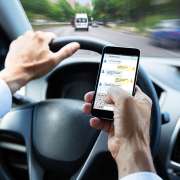
  • Inattentive driving from other motorists. Averting the eyes from the road for just a few seconds can lead to a tragic accident. Texting while driving is now a major road hazard.
  • Drowsy driving from tired drivers who need to pull over and rest. Nodding off behind the wheel puts all motorists at risk.
  • Driving under the influence of alcohol and drugs. According to 2019 preliminary reports from the Kentucky Transportation Cabinet, the 121 alcohol-related deaths on state roads represented 16.5 percent of motorist fatalities.

In the minds of all motorcycle enthusiasts and allies, every month is Motorcycle Safety Awareness Month. Actually, every day is. Please stay safe on Kentucky’s roads and enjoy your road trips.

What is dram shop liability?

When a drunk driver causes an accident and injures innocent people, they are legally liable for those injuries under Kentucky civil law.

But the driver might not be the only one responsible. If the driver became intoxicated at a bar or restaurant before the crash, the establishment that overserved him or her could also be responsible for injuries.

Dram shop laws and drunk driving litigation

Like the vast majority of states, Kentucky has what is known as a “dram shop law.” A dram shop is an old-fashioned term for a business where beer, wine and/or spirits are served. In other words, places like bars, taverns, brewpubs and restaurants.

Under the dram shop law, these establishments have a legal duty not to serve alcohol to clearly intoxicated customers or let a drunk customer drive away.

This means if a dram shop’s owners, management or employees fail in their duty, and a customer hits you while driving drunk, you could have a claim against the establishment. Because the business’s insurance is likely to be higher than the collision insurance the drunk driver carries, you could stand a higher chance of collecting full compensation for damages such as lost wages, medical bills, and pain and suffering.

Note that Kentucky’s dram shop law applies only to businesses. Many states have “social host laws” that operate similarly to dram shop laws but apply to hosts of private functions like parties and weddings. Kentucky does not have a social host law.

Establishing a dram shop law claim

Proving that a dram shop was partly at fault for your injuries can be complicated. An experienced personal injury attorney will know how to review the evidence from your collision.

Business confusion over pandemic insurance claims

On March 6, 2020 Kentucky Governor Andy Beshear announced a State of Emergency with the rise of the COVID-19 pandemic. Businesses that are not determined “Life-Sustaining” close and residents were asked to stay “Healthy at Home.”

This shift changes everything for our local and national state of being. Many businesses had to close their doors and employees were laid off.

Insuring for the unknown

“That’s why you insure, to prepare for the unknown,” bar and restaurant owner Erik Baylis said to the Chicago Tribune. After furloughing his 450 employees during Illinois restrictions on dining due to the pandemic, Baylis’ insurance company said that he would not receive any aid.

Many assume that their business interruption insurance will step in during the pandemic. This is typically part of a property insurance policy and is meant to cover damage from a natural disaster like a tornado or fire. Some also cover losses caused by the government, like if authorities consider your property unsafe to work in.

Pandemic coverage denial

Some insurance companies have specific restrictions that deny coverage for viruses, but some don’t. The American Property Casualty Insurance Association (APCIA) says that business interruption policies are not created with the intent of covering contagions or viruses. There is also concern for the mass amount of claims coming in from businesses and a lack of insurance ability to cover them.

Baylis is one of thousands business owners who are suffering beneath the weight of the shutdowns. Now, many are bringing lawsuits against their insurance companies for denying coverage. They argue that their losses are caused by government actions, the business shutdowns, rather than by the pandemic itself, putting them within the realm of the business interruption policies.

While some look for government aid, others must wait for the outcome of their lawsuits against insurance companies to know if they will open their doors again.

Poor asbestos safety practices can endanger workers’ families

Asbestos is a naturally-occurring substance that has many potentially beneficial qualities. It is an excellent insulator that also has fire-resistant qualities. Because of its many potential benefits, companies have used asbestos in products ranging from automotive parts to building insulation. Unfortunately, for all the uses and benefits that asbestos offers, it also creates substantial health risks for those who inhale it.

Employees in a wide range of industries, from construction and automobile mechanics to Navy ship workers and miners, could wind up exposed to asbestos as part of their job. Modern companies need to take special steps to protect their workers from potential asbestos exposure, but companies in the past may not have been as safety-focused, especially because there weren’t laws in place requiring safety gear.

Sadly, a lack of adequate safety protocols in commercial and industrial facilities that work with asbestos could not only endanger workers but also their spouses and children. That’s because the environmental contamination caused by particulate asbestos was not restricted to the facility, but may very well have traveled with the workers themselves.

Workers could very well bring the danger home with them

Particulate asbestos is dangerous because it damages the lungs when someone inhales it or damages the body when absorbed through the skin or mucus membranes. Workers may have some protection in a factory or on a job site thanks to the use of respiration devices that filter the air they breathe. However, those devices may not have been in use in older factories.

More importantly, other safety gear, such as hazardous materials suits and decontamination showers, may not have been available to workers. That could mean that those handling asbestos or products made with asbestos wound up heading home with clothing covered in asbestos dust. They would wear the same clothing in their vehicle and in their home as they wore while at work.

Those contaminated pieces of clothing could endanger family members as they hugged the worker who has just returned home or if they handled the clothing later, especially in an enclosed space such as a basement laundry room. Repeated exposure through inhalation because of a worker’s contaminated clothing could result in someone developing serious illnesses many years later.

Family members may have legal rights just like exposed workers

When a company doesn’t take adequate safety measures, their staff and the people who love their workers may end up paying the price. For those who experience workplace environmental asbestos exposure, only to later develop an illness or have a loved one develop an illness, legal action against the company may be the best option.

Even companies that have since gone out of business may have resources available to their former employees, such as a mesothelioma bankruptcy fund. Before you assume you have no options available, you should fully explore your situation with someone familiar with asbestos-related legal claims.

What makes texting and driving so dangerous?

We’ve heard it before — texting while driving behind the wheel is a dangerous thing to do. And yet, most of us still do it from time to time.

While there are equally hazardous things to do when driving — such as changing the radio station, reaching for something in the back seat or putting on makeup — texting and driving may be one of the most dangerous. Here’s why.

Three types of distractions

There are three distinct categories of distracted driving:

  • Manual: Distractions that take your hands off the wheel
  • Visual: Distractions that take your eyes off the road
  • Cognitive: Distractions that take your mind or attention away from driving

Many distractions are a combination of all three types, and texting behind the wheel is one of them. You use your eyes, mind and hands in order to read or send a text message. Often, the reward of reading or sending a message is not worth the risk that it poses to yourself and other drivers.

Texting and driving – an epidemic

Unfortunately, even though most people understand the dangers of texting while driving, many people still do it. You may find yourself thinking that it only takes a few short glances to check your messages and that nothing of consequence could possibly happen during that time.

However, when you look at your phone for a mere 5 seconds while traveling at 55 mph, you cover the length of a football field. Within that distance and within those short seconds, anything can happen.

The most recent statistics from 2018 reveal that almost 3,000 drivers were killed as a result of texting behind the wheel, and more than 400,000 people were injured. Not to mention, there are countless more bicyclists and pedestrians who fall victim to distracted drivers.

In the event of an accident

You might think you are capable of texting while driving, but you are not a safe driver unless you put away all distractions and keep your focus on the road and your surroundings.

Regrettably, some people maintain the “It’ll never happen to me” mindset. Although you can do your part to keep yourself safe by putting the phone away, other drivers might not follow suit. If you get into a car accident caused by another driver’s negligence, don’t hesitate to protect yourself and explore your legal options.


Is Kentucky a dangerous state for teen drivers?

According to a AAA report, traffic crashes are one of the leading causes of death for teens aged 16 to 19 in the US. Teens are six times more likely to be killed in car crashes compared to drivers aged 20 and older.

But in Kentucky, teens are 140% more likely to die in car crashes than the national average.

Kentucky is the Most Dangerous State For Teen Drivers

Kentucky is one of the most dangerous states in the country for teen drivers. In fact, Kentucky has the highest fatality rate for teen drivers in the US.

A recent study found that Kentucky has 114.25 driving deaths per 100,000 teenagers. This is nearly double the teenage fatality rate of the second-worst state (Mississippi), with 66.15 fatalities per 100,000 teen drivers.

The Commonwealth of Kentucky Transportation Cabinet (KYTC) just released new data for 2025, showing teen driving on Kentucky roads from the last three years. The report found:

  • 47,000 crashes involving teenage drivers
  • 13,000 injuries
  • 210 deaths

As a result, the KYTC is taking steps to encourage safer driving habits for young drivers in Kentucky.

Why is Kentucky Such a Dangerous State For Teen Drivers?

On March 25, 2025, Kentucky House Bill 15 was signed into law, lowering the age for individuals to obtain a learners permit from 16 to 15. This new law is putting even younger drivers on the road and potentially making things even more dangerous.

But this doesn’t account for the high crash and fatality rate in previous years. So what makes Kentucky so dangerous?

According to recent crash data, these are the leading causes for teen driving deaths:

  • Speeding
  • Driving under the influence of drugs or alcohol
  • Distractions like texting or talking to friends

But there are other factors that may contribute to why Kentucky has been so dangerous for young drivers, like rural roads, lack of public transportation for teens, and longer drives to work or school.

According to the data, just 1% of teens in Kentucky over 16 years old utilize public transportation for work, compared to 4.9% national average.

In addition to speeding, driving under the influence, and distracted driving, AAA says that the following factors also increase the risks of teen driving accident injuries:

  • Driving at night
  • Driving with passengers
  • Driving drowsy
  • Not wearing a setbelt

Safe Driving Tips For Teens and Parents

Despite passing driver’s education and behind-the-wheel training, many teens are still inexperienced behind the wheel. These are a few safety tips parents can give their teens:

  • Limit the number of passengers they can have in the car
  • Abide by the speed limit at all times
  • Don’t drive or get in the car with someone who is under the influence
  • Keep music at a reasonable volume
  • Only drive with close-toed shoes
  • Tell mom or dad when the car is not running well

No parent wants to get a knock on their door from the Kentucky state trooper saying their child died in a crash. Luckily, parents can reduce these risks by being open and honest with their teen about the dangers they could face out on the road.

Safest Vehicles For Teen Drivers

While a thorough education can be crucial in protecting new drivers, the car they drive could also make a big difference. The NHTSA rates vehicles on how effective they are at protecting occupants by looking at essential factors like front and side crash tests.

Combing through all the available safety options can seem daunting, but the Insurance Institute for Highway Safety (IIHS) looks to help in the process. They use the NHTSA ratings, along with other determiners, to single out a few affordable selections from the top of the charts:

  • Toyota Corolla
  • Toyota Camry
  • Honda Civic
  • Mazda 3 and Mazda 6
  • Subaru Legacy
  • Volvo S60
  • Mazda CX-5
  • Nissan Murano
  • Acura RDX
  • Chevrolet Trailblazer
  • Ford Explorer
  • Kia EV6
  • Nissan Maxima
  • Subaru Forester

These cars were all selected based on a few important distinctions. The vehicles must earn good ratings for front, side and roof strength, and for restraints. Braking distance and emergency handling must also meet certain qualifications to merit consideration.

Trusting Technology

It can be hard to know if you’ve done everything to keep your children safe when they’re driving on their own. A reliable automobile is a good head start and can works wonders when paired with a solid driver’s education and proper licensing. Make sure you know what makes for a safe ride, and you can rest easy when your kids grab for the keys.

Call us at 855-385-9532, locally 502-589-5600, or contact us online if you need help.

How to Recognize the Signs of a Gas Leak

Key Takeaways:

  • The smell of rotten eggs or hissing sounds in your house can indicate a gas leak.
  • Inhaling natural gas or propane can cause headaches, nausea, and unexplained dizziness.
  • Call 911 and evacuate the premises if you suspect a gas leak.
  • You may be entitled to compensation if you are injured from a gas leak or natural gas explosion.

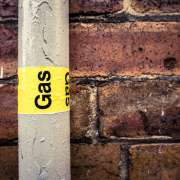
Natural gas and propane are two of the cleanest and widely used fossil fuels in the United States. Many of us use them daily. They power furnaces, fireplaces, water heaters, stoves, grills, and they’re so integrated into our lives that we often forget the damage that can result when they are unsafely handled or used.

Those of us who have gas-utilizing equipment must be on the lookout for signs a gas leak exists.

5 Most Common Signs of a Gas Leak

Luckily, we all have the ability to detect a natural gas leak. It is simply a matter of using our senses and recognizing clues that a dangerous condition exists. The following steps are some of the signs that natural gas leak exists in your home or on your property.

1. The Smell of Rotten Eggs

Natural gas and propane are naturally odorless.

However, an odorant is added for safety purposes. The odor is most often described as smelling like sulphur or “rotten eggs.” If you smell this odor in your house, a gas leak is likely present.

2. Hearing a Hissing Noise

Natural gas is delivered to your home in pressurized pipelines. Due to the pressure in the pipes, you may hear a hissing noise if a pipe is leaking.

It’s a good idea to periodically listen for hissing noises in the areas where natural gas appliances are located. Doing so may tip you off that a gas leak is present. Hissing sounds may also indicate a gas leak from propane tanks or piping on your property.

3. Physical Symptoms

Your body may provide clues that a gas leak exists. If you have unexplained headaches or dizziness you may be unwittingly inhaling natural gas or propane.

In the event you develop an unexplained illness, you may want to have your gas appliances and piping checked for leaks.

4. Dead or Dying Plants

Everyone knows natural gas can travel through the air. However, it can also migrate underground, where it can kill grass or other plants.

If you notice dead or decaying plants in isolated areas around your home, with no reasonable explanation, a natural gas leak could be the cause.

5. High Gas Bills

Natural gas leaks don’t just affect your senses. They also affect your pocketbook by increasing your utility bill. A higher than average utility bill may mean you have a gas leak.

If you have an unusually large natural gas bill which can’t be explained by an increased use of gas (for instance, using more gas in the winter), you may have a leak. Call your utility and ask why your bill was higher. They can either explain why your bill is larger, or send someone out to investigate for potential leaks.

What to Do If You Have a Gas Leak

If you suspect a leak is present, immediately evacuate the premises and call your utility or gas supplier. If you believe the gas leak poses a threat, you should also call 911. It is best to make these calls outside the home, as using your phone may ignite the gas.

You should also familiarize yourself with how to shut off your gas supply to the house. Again, it is important to shut the gas off outside the home. Then wait for help to arrive.

In the meantime, warn others who may come near your home that a gas leak exists. However, don’t reenter your home or try to stop the leak. This would be dangerous. The gas supplier employs professionals trained to detect and mitigate leaks.

If you are unsure that you are capable of detecting a leak, it may be wise to invest in a gas or carbon monoxide detector. These devices can supplement your natural ability to detect a leak. Though it’s recommended the detectors be installed professionally.

Gas Leak Injury Claims

Despite natural gas and propane being safe products, accidents do happen. The natural gas industry is highly regulated due to safety issues associated with the use or sell of the product.

So when accidents happen, it is usually because someone failed to follow the proper safety rules or regulations. Sometimes natural gas equipment is negligently designed or manufactured. Other times a utility may fail to safely respond to a gas leak.

The attorneys at Satterley & Kelley have litigated claims involving gas explosions. This includes home and college dormitory explosions.

If you or someone you know has been injured by gas, you may be entitled to compensation. Contact our office at 502-589-5600 or toll-free at 855-385-9532. You can also  contact us online to get started.

Elderly mesothelioma patients unable to receive treatment

A recent study has looked at 4,526 patients age 80 years and older who died from nonmetastatic pleural mesothelioma. What researchers found was that 63% of patients were only observed by their physician and prevented from receiving any treatment that would have extended their life. Louisville residents should know more about this study, the results of which were published in the Annals of Surgical Oncology.

The authors state that 22% of patients received chemotherapy and had a median survival rate of 9.5 months. For those who did not receive it, the median survival rate was 4.1 months. Two percent of patients underwent both chemotherapy and aggressive surgery, and among them was seen the highest median survival rate: 12.2 months.

Mesothelioma is a deadly cancer for which there is no cure. Its early detection is rare. The study did find, though, that survival rates do not necessarily shorten and mortality rates do not necessarily go up with age. The median age at mesothelioma diagnosis is 72 years.

The only problem is that the elderly are often unable to tolerate aggressive surgery. Of those elderly patients who underwent surgical resection, 28.5% only lived 90 days, and 11% lived only 30 days. Still, with access to a mesothelioma specialty center, patients can at least have the choice of undergoing surgery.

Mesothelioma arises from exposure to asbestos. Old tiling, insulation and auto parts are just a few products containing asbestos that one might come in contact with. If a person develops the cancer at work, then they may file a claim against the employer. If it came through the use of a particular product, then the person could file a product liability claim. Whatever the situation, victims may want a lawyer on their case. In the event that the victims have died, the family may file.