What can you do when vehicle defects cause an accident?

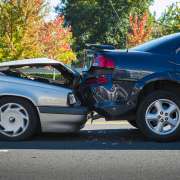
Auto accidents often involve two or more vehicles. Yet, issues with your vehicle may have caused you to crash and experience injury. You may fear that you have limited options for recourse if other drivers were not involved. If your accident stemmed from vehicle defects, you may be able to hold certain parties accountable.

Making a claim

After your accident, you might be able to make a product liability claim to compensate for the damages your vehicle’s defects caused. This claim will be interpreted through strict liability doctrine.

Most liability claims require you to prove the negligence of another party. Yet, strict liability allows you to bring a claim against a product’s manufacturer or seller in the absence of carelessness. For your claim to be sound, in this case, you must prove that:

  • The vehicle’s components or design were unreasonably dangerous
  • The vehicle’s defects caused injury when used in a proper manner
  • The vehicle remained in a similar state to its purchase

You can also make a product liability claim due to defective marketing. This claim applies in situations where the vehicle’s manufacturer or seller failed to warn you about any known dangers.

Determining liability

The defendants of your legal claim will depend on the circumstances surrounding your accident.

In some cases, one party – like a dealer, parts manufacturer or vehicle manufacturer – may shoulder clear and complete fault. Yet, multiple parties could be at fault depending on how you sustained your injuries or whether the vehicle’s defects stemmed from component or design issues.

To support your claim, you will need to gather as much evidence as possible from the accident. Vehicle inspections, accident reports and photos of the damage or your injuries can all help determine liability.

When vehicle defects go undetected, they can lead to serious injuries. Making a claim afterward can be complex, and a personal injury attorney can help you work through the process.

Filing an injury claim against a railroad company

Some of the most catastrophic accidents in the country are train accidents. As for those who are injured or who lose a loved one in such an accident, they may be eligible for compensatory damages. Kentucky residents should know what the process of filing a claim against a railroad company is like.

First of all, most cases end in an out-of-court settlement as railroad companies and state transit authorities usually want to avoid the negative press that would come in the wake of a trial. During negotiations, both parties will propose a reasonable amount in damages. Of course, it’s always possible that with a trial, the jury may award a higher amount, which is why some will press on with their lawsuit.

Lawsuits start with a complaint filed against the court holding jurisdiction over the accident. The defendants then file a response with their defense. Plaintiffs and defendants may exchange evidence, hearings may be held, and pre-trial motions may be made to admit or dismiss certain evidence. If a settlement is not reached, then a trial begins.

High-speed rail passengers who are injured in large-scale train accidents may not have all their losses covered due to a $200 million liability cap established by Congress in 1997. Also, injured railroad employees file a FELA claim, which is subject to different regulations.

Railroad collisions can sometimes be connected with auto accidents, in which case the process would be similar: Victims would file a claim against the railroad company and either opt for a settlement or take the case to court. Negotiating a settlement can be hard, though, and the other side could be aggressive in forcing victims to agree to their settlement offer, so it may be wise to have a lawyer. The lawyer might hire third-party investigators and medical experts to help provide evidence.

Dog aggression comes in many forms

Just like humans, dogs deal with many complex emotions. They can be overcome with joy, stricken with fear, beleaguered by sadness, or act aggressively because of a slight provocation. Like humans, dogs build up certain behaviors to protect themselves due to past or currently abusive treatment of having to fend for themselves.

All dogs can benefit from behavioral and obedience training. It’s just a smart move for a new pup to best ready them for interaction with other humans and pets. For rescues, this type of training does the same but also retrains them to trust their owners, neighbors, and other dogs and not cower in fear or act out in an overly aggressive manner.

Some level of aggression in certain situations is okay and expected, but how can you identify when your or another dog’s aggressive behavior is turning violent? It helps if you’re able to spot different kinds of aggressive behavior, like those listed below.

  1. Arousal: Often associated with playing with others, especially other dogs. Arousal aggression can be okay. When the animal doesn’t know how and when to disengage is when the interaction can turn violent.
  2. Defensive: Many dog owners train their dogs to handle some pressure, but some breeds don’t respond well. Each breed has a trait called their “defensive drive.” Their level of defensive drive will determine if they will accept the training or fight against it. Golden retrievers have a historically low defensive drive, whereas a german shepherd will have a high drive against human pressure.
  3. Fear: This type of aggression comes from a myriad of sources, like a predisposition to fear and anxiety, owner abuse, being in dog fights, improper socialization as a puppy, or handled by their owner in a way that normalizes fearful behavior.
  4. Territorial and possession: These kinds of aggression are often genetic. Dogs commonly want to protect their homes, but some are more prone to attack than others. Possessive aggression has to do with dogs who guard their food, toys, furniture, other dogs and even their owners.
  5. Predatory: This trait is uncommon but does occur, as some larger dogs with view smaller dogs and young children as possible prey. This kind of aggression is why proper socializing at a young age is so important.
  6. Social aggression: This type of behavior often occurs at dog parks and has to do pack hierarchy. The aggressive behavior occurs when insecure dogs challenge others to compete for status in the pack. Dominant behavior is okay when the dog is properly trained, well mannered and has a calm temperament.

If you find yourself in the midst of trying to separate fighting dogs, be careful because dogs can redirect their aggression in an instant. Also, if you are facing a dog attack, consider these methods to try and de-escalate the situation. If you get attacked by a dog, are seeking compensation and feel you have a case, consider personal injury representation.

Truckers who drink more caffeine appear more likely to crash

Truckers in Kentucky and across the U.S. work long hours, and consequently, they run the risk of driving drowsy. Many, to avoid this, will consume large amounts of caffeine on a regular basis. A recent study, conducted by a transport safety lecturer and the Virginia Tech Transportation Institute, has stated that this habit may do more harm than good.

For their study, researchers focused on truck drivers on opposite ends of the caffeine consumption spectrum: those who consume only one cup, glass or pill of coffee or another caffeinated beverage each day, and those who consume more than five. A total of 3,007 truckers from eight different states were analyzed. They answered a questionnaire and were assured that their responses would not be shared with their employers.

These participants were asked if they were in a crash in the past three years, and 21.6% of the low caffeine consumers said yes. By contrast, 27.8% of the high caffeine consumers said yes. Moreover, the second group reported having poorer health than the first. Many of these truckers would get poor sleep, smoke, drink excessively and fail to eat healthy.

Researchers cannot confirm there’s a cause and effect relationship between caffeine consumption and crash risk. Future studies could check, though, whether the “tipping point” is where caffeine consumption leads to unsafe behaviors.

When motor vehicle accidents involve a large truck, the injuries tend to be catastrophic. Kentucky being a no-fault state, only those who suffer severe injuries can usually file a third-party insurance claim. To see what their options are for seeking compensation, victims who are not to blame for their injuries may want to speak with an attorney. The attorney may negotiate on their behalf for a settlement with the trucking company’s legal team, litigating if one cannot be achieved.

Why auto safety technology cannot prevent all crashes

Auto accidents are an ongoing concern in Louisville and throughout Kentucky. While many people correctly assume that human behavior causes these crashes, the belief that self-driving vehicles will largely eliminate them may be misplaced. This should be considered as a growing number of autonomous vehicles are on the road.

Study examined what causes accidents

In a recent report from the Insurance Institute for Highway Safety, self-driving vehicles were found to reduce some accidents, but the technology might not prevent a large portion of crashes.

In the study, driver-related issues were the important factor in a series of events that sparked 9 in 10 motor vehicle accidents. Around one-third of the accidents were such that an autonomous vehicle would have prevented them due to vehicle programming.

More than 5,000 crashes were assessed and categorized by the following factors:

  • Drivers whose perception and sensory abilities were hindered due to distraction
  • Drivers making mistakes when judging other vehicles’ speed and probable actions
  • Drivers failing to adjust to adverse road conditions
  • Drivers making the wrong maneuvers to prevent a collision
  • Driver incapacitation such as using intoxicating substances or driving while drowsy

Perception errors and incapacitation errors combined for 34 percent of the collisions. This leaves the remaining two-thirds of factors where the vehicle itself would need specific programming that is not yet implemented or available, making it unlikely that these accidents could be prevented.

Do you have questions?

Motor vehicle accidents will continue. They can lead to injuries, high medical costs, lost income and other challenges. Legal action often is needed to recover fair compensation. If you have been injured in a motor vehicle accident, speak with an experienced lawyer.

Hard-braking data reveal’s cities’ safety rankings

Many Kentucky residents are involved in car accidents each year. In most accidents, people will engage in hard braking in the moments leading up to the collisions. Hard-braking data can be collected by telematics used by some insurance companies such as Allstate. This information is then analyzed by the companies to determine the safety ratings of cities across the U.S.

America’s Best Drivers Report from Allstate ranks the 200 biggest cities in the U.S. by hard-braking and collision data. This information is used as a factor to establish insurance rates for people who live in those cities. The company found a correlation between hard-braking incidents and collisions. On average, Americans experience around 19 hard-braking incidents for every 1,000 miles that they drive and collisions approximately every 10.57 years.

Louisville, Kentucky, was ranked as the 98th safest city in Allstate’s 2019 Best Drivers report out of 200 cities. Drivers in the city averaged 21.4 hard-braking incidents for every 1,000 miles. People in the city also had a shorter time between accidents than the national average at 9.1 years between collisions. These statistics show that more needs to be done to improve safety in the city.

People who are seriously injured in car accidents in Kentucky may want to consult with experienced personal injury attorneys about their rights. Experienced attorneys may review the evidence and explain the legal merits and available options. If they agree to accept a case, the attorneys may complete in-depth investigations to determine liability and work to help their clients recover compensation for their economic and noneconomic losses. Telematics data for vehicles that have it installed may be an important type of data used to determine what happened in the moments leading up to the accident.

The dangerous connection between asbestos and plastic products

Most people know that asbestos is commonly found in older homes and buildings, particularly in floor tiles, ceiling tiles, pipe insulation, and roofing materials.

But we typically don’t hear too much about asbestos and plastic.

Well, if you ever worked in compression molding, there’s a chance you were exposed to asbestos.

Is There Asbestos in Plastic Products?

Asbestos is not commonly used or found in modern plastics. However, it was used to enhance certain types of plastics decades ago, and it was very common during the manufacturing process for compression molding plastics from the1960s to mid 1980s.

The phenolic molding process for plastic products often contained a significant percentage of asbestos.

Workers who manufactured phenolic plastic molding compounds and who used molding compounds to manufacture products have developed mesothelioma, lung cancer and other asbestos-related diseases. Family members of exposed workers have developed asbestos-related diseases from exposure to their loved one’s contaminated clothing.

Plastic Products That Were Made With Asbestos

Compression molding processes were used to manufacture electrical, automotive and aircraft products. The products included:

  • Electrical components such as circuit breakers, switchboards and electrical panels.
  • Consumer goods including plastic handles, tools, cookware and appliances.
  • Automobile parts including transmission parts (phenolic reactors), arc chutes, brake pads and brake linings.
  • Aircraft and weapon systems such as missile casings, aircraft drop tanks and rocket nose cones.

How the Asbestos Exposure Occurred in Plastics Manufacturing

The primary source of exposure occurred when molders poured the molding compounds in the hopper connected to the molding machines. The molding compounds were typically supplied in barrels or bags, and sometimes they were transported into a plant via railcar.

The molding compounds were granular and stirred up a substantial amount of dust when poured into the hoppers. The molders and set-up personnel experienced a substantial asbestos exposure from the molding compounds poured into the hoppers as well as from handling the molds when they came out of the machines.

Once the final product was molded and had hardened, it frequently was transferred to a finishing area where excess plastic pieces, known as flash, were removed using a grinding wheel and hand grinders. The people who performed these tasks experienced high levels of asbestos exposure from grinding and sanding off the flash.

Other Workers Who Exposed to Asbestos

From the early 1960s until the mid 1980s, anyone in the plastic manufacturing supply chain who worked in the mold rooms and finishing departments, performing other tasks, experienced significant exposure as well.

This includes maintenance personnel, electricians, pipefitters and other production workers experienced daily exposures to asbestos from the molding compounds even though they did not personally use them.

Companies That Exposed Workers to Asbestos in Plastics Manufacturing

Manufacturers that made asbestos plastics include:

  • Plastic Engineering Company (Plenco)
  • Hooker Chemical Company
  • Durez Corporation
  • Union Carbide Corporation (UCC)
  • Rogers Corporation
  • Fiberite, Inc.
  • General Electric Company
  • Monsanto Chemical Corp.

Companies that used asbestos-containing molding compounds to manufacture products include:

  • Cutler Hammer Inc.
  • Eaton Corporation
  • Plastic Moldings Corporation
  • Square D. Corporation
  • Chicago Molded Products Co.
  • Diemolding Corp.
  • Modern Plastics
  • Dickten Masch Plastics

What to do if You Were Exposed to Asbestos in Plastics

If you or a loved one worked at any of these facilities or others throughout the country, and developed mesothelioma, contact the law firm of Satterley & Kelley PLLC immediately.

Our attorneys have handled cases for clients involving exposure to asbestos-containing molding compounds at many of these locations, recovering tens of millions of dollars in compensation.  We understand the products at issue and the exposures. We can help you recover for your preventable injury.

Call us at 855-385-9532, locally 502-589-5600, or contact us online to arrange a free initial consultation with a Satterley & Kelley PLLC lawyer.

Signs of a distracted driver

There is very little that a safe driver can do to stop a distracted driver from continuing his or her reckless behavior. It is up to safe drivers to recognize signs of distracted drivers so that they can avoid these threats on the roads. Spotting the signs can save not only your life but also the lives of others.

4 Common Signs a Driver is Distracted

Despite the efforts that states have made to combat distracted driving, the dangerous habit persists. To help drivers stay safe, here are some telltale signs of distracted driving.

1). Irregular speeds

When a driver is not focusing on what they are doing behind the wheel, it can result in them either speeding or driving noticeably under the speed limit. When the driver finally recognizes this, he or she may overreact to correct, which can cause an accident.

2). Drifting or swerving

When drivers take their hands off the wheel to adjust the radio, reach for something, or eat, the car can begin to wander outside of its lane. This is especially dangerous if the driver drifts into oncoming traffic, which gives them less time to reach to their mistake.

3). Reckless passengers

If the passengers of a vehicle are disruptive, or if too many people are in the car, the driver may lose focus of the road. Even a few seconds of not looking at the highway is comparable to driving hundreds of yards while blindfolded.

4). Disruptive lights

If the cabin light in a vehicle is on, it may be because the driver is looking for something. Also, it can be easy to see light from a cell phone at night. If a driver’s face is illuminated from a light near their lap, chances are they are not paying attention to the road.

The Leading Causes of Distracted Driving

Basically, anything that takes a driver’s focus off the road is a distraction. The overall cause of distracted driving is complacency. People who have been driving for many years, particularly if they’re driving to or from work or some other route they regularly travel, can forget just how much responsibility being behind the wheel entails. When drivers are tired, angry or in a hurry, their focus can be even further impaired.

So what are the most common causes of distracted driving? A look at data compiled by the Fatality Analysis Reporting System found that well over half (62 percent) of distracted driving deaths were caused by a driver being “lost in thought.” Cellphone use actually came in a distant second at 12 percent.

Third, at 7 percent, was something or someone outside the vehicle. We’ve all seen (and possibly been guilty of being) looky-loos at the scene of an accident. Sometimes, even people in other vehicles catch drivers’ attention.

People inside the vehicle were the fourth most frequent cause of distracted driving fatalities, at 5 percent. This is a particular danger for teen drivers, who often have multiple friends in the car with them.

Rounding out the top 10 at 1 or 2 percent each are:

  • Reaching for something in the car
  • Eating or drinking
  • Adjusting the temperature or audio controls
  • Adjusting seatbelts, mirrors and other devices
  • Moving objects
  • Lighting or putting out a cigarette

If you’re involved in a crash that was the fault of another driver, it’s important that the investigation determine whether that driver was distracted by something prior to or at the time of the crash. Determining this can help you as you seek compensation for your injuries and damages.

Source: SafeStart, “Top 10 Causes of Distracted Driving–and What They All Have in Common,” accessed Feb. 13, 2018

Safety risk: Eating and drinking while driving

There are more sources of distraction for drivers than you may be aware of. For example, eating or drinking behind the wheel may seem normal enough, but it poses serious risks. The chances of getting in a crash are 3.6 times higher when drivers eat or drink, according to safety studies.

The National Highway Traffic Safety Administration says eating or drinking from an open container can make a crash or near-crash nearly 39 percent more likely.

Cognitive, visual and manual distractions

Eating and drinking can constitute cognitive, visual and manual distractions, sometimes all at once. Cognitive distractions take one’s mind from driving while visual distractions force the eyes from the road. With a manual distraction, drivers take their hands from the steering wheel.

Drivers may find that it’s harder to multitask depending on the type of food or drink they are consuming. The NHTSA has published a list of the 10 most high-risk foods and drinks for drivers:

  • Coffee
  • Hot soup
  • Tacos
  • Chili dogs
  • Hamburgers
  • Ribs and wings
  • Fried chicken
  • Jelly donuts
  • Soda
  • Chocolate

Drivers are encouraged to avoid all eating and drinking while on the road. If they cannot do so because of a long trip, they should pull over for the sake of everyone’s safety.

Negligent driving behavior

Eating and drinking while driving is a form of distracted driving, which is, in turn, a form of negligence. The concept of negligence will not always enter into consideration after motor vehicle accidents since Kentucky is a no-fault state.

However, those whose injuries are so serious that the losses cannot be covered by personal injury protection may be able to file a third-party insurance claim, in which case they will need to prove the other’s negligence.

How wrongful death claims are handled in Kentucky

When people are killed in accidents because of the negligence of others, people who have specific relationships to the deceased victims have the right to file wrongful death lawsuits to receive compensation for their losses.

Wrongful death claims can be filed in cases in which the victim would have had grounds to file a personal injury lawsuit if he or she had not passed away.

Who can benefit?

Kentucky law limits who benefits from wrongful death lawsuits. The law also lists the parties in order of priority.

  • If there are no surviving children, all proceeds go to the widow or widower.
  • If there are children but no surviving widow or widower, all proceeds benefit the children.
  • If there isn’t a surviving widow, widower, or child, the parents of the deceased victim receive the proceeds.
  • If there isn’t a widow, widower, children, or parent who survives the deceased person, the decedent’s estate benefits from the claim, to be distributed to any heirs or beneficiaries.

The person who files a wrongful death lawsuit is the person who has been named as the executor of the estate or who has been appointed as the administrator of the estate. When the executor or administrator files a lawsuit, it is filed for the benefit of the parties as previously listed.

Consulting with an attorney

People who lose loved ones in an accident that was caused by someone else’s negligence may want to meet with experienced personal injury and wrongful death attorneys to learn about the merits of their claims. A lawyer can be very important in the legal process.