

3 steps to protect your children after a dog bite

Dog bites can happen fast. One minute your child is with a friendly dog, and the next the animal has done serious damage. It may seem impossible to perfectly handle the ensuing situation, but the closer you get to the right moves could make a big difference in how the situation turns out.

Almost 340,000 Americans rush to the emergency room for dog bites every year, and over 40% of those are children. An animal attack can be a terrifying event, but acting accordingly after it happens can make all the difference in your family’s recovery.

Injury aftermath

The first step is to make sure your child is safe. Remove them from harm’s way if necessary, and begin to assess the situation:

  • Medical care: Dog bites can turn nasty fast, but even smaller injuries can develop issues. Infections, muscle damage and broken bones could be hiding under the surface. You should clear away anything near the wound and wash it out as best you can, then seek professional medical help when possible.
  • Documentation: You’ll need to know who owns the dog. A name, address and the dog’s registration information can all be crucial. You should also try to get the contact information of anyone nearby who witnessed the event and take pictures for evidence.
  • Animal control: It’s important to file an official report. This can help the agency stop future attacks, make a paper trail for your claim and could shine some light on the history of the dog and owner.

Knowing where to turn after an attack may not be easy, especially when emotions are running high. Protecting your family immediately following the incident should come first, followed closely by actions to protect them into the future.

 

How can you spot elder abuse?

Getting the proper healthcare for your loved ones can be constant work, especially when the odds are stacked against you. Kentucky isn’t winning many awards when it comes to a vulnerable older generation, and it may fall to you to make sure your family is getting the help they need.

The elderly population in Kentucky is the least likely to be healthy across the entire country. They’re also tied for the second-lowest life expectancy at the age of 65. This all means extra effort is necessary from those with older loved ones here, and knowing when facilities aren’t meeting standards can be essential.

Lacking care

Neglect and abuse can deal serious blows to those who are already having trouble. While nursing homes and long-term care facilities have to meet strict guidelines, not every case comes under scrutiny. When it falls to your shoulders to make sure nothing happens to your loved ones, you’ll need to be able to spot the signs early.

Abuse

Intentional pain usually fits the bill for abuse, but that can cover a wide range of actions. The groups are most easily broken down into three categories:

  • Physical: This type of abuse doesn’t have to be out-right hitting. Aggressive handling during medicating, rough transfers to a bed and force-feeding can all create trauma. Be on the lookout for obvious evidence like bruises and broken bones.
  • Psychological: Intimidation, seclusion and berating can leave a resident hurting, though it might be hard to identify without physical evidence. Shying away from assistance or an unexplained uneasiness with certain employees could point to mental harm.
  • Sexual: From improper touching to coercion, these acts can leave a wake of signs. Unexplained injuries to sensitive areas, fear of workers or nurses and certain infections can all indicate  abuse at the hands of a caretaker.

Neglect

While not always as intentional as abuse, neglect can still count as a crime. Understaffing, poor management and a lack of training can lead to many symptoms:

  • Consistent dehydration
  • Weight loss
  • Bedsores
  • Poor hygiene
  • Trouble moving about

While accidents do happen and health can deteriorate in older family members, it’s important to note ongoing distinctions and unexplained ailments. If you find that your loved one is suffering from abuse or negligent care, contact the attorneys at Satterley & Kelley PLLC for a free consultation today.


How truckers can effectively fight fatigue

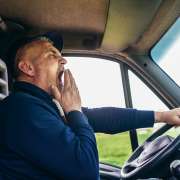
Fatigue, which drivers in Kentucky may only deal with on occasion, is like a constant companion for the average truck driver. Truckers work long, stressful hours and have few opportunities to exercise, so the need to address drowsiness is more pressing with them.

The following are some tips for minimizing drowsiness.

Sleeping six to eight hours

Six to eight hours of sleep each night is the recommended amount for adults, and truckers who cannot achieve this at one time should consider taking naps throughout the day. They can experiment and find out for themselves the proper length and intervals.

Rethinking what you eat and drink

Certain foods make a person feel tired. Snacks that provide a fleeting sugar rush can do this, as can foods that are high in carbohydrates. Truckers should opt for healthier meals. The National Institutes of Health recommends chicken and tuna sandwiches and English bagels or muffins.

Truckers should not drink much alcohol, which is a depressant, and limit caffeine intake, which can cause drowsiness in the long run. Rather, they should drink water. Experts have shown how dehydration can lead to drowsiness as well as muscle cramps and headaches.

Considering the effect of the truck cab

The truck cab continually bounces and shakes the driver, which can lead to health problems, including even spinal degradation. Truckers could increase their alertness with a good seat suspension system.

Representing the victims of truck crashes

Drowsy truck drivers are to blame for many truck accidents. If you have been injured in a truck accident and have questions, contact an attorney who is experienced in this area of the law.

What can I do after I lose my partner?

Losing a spouse can seem unimaginable. It can seem like there are no answers to what you’re facing. But when their passing might be someone else’s fault, there could be compensation in play to help you move forward.

The U.S. saw over 167,000 preventable deaths in 2018, a number that has increased by 93% since 1992. Determining how to proceed is no small matter when it happens to your family, but Kentucky’s laws could show you the way in the case of wrongful death.

Pressing help

Kentucky considers wrongful death to be the result of negligence that causes your loved one’s loss of life. How your case proceeds depends on the circumstances:

  • Parties: The person or party that is responsible for the death could be held accountable. A building owner who ignored safety hazards, an inattentive physician who committed a surgical error or a trucking company running vehicles with defects might all fit the bill.
  • Damages: The liable party could be on the hook for costs stemming from the accident, but intent or gross negligence can bring in additional penalties. Punitive damages may also be on the table for these types of offenders.
  • Family: While the representative of the estate will likely bring the case, the family is often the one to benefit. You and your children will usually be among the primary recipients.

Getting help recovering after the death of your partner may seem daunting, but there could be a way. Understanding the system in Kentucky could be the first step in the right direction.


Teaching children how to be safe around dogs

Dog bites cause nearly $165 million every year in medical expenses. And while it may be adults that need to worry about those costs, it’s children that have to worry about the injury. Up to 75% of all bites happen to those 20 years old and younger, with children ages five to nine the most susceptible.

It may be impossible to deter every dog that could become aggressive, but there are ways to minimize your children’s chance of becoming a victim. Educating yourself and your kids on how to act around animals could save you a lot of pain down the road.

A good start

Children should ask a dog owner’s blessing before approaching, petting and playing with the animal. The owner will likely know if the situation will lead to a good interaction.

With permission, children need to take it slow:

  • Let the dog approach first
  • Allow the animal to sniff
  • Make sure to pet the body, and stay clear of the head
  • Use a calm voice to communicate with the dog
  • Be on the lookout for changes in behavior

While actions are important, reading the situation can be just as crucial. There are times when children should not attempt to greet the dog, regardless of how well-behaved the child may be:

  • Animals that don’t have an owner nearby, or appear injured
  • Dogs that are already excited and may get more agitated
  • A dog that is eating, watching their young or asleep

Correct behavior

An adult should always be around to supervise interactions. Though you can try your best to teach children how to properly play with dogs, excitement can get the best of the situation. They may miss the signs that a dog is edging toward inappropriate behavior.

Even when a child does everything right, there’s still a chance an attack can happen. Animals may be unpredictable, and situations can quickly change. Dog bites can turn serious for children, and the road to recovery can be a long one.

How do you pick the right nursing home for your family?

You want what’s best for the ones you love, but it can be difficult to find quality care. When you’re looking at options in a state that has trouble meeting government standards, getting them the help they need may start with educating yourself.

Kentucky has a poor track record when it comes to shortcomings in elderly care. Though it comes in 22nd for the number of total nursing homes in the country, it ranks second for the number of serious deficiencies. This means picking the right home will likely take plenty of leg work.

Due diligence

Finding the nursing home that suits your family starts with the right information. You’ll need to have a thorough understanding of how they rank, what they offer and how they operate. Putting these pieces of the puzzle together can provide a good idea of what care you and your family can expect.

Rating care

The same data that shows where Kentucky is lagging behind can also provide a breakdown by home. The U.S. Centers for Medicare and Medicaid Services mandates that each state has to investigate places that receive funding from the government. This information can help you avoid locations with a large number of deficiencies and fines.

Meetings needs

Getting the help your family needs also depends on what kind of care they require. Make a list of requirements and check them off for each facility:

  • Available medical care
  • Access to specialists
  • Specialized care for conditions
  • Specific diet options
  • Religious affiliations

Personal reviews

Once you have your list narrowed, it’s usually time to start learning what lies beyond the numbers. Visit the facility, meet with the director and talk with the staff. Ask any questions you may have about procedure, employee turnover or anything that seems out of place.

Make trips to the facility at different times to speak with staff working various shifts. Seek out the heads of the nursing, food and social services department. Leaving no stone unturned could help you spot potential red flags that may be hiding under the surface.

Doing your homework could save your family pain down the road, but it’s not a guarantee. Even the most diligent work can’t account for every possibility. Make sure you know the standards the facility you choose has to live up to, and you could recognize dangerous flaws before the costs become too great.

How can parents protect their teenage drivers?

Protecting your children is a non-stop responsibility for you as a parent, and things only get harder as they grow older. Teaching them how to drive is a milestone for any family, but it doesn’t come without concerns.

Teenagers are more likely to die because of a car crash than any other cause. Drivers between 16 and 19 years old are three times as likely to be involved in a fatal crash than more experienced drivers. While driver’s education may lay the groundwork to avoid these heartbreaking scenarios, it may rest on your shoulders to keep educating your children.

Revealing risks

It’s important to speak with your new drivers about the risks they face on the road, and how to combat them. What may seem like a simple answer to you may not occur to teenage drivers. Going a little over the speed limit, messing around with friends or not wearing seatbelts may not seem like a big deal to them, but they are a few of the biggest risks for teens behind the wheel:

  • A fifth of teen driving accidents involve alcohol
  • Over half of the fatalities that occur are because they aren’t wearing seatbelts
  • One-in-ten drivers die because they were busy with distractions like eating or texting
  • One-third of all teenage driving accidents involve speeding
  • Passengers increase the likelihood that an inexperienced driver will crash

Hands-on help

But telling them isn’t always enough. There are a few other ways to guide your children down the right road for safer driving:

  • Continue riding with your new driver and help them, even if the law no longer requires it
  • Practice with them in different situations, like during bad weather, at night or in crowded city settings
  • Set ground rules for safety, like limiting passengers, only driving during the day or not driving too long

Covering all this with your kids can help keep them safe, but the world will continue to be a dangerous place. Accidents out of their control can still strike. Getting them healthy can rely on enlisting help, so look to the team at Satterley & Kelley PLLC. We can guide you toward the recovery that your family needs to move forward, so get in touch with us today.

Commuter claims are stronger with the right photographic evidence

Driving may be part of your everyday life, but one mistake from another driver can turn that life upside-down in an instant. Setting things back the way they were is no small task, but you can take steps to help get things started.

Serious injuries in a car accident can add up to almost $1.2 million in costs. Emergency medical care, long-term rehabilitation and lost wages could contribute to astronomical losses. Getting help might depend on the actions you take after an accident, especially those that strengthen your proof.

Legal impacts

The state asks you to behave appropriately after an accident, and you even have some legal requirements in doing so. Make sure you understand what’s expected of you:

  • Stop your vehicle and pull somewhere safe, if you’re able
  • Collect information from other drivers involved
  • Take down details of the accident and the damage involved

Cementing the details can include photographic evidence. While memories of the accident can fade, damage can get repaired and witnesses can disappear, photographs can stand as lasting evidence of what occurred.

Capturing cause

Simple snapshots of the accident might be enough to strengthen your claim. You’ll need to fully document the wreck, and show what evidence you can for causes and circumstances:

  • Overviews: You’ll want to start with pictures that can convey a broad sense of the accident. Give a general idea of the scene from multiple angles, including damaged barriers or missing signals.
  • Vehicles: Next, you’ll want to bring the focus to the vehicles. Capture cars from every angle, so you can show the damage to your car, and possibly refute conflicting claims.
  • Documents: Take photographs of plates, licenses and insurance at the scene. It will give you a second copy, and could even help you call into question outdated or false information later.
  • Weather: It’s important to note the condition of the road you were on. If the other driver tries to claim slick roads on a sunny day, you can use photos to set them straight.
  • Injuries: Document your injuries as best you can. These pictures can go a long way in proving the level of harm you experienced in the crash.

Getting the help you need after an accident may depend entirely on the strength of the evidence supporting you. Make sure you start on the right foot by documenting all the proof that could vanish quickly. Continue toward a healthy recovery by contacting Satterley & Kelley PLLC, who can help you put those photographs to work for your injury claims.

Walkers need to take precautions when drivers don’t

Most everyone is a pedestrian at some point in the day. And during that time, there could be plenty of opportunities for catastrophe. Unfortunately, even if it is the vehicle’s fault, it’s often the pedestrian that has to focus on precautions.

People traveling on foot are 1.5 times more likely to die in a car crash than the vehicle occupants. For this reason alone, it’s essential for walkers sharing space with vehicle traffic to be aware of hazards, because drivers aren’t always on the lookout.

Recognizing risks

Staying safe can start with knowing who’s at risk. Accidents are more likely to happen in certain situations. These are the times and places that pedestrians should take extra care:

  • Urban settings make up 80% of all accidents
  • 32% of accidents involve pedestrians with a blood alcohol content of at least .08
  • Only 21% of wrecks with pedestrians occur in the daylight

A path to safety

Making yourself seen starts with staying aware of your surroundings, followed by a few simple precautions:

  • Visible: Drivers can’t avoid what they don’t see. Since most accidents happen at night, walkers who travel in well-lit areas, wear reflective clothing and carry lights are at an advantage.
  • Predictable: Even during the day, you should avoid throwing any curveballs. Try to cross streets at signals, walk where vehicles can see you and make eye contact with oncoming drivers.
  • Caution: Not every situation allows you to follow the straight-and-narrow, so do the best with the options available. Stay on paths or sidewalks, cross through gaps in traffic and avoid distractions like phones or music.

It’s important for those that spend time walking around traffic to be able to identify high-risk situations. Acting responsibly can help avoid many problems, but you can’t predict every outcome. If you’ve been injured by a negligent driver, contact Satterley & Kelley PLLC to get the help you need when working toward the recovery you deserve.

Pedestrians may be walking a dangerous path

Getting around on foot has plenty of benefits, from keeping your weight down to keeping the dogs sane. But when you’re hitting the pavement in the face of risk factors, walking could be anything but healthy.

Pedestrian deaths make up one-quarter of the fatalities that occur on the roads in Jefferson County. The volume of these accidents makes the Louisville metro area the 35th most dangerous city in the country for pedestrians. While the city is working toward solving the problems that afflict those on foot, there are still plenty of hazards you need to watch for while walking.

Steps for improvement

Pedestrians are an inclusive group. From walking to work to running for exercise, any person on foot generally counts as a pedestrian. Louisville is home to plenty of them, and the city has drafted a policy for protecting this traffic with transportation decisions that reflect safety concerns.

The Complete Streets project is only getting started, so there are still plenty of risks that come with sharing space with vehicles. Staying safe could rely on knowing where and when the dangers currently exist.

Watch where you walk

Most accidents tend to occur where more cars are sharing the roadways with more people. Urban locations make up 80% of where fatalities happen. And of those deaths, only a small number took place at intersections. Most casualties, 73%, took place elsewhere.

Just like locations, you’re more likely to be involved in an accident at certain times. Three-quarters of all fatalities take place at night when visibility is at its lowest. These numbers can fluctuate between the warm and cold seasons, shifting between the evening and dark of night. The weekends are also more perilous, with incidents spiking with the late crowd.

Knowing when you’re at risk is essential for avoiding danger. While the city is making strides toward a safer commuting environment, you’re still better served understanding when dangers are walking across your path.