Will Constructing a New Cancer Center Building Cause Cancer?

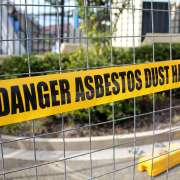
Asbestos was used in buildings as late as the 1980s so any large building existing during the time could have it. One of those buildings belongs to the Memorial Sloan Kettering Cancer Center (MSKCC). Their planned demolition to create a new building and expand their services has neighbors concerned about asbestos exposure.

MSKCC plans to have a 31-story cancer care pavilion in Manhattan’s Lenox Hill neighborhood up and running by 2030, but first, a building there now must come down, reports the New York Post. That’s created a lot of concern among those living in the area. They’ve started an online Change.org petition claiming the demolition will endanger students in a nearby school.

Toxic Substances in the Building Include Asbestos and Lead Paint

Opponents want a neutral third party to monitor air quality during demolition to raise warnings if it’s not as healthy as MSKCC claims it will be. The hospital filed a report with the city stating that demolition in the area has the “potential for adverse impacts” because of the presence of

  • Chemical and radioactive products
  • Hazardous waste
  • Petroleum storage tanks
  • Asbestos-containing materials
  • PCB-containing materials
  • Lead-based paint

An MSKCC representative told The Post they are following all protocols mandated by the city and state to ensure safety in the area. Asbestos is a repeated concern in Lenox Hill. On August 1, a damaged steam pipe sent asbestos into the air, forcing people indoors.

MSKCC, founded in 1884, is the city’s largest cancer center. As of last year, it employed 1,493 attending physicians, accommodated 25,591 admissions, and had 1,002,206 outpatient visits.

Call Us Today For A Free Mesothelioma Lawsuit Consultation

If you have mesothelioma or another asbestos-related illness, you may be entitled to compensation. To discuss your situation and how Satterley & Kelley, PLLC can help, call our Louisville office toll-free at 855-385-9532. You may also complete our contact form for a free initial consultation.

Mesothelioma at E.I. Dupont in Louisville, KY (Podcast)

In this episode, John Maher interviews Paul Kelley, a partner at Satterley & Kelley, about mesothelioma cases related to asbestos exposure at E.I. DuPont in Louisville, Kentucky. Paul explains the history of the DuPont plant, its use of asbestos in steam lines, chemical tanks, and other equipment, and how this exposure affected workers and contractors. He highlights how various employees, from insulators and laborers to supervisors and office workers, were at risk of exposure. Paul also discusses the importance of early legal action for those diagnosed with mesothelioma, the role of depositions in building a case, and the urgency of filing within the statute of limitations to pursue compensation.

John Maher: Hi, I’m John Maher and I’m here today with Paul Kelley. Paul is a partner with the Kentucky personal injury law firm, Satterley & Kelley, which has over 45 years of collective experience in litigating mesothelioma and asbestos claims. Today, we’re talking about mesothelioma cases at E.I. DuPont in Louisville, Kentucky. Welcome, Paul.

Paul Kelley: Hey, John. How are you doing today?

John: Good, thanks. How are you?

Paul: Doing great, thank you.

What is E.I. DuPont?

John: So, Paul, tell us a little bit about E.I. DuPont, where they’re located and what they do or did.

Paul: Sure. So, I’m sure everybody’s familiar with DuPont. It’s a big company that still exists today, but as it relates to Louisville, Kentucky, it was a big plant that was built in 1941. It’s in a place that if anybody from Louisville is listening, it’s an area in town called Rubber Town. There were a lot of plants that were built in this area in South Louisville back in the 1940s and 1950s that predominantly supported the war effort, and that’s what this facility was originally built for. Ultimately, over the years, it turned into a chemical plant, and that’s what it did for many years. So, for several years, it was a rubber plant.

For several years, it was a chemical plant, but given the time period that we’re talking about that it was built 1941, this was a period of time in the United States where big manufacturing plants like DuPont were built with lots of asbestos products. The main things that we’ve seen it in with respect to this plant is the steam lines, the piping that ran throughout the plant as well as all of the chemical tanks, the furnaces, ovens, all of the things that utilized in the manufacturing process of some of these chemical processes, and then of course, originally back when they were manufacturing rubber. The chemicals that we’re talking about, these are typically volatile chemicals. They require high temperatures in order to manufacture, and they’re made in the plant.

Lots of the equipment that’s utilized to both manufacture the chemicals as well as to store them were required to withstand high temperatures. So, asbestos was utilized to insulate these tanks and insulate the pieces of equipment that used the manufacturer as well as all the steam lines in order to withstand all of these high temperatures. So, the steam lines were insulated, the storage tanks were insulated, the manufacturing machines were insulated. For many, many years, probably for most of the time through the 1940s, through the 1980s, most of those pieces of equipment and those piping contained asbestos.

We know that from cases that we have litigated out of that plant over the last 20 years or so, we’ve represented a handful of people that both worked for DuPont as well as contractors that worked for other companies and we learned that it was everywhere. I mean, the steam lines, not only did it run through the manufacturing parts of the facility, but it also ran through the change rooms where employees could get changed. It ran through break areas and lunchrooms. So, anytime that there was a potential for somebody to disturb the insulation in any of those areas, I mean, people might be exposed just harmlessly trying to eat their lunch.

What Types of Employees Were At Risk of Exposure?

John: Right, absolutely. Yeah. So, talk a little bit more about those types of employees that might’ve had the most exposure to these pipes and the different places where asbestos was found in the DuPont plant and then maybe some of the other types of workers that might’ve also been exposed, even though maybe they didn’t have as much direct contact.

Paul: Sure. So, I think the people who were exposed the heaviest were more than likely the insulators that insulated facility way back when, really everybody that participated in the construction of the plant in the 1940s, but they’ve had renovations. There was an explosion out there in 1960, 1960, 1961, somewhere in that period of time. That was a significant event because they pretty much had to clean up everything that had been damaged during this explosion, which included lots of these storage tanks and vessels, a lot of the steam lines and pipe insulation.

There were laborers, there were mechanics. People that just generally, they just gave them bags and brooms and equipment and said, “Start cleaning this stuff up.” So those kinds of folks received a heavy, heavy exposure. Then of course, when they rebuilt the areas in the plant that were destroyed, that was 1960. So, there wasn’t anything new or different in 1960 about what they were insulating with during that period of time than when they originally insulated the plant.

John: Right. They just still put asbestos insulation back on the same pipes.

Paul: That’s absolutely right. So, again, the insulators that did it, the carpenters that participated in the construction, the pipe fitters that participate in the construction, the electricians, millwrights, I mean all of those crafts would’ve been or were heavily, heavily exposed during the construction aspect of it. Then as you move forward into the operation of the plant, periods where they weren’t conducting construction per se, but they were still conducting manufacturing operations and other things. Well, I mean there’s all kinds of things that have to be done in a plant. I mean the piping failed from time to time and they had to replace it. Every time somebody had to replace the piping, they would have to remove the insulation.

Sometimes the insulators would do that, sometimes mechanics would do it, sometimes laborers would do it, sometimes millwrights would do it, sometimes the pipe fitters would do it. So, people like that that were directly handling it would be exposed. People that were working in the nearby area when that was occurring, so somebody was working on the lines, actually making the chemical operators, the machine operators, they were certainly exposed. People that worked in the warehouse that are moving things about were secondarily exposed during all of these maintenance activities. The storage tanks and the manufacturing equipment, I mean, those things were frequently down.

Again, the insulation and the asbestos materials that were located on those machines, they couldn’t last forever. So, they had to be replaced from time to time. Sometimes outside contractors would come in and do that work, sometimes plant crafts. So, all those kinds of crafts that we discussed earlier, the pipe fitters, electricians, millwrights, insulators, sometimes they would do it. But the real devastating part about asbestos is that there was a whole group of people who didn’t work with asbestos products that still were exposed in the plant. I mean, you’d have supervisors that never laid a finger on it. You’d have engineers. I mean, this was a sophisticated operation, and it takes lots of highly educated folks to work in a plant like that.

The chemical operators, people that didn’t directly work with any of the materials, but they’re there and they’re being exposed to those things when all of these other crafts are working, doing their jobs. So, they’re having exposure. Outside contractors, of course, there were several outside contractors that directly worked with it, but there were other outside contractors that might not have had a thing to do with any of the asbestos that was in there, but to the extent that somebody else was working with it. Sometimes the plant conditions were so poor because that insulation would just deteriorate. We’ve heard stories about it just dropping from the piping. I mean, imagine the piping 50 feet in the air.

I mean, these plants are absolutely huge plants, football field-sized plants. This insulation sometimes would deteriorate and just fall on the ground and it would hit people. It would land on the floor and it wouldn’t get cleaned up right away. When it did get cleaned up, nobody was doing anything particularly special to clean it up, a broom, compressed air, sometimes an industrial Shop-Vac, but nothing that was appropriate to remove asbestos.

Asbestos In The Air

John: That’s bound to just throw up a whole cloud of asbestos dust into the air as well, that you can’t just clean up with a broom either.

Paul: Sure. I mean, everybody’s seen compressed air used on something at some point. If you spray it off in your car or…

John: …It just moves the dust from one place to another place, but it doesn’t remove it.

Paul: It doesn’t do anything. It just swirls it around, moves it space to space. People are still continuing to get exposed, and then it’s there for the next person the next day. Something else that I think is always important, is always a problem, is that most of these facilities, what they did eventually is one of two things. They either removed it. Okay, that’s great. They had an abatement company come in and they removed the pipe insulation. They removed the piping or they covered it. They took some metal wrapping and they covered it.

But what I’ve infrequently heard, maybe never heard, is that anybody ever hired an abatement company to come in and do a top-to-bottom cleaning of the floors, the rafters, the trusses, the walls, the equipment that they ever came in and used a HEPA-filtered vacuum cleaner and all the latest and greatest safe methods to completely remove asbestos. So, even when technically it wasn’t used anymore or it was wrapped or it wasn’t there, if it wasn’t adequately or appropriately removed from the facility itself, there’s still an ability to be exposed.

I would say that that probably deep into the 1990s, there were people still exposed to asbestos in that plant, certainly not what it was in the ’40s through the ’70s, but I think there’s still certainly people that unknowingly had exposures, because quite frankly, the most appropriate methods to clean and remove it weren’t used.

Were White Collar Workers Exposed to Asbestos?

John: It’s not just the blue-collar workers who are working on those pipes and things like that either. It could have been what we would call the white collar workers who were the secretaries, the managers, the people in the offices. Most of those people would’ve at least walked through the plant at one time or another or multiple times.

Paul: Yeah, I mean, it’s very rare that you would hear somebody work in a place like that and not have reason to go into the plant. I mean, certainly, supervisors and engineers had to be there all the time, but I would think that secretaries and assistants and all kinds of people. The thing about asbestos that is scientifically proven is there is no known safe level of exposure. I mean all of these from OSHA to NIOSH to EPA, the World Health Organization, I mean you name any national or international health or labor organization, none of them have ever said that there’s a safe level of exposure that anybody’s ever been able to figure out. So, the problem is that the medical and scientific literature is absolutely just full of instances where people had relatively small exposures.

Maybe they worked in the plant for a week, that’s it. They developed mesothelioma and that’s what caused it. We’ve seen family members who never actually worked in the plant, but spouses and children of employees that work there and the employees take it home and it’s on their clothes. All they do is shake the clothes out or all they do is handle it and put it into the washing machine or put it into a hamper and they get exposed. It’s never some massive exposure that exceeds all regulatory limits. It’s just this little exposure, but that’s the problem and that’s why it’s a devastating substance. That’s why nobody uses it anymore. That’s why it’s effectively been outlawed in this country and most other countries.

It doesn’t care who you are. It doesn’t care what your job is. It doesn’t care what you’re wearing. All it cares is if you’re a person and have lungs and a way to breathe and for it to get to your lungs. When it gets there, it stays there. When it stays there, it starts causing the cellular insult that ultimately for some people turns into cancer.

What Should You Do If You Have Mesothelioma?

John: Right. So, if you worked at E.I. DuPont or maybe you were a contractor who just worked in that plant for a certain period of time and now you have mesothelioma, what should you do?

Paul: So, there’s a lot of different things. Unfortunately, mesothelioma in particular is a fatal disease. There is no known cure for it. There are lots of treatments and the treatments have gotten better and people’s lives have been prolonged, but right now, there’s no known treatment that could apply to everybody. So, a lot of people when they get this diagnosis, they have a lot of things they got to work through and they got to figure out the best way for them to be treated. In places like Kentucky, we have a lot of options, but there are different options outside of Kentucky. So, one thing that people have to do is work with their doctors and work with their families to figure out the very best way to treat this cancer for them. Your age has an impact. Your overall health has an impact.

Where you are in the state, the country, all those things have an impact, but certainly the most important thing that anybody can do is make sure that they’re very comfortable and feel like they’re doing what they can do to fight this cancer. So, that’s number one. Number two and not a distant number two and not necessarily this is all chronological, let me get treated and then talk to a lawyer. You have to do all this at the same time. I hate to tell people that, but it’s really important to consult with an attorney, do your research, figure out the best situation for you and your family, find the attorney that you’re comfortable with, who you think is best suited for what it is that you want to accomplish.

That should happen pretty quick, and it should happen pretty quick for a lot of different reasons. We’ll talk about the statute of limitations in a minute, but from a practical standpoint, you have to hit the ground running. As I’ve mentioned, your medical care can be an issue and we don’t want to do anything to interfere with that. The prognosis can be difficult, and it’s important that you can participate in your case. We want for you to be able to tell us just as your lawyer, just us, we want to find out everything there is about you. We want to know about your exposure. We want to know about your family. We want to know what you did for a living. We want to know what you enjoy to do, what you historically have enjoyed to do.

We want to know what limitations you might have now as a result of this cancer. We want to know what makes you tick. What are your fears? What are your concerns? How do you plan on fighting this cancer? What can we do in some way to help you fight that cancer? We want to get information that’s going to help us help you. So, that’s very important. Your ability to do that is best in the beginning. Lots of times, John, people call me and they say, “Paul, I don’t have the slightest idea. I don’t know how I was exposed.” They start guessing. Guessing’s never good. I get it. It’s human nature, but guessing’s never good. I may not know everything there is to know. You may stump me.

There may be some places you worked that I’m not familiar with, but if you worked at this place, for example, I’m very familiar with it. So, you tell me that you work there. Well, then I’ve got 25 questions to ask you that I can figure out pretty quickly how you were exposed. There’s dozens, if not hundreds, of places in the state of Kentucky just like it that I can help you figure it out. We’re going to help you think of things that you’ve never thought of before. It’s not for any reason other than the fact that you weren’t told in the ’50s, ’60s, ’70s, ’80s, ’90s, whenever, you weren’t told, companies didn’t tell you, employers didn’t tell you, manufacturers didn’t tell you, contractors didn’t tell you.

So, we want to be able to help you figure those things out, and we want to be able to do it as quickly as possible because the next step is really important too. The next step is getting your deposition in. A lot of people have never given a deposition before. They don’t know what it is, but basically, it’s very similar to the process of me asking you questions about yourself and how you were exposed. But the difference is now there’s lawyers there and you’re videotaped and there’s a videographer and a stenographer there. They’re taking it all down. We want to create a record. Our sincere hope is that if this case ever goes to trial, that you would be there and you would be able to look the jury in the eye and tell the jury for yourself.

But if something happens and you can’t do that, we take the deposition and we get all that evidence out there. It’s there for us to be able to show a judge and jury later on if that’s what we need, and then the defendants have their opportunity to ask questions. We think that helps in a lot of respects. It helps be successful in the case. Being successful is not necessarily taking a case to trial and getting a verdict. Sometimes being successful is getting a settlement that makes sense for you and your family.

I have met so many people impacted by this devastating disease, and I can’t tell you how many times we walk out of one of these depositions and defense lawyer, somebody representing a company like DuPont taps me on the shoulder and says, “Paul, Mr. Smith was heck of a guy. I mean, he’s going to be tough for us to beat up in front of a jury.” I get that all the time. They’re not going to know that if we wait and wait and wait to take your deposition. So, we want to get information or get information out there that’s going to help you. We want to show everybody that you’re a person, that you’re great person, that you’ve got a good family, and we want to show how this impacts you.

So, it’s important to do those things as early as possible, so that you can participate and give us the very best version of you and get the very best account of everything that’s happened to you. Then certainly, there’s other things for us to do. We want to talk to coworkers. Well, guys, John, some of these exposures go back 50 years.

John: Sure.

Paul: I mean, so if you’re 75, 80 years old when you come to me, your coworkers are going to be in that same range. So, we sometimes struggle to find people that shared the experience with you and can back up what you’ve said. So, doing that earlier, sooner rather than later is always a good thing. So, it’s all very important. Once we talk to you and we figure out how you were exposed and what your role is, then we figure out the best way to proceed with your case. Lots of times when people worked at DuPont, they worked at a bunch of places. So, we’ve got a big pool of defendants. Sometimes when they worked at DuPont, they worked just at DuPont and that shrinks it. But sometimes that can make it easier, sometimes it makes it harder.

But all those things are things that we want to evaluate and I want to get to know you. When somebody hires me, I mean I talk to them once a week, multiple times a week. We text. You’re going to get tired of me. We’re going to talk a lot. That’s what we want to do. Ultimately, it’s very critical that you and your family feel extreme comfort with the lawyer that you’ve hired. That lawyer’s going to do the things that you need in order to be successful. Sometimes that means pushing you to think back. Sometimes that’s pestering you a little bit more than maybe you signed up for and asking you to do some things that’s outside your comfort zone, like giving a deposition, but that’s what you need.

We feel like we are very uniquely situated to be able to do that, particularly for cases in Kentucky and the nearby areas and certainly at DuPont. We are very adept and qualified in order to do that, but it’s just very important that you don’t let a lot of time go by and you talk to a lawyer. Every now and again, there’s just nothing there for whatever reason, but most of the time there is there. You want to be prepared to hit the ground running and have the lawyers that are ready to do that for you.

Do You Record Depositions?

John: Right. Regarding the deposition, do you typically videotape those? If you do and the person is unfortunately maybe bedridden or in a hospital or something like that, are you actually able to take that deposition from them anyway even though they might be bedridden already?

Paul: Absolutely. We of course try to avoid that, but if all else fails and there’s just no other way to do it, yeah, absolutely. I’ve taken depositions in hospitals. I’ve taken depositions in nursing homes. We’ve taken depositions in people’s homes. At some point, I tell everybody, “Look, I know this is unpleasant and I know it’s inconvenient and people don’t like having lawyers coming to their homes and Lord knows the hospitals and the nursing homes hate having all that in their places, but you hired us to do what we have to do in order to help you. If that’s what it takes, that’s what it takes. Everything that I do on a case, I do it with purpose.”

I ask myself this question, is this going to help us be successful for our client? If the answer is yes, we do it and we do it at whatever cost it takes to get it accomplished. If it can’t happen, it’s not from lack of desire or lack of trying.

How Quickly Do You Need to Start a Mesothelioma Case?

John: How quickly do you need to move on a mesothelioma case? Is there a statute of limitations that requires you to do it within a certain amount of time?

Paul: There is. In Kentucky, we have a year from the date that we know or should know that we have an injury and know or should know the cause of that injury. Those dates are not necessarily the same. You could get diagnosed with the mesothelioma, not have a good idea of what your exposure is, figure that out three months from now. Technically, you’d still be within your statute of limitations, but I don’t like to fool with that. If you file your lawsuit within a year of the diagnosis of your cancer, you’re not going to have any problems being able to maintain your case. So, we want to try to get it filed within that year. The statute of limitations, it’s what we call jurisdictional.

So, if you file it a day late, then there’s nothing a judge can do to let you off the hook. I mean, there are very few exceptions and I mean very few exceptions that could ever exist to allow you to pursue a case. A lot of our judges would love to help you out, but they can’t. So, that’s why you contact the lawyer immediately and that’s why the lawyers want to start moving immediately, so that you can get that case filed as quickly as possible. So, that, A, you don’t come close to running a file of the statute of limitations and then for all the things that we discussed earlier as to why starting sooner is better than later.

How Do You Document Mesothelioma?

John: If you had to have the year from when you first discovered the cause of your injury, how do you even document that? Would that be the first day that they called you and you talked with them and figure out together what the exposure might’ve been and when it happened? Would it go from that date and you have documentation to show that?

Paul: Well, that’s a great question and it’s a little difficult to answer because it’s going to be all different. More than likely that date is going to be sometime before you contacted me because you had some reason to contact me. It could theoretically be after. What we’ve seen a lot is somebody is talking to their doctor and their doctor says, “Well, where were you exposed to asbestos?” The client, patient says, “Guys, I don’t know. I’ve never been exposed to asbestos.” Then later on they do some research and they see… I’ll just use DuPont as an example. They do some research and they see that there was asbestos at DuPont and they didn’t know there was asbestos at DuPont. So, they contact me. Maybe they found it because they found this podcast or found something on the internet about it.

John: Sure.

Paul: They contact me, and they say, “I was diagnosed in July 1st, but I didn’t figure it out until August 1st. I had no idea there was asbestos there.” We get that case filed. For whatever reason, we get it filed August 3rd, a year later, or July 15th, a year later. We would have to argue to the court and give the court some good reason that the client had no clue they were exposed to asbestos and that the client didn’t know that there was asbestos in places they worked and that there was nothing in their life that should have made them aware of that. That’s the trick.

John: That’s why you prefer to do it within the year of when they’re diagnosed because otherwise you just have to go through all these hoops in order to explain why they didn’t know.

Paul: That’s right. Lots of times, sometimes the judge will just make the decision that I think the evidence is clear one way or the other. Sometimes that’s what happens. Lots of times they actually let the jury to decide. So, you actually have a whole trial. Then the first question the jury has asked is, “Do you believe that the plaintiff knew or should have known what the cause of their injury was inside of the year of when they filed the lawsuit?” If the answer is yes, then we get to proceed to the rest of the case. If the answer’s no, then it’s over. So, you see where the problem is. These cases take a long time. They’re very expensive. You could litigate a case for two years, three years, get it to trial, and then have a jury say, “We just think that you should have known sooner and bump your case.”

That’s obviously terrible for everybody. I mean, emotionally, it’s awful for our clients because they never get their day in court. They never get to actually tell the jury or have the jury decide whether they’ve been harmed. It’s terrible for us because we have to go through all that with our client and then the cases are very expensive. I mean, you could spend $100,000 on a case and have it bumped, dismissed for statute of limitations. So, there’s no hard and fast rule, and that’s why you want to file that case as quickly as you possibly can. We’ve been successful more often than not at beating these issues. So, it’s not all lost if you do come to us greater than a year from your diagnosis, but it’s a whole lot easier if you come to us before then.

John: Absolutely. All right. Well, that’s really great information, Paul. Thanks again for speaking with me today.

Paul: No problem, John. Thank you. I appreciate it.

Information About the Law Firm of Satterley & Kelley

John: For more information about mesothelioma and asbestos exposure, you can visit the law firm of Satterley & Kelley at satterleylaw.com or call 855-385-9532.


Mesothelioma Staging: What You Need to Know

One of the most basic elements of how we talk about mesothelioma involves staging, which is a crucial step in evaluating a patient’s condition and mapping a path forward for treatment. However, the concept of staging may be unfamiliar to mesothelioma patients and their families, especially if they have not gone through the cancer diagnosis process before. In this article, we’ll explain how mesothelioma staging works, why it’s important, and what mesothelioma patients and their families should know about this essential step in their mesothelioma journey.

What is mesothelioma cancer staging?

Mesothelioma staging refers to a descriptor for the extent and severity of a patient’s cancer, as evaluated at the time of their diagnosis. This includes things like how large tumors may be and where they are located, as well as whether the mesothelioma has spread to nearby tissues, lymph nodes, organs, and other parts of your body.

Importantly, mesothelioma staging describes the state of a patient’s mesothelioma at the time of diagnosis, and does not change as the disease progresses and/or improves. A patient’s mesothelioma stage remains the same even if a tumor grows or shrinks in size.

Why is mesothelioma staging important?

Mesothelioma staging gives doctors more information about a patient’s condition and helps them formulate the best and most effective treatment plan. It helps them arrive at a prognosis, or an estimate of how advanced a patient’s mesothelioma is and their chances of survival. Cancer staging can also help mesothelioma care teams identify any clinical trials patients may be eligible for, potentially helping to improve prognosis and quality of life.

Are there different systems that are used for staging?

Yes, different systems are generally used to stage different types of mesothelioma.

For pleural mesothelioma, the standard method of staging is the TNM (Tumor, Node, Metastasis) staging system. This is the most common and widely used cancer staging system. The TNM system measures:

  • T: The Main Tumor: The size and extent of the largest or farthest advanced tumor (sometimes called the “primary tumor”).
  • N: Lymph Nodes: Whether the mesothelioma has spread to nearby lymph nodes, and if so, how many.
  • M: Metastasis: Whether the mesothelioma has metastasized, or spread from the pleural area to other parts of your body.

Depending on the TNM staging criteria, patients are given a diagnosis that fits into one of four broad “stages” (Stages 1-4, or I-IV).

TNM staging also involves the use of numbers after each letter, sometimes along with additional letters, numbers, or symbols, each of which give additional information about your condition. Ask your mesothelioma care team to explain what the letters and numbers mean for your staged diagnosis.

For peritoneal mesothelioma, oncologists generally do not use the same TNM system used for pleural mesothelioma. Instead, they may use:

  • A modified version of the TNM system developed by medical professor Tristan D. Yan and the Peritoneal Surface Oncology Group International.
  • Peritoneal Cancer Index (PCI), a tool that assesses peritoneal cancers like mesothelioma across 13 abdominal regions, each of which is scored from 0-3 (with 0 indicating no mesothelioma present, and 3 indicating the presence of malignant mesothelioma). These scores are ultimately added for a total score of 1 to 39, which roughly reflects or estimates a peritoneal mesothelioma patient’s staging, as follows:
    • Stage 1: PCI score of 1-10
    • Stage 2: PCI score of 11-20
    • Stage 3: PCI score of 21-30.
    • Stage 4: PCI score of 31-39.

There are no formal staging systems for pericardial and testicular mesothelioma, which are both far rarer than pleural or peritoneal mesothelioma. Generally, oncologists staging these forms of mesothelioma adapt an existing staging system to their needs, or evaluate staging based on MRI and CT scans and/or tumor marker tests.

For treatment purposes, staging may also involve evaluating whether your mesothelioma is considered resectable (if the entire visible primary tumor can be removed by surgery) or unresectable (if the tumor cannot be completely removed by surgery). Generally, mesothelioma is most likely to be resectable in earlier stages, though there are exceptions. The question of resectable vs. unresectable also depends on factors like tumor location, whether the patient is healthy enough for surgery, and mesothelioma subtype (as it is generally believed that only some types of mesothelioma tumors—specifically epithelioid and mixed/biphasic tumors—are resectable).

Mesothelioma oncologists may also use the following terms to describe a patient’s cancer, which roughly correlate to staging:

  • In situ, meaning abnormal mesothelioma cells are present but have not spread to nearby tissue.
  • Localized, meaning mesothelioma is present but has not spread beyond the mesothelial area where it started.
  • Regional, meaning mesothelioma has spread beyond the specific place of origin, to nearby tissues, lymph nodes, or organs.
  • Distant, meaning mesothelioma has metastasized and spread to distant parts of the body.

What sort of tests are conducted during mesothelioma staging?

Mesothelioma staging generally involves a variety of tests, often performed during the mesothelioma diagnosis process. These can include imaging scans, like CT scans, MRI scans, X-rays, and PET scans, as well as biopsies. Your mesothelioma care team may also opt to use exploratory procedures like laparoscopy or endoscopy, to look at the inside of your body first-hand.

Are you or a loved one looking for more information about mesothelioma? Call (855) 385-9532 to learn more.

How Do Insurance Companies Calculate Their Settlement Offer?

Insurance companies make money by managing risks, including the possibility that their insured will lose a lot of money if a personal injury lawsuit against them goes to trial. They must balance overspending on settling claims and being so cheap they force cases to trial that policyholders lose.

Satterley & Kelley, PLLC, have helped car accident victims with injury claims and lawsuits for decades. We have dealt with reasonable insurance companies and those who seem to go out of their way to make the process as painful as possible for our clients.

One of our clients’ most significant benefits is that we deal with the insurance company, not them. They focus on their recovery and getting their lives back together.

Insurance Basics

Insurance companies, for a fee (the premium), will, within limits and exclusions, assume the risk of unexpected losses or liabilities their policyholders may face. This contract is detailed in the insurance policy. It covers the terms, coverage limits, and process for filing claims.

If a covered loss happens, the policyholder or injured party submits a request or claim for coverage to the insurer company. It asks them to provide compensation and possibly a legal defense for the insured based on the policy’s terms.

The claim should be investigated. If it appears to be factual, something the policy covers, and the amount is within the policy limits, the insurer is legally obligated to cover it. Insurers must comply with policy language, state statutes, and court decisions interpreting them. Failing to do so can result in severe penalties and legal action.

Just because an insurance company finds a claim is legitimate, it falls within the policy, and coverage isn’t beyond the policy’s limits doesn’t mean the company’s obligated to give the injured party anything it wants to resolve the claim. It can balance the interests of resolving a claim while not draining its resources.

What’s Covered by a Claim?

If you’re injured because of the insured’s negligence, their insurance company should compensate you for different types of losses:

  • Medical care and expenses, including hospital bills, medications, surgeries, physical therapy, and follow-up care. Any psychological help you need should also be covered
  • If your injuries stop you from working or result in lost time due to treatment, you should be covered for this lost income and benefits. If those losses will continue, you should be paid for your expected lost pay and benefits
  • If your injuries cause long-term physical impairments or visible scars, you should be compensated for these effects
  • Pain and suffering, including stress, depression, embarrassment, negative impacts on relationships, emotional and physical distress you endure should be compensated
  • You should be paid for personal property damaged or destroyed in the accident, including the cost of vehicle repairs or the value of your vehicle if those repairs would cost more than what the car is worth

Losses are unique to each accident and they must be documented before they’ll be considered.

What is a Claim Settlement?

A settlement is an agreement between the claimant and the insurer on the compensation needed to end the dispute and prevent the claim from becoming a lawsuit or a lawsuit from proceeding. Both sides have some leverage over each other, and neither side settles a claim out of the goodness of their hearts. This is a business transaction.

Insurers must manage their financial exposure. Like any business, they want to balance their income and expenses so they get the return on investment they seek. Minimizing claim payouts is one way to control their costs, while claimants want maximum compensation.

When the sides disagree over a claim, they normally find a middle ground through negotiation. If they can’t, a judge and jury usually decide if the defendant is liable and, if so, how much the injured party should be paid.

How Do Insurance Companies Calculate Damages?

Damages are the monetary value of your losses that can be compensated through an insurance claim or personal injury lawsuit. There are many formulas insurance companies use to calculate them, and they usually factor in the following:

  • They total your medical costs, known as “medical special damages” or just “specials”
  • To put a figure on pain, suffering, and other non-economic losses, the medical specials are multiplied by a number. If it’s a minor injury, it may range from 1.5 to 2. For more severe or chronic injuries, the multiplier could be as high as 10
  • Another multiplier considers the strength of the case and or the degree of wrongdoing by the insured
  • Lost income and property damage are added
  • Kentucky is a comparative negligence state. Your share of the fault can reduce your recovery for the accident. An insurance company will reduce compensation by how much they feel you’re to blame for the crash

These multipliers vary depending on the insurance company and their approach to claims. This formula is a starting point for negotiations, not the final settlement. The final compensation amount varies depending on negotiations and other factors.

We will understand your case’s settlement value and will do what’s necessary to get the insurer to offer a fair amount. If that doesn’t happen, going to trial may be an option, resulting in the insurance company improving its offer. Taking a case to a jury verdict involves risk. The plaintiff may not receive what they planned, or the insurer may be ordered to pay much more than anticipated.

Speak To a Satterley & Kelley Personal Injury Lawyer Today

If another party injured you due to their negligence, Satterley & Kelley, PLLC lawyers can protect your interests and legal rights to compensation for the harm you suffer.

Call our Louisville office at 855-385-9532 to schedule a free initial consultation so we can discuss the accident and your injuries. If it’s more convenient, you can complete our contact form.

Drownings are Preventable Accidents That Can Disable and Kill

If it’s hot, humid, and miserable, one way to get relief is to go swimming, whether that’s in a pool, pond, or lake. Swimming can bring back childhood memories but can also endanger your health and life if things go wrong. If you’re injured in a swimming accident or a family member drowns because of the negligence of another party, you may be entitled to compensation.

What is Drowning?

Drowning, according to the US Centers for Disease Control and Prevention (CDC), is experiencing respiratory impairment due to submersion or immersion in a liquid. It happens if your mouth and nose are under water for too long, and you can’t breathe.

Fatal drowning causes death. Nonfatal drowning occurs if you survive a drowning incident. You may end up without injuries or severe ones that permanently disable you, like the consequences of brain damage.

The CDC reports the following:

  • Drowning is the top cause of death for children ages one to four
  • It’s the second leading reason for deaths due to unintentional injury for children five to fourteen years old
  • It’s estimated there are more than 4,000 accidental drowning deaths in the US annually

Kentucky has a higher fatal drowning rate than average for the country. From 2018 to 2021, there were 1.35 to 1.57 drowning deaths per 100,000 population. The nationwide rates vary from 0.74 to 4.4.

How Does a Person Drown?

You may imagine drowning as a violent event where the victim splashes about and screams for help. The reality is it can be quiet and calm, according to University of Utah emergency physician Scott Youngquist, MD.

A well-trained lifeguard should notice signs of drowning, but a parent may not. Half of kids drown within 25 yards of a parent. About 10% of these drownings happen while a parent watches them, unaware of what’s happening. It appears the child is doing fine.

There can be thrashing and screams for help, but more quiet drownings occur, which aren’t recognized unless people there are trained. Behavior may be very quiet to virtually silent, but someone who’s watchful could see the problems and save the person. The following may occur before a person drowns:

  • The person often doesn’t kick their legs
  • Their face is near the top of the water
  • Their head tilts back
  • Their mouth is at water level
  • They’ll bob up and down and open their mouth
  • They may hyperventilate or gasp
  • They’ll be unable to scream because they don’t have enough energy
  • Their arms often extend out, and they’re used to bring them to the surface like they’re climbing invisible stairs
  • Their hair may be over their forehead and eyes, which is abnormal and a sign of trouble
  • Their eyes may be closed. If they’re open, they may have a glassy appearance, and the person seems to be staring into space
  • They may try to roll onto their back before trying to swim without success

Drowning is usually directly caused by exhaustion. Poor swimming skills, intoxication, and muscle cramps can contribute to the problem. Risk factors are extreme youth and age.

How Could Negligence Cause a Person to Drown?

Negligence is the legal theory that’s the foundation of most personal injury claims. To have a successful case, you need to prove the following:

  • There was a relationship between you (the plaintiff, the one filing the insurance claim or lawsuit) and the party responsible for the accident (the defendant)
  • Because of that relationship (customer or guest and business owner or host), the defendant owed you a legal duty or obligation of reasonable care (to make the pool or swim area reasonably safe)
  • That duty was breached by the fact they did something inappropriately or nothing at all in the situation, which was the factual or legal (or proximate) cause of the drowning
  • Due to that breach, under Kentucky law, the defendant owes you compensation for the harm you suffer (your brain damage due to the lack of oxygen or the death of your spouse or child)

That negligence could be:

  • Lack of proper supervision at a public pool, a private gathering, or a water park
  • Inadequate safety equipment, including fencing around pools, life-saving equipment, and ensuring water conditions are safe
  • Malfunctioning or improperly maintained equipment like pool drains or electrical wiring
  • Failing to post warnings of deep water or the absence of a lifeguard

If the accident happened at a business like a hotel or water park, you may have signed a waiver form that claims the company can’t be sued for injuries caused by negligence. That form may or may not be enforceable, so don’t assume you have no legal rights to compensation.

Speak To A Louisville Accident Attorney Near You

Whether a drowning occurred in Kentucky or out of state, we can be your boots on the ground if you or a family member were injured or killed. Call Satterley & Kelley PLLC to speak with a skilled personal injury lawyer at our Louisville office toll-free at 855-385-9532 or complete our online contact form to get started.

More US Children Are Killed by Negligence and Intentional Acts Than Those in Other Countries

Maybe the worst thing a parent could imagine is the sudden death of a child due to an accident or criminal act. It could be a life-shattering event that a parent may never fully recover from. These situations can be the basis of a wrongful death case filed by parents to hold responsible parties financially accountable for their acts.

Wrongful death cases can’t bring a child back to life. It might also force parents to re-live painful moments in their lives that leave them emotionally scarred. The point of these cases is to try, in a small and insufficient way, to make them whole by compensating them for the losses they suffer because of the death.

Depending on the facts of the case, a wrongful death case can expose reckless, uncaring, and possibly intentional acts by the party causing the death. If that can be proven, punitive damages could be awarded. They’re not meant as compensation but as financial punishment for the party involved to discourage them and others from taking similar actions.

American Children are Dying at Far Higher Rates Than in Other Developed Nations

Our children have a lesser chance of seeing their 20th birthday than they have in the past, according to new research recently discussed by NBC News. The US also has, by far, a higher child death rate than most wealthy developed nations. For example, an American child has about a three times greater risk of premature death than if they were born in Japan.

The study calculates the median death rates for children in 17 countries, including the US, from 1999 to 2019. Those countries outside the US include Canada, Japan, Australia, and 13 in Europe. Population numbers were factored in, and researchers made their conclusions.

One reason for the difference is our much higher infant mortality rate, with infants (especially those who are Black or Native American) accounting for more than half of the excess deaths. For kids older than a year, four factors drove the unexpectedly high US death rates, including:

  • Firearms
  • Suicide
  • Drugs
  • Car accidents

Though deaths caused by leukemia and congenital disabilities are decreasing, these causes are driving an increase. The US has more cars than most other countries, which rely on safer public transportation.

Another dramatic difference between us and other countries is our much higher rate of gun ownership. With more guns available, more children may suffer lethal gunshot wounds intentionally or accidentally. Firearms are a leading cause of death for American kids and teens. Most of them are killed in homicides.

Suicides are also increasing among teens and young adults. From 2007 to 2021, we saw a 62% increase in suicides for those aged 10 to 24. Online and in-person bullying and social media use may contribute to these increases. 

Drug deaths may be worse in the US than in other countries because the federal government is more permissive with prescription drug use, including highly toxic pain medications, than in other countries. US children may swallow pills they see out in the open because they don’t know any better or they’re older and want to experiment with drugs. If their parents use them, children and teens may see them as safe.

Negligent or Intentional Acts That Kill Children

Acts that could be the basis of a wrongful death lawsuit include:

If your child is a suicide victim or is killed by another, there must be a full investigation to determine why it happened and who may be responsible. Depending on the outcome, there may be grounds for a wrongful death lawsuit.

Consult with a Louisville Wrongful Death Lawyer

Satterley & Kelley PLLC attorneys will work diligently and sensitively to help you and your family recover the damages you deserve, helping to ease the financial burden during a painful time. If you’ve lost a loved one, we want to help you get justice.

To speak with a Satterley & Kelley lawyer in a free initial consultation, call 855-385-9532. If it’s more convenient, you may use our online contact form.

Severe Burn Injuries May Leave You Disabled and Permanently Scarred

Severe burns caused in an accident can result in extreme pain and leave you disfigured. You may need an extended hospital stay, ongoing treatments, and rehabilitation to get you back to normal functioning and work. If you suffer severe burns because of another party’s negligence, you may be entitled to compensation for what you endure.

Your burns were probably caused by direct exposure to fire, heat generated by fire, or electricity. You may have suffered them in a vehicle crash, a structure fire, or at work. You may also be dealing with smoke inhalation and other injuries caused by the accident.

Burns caused by fire or heat, known as thermal burns, happen when heat contacts the body’s surface, usually the skin, which suffers the most damage. These burns may penetrate below the skin and into muscle, fat, or bone, according to the Merck Manual.

How are Burns Classified?

Burns are categorized based on their depth and how much harm was caused. How deep the burn is described as superficial, partial thickness, or full thickness:

  • Superficial (first-degree) burns are the most shallow and only affect the skin’s top layer (epidermis)
  • Partial-thickness (second-degree) burns go into the skin’s middle layer (dermis)
  • Full-thickness (third-degree) burns involve all three skin layers (epidermis, dermis, and fat layer). Often nerve endings, hair follicles, and sweat glands are destroyed

Doctors estimate a burn’s extent by the percentage of the body with partial or full-thickness burns. Burns are also classified as minor, moderate, or severe. This is based on how well they’re expected to heal and the chances of complications, using the depth of the burn and how much of the body is affected.

What are Burn Symptoms?

Symptoms vary with the burn’s depth:

  • Superficial: Red skin, and the area is swollen and painful. The burned area may whiten when touched, but there are no blisters
  • Partial-thickness: The burns are red or pink, swollen, and painful. Within 24 hours blisters may develop and ooze a clear fluid. The burned area may whiten if touched
  • Full-thickness burns: They’re usually not painful because nerves sensing pain are destroyed. The skin can be leathery and could look bright red, white, or black. Hairs may be easily and painlessly pulled from their roots

Some symptoms may quickly develop, while others take more time to develop. 

What Complications Can Happen With Serious Burns?

Minor burns usually don’t cause complications. Deep partial and full-thickness burns swell, heal slowly, and cause scar tissue. It shrinks as it heals and may limit the movement of nearby joints.

Severe and some moderate burns may cause serious complications because of fluid loss and tissue damage. The more extensive and deeper the burn, the worse the problems may be. The following are some moderate to severe burn complications:

  • Dehydration
  • Shock may happen if the dehydration is severe
  • Chemical imbalances
  • Muscle tissue destruction (rhabdomyolysis) may happen if the burn is full-thickness. If this happens, proteins leaked into the blood may cause kidney damage
  • Infections, if spread through the bloodstream, can result in severe illness or death
  • Deep, full-thickness burns can cause crusty, thick surfaces (eschars) that may cover a limb or the chest and become so tight it cuts off the blood supply to healthy tissue or impair breathing
  • Severe pain may be the result of the burn or a side effect of a complication or  treatment

Complications will vary depending on the patient, who may also suffer other accident-related injuries and pre-existing medical conditions. 

What’s the Prognosis for Someone Severely Burned?

Some partial-thickness and superficial burns should heal within days or weeks without scarring. Small full-thickness and deep partial-thickness burns may take weeks to heal and commonly cause scarring that requires skin grafts. Burns covering more than 90% of the body, or more than 60% of an older person, are often fatal.

What Treatments Are Available for Serious Burns?

Hospitalization may be necessary to adequately care for burns. If they’re serious enough, the person may need to go to a specialized burn unit that is specially equipped and staffed to treat burns, their side effects, and complications.

Deep minor burns may require a skin graft (a piece of healthy skin from another part of the body, a dead person, or an animal) to replace burned skin that will not heal. Physical and occupational therapy may be required to avoid immobility due to scarring around the joints and to help the patient function if joint motion is restricted.

Severe, life-threatening burns need immediate care. Large amounts of intravenous fluids are given to those who are dehydrated, in shock, or whose burns cover a large area.

Eschars may be surgically cut open if they limit a limb’s blood supply or impair breathing. The burned area must be kept clean to prevent infections. Skin grafts would be used to cover burns that don’t heal.

Physical and occupational therapy will probably be needed to help the patient function more normally. Because of the long recovery time and disfigurement, many severe burn patients become depressed, which should be treated.

Can I Obtain Compensation for the Harm Burns Caused?

If your burns are the result of another party’s negligence, you may be able to obtain compensation for the financial, physical, mental, and emotional harm that it caused. Trying to accomplish this without legal representation could end your ability to hold someone accountable or substantially limit your recovery.

Talk To a Satterley & Kelley Personal Injury Attorney Today

If you’re seriously burned because of another’s negligence, Satterley & Kelley, PLLC lawyers can protect your interests and legal rights to compensate for your harm.

Call our Louisville office at 855-385-9532 to schedule a free initial consultation so we can talk about your accident, injuries, and legal options. If it’s more convenient, you can complete our contact form.

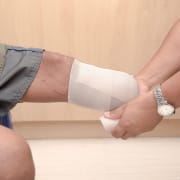
Coping With an Amputation

Severe motor vehicle accidents can result in amputations, which are life-changing events. Surgical techniques have improved, and accident victims may be able to return to nearly full function with the help of prosthetics and physical and occupational therapy.

What is an Amputation?

It’s the removal or loss of a body part such as a hand, foot, finger, toe, arm, or leg. It can happen during an accident (a traumatic amputation) or as a surgical procedure to prevent greater harm to the rest of the body.

A body part not torn off the body in an accident may be so injured that its use is severely limited or has come to an end. A surgical amputation may be the best option to prevent medical issues in the rest of the body and or to prepare for a prosthetic device that would act as an artificial replacement. You may be much more able by using a modern prosthetic than refusing an amputation and keeping a severely injured limb.

A traumatic amputation, depending on what body part is involved and how quickly paramedics arrive, can be fatal. A limb that’s severely crushed, cut, or torn off the body can result in severe and potentially fatal bleeding.

What Can Lead to an Amputation?

A motor vehicle could directly strike a pedestrian, bicyclist, or motorcyclist. That force may cause a traumatic amputation or so much harm a surgical amputation would result. The harm could also come from the victim coming off that vehicle and striking another, hitting the pavement, or something solid like a curb, telephone pole, or fire hydrant.

A passenger vehicle hit with enough force might partially collapse, cutting into or battering the body part. This is more likely in high-speed accidents when a car is struck by a full-size pickup or commercial truck.

How are Amputations Performed?

The surgical approach, according to Johns Hopkins Medicine, depends on the following:

  • The body part affected
  • The reason for the amputation
  • The extent of tissue and bone damage

When a finger is amputated, the surgery is intricate and involves the skin, nerves, and tendons. The surgeon will try maintaining the hand’s use and fine motor function. Removing an arm or leg is major surgery. The surgeon must handle and stabilize all the tissues involved, including bone, tendons, nerves, muscles, blood vessels, and skin.

The surgeon may cut through bone or detach a joint, separating bones where they meet. The operation may proceed in stages, and future surgery may be needed if there are problems with tissues breaking down, scarring, chronic pain, or other medical issues.

A surgical approach known as osseointegration may make it easier for some patients to use prosthetics. The body part is removed, and a steel implant is inserted into the leftover bone. A prosthetic is attached to the implanted steel rod. If a leg is amputated, the leg and hip bones absorb the person’s weight, not the soft tissue left behind. This allows standing and walking to feel more natural.

What are the Long-Term Side Effects of an Amputation?

Almost all people with amputations suffer phantom limb sensations and pain. The cause is poorly understood, but after amputation nerve connections in the brain and spinal cord “remember” the missing body part. They cause a compelling feeling that it’s still there or severe pain where the limb used to be.

The effects are also emotional and psychological. Post-traumatic stress disorder (PTSD) is more common in patients who have amputations due to accidents than those getting the procedure because of a chronic health condition, according to Physiopedia.

Body image, or a person’s psychological image of themselves, is disrupted by limb loss. Related problems can be anxiety, sexual impairment, and or dysfunction.

Other responses can be the following:

  • Denial
  • Anger
  • Depression
  • Refusing needed help
  • Hostility
  • Manipulating others
  • Risk-taking
  • Self-neglect
  • Dependence on others
  • Obsessiveness
  • Withdrawal

Ways to address these issues include getting psychological help and participating in group discussions with other amputees.

Talk To a Satterley & Kelley Personal Injury Attorney Today

If you’ve had an amputation due to a vehicle accident, the party responsible for it may be obligated to compensate you for all the harm you suffered, whether that’s financial, physical, or emotional. Satterley & Kelley, PLLC lawyers can protect your interests and legal rights by pursuing insurance claims or litigation against the parties causing your injuries.

Call our Louisville office at 855-385-9532 to schedule a free initial consultation so we can talk about your accident, injuries, and legal options. If it’s more convenient, complete our contact form.

Johnson & Johnson’s Libel Lawsuit Against Occupational Health Expert Dismissed

Johnson & Johnson (J&J) is facing billions of dollars of potential liability due to claims its talc baby powder was contaminated by asbestos and caused ovarian cancer and mesothelioma. One way the company is trying to strike back is to sue an occupational expert whose research showed a link between powder use and mesothelioma for libel. A New Jersey federal court dismissed the case on July 1.

Defamation is a legal term for a damaging, false statement that injures a company’s or another person’s reputation or character. Libel is defamation in written form.

Dr. Jacqueline Moline, the chair of occupational medicine at Northwell Health, was sued by a J&J subsidiary, LTL Management. It was created to shield J&J from talc lawsuits as part of its so-far unsuccessful efforts to force case settlements in bankruptcy court. Moline published a paper that linked talc-based consumer products to mesothelioma, according to Reuters.

J&J is being sued by more than 61,000 plaintiffs who claim its talc-containing baby powder caused ovarian cancer or mesothelioma. The company has won and lost baby powder cases and has made a $6.48 billion proposal to resolve current and future lawsuits.

Federal Judge Finds No Wrongdoing

U.S. District Judge Georgette Castner dismissed the case because the court found Dr. Moline’s research was neither fraudulent nor libelous. LTL is also suing three other scientists who performed research on the relationship between cancer, talc powder, and asbestos. Their cases are ongoing.

The company claims its talc products are safe, aren’t contaminated with asbestos, and don’t cause cancer.

Judge Castner ruled that Dr. Moline didn’t engage in libel, fraud, or false advertising when she published her research in 2020. Moline’s conclusions were protected by free speech rights under the U.S. Constitution’s First Amendment, and J&J failed to show that her underlying research was “verifiably false.”

Plaintiff Alleges False Research Paper Harmed It

LTL’s lawsuit alleged:

  • Moline’s paper was false because it stated that 33 individuals with no known asbestos exposure other than talc product use were involved
  • J&J claimed she knew that at least five study participants were exposed to asbestos through cigarette filters and building materials
  • Moline “made a career” being paid to testify as an expert for plaintiffs’ lawyers in asbestos cases, appearing in more than 200 talc cases and testifying at 16 trials

Judge Castner stated in his decision:

  • Moline may not have been persuaded by evidence of other asbestos exposure if she knew about it
  • She indicated her research was “tentative scientific conclusions, not unequivocal statements of fact”
  • J&J had not established Moline made a “verifiably false statement” when she stated participants had “no known asbestos exposure other than cosmetic talcum powder”
  • She disclosed her expert witness work in her paper, listing it as a potential conflict of interest
  • Moline issued a correction after the paper’s publication to show one participant was exposed to asbestos from cigarette filters

Erik Haas, J&J’s global vice president of litigation, stated the company will appeal the ruling.

UK Man Sentenced to 16 Months in Jail for Illegal Asbestos Dumping

Christopher Garrett is serving a 32-month sentence, half of it to be spent in jail, after he was convicted of dumping about 12,000 tons of construction and demolition waste, including asbestos, on a floodplain in Devon in southwestern England.

The Environment Agency stated Garrett, 64 years old, is considered the “worst offender” of this type of crime in Devon and Cornwall, given the quantity of asbestos involved. He was sentenced in July.

Garrett Ran a Private, Illegal Toxic Waste Dump

He pleaded guilty to running an unpermitted waste facility and disposing of asbestos in a way that was likely to harm human health or the environment. Garret was also ordered to pay more than £200,000 (about $258,000), according to Circular, a UK publication for resource and waste professionals, which was confiscated because it was considered proceeds from a crime.

Garrett repeatedly accepted waste onto his property despite a prior prosecution and multiple warnings from the area’s environment agency. At the sentencing, Judge Adkin stated the offenses were “industrial scale environmental contamination committed by an individual.”

Millions in Income for Thousands of Tons of Toxic Waste

Prosecutors stated that:

  • From July 2018 to May 2022, about 12,000 tons of controlled waste (construction and demolition waste) were dumped on land considered part of a floodplain at Garrett’s home, along the side of a highway. That’s the equivalent of about 1,500 truckloads of waste
  • He burned some of it and buried a large amount of asbestos-containing materials, creating a risk to human health and the environment
  • Garrett received hundreds of thousands of pounds to allow illegal dumping on his property. Remediation cost could be at least £2.5 million ($3.175 million). It’s estimated Garret made about £2.88 million ($3.6 million) more than those costs

Garrett received a two-year suspended prison sentence in 2016 for the same offense—allowing asbestos waste disposal at his site without a permit. Three years later, the Environment Agency learned he was doing it again, including during his suspended sentence.

Their officers visited the site several times, including one that required a police escort due to Garrett’s hostility. Garrett was prosecuted in 2022 for his behavior towards Environment Agency officers.

In May 2022, a search warrant was issued, and heavy machinery assisted in investigating and searching Garrett’s property. Bags of asbestos were found buried, and the site was covered with asbestos fibers. What will happen to the site has yet to be determined.

Call Us Today For A Free Consultation

If you have mesothelioma or another asbestos-related illness, you may be entitled to compensation. To discuss your situation and how Satterley & Kelley, PLLC can help, call our Louisville office toll-free at 855-385-9532. You may also complete our contact form for a free initial consultation.