
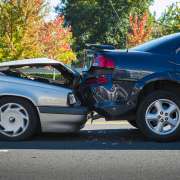
Why Do People Drive the Wrong Way?

Driving the correct direction on a highway is a pretty basic thing that many people get wrong. They end up driving at highway speeds directly at other vehicles heading their way just as quickly. Drivers may have little or no time to get out of the way. How are these situations created?

Because of the speeds involved, wrong-way crashes often result in severe or fatal injuries to those involved. An Evansville woman was killed after she drove the wrong way on an interstate highway in Webster County in July. She struck an oncoming truck whose driver was uninjured, according to the Evansville Courier & Press.

AAA Calls Wrong Way Driving a Persistent and Devastating Threat That’s Getting Worse

The AAA Foundation for Traffic Safety reported in 2021 that wrong-way crashes cost 2,008 deaths on divided highways from 2015 to 2018 in the US. That comes to about 500 deaths a year, or almost ten a week.  That’s up 34% from 375 annual wrong-way crash deaths from 2010 to 2014.

Chances that you’ll drive the wrong way increase, according to AAA researchers, if you have the following characteristics:

  • Alcohol impairment
  • Advanced age
  • Driving without passengers

They considered eight factors that could lead to wrong-way driving on an interstate and found those issues were the most important.

Alcohol impairment is the most significant factor in most wrong-way driving crashes, reports the AAA. Drivers older than 70 are also at more risk than younger drivers. Those who are 75 to 79 are especially a problem. They spend less time on the road than younger drivers, but they’re a higher share of wrong-way drivers.

Nearly 87% of wrong-way drivers are alone in their vehicles. If a passenger is in the car, they may warn the driver and prevent them from starting to go the wrong way or help them out of the situation if they start driving against traffic.

AAA Foundation used data from the National Highway Transportation Safety Administration’s Fatality Analysis Reporting System to compare wrong-way drivers with those going the “right way” but involved in accidents.

The National Transportation Safety Board (NTSB) Finds Age and Intoxication the Leading Factors in Fatal Highway Wrong-Way Driving Accidents

The NTSB’s 2012 Special Investigation Report into divided highway wrong-way fatal crashes states the following:

  • Wrong-way collisions are relatively infrequent (they’re about 3% percent of highway accidents) but are much more likely to cause severe and fatal injuries
  • A Virginia study found the fatality rate for wrong-way crashes on divided highways is 27 times that of other accidents
  • A Michigan study estimates that 22% of wrong-way highway collisions were fatal, compared to 0.3% for all highway accidents in the same time frame

The NTSB found the following:

  • Among the 1,566 wrong-way drivers, 936 drivers (60%) had evidence of alcohol consumption
  • Of 1,150 whose blood alcohol content (BAC) was reported, 114 (10%) had BAC readings between what’s needed to be considered intoxicated to nearly twice that level (0.08% to 0.15%)
  • 684 drivers (59%) had a BAC measurement twice the legal level or higher
  • 9% of wrong-way drivers causing accidents were convicted of driving while intoxicated or impaired within three years before their wrong-way crash, compared to 3.2% for drivers causing accidents while traveling the correct way on a highway

For drivers in accidents while going the right way, only 6.5% showed signs of drinking alcohol. Younger drivers traveling the wrong way were much more likely to be intoxicated than those who were older.

Most wrong-way drivers were 20 to 50 years old. There were fewer wrong-way than right-way drivers, causing accidents for those younger than 70.

The opposite is true for those 70 and older. In this age group, the number of wrong-way drivers causing crashes far exceeds the number of those going the right way and causing collisions.

For those aged 70 to 79, there were nearly 2.5 times more wrong-way driver accidents and almost 30 times more for drivers older than 80. For every driver older than 80 causing a fatal accident while traveling in the correct direction on a divided highway, there were nearly 30 drivers that age starting deadly accidents going the wrong way.

The special report’s findings were based on information from accidents that happened from 2004 to 2009.

The report’s findings were based on 2004 through 2009 data on 1,566 fatal divided highway collisions (including those on entrance and exit ramps) involving vehicles heading the wrong way.

Speak To a Louisville Car Accident Attorney Near You

We are your boots on the ground if you or a family member were injured or killed in a Kentucky wrong-way accident. Call Satterley & Kelley PLLC to speak with a skilled personal injury lawyer at our Louisville office toll-free at 855-385-9532 or complete our online contact form to get started.

Women are Safer Drivers Than Men

Statistically, women are better drivers than men. Studies and statistics show men are more likely to cause accidents that result in injuries and deaths, even after accounting for the fact that more men drive. If truck driving was a female rather than male, dominated occupation, there might be fewer truck accidents and related injuries and deaths.

Are Men More Dangerous Drivers?

A study based on accident data in the United Kingdom found that male drivers of five of six vehicle types (bicycles, cars/taxis, buses, vans, motorcycles, and trucks) were more dangerous to others on the road.

In addition to being a higher risk to others, men are more likely to drive more dangerous vehicles. Male drivers of certain vehicles are far more likely to cause accidents per kilometer driven, including:

  • For vans and cars, men were twice as dangerous as women
  • For trucks, men were four times as dangerous
  • For motorcycles, men posed more than ten times the risk of an accident

Researchers stated hiring more women in male-dominated positions would make roads safer.

Researchers found that in England, taxis and cars were involved in two-thirds of fatal vehicle accidents. However, given the distance driven, trucks and buses caused five times more deaths.

An Association of British Insurers spokeman told CNN that they’ve known women are safer drivers for years:

“Road casualty statistics have long shown a big difference between men and women when it comes to safety on the roads…Men are far more likely to be killed or seriously injured on roads than women. This applies not just in the UK, but in the majority of countries.”

Under European Union rules, insurers can’t charge male drivers more for vehicle insurance even though they are more likely to make a claim on their policy. In the US, insurance rates can be based on sex, and they can be higher for male drivers because their overall driving causes more accidents. The younger the driver, the greater the rate difference between sexes, according to Nerdwallet.

The findings were reported in an article by Rachel Aldred of the University of Westminster’s School of Architecture and Cities. It was published in 2020 in the Injury Prevention journal. She used data from accidents in England from 2005 to 2015.

US Data Supports Conclusion Men Pose a Greater Risk of Vehicle Accidents

Far more men than women are killed annually in motor vehicle accidents, according to the Insurance Institute for Highway Safety, citing data from the federal Department of Transportation. They report the following:

  • Men drive more miles and are more likely to be involved in risky driving practices, including not wearing seat belts, being impaired by alcohol, and speeding
  • Accidents involving male drivers are often more severe than those with female drivers
  • For almost every year from 1975 to 2022, the number of male crash fatalities was more than twice the number of female accident deaths
  • Fatal accident rates are much higher for males than for females ages 16 to 29, but the gap shrinks with drivers 30 and older
  • From 1982 to 2022, the share of fatally injured drivers with blood alcohol concentrations at or higher than the legally allowed limit was substantially higher for men, though the difference has recently shrunk
  • During those years, speeding was cited for a higher percentage of fatal accidents involving men than women. The difference is highest among drivers 15 to 19 years old

The difference in fatal accident risk between males and females lessens when newer vehicles with improved restraint systems and crashworthiness are driven.

Why are Men More Dangerous Drivers?

Research published in January in PLOS ONE shows that more than 70% of vehicle accidents are caused by human behavior. Research consistently shows younger male drivers display more dangerous driving habits than young women.

Men tend to ignore traffic rules, engage in aggressive driving, and overlook safety practices like seatbelt use. Women generally use more caution, which may be associated with the fact that they mature psychologically faster than men.

Men drive more aggressively, according to a survey by the AAA Foundation for Traffic Safety. According to the findings, men are more likely to engage in the following:

  • Drive 15 miles per hour over the posted speed limit
  • Tailgate another vehicle
  • Prevent another vehicle from merging into a lane
  • Honk their horn or make a rude gesture towards another driver
  • Drive through a red light
  • Quickly weave in and out of lanes

Psychologists studying who engages in road rage and why find that young men are more likely to engage in dangerous and provocative driving aimed at others on the road. Crowded roads can boost drivers’ anger, which can be wrongly directed at others on the road instead of those truly causing it, reports the American Psychological Association. A highly stressful life and abusing alcohol and drugs also contribute to the problem.

Speak To a Louisville Car Accident Attorney Near You

Whether a male or female driver injures you, we can be your boots on the ground after a Kentucky car accident. Call Satterley & Kelley PLLC to speak with a skilled vehicle injury lawyer at our Louisville office toll-free at 855-385-9532 or complete our online contact form to get started.

Summertime Driving Dangers

Summer is the time we’re supposed to relax, but that might not be a good idea when you drive. Every time of year poses potential driving risks, and the summer has its unique mix. The last thing you want to do before reaching your destination, whether an office, lake cabin, or shoreline, is get into an accident.

You no longer face icy roads or many hours of darkness, but Mercury Insurance brings up this season’s menu of driving risks.

School is Out

School has ended, so kids and teens won’t spend their days in school. Many will be walking, riding bikes, on motorcycles, and driving vehicles. This increases the number of people you may strike with your car and young drivers who may hit yours.

Teen drivers are inexperienced and more likely to take risks, like using a smartphone while driving or speeding, compared to older drivers. While using personal communications devices while using public roads is illegal in Kentucky, that doesn’t stop it from happening.

The Children’s Hospital of Philadelphia reports the following:

  • 7% of drivers 15 to 20 years old involved in fatal crashes in 2020 were reported as distracted, the largest share of any age group
  • 39% of high school students reported in 2019 that they texted or emailed while driving in the prior month
  • Those 18 to 24 years old who report using cell phones while driving also admit to speeding, ignoring red lights, and passing vehicles on the right
  • Generally, teens understand that talking on a cell phone, texting, or using social media apps while driving is unsafe, but often do it anyway

During the summer, kids and teens may illegally ride dirt bikes on the road at high speeds. They may get to where they’re going on bicycles or walk to see their friends. Drivers must be on the lookout for these potential dangers.

Traffic Congestion

It’s the time of year when people drive to vacation or see family or friends, especially during holiday weekends. Summer is also the traditional time for road and highway maintenance and repair. Gasoline prices are lower than in previous years, making road trips less expensive. If you add these issues to the daily traffic flow, you may find yourself in a traffic jam.

Traffic may not be bumper-to-bumper, but full roads and highways force drivers to drive slower. That usually makes driving safer, but it also causes problems that result in accidents, including the following:

  • Vehicles may overheat and break down, causing additional obstacles
  • Some drivers become impatient, tailgate, weave in and out of lanes, and speed ahead at every opportunity to try to make up for lost time
  • High heat, slow traffic, and inconsiderate drivers can be a recipe for road rage, which carries risks not only for accidents but shootings
  • Distracted, bored, or fatigued drivers in backed-up traffic may not notice that the vehicles in front of them are slowing or stopping, causing rear-end collisions

If you’re not used to driving in such conditions, it’s a skill set you need to work on.

Vehicle Maintenance or Lack Thereof

Improperly maintained vehicles traveling long distances in extreme weather are bound to break down. Something failing at highway speeds, like a worn tire, can lead to lost control and a catastrophic accident. Other problems may result in the vehicle slowly grinding to a halt at a time when there’s low or no light or rain and in a dangerous place like an off-ramp, intersection, or curve.

You must drive reasonably safely to try to avoid disabled vehicles and drive a reasonably safe vehicle so it won’t become a problem. You may be negligent if you know your car may break down at any minute because you’re not maintaining it but driving it anyway.

Regularly maintain your vehicle, and if you have any concerns about taking a long trip, have your mechanic examine it. If your vehicle needs repairs to keep it safe you must have it done. Discuss your options with your mechanic if you can’t afford to have work done.

Weather Considerations

Extreme heat may cause dehydration and drowsiness, so you may feel fatigued much earlier than at other times of the year. Drink water while you drive and pull over if you can’t focus as well as you should.

Driving on a sunny day without sunglasses may be negligence if you can’t fully see what’s happening and cause an accident. Summer can be a time of heavy, unexpected rain. You need effective windshield wipers and tires that can maintain traction on wet roads.

Now that it’s hotter, you may discover your vehicle’s air conditioning doesn’t work as well as it should. Although it’s safer to drive with a dysfunctional air conditioner than tires that are barely keeping up, being comfortable while driving can help you focus on driving.

Talk To a Satterley & Kelley Car Accident Attorney Today

If you’re injured in a vehicle accident caused by another driver’s negligence, Satterley & Kelley, PLLC attorneys can protect your rights and obtain the compensation you deserve for the harm you suffer.

Call our Louisville office at 855-385-9532 to schedule a free initial consultation so we can discuss your accident, injuries, and legal options. If it’s more convenient, you can complete our online contact form.

If You’re Severely Injured, Social Security Disability Insurance (SSDI) May Help Put Your Life Back Together

If you’re injured in an accident to the point you’re unable to work for at least a year or you’re suffering a terminal condition, you may qualify for SSDI benefits. This is based on the physical, emotional, or psychological challenges you face and whether you paid enough taxes for a long enough period into Social Security. It’s unrelated to a settlement or jury award you may or may not obtain after an accident.

How Much Work History Do I Need to Qualify for SSDI?

Taxes fund these benefits, either Federal Insurance Contributions Act (FICA) taxes for employees or the Self-Employment Contributions Act for those who work for themselves. You earn Social Security “credits” when making payments. What counts as a credit varies annually. In 2024, you will get one credit for every $1,730 of earnings up to four credits per year.

How many work credits you need to get SSDI depends on your age when you become disabled. Generally, that’s 40 credits, 20 earned in the last ten years, ending with the year you became disabled.

What is Supplemental Security Income (SSI)?

You may qualify for SSI if you lack these credits. It’s not based on your work history but provides benefits to those with disabilities, low income, and few resources. SSI is funded by general tax revenues, not the dedicated funds that pay for SSDI, though it’s administered by the Social Security Administration (SSA).

Beneficiaries are often those too young to have worked and adults who worked “under the table” and didn’t pay FICA or self-employment taxes before they became disabled. An insurance settlement or jury verdict in for you may disqualify you from these benefits, which are based on need, unless payments are correctly structured to maintain your eligibility.

How Do I Qualify for SSDI?

You must:

  • Pay enough FICA and self-employment taxes for a sufficiently long period
  • Your condition meets SSDI’s disability definition

Generally, SSDI benefits are for those unable to work for at least a year due to a disability. It need not be a permanent, lifelong disability, but it may be. There is a five-month wait after approval before you receive your first benefit payment, but depending on the circumstances you should receive back benefit payments.

If you collect SSDI for at least two years you may also receive Medicare benefits. You may qualify for Medicaid without waiting with SSI.

Benefits usually continue until you’re able to return to work regularly. Some incentives could continue your benefits and health care coverage while you transition back to work. If you receive SSDI benefits until you are at full retirement age, they convert to retirement benefits, but you’ll get the same amount.

If you receive SSDI benefits when you reach full retirement age, your disability benefits convert to retirement benefits, but the amount is the same.

How Disabled Must I Be to Collect SSDI?

SSDI is to help those totally disabled for at least a year. It’s not a program if you’re partially disabled or for a short term. SSDI is not a charity and isn’t based on financial resources or the lack of them. If you meet the requirements, you could be wealthy or barely get by and collect SSDI.

If you worked in the past and have enough credits, five issues must be resolved before you can collect benefits, including:

1. Do you work?

If you work too much, you’re not considered disabled. If you didn’t work enough, you won’t have enough credits to qualify for SSDI. For 2024, if your average monthly earnings are greater than $1,550 ($2,590 if you’re blind), you generally are not considered disabled.

2. Do you have a “severe” condition?

Does your disability significantly limit your ability to perform basic work-related activities, like standing, lifting, sitting, walking, or remembering? Has it, or will it, last for at least 12 months? If not, you don’t qualify.

3. Is your condition on the SSA’s list of disabling conditions?

There is a list of disabling conditions for each primary body. If your condition isn’t on a list, SSA decides if it’s as severe as a condition on the list. If so, SSA will find you have a qualifying disability.

4. Can you do your prior work?

SSA decides if your limitations prevent you from doing your past work. If not, you’re not considered qualified.

5. Can you do other types of work?

If you can’t do past work, is there other work you could do despite your impairment(s)? SSA looks at the following:

  • Impairments
  • Age
  • Education
  • Prior work experience
  • Transferable skills

If you cannot perform other work, you qualify for benefits. If you can, your claim will be denied because you don’t have a qualifying disability.

It’s common for SSDI applications to be initially rejected but reversed after the decision is appealed, but the process can be lengthy.

Speak To A Personal Injury Attorney Today

If you or a family member are injured by someone else’s negligent or intentional acts and you’re unable to work, Satterley & Kelley PLLC attorneys can help. We will protect your interests and ensure you get the compensation you deserve. Don’t deal with this alone.

Call our office in Louisville toll-free at 855-385-9532 to schedule a free consultation to discuss what happened and your legal rights. If it’s more convenient, you may also complete our contact form.

Rehabilitation May Be Your Road to Recovery After a Car Accident

If you’re severely injured in a vehicle crash, there’s a good chance that you’re undergoing physical therapy to regain as much function as possible. When people think about medical care after an accident, the first thing that may come to mind is an emergency department or surgery. They may not consider all the time and effort they’ll need to spend with physical therapy to return to as close to normal as they can.

How Will Physical Therapy Help Someone Injured in a Vehicle Accident?

Medical care and surgery can only do so much. Depending on the extent and type of injuries you suffer, you may need very little to extensive physical therapy. You must be thoroughly evaluated so a physical therapist (PT) can determine your needs and how they can be met.

They will need detailed information about the accident, what was injured, and how. They’ll also want information on your medical treatment and surgeries, if any. Next will be a physical assessment so the PT can learn more about your pain and physical limitations. The PT will ask you many questions, and you’ll need to answer as fully and honestly as possible.

After a treatment program is developed, your PT will manipulate, move, and massage your body’s muscles, joints, tendons, and ligaments with their hands. This may decrease pain, reduce swelling, increase mobility, and speed up your return to function. Your program may also include exercises to help your recovery.

Physical therapy can help you fully recover physical functioning, or you may be limited by the nature and extent of your injuries. How long this takes depends on many things, including your injuries, how quickly you start therapy, and how dedicated you are to the program.

What Therapy is Needed for Brain Injuries?

The goal of rehabilitation for those with traumatic brain injuries is to help them regain as much function and become as independent as possible.

Those involved in your care can include the following:

  • Physicians
  • Physical and occupational therapists
  • Speech and language pathologists
  • Advanced practice nurses

Brain rehabilitation can start in the hospital, according to the Mayo Clinic, perhaps with just a few minutes of mental and physical exercise daily. You may need inpatient rehabilitation at a facility specially equipped and staffed for treating brain-injured patients after you leave the hospital.

Depending on your injuries, your team will help you with improving your mental, physical, and behavioral functioning so you can transition to living at:

  • Home independently
  • Home with assistance
  • A facility outside the home

You may also need outpatient rehabilitation so you can work and live as independently as possible.

How Will Therapy Affect My Insurance Claim or Lawsuit?

A large part of your case’s value is based on your costs of medical and rehabilitation treatment. Rehabilitation expenses can be substantial, especially if you’re treated at a specialized facility for a prolonged period. The higher the costs, the more serious your injury should be considered. All other things being equal, these high costs should result in an insurance company willing to pay more to settle your case.

Therapy generally isn’t easy. It’s something you need to work on. It can take determination and willpower to get through the grind. How much you can attain is often a guess. Based on a professional’s experience, they’ll estimate what effort is needed to reach a certain level of recovery.

Despite these unknowns, you should always do your best. Your goals may not be achievable, but you may also go much farther than anticipated. You won’t know until you try.

The law has a concept called mitigation of damages. You need to make reasonable efforts to limit the harm you’re suffering. If you can’t fully recover because you’re unwilling to put in your best efforts to improve, that will decrease how much recovery you’ll receive.

An insurance company may reduce a settlement offer if you’re not making appointments and your PT’s notes state you’re not doing the necessary exercises on your own or making a total effort during rehabilitation sessions.

Speak To A Satterley & Kelley, PLLC Car Accident Attorney Today

If another party’s negligence caused your injuries, Satterley & Kelley PLLC lawyers can protect your interests and legal rights to compensation.

Schedule a free initial consultation by calling our Louisville office at 855-385-9532 so we can discuss your situation. If it’s more convenient, complete our online contact form instead.

How Can I Maximize the Compensation for My Case?

After your accident, you may feel your life is out of control. You have pain and limitations you’ve never had before.

You spend much more time with doctors and physical therapists, so your regular schedule no longer exists. Despite this whirlwind, you have some control over your life, and what you do and avoid doing can impact how much compensation you’ll get for your insurance claim or lawsuit.

To maximize your compensation, you should:

  • Be honest and consistent about your injuries
  • Follow medical advice and treatment plans
  • Avoid actions that can hurt your credibility

Read on for a more in-depth explanation.

5 Tips to Maximize Your Injury Compensation

We have represented thousands of accident victims over the years and learned what helps and hurts our clients’ cases. We want them to get the most compensation possible and advise them on how to accomplish this. Our guidance may not only result in a higher settlement, but your case may conclude faster because there are fewer complications and issues to slow it down.

Here are some suggestions based on our experience of what to do and avoid to help maximize your settlement amount.

1. Be Honest

Your credibility is one of the most valuable things you have when it comes to an insurance claim or lawsuit. Protect it as best you can.

You may think appearing to be more injured will get you more money. You can only be properly treated and recover as fast as possible by being honest with your healthcare providers. If you lie to them, you’ll not get the necessary treatment and rehabilitation.

Insurance companies thoroughly investigate claims, including going through your medical records. Being honest with your doctor but exaggerating your injuries when making statements or in a deposition will be a great big waving red flag to an insurance company. They may also hire a private detective to follow you and video what you’re doing in public, which may be far more than what you say.

Insurance companies settle cases. If they think you’re lying, they won’t offer much. They may be more willing to try the case and expose what they believe is your dishonest efforts to get more money from them.

2. Make Reasonable Treatment and Rehabilitation Decisions

You must make reasonable choices for your injury’s treatment and rehabilitation. If you’re uncomfortable with what one doctor proposes, you can get a second opinion and decide which approach is better.

Sometimes, the reasonable thing is to do nothing. You may need time to heal. But often, it is not. If you ignore medical advice without a good reason and your condition worsens, you could significantly reduce the settlement value of your case. The worsening and length of your condition will be considered the result of your decision not to be treated, not due to the accident.

3. Be Careful What You Say

The less you say about your accident and injuries the better, because your words may come back to haunt you.

Investigators and attorneys working for insurance carriers love social media, and not just to publish photos of their bar league softball games. It’s a primary tool they use when investigating someone making a claim against a policy. They’re looking for contradictions that can be used to question the person’s credibility.

If you’re claiming to be depressed, they’d love to find photos of you fixing your car, having fun with friends, or a great time at the beach. They’re also looking for images, videos, or posts contradicting your claims of physical injuries.

Investigators may also talk to neighbors to get some dirt on you. They’ll want to know what you’re doing and saying about your situation to others. The more you put out there about your condition, the greater the risk it’ll be interpreted in a way that harms your credibility.

4. Stay Organized

Your damages, or the harm you suffer measured in dollars, must be proven. That means establishing your income before and after the accident, the bills you’ve paid since the accident, and the time you’ve missed from work.

You should also organize and keep track of any documents given to you by your treatment and rehabilitation team. This may include:

  • Medical bills and treatment records
  • Pay stubs and proof of lost income
  • Receipts for out-of-pocket expenses
  • Notes about your symptoms, pain levels, and recovery progress
  • Any correspondence with insurance companies

5. Be Realistic About Settlement Expectations

Most cases settle. Your case will too, but only if you agree to what the insurance company offers. We will give our opinion of whether it’s a fair offer worth taking or that you may be better served continuing your case.

Demanding an unrealistic settlement from an insurance company won’t help your case. They may feel you’re not taking this seriously and have little to lose by not settling and going to trial. You may win or lose your case depending on the facts and law. Even if you win, the jury award may be less than you expect, perhaps even less than what the insurance carrier offered.

We have obtained substantial settlements and jury verdicts for our clients. But to justify that amount, they are severely injured people or family members of someone who’s been killed. By not being realistic with your settlement demand, you risk getting less compensation or perhaps none at all.

Talk To a Satterley & Kelley Personal Injury Attorney Today

If you’re injured in an accident caused by another driver, Satterley & Kelley, PLLC lawyers can protect your interests and legal rights to compensation for the harm you suffer.

Call our Louisville office at 502-589-5600 or toll-free at 855-385-9532 to schedule a free initial consultation so we can talk about your accident, injuries, and legal options. If it’s more convenient, you can complete our contact form.

American Vehicles Ran on Tires Made in Kentucky. Workers Who Manufactured Them Paid the Price

The rubber and plastics industry has been a significant economic force in Kentucky for decades. Unfortunately, workers in these plants brought home more than paychecks. They returned with asbestos fibers in their bodies and on their clothes. These employees and spouses developed deadly cancers due to asbestos.

Kentucky has more than 260 rubber and plastics manufacturers employing more than 31,000 people, according to the state’s Cabinet for Economic Development. Although everyone needs an income to support themselves and their families, some jobs, like those at two Kentucky tire plants, come at a very high price.

What is Asbestos?

Asbestos is the name for six naturally occurring minerals. They are fiber bundles that can be separated into thin threads. They’ve been used for centuries in thousands of products because they are light, strong, durable, and resistant to heat, fire, corrosion, chemicals, and electricity.

Why is Asbestos Dangerous?

If asbestos fibers are released into the air, anyone in the area could inhale or swallow them. The body’s immune response to destroy this foreign material will fail, and the fibers will continue to exist. The cells trying to dissolve the fibers die, which triggers scar tissue and inflammation. Over decades, cells in the area mutate and become malignant.

Several types of cancer are caused by asbestos exposure, including lung cancer and different mesotheliomas. They are fatal cancers of the lining of the lungs, heart, abdominal organs, chest, and abdominal cavities.

Can Someone Injured by Asbestos Obtain Compensation?

If you or a loved one are diagnosed with an asbestos-related disease, you may be entitled to compensation for the physical, emotional, and financial harm you suffer. This may be done through a claim against a company involved with asbestos products or, if the company is bankrupt, a claim against a trust fund established to provide this compensation.

What Tire Plants in Kentucky Sickened Workers and Spouses with Asbestos?

Satterley & Kelley, PLLC attorneys have represented clients injured by asbestos who worked at Kentucky tire plants and spouses of workers who were exposed to fibers on their husbands’ clothes when they returned home. The plants were in Madisonville, owned by Goodyear, and in Mayfield, owned by General Tire and Continental Tire, which bought the company in 1987. Both plants were shut down years ago.

Why Did Tire Plants Have Asbestos in Them?

Steam produced heat, which was necessary in the manufacturing process. Thanks to pipes, high-pressure steam moved through the plants and powered machinery. To protect the pipes, machinery, and employees, miles of these pipes were coated with tons of asbestos insulation material. Boilers heated water and created steam. This equipment was also insulated with asbestos.

How Were Workers Exposed to Asbestos in Tire Plants?

When these facilities were built, equipment creating, transporting, or using high-pressure steam was covered in asbestos insulation, which could be in several forms, depending on the temperatures. Installing the asbestos would be a very dusty job as asbestos-containing cement were mixed, and insulation was cut. Asbestos-containing gaskets could also be used in equipment, which could involve cutting asbestos-containing materials.

Over time, as plants changed or grew and more equipment was installed, more asbestos was used. If something needed to be repaired or renovated, old asbestos had to be removed, and new materials replaced them. These processes add more dust.

Over time, asbestos-containing products aged and deteriorated. Asbestos fibers fell off them and floated through the plants’ airspace. Workers disturbed fibers on surfaces and floors and sent them back into the air.

Who Was Exposed at Kentucky Tire Plants?

Those exposed to asbestos were outside contractors working on the equipment in the plants and company employees. They could be the following:

  • Maintenance workers maintaining equipment
  • Janitors cleaning the plants
  • Production workers operating machinery
  • Warehouse workers, management, and administrative staff who passed through production areas as part of their jobs

These people could have asbestos fibers on their clothes by the end of the day. When they came home, the fibers would come loose and float through the air in workers’ homes. Everyone living there could be exposed and potentially sickened by asbestos.

Call Satterley & Kelley, PLLC, Today For A Free Consultation

We are your boots on the ground if you or someone you love suffers from an asbestos-related illness due to exposure at a Kentucky tire plant. Call us today at 855-385-9532. You may also complete our online contact form for a free initial consultation.

Radiation for Mesothelioma: 101

Radiation therapy is one of the most common treatments for many types of cancers—including mesothelioma. Still, despite how commonly it is used, many people don’t actually know what radiation therapy is, or how it is used—including in mesothelioma care. In this article, we’ll break down the basics about radiation therapy for mesothelioma patients, de-mystifying this vital treatment that can help improve prognosis and quality of life.

What is radiation therapy?

“Radiation therapy” or “radiotherapy” refers to the use of highly concentrated rays of energy (“ionizing radiation”) to kill or damage the DNA of cancer cells. Specifically, radiation damages or removes the internal instructions inside the cancer cells that tell them how to multiply, grow, and infect other parts of the body.

Radiation is often directed at specific parts of the body, generally where tumors or cancerous tissue is located. Imaging tests can help locate the cancer’s exact location in the body, so that doctors can direct radiation to that location.

There are two types of ionizing radiation frequently used to treat cancer:

  • Photon Beam Radiation is essentially an X-ray at a much higher dose, and has been the form of radiation most commonly used to treat mesothelioma. When a patient receives photon beam radiation, the beam can release energy at any point on its journey in, through, and out of the body—whether that energy gets released where the beam enters the body, or at any point during its travel through the body, or when it exits the body. While this helps with the effectiveness in shrinking tumors and killing cancer cells in different places, it also sometimes causes more collateral tissue damage.
  • Particle Radiation is a different type of radiation sometimes used to treat mesothelioma, which uses either protons or electrons to deliver damaging or lethal energy to cancer cells. Unlike photon beams, particle radiation (sometimes called “proton radiation”) only releases energy within a specific, measurable distance of the beam’s source. This sometimes allows particle radiation to be more accurately targeted at cancer cells at the end of a path, which can reduce damage to surrounding organs or healthy tissue and increase the treatment’s effectiveness in hitting the targeted cancer cells.

As noted above, while radiation kills or damages the DNA of cancer cells, it doesn’t harm cancer cells exclusively. Rather, radiation can kill or damage other types of healthy cells as well, which may cause collateral damage to health tissue and organs. Since radiation targets fast-growing cells like cancer, the first healthy cells to be affected are also fast-growing, like skin and bone marrow cells. Slower-growing cells, like those in the nerves or brain, may eventually be affected, but it takes a longer time for that to occur. Importantly, damaged cells can continue to die for an extended period—sometimes weeks or even months—after radiation treatment. This is where radiation side effects come from.

This is particularly pertinent for mesothelioma patients: since mesothelioma doesn’t generally present as single, distinct tumors, it can be hard to treat with radiation without damaging lots of healthy tissue.  One way to avoid this is with newer technology that can help direct the radiation more precisely, and can sometimes better collateral damage than older radiation tech.

Still, deeper or more widespread penetration common in older forms of radiation is sometimes necessary for mesothelioma patients, depending on their condition and therapeutic goals. Your doctor will consider these factors when considering what type of radiation therapy is best for you.

How is radiation used to treat mesothelioma?

Radiation therapy is considered one of the standard first-line treatments for mesothelioma. It can be used to treat mesothelioma and its symptoms in several different ways.

Radiation is often used for active, therapeutic treatment of mesothelioma—or, with the goal of eradicating mesothelioma cells to improve prognosis. This includes:

  • Before surgery, to shrink mesothelioma tumors so they are easier to remove (called “neoadjuvant” or “preoperative” radiotherapy)
  • During surgery, to prevent mesothelioma cells from spreading to new areas of the body (called “intraoperative radiation therapy”, or IORT).
  • After surgery, to sterilize and kill off remaining mesothelioma cells that may be left behind (called “adjuvant radiotherapy”)
  • Outside of a surgical context, to shrink and kill off mesothelioma cells and prevent metastasis—often when surgery is not an option.

Radiation is also often used in palliative care for mesothelioma—or, with the goal of reducing the symptoms of the disease and improving quality of life for patients with stage 3-4 mesothelioma. These include:

  • Shrinking tumors to ease mesothelioma symptoms, such as pain and trouble breathing, swallowing, or eating.
  • Preventing or delaying further tumor growth and the accompanying symptoms.

It is not generally effective to use radiation as a standalone treatment for mesothelioma. Instead, in both therapeutic treatment and palliative care, radiation is generally used as part of multimodal treatment for mesothelioma. This means that it is used alongside other therapies or treatments in order to more effectively achieve the desired outcomes, whether that is a better prognosis, extended lifespan, abatement of symptoms, improved quality of life, or all of the above. It is typically used with therapies like chemotherapy, surgery, medication, or other treatments to help achieve patient goals.

What type of radiation is most commonly used to treat mesothelioma?

As noted above, there are a number of different types of radiation therapy, and doctors select the best type for each patient. The following types of radiation are most commonly used for mesothelioma patients:

  • External Beam Radiation Therapy (EBRT): Currently the most common form of radiation used to treat mesothelioma. It uses advanced computer guidance to target tumors.
  • 3D Conformal Radiation Therapy (3DCRT): A form of EBRT that uses imaging like CTs, MRIs, or PET scans to plan the course of radiation, following the exact shape of the tumor(s). This allows doctors to deliver higher, more accurate doses of radiation without the associated risk to healthy tissue.
  • Intensity-Modulated Radiation Therapy (IMRT): A form of EBRT that allows technicians to deliver radiation at varying strengths, shapes, and patterns and from several different directions at once, to more successfully target tumors while avoiding healthy tissue damage.
  • Stereotactic Body Radiation Therapy (SBRT): An advanced form of IMRT that concentrates treatment into a smaller number of sessions with higher doses of radiation. It requires more precision, planning, and expertise, but may be more economic, more effective at killing mesothelioma cells, and better at preventing healthy tissue damage than other forms of IMRT for some patients.
  • Intraoperative Radiation Therapy (IORT): Radiation administered during surgery to prevent the spread of mesothelioma cells to other parts of the body, and to kill lingering mesothelioma cells. It is generally recommended for earlier stage mesothelioma patients, but can be very effective.

Are all mesothelioma patients eligible for radiation?

Unfortunately, radiation is not effective for all mesothelioma patients. It has only proven to be beneficial in pleural mesothelioma patients, and is generally not effective against peritoneal mesothelioma, or any other form of mesothelioma.

What are the benefits of radiation for mesothelioma patients?

Radiation therapy can have many benefits for mesothelioma patients, especially when used as part of multimodal therapy. These may include:

  • Improving prognosis and extending lifespan
  • Shrinking or stopping the growth of tumors
  • Reducing symptoms and improving quality of life
  • Preventing the need for physically, mentally, and financially taxing surgeries
  • Preventing or delaying cancer recurrence
  • Stimulating the immune system, potentially helping it to recognize and fight cancer.
  • Improving surgery, chemotherapy, and other treatment outcomes

Are you looking for more information about mesothelioma and how to advocate for your rights? Call (855) 385-9532 to learn more.

Kratom May Kill You Or Cause Serious Side Effects

You may see Kratom at your local convenience store or gas station, but just because something is for sale doesn’t mean you should buy it. This plant extract is marketed as a supplement to give you more energy and relieve pain. What you don’t learn in the advertising is how addictive it can be or how it could kill you.

If you are harmed by Kratom or a family member killed because of its use, you may have a right to compensation for what you’ve been through. Those who sell dangerous products to the public can be held accountable for their actions through the court system.

What is Kratom?

Kratom (or Mitragyna speciosa) is a tree related to coffee trees, according to the Cleveland Clinic, native to Africa and Southeast Asia.

It’s often sold as a supplement in vitamin stores, being marketed to boost energy, improve moods, and relieve pain. According to the Mayo Clinic Kratom products are even marketed to help people going through opioid withdrawals.

But despite the marketing of this herbal extract, kratom has serious side effects that can be fatal.

How is Kratom Used?

Traditionally, people have used it in several ways, including:

  • Chewing its leaves or making tea from it
  • It’s supposed to improve productivity and fight tiredness
  • For medicinal purposes, including as a substitute for opium
  • During religious ceremonies

Low doses may make you feel alert. High doses may cause the following:

  • Pleasure
  • Sedation
  • Decreased pain

Kratom produces these effects because two chemical compounds in it interact with parts of your brain that interact with opioids, like morphine and heroin. People might think kratom is “natural,” and because it’s legal to buy in most states, including Kentucky, it must be safe. That’s not the case.

You may find kratom powders, pills, capsules, or drinks. Kratom bars have started opening, offering kratom drinks instead of cocktails. Kentucky law prohibits kratom sales to those younger than 21 and requires products to be labeled with information about safe and effective use.

Is Kratom Dangerous?

Yes, Kratom and Kratom-products are considered dangerous. Kratom’s potential for severe and sometimes deadly side effects outweigh its potential benefits, according to the Cleveland Clinic.

A Tampa Bay Times investigation found that more than 580 kratom users in Florida died from overdoses in the past decade. Most were caused by a mix of kratom and at least one other substance. Forty-six overdosed just on kratom.

Another study from the federal Centers for Disease Control and Prevention (CDC) found kratom caused at least 91 deaths over a 17-month period in 32 states and the District of Columbia, according to CNN.

Researchers reviewed reports of more than 27,000 accidental drug overdoses and found that 152 had kratom and other substances in their systems. The CDC estimates that kratom caused the death of 91.

Common Kratom Side Effects

There are several known and common side effects associated with Kratom. Some are milder while others are severe.

Kratom’s most common side effects include:

  • Aggression
  • Altered mental status
  • Anxiety and irritability
  • Constipation
  • Delusions and hallucinations
  • Drowsiness and sedation
  • Dry mouth
  • Frequent urination
  • Itchy skin
  • Nausea and vomiting
  • Numb tongue

More severe side effects include the following:

  • Cardiac problems, including heart attacks, abnormal heart rhythms, and elevated blood pressure
  • Difficulty breathing
  • Encephalopathy (brain disease)
  • Hallucinations
  • Hypothyroidism (underactive thyroid)
  • Insomnia or lack of sleep
  • Liver damage and failure
  • Rhabdomyolysis, or the degradation of muscles which releases a protein into the blood that damages the kidneys
  • Seizures

Long-term kratom users may experience tremors and psychosis. They may be chronic users because they’re addicted to it. Stopping its use can cause the following symptoms:

  • Muscle spasms and rigidity
  • Pain
  • Rhabdomyolysis
  • Seizures
  • Tremors

Is Kratom Illegal?

The legal status of Kratom is complicated. At the federal level, Kratom is not classified as an illegal controlled substance, which is why you may see it sold at gas stations, smoke shops, or online.

However, just because it’s not illegal, it doesn’t make Kratom safe. Some states have banned Kratom sales entirely, while others regulate its sale by requiring warning labels or setting edge restrictions.

According to the US Food and Drug Administration (FDA), Kratom can’t be legally marketed in the US as a drug, dietary substance, or food additive.

The FDA also says that Kratom’s active compounds (mitragynine and 7-hydroxymitragynine) have the same effect on the brain as opioids. This gives them the potential for creating additions, overdoses, and deaths.

On July 29, 2025, the FDA announced that it’s recommending 7-hydroxymitragynine (7-OH) to be classified as a Schedule I controlled substance. This would not make Kratom or Kratom leaf products illegal, but it’s taking steps to target 7-OH, which is a concentrated byproduct from the Kratom leaf.

Who is Responsible for Kratom Injuries and Deaths

Under product liability law, anyone involved in making, distributing, or selling an unreasonably dangerous product can be sued to seek compensation for the harm suffered. Depending on the party’s actions and intent, punitive damages may be awarded to punish them and discourage others from taking the same actions again.

The Tampa Bay Times found that those making money from kratom are not honest and upfront about its dangers and selling it in a way that makes injuries and deaths practically inevitable:

  • At least 20% of those who overdosed only on kratom used products that were more concentrated than the traditional, fresh-leaf form.
  • 90% of those who died had another substance in their system that could be dangerous when mixed with kratom. They include common depression and anxiety medications
  • Kratom sellers and their lobbyists claim the product can safely treat opioid addiction, but those with a documented drug use history accounted for most of Florida’s kratom-only overdoses

Courts can hold those making money from Kratom accountable for their actions and the harm they cause and take away at least some of the profits they’ve made. That can happen after injured parties and family members of those who died of kratom file lawsuits.

Schedule A Free Consultation — Contact Us Today

If you have an injury or lost a family member as a result of kratom use or another dangerous or defective product, you may have a valid compensation claim.

Call us at 855-385-9532, locally 502-589-5600, or contact us online to arrange a free initial consultation with a Satterley & Kelley PLLC lawyer.

Multi-Million Verdicts for Plaintiffs in Talcum Powder Lawsuits

An Oregon jury in state court returned a $260 million verdict in June in the latest trial of Johnson & Johnson’s talc-based and asbestos-contaminated baby powder and whether it caused plaintiffs’ cancers.

Women Used Baby Powder and Developed Mesothelioma

The Multnomah County jury, reports the Courtroom View Network, awarded $200 million in punitive damages and $60 million in compensatory damages to plaintiff Kyung Lee, 48, and her husband. They claim she developed mesothelioma from inhaling asbestos in Johnson & Johnson’s Baby Powder.

An Illinois court ordered Johnson & Johnson and Kenvue, a company they spun off, to pay $45 million to a family that claimed talcum powder caused another woman’s fatal case of mesothelioma.

Theresa Garcia died in July 2020, according to Forbes, after she was diagnosed with the asbestos-caused cancer. Her family claims Garcia frequently used the companies’ talcum-based baby powder. Their attorneys showed evidence that the powder was contaminated with asbestos, and her daily use of the powder resulted in her inhaling at least some of it.

Kenvue was Johnson & Johnson’s consumer healthcare division until it became an independent company in August 2023. The jury decided that it was 70% responsible for Garcia’s death, and Johnson & Johnson was 30% to blame. Johnson & Johnson announced they would appeal the decision against them.

Johnson & Johnson also won a similar Florida lawsuit in April after the jury decided the company’s baby powder didn’t cause the plaintiff’s ovarian cancer, which resulted in her death. As of December, the company faced about 50,000 lawsuits claiming baby powder contaminated with asbestos caused plaintiffs’ cancers and deaths.

50,000 Lawsuits and a Failed $8.9 Billion Settlement Offer

In April 2023, the company proposed that current and future cases be resolved through an $8.9 billion trust fund created through bankruptcy proceedings. The bankruptcy court refused that offer, ruling Johnson & Johnson didn’t qualify for bankruptcy protection. The company came up with $700 million to settle a lawsuit by 42 states’ attorneys’ general claiming the company’s baby powder advertising and marketing was deceptive.

Call Us Today For A Free Consultation

If you have mesothelioma or another asbestos-related cancer after using Johnson & Johnson baby powder, you may be entitled to compensation. Call our Louisville office toll-free at 855-385-9532 to discuss your situation and how Satterley & Kelley, PLLC can help. You may also complete our contact form for a free initial consultation.