Accident Victims, Emotional Trauma, and Getting Back to Healthy

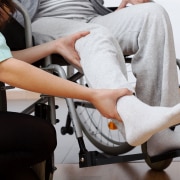
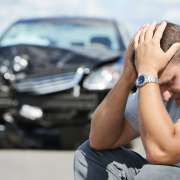
An accident may not just be brutal on your body but on your mind and emotions, too. If you’re not the one in the accident, it’s easy to focus on the physical injuries suffered by a friend or loved one. But if you’re the one involved, what may have happened to your bones or organs is just one part of the picture. You’re recovering from the emotional shock of a severe accident, too.

Trauma is anything profoundly distressing or disturbing and can be a fall down stairs, a commercial truck striking your car, or a hit-and-run accident on a local road. Not just the accident, physical shock, and injuries can be disturbing, but the ambulance ride, time in the emergency department, and surgery can be emotionally distressing as well.

Insurance claims and lawsuit recoveries aren’t limited to physical harm, pain, and discomfort. A plaintiff can also be compensated for the emotional and psychological impact the accident and injuries cause.

Emotional and Psychological Reactions to Physical Trauma

Emotional distress is a normal response to a severe accident. It can include:

  • Shock: This is a natural response to a sudden, unexpected, traumatic event, which may leave you feeling numb or detached for hours or days
  • Fear: You may fear another accident for your physical safety or the unknown. You may fear financial problems if you can’t get back to work while facing unexpected medical bills
  • Anger: You may be angry at the party causing the accident or yourself. You may second-guess yourself about not driving a different route or spending a couple more seconds looking at the stairs before you tripped
  • Guilt: If others were injured or killed, you may feel guilt for surviving or being in better shape than someone else. You may also feel guilt if you think you’re partially responsible for what happened
  • Sadness or depression: As the accident and its possible consequences sink in, you may feel overwhelmed by sadness

These feelings don’t mean you’re weak or there’s something wrong with you. But if they’re an obstacle to you having a normal, functioning life, you should get help. More serious issues include the following:

  • Post-traumatic stress disorder (PTSD): This can be a severe mental health condition that may develop after witnessing or experiencing a traumatic event. Symptoms may include flashbacks, insomnia, nightmares, and severe anxiety.
  • Anxiety: This can be general worry, panic attacks, or specific phobias related to the accident (you can’t get in a car or drive on a street where the accident happened)
  • Depression: Some survivors may suffer depression, a seemingly endless sadness or dread

You’re a unique individual, so how you respond will be based on your personality, coping skills, and the accident’s severity.

Getting Back to a Healthy, Productive Life

Recovery may take some time, so the longer you ignore your emotional challenges, the longer it will take. Here are some steps you can take to recover:

  • Get professional help: Getting professional help isn’t a sign of weakness or that you’re going insane. It just means, just as in other challenges you face, you need some help. You hired an attorney for your legal claims, you went to a dentist to clean your teeth, and you didn’t pave your driveway by yourself. The person can be a social worker, therapist, counselor, psychologist, or psychiatrist (or a combination). We can give you suggestions about who you could see, and the social workers at the hospital where you were treated may give you some names, too
  • Connect with others: Isolating yourself won’t help. Contact family, friends, or support groups to share your experiences and feelings. You’ll learn you’re not alone, and feel understood and a sense of camaraderie. Your contributions may help others, and knowing that will make you feel empowered and more positive about yourself
  • This takes time: Give yourself time to process your emotions and understand what happened. You can’t force this to happen or give yourself a timetable. Emotional recovery isn’t an instant event. You may take many steps forward, and suffer a setback, but get back on your way
  • Be active: Exercise and physical activity, as limited as it may be by your injury, can help improve your mood, anxiety, and depression. It will help you feel normal, which is something you may miss
  • Maintain the basics: Your mental recovery will benefit from a healthy body. Eat nutritious meals and snacks, get enough sleep, and manage your physical injuries. Don’t abuse alcohol or pain medications or overeat.

Emotional and psychological recovery from a serious accident is a journey. It will take time, effort, and maybe some help. But it’s a journey you can finish, and being a part of our client’s medical, emotional, and financial recovery is a big reason why we come to work every morning.

Speak To A Satterley & Kelley, PLLC Accident Injury Lawyer Today

If you’re the victim of an accident caused by a negligent party, Satterley & Kelley, PLLC attorneys can protect your interests and rights to compensation for your physical and emotional injuries. Schedule a free initial consultation so we can discuss your case. Call our Louisville office at 855-385-9532 or complete our contact form if it’s more convenient.


How Important is Witness Testimony in a Personal Injury Case?

If facts are disputed, fact and expert witnesses may make or break your case. If the parties agree on a case’s basic facts but do not agree on a case’s settlement value, witnesses may not be so critical.

What is the Role of Witnesses in a Personal Injury Claim or Lawsuit?

Witnesses can testify about relevant facts in a case. They must have first-hand knowledge of the facts but can also be asked about statements a party made concerning the case. Witnesses could:

  • Give a sworn affidavit, which is a statement made under oath
  • Testify at a deposition, which is part of the discovery process before a trial. Both parties’ attorneys can question witnesses under oath to obtain all the relevant facts about issues important to the case
  • Testify at a trial, under oath, while being questioned by attorneys for both parties in court. A judge may ask questions as well. Most cases settle, so this is the less likely scenario for witness testimony

The parties to a lawsuit can also give sworn  affidavits and testify during a deposition or trial.

These witnesses can be critical if the circumstances surrounding  an accident or how the plaintiff has been affected are disputed. The fewer connections they have to a plaintiff (they don’t know them and happen to be at the accident scene), the more credibility they have because they may be seen as having fewer reasons to be biased.

What Can Witnesses Testify About?

There are fact and expert witnesses:

  • Fact: These people saw or heard something relevant to your case and are sharing their experiences. It could involve how a person drove before an accident or your physical and mental health before and after the accident. A spouse may testify about how your injuries impacted your marriage. A treating physician can discuss your medical treatment and progress
  • Expert: These are witnesses who qualify as experts in their fields. They may be medical and mental health experts who can give opinions about your physical suffering, progress, future health, treatment, and rehabilitation you may need. A vocational expert could provide an opinion on your injuries’ impacts and how they limit your ability to work and earn money currently and in the future. An engineer may study and recreate the accident to testify about what happened, why, and who’s at fault

You, the plaintiff, and the defendant – – the party being sued – –  can also testify about the accident and how it happened. You can describe your physical, mental, and financial health prior to and after the accident.

How Important is How a Witness Testifies?

In addition to what’s said, how it’s said may also make or break your case. Some people handle being witnesses better than others. Some hate being the focus of attention. Others are calm and confident no matter who they talk to.

Each side has a story to tell. Your story will be the defendant caused the accident and your injuries. The defendant’s story may be it’s your fault, or the two of you share fault, and your injuries are exaggerated. Witnesses can be key characters in telling these stories.

Attorneys, judges, and jury members may find witnesses more or less credible. They may be nervous and change their stories. Their body language may signal  they’re not telling the truth. A witness may be so emotionally upset that they have difficulty keeping themselves together.

A defense attorney may be very aggressive (it’s our job to ensure they don’t harass or bully one of our witnesses) and try (maybe successfully) to break down the witness’ credibility. A witness must be prepared and able to adjust to this situation.

A strong case on paper may have a much lower settlement value if fact witnesses present problems and make a trial riskier.

It is also essential how an expert witness testifies. We retain people who are experts in their field and experienced communicators. Our experts write reports and testify as needed. They have experience testifying and have dealt with defense attorneys who may try to pick apart the facts they found and their opinions.

Speak To a Car Accident Attorney Today

Personal injury cases don’t just appear. Satterley & Kelley PLLC lawyers will do the necessary work to make yours as successful as possible, including identifying, choosing, preparing, and questioning your witnesses. We also ask tough questions of the defendant’s witnesses to put a positive light on your claims.

If you’re severely injured in a Kentucky accident, we are your boots on the ground. Call Satterley & Kelley PLLC to speak with a skilled personal injury attorney today. Call our Louisville office toll-free at 855-385-9532 or complete our contact form to get started.

Utility Workers Face Dangers on the Streets

Summer is a tough time for utility line workers because of high heat, summer storms, and our increasing dependence on electricity. They don’t just have concerns about job duties. They want to stay alive. Utility line workers can be the victims of negligent drivers while driving to a work site, working there, and returning home.

Utility workers not only face the dangers of electrocution, falling from heights, and back and body strains but also the risk of severe injuries and deaths caused by other drivers.

As thunderstorms become more frequent and temperatures rise, local utility workers may need to drive across Kentucky or across the country to help customers keep the lights and air conditioning on. If their work requires them to be on the sides of roads, they may also be struck by a passing vehicle, especially if it’s dark or the weather is bad.

Driving To or From a Worksite

You may be involved in an accident if you work for a utility and drive one of their vehicles. That injury can be the basis for a workers’ compensation claim. You may also be able to file a personal injury case if someone other than the company or a co-worker played a role in the accident.

That other driver may be:

  • Speeding
  • Distracted
  • Fatigued or tired
  • Impaired or intoxicated by drugs or alcohol
  • Travelling too fast for the conditions

You need not show your employer or a co-worker was negligent if they caused a workplace injury to collect workers’ compensation benefits (just the injury is job-related), but that’s the usual case when the vehicle accident happens in public (unless there’s evidence the collision was intentional).

The negligence legal theory requires that you, the plaintiff, the one filing the lawsuit, use evidence to show the following factual and legal elements:

  • There was a relationship between the two of you because you shared a road, and the defendant (the responsible party being sued) owed you a duty or legal obligation to do or refrain from doing something in the situation
  • The defendant failed their obligation or breached that duty
  • That is the factual and legal (or proximate) causes of your crash and your injuries
  • Under Kentucky law, the defendant must pay you compensation or damages for your injuries, including past and future lost income, pain, suffering, and out-of-pocket expenses

Depending on the situation, some elements may be easier or more difficult to establish.

An Accident and Injuries at a Worksite

The worksite can be on the side of a local street, a busy intersection, or a regional road with high traffic and speeds. Accidents may involve motorcycles, cars, or other trucks. Reckless, distracted, or impaired driving, topped off with poor road conditions, congested traffic, and low or poor visibility, can result in a vehicle striking a utility worker standing by the road, in or on a truck. Legal claims would also involve allegations of negligence or intentional acts.

These injuries can result in chronic, lifelong disabilities or fatal injuries. Along with the physical toll, a worker and their family may need to endure the emotional trauma of having a productive life turned upside down. Injuries in these accident cases worsen as vehicle speeds increase and if a worker falls from a far height.

Drivers should comply with traffic rules, not be distracted, maintain their vehicles, and be aware of their surroundings, including work sites along the road. Utilities should also set up safe work areas and limit traffic to decrease the risk of accidents. But these things fail to happen far too many times, including:

  • In May, a Maryland man was charged with second-degree murder after he sped around a worksite in his Jeep, striking and killing a utility worker, and fled the scene
  • A New Hampshire man was charged with manslaughter in December after he drove his vehicle into a work zone, killing a police officer and a utility worker and injuring two other utility employees. He left the scene on foot and later threatened another officer with a knife

If you’re a utility worker injured by another vehicle, Satterley & Kelley, PLLC may help you receive the compensation you deserve.

Speak To a Personal Injury Attorney Today

If you or a family member are a utility worker injured or killed by another driver, Satterley & Kelley PLLC attorneys can help you take legal action. Schedule a free initial consultation where you can discuss the case by calling our Louisville office toll-free at 855-385-9532. You may also complete our contact form if it’s more convenient.
Tips to Help You Get to Your Destination Safely

No one wants to get into an accident, and we want to help you prevent it from happening. For many years, we’ve helped the area’s car accident victims get their lives back together every day. We know the damage these accidents inflict, so take it from us: do your best to avoid being involved in one.

It’s not only common sense to prevent accidents and injuries, it’s a good idea legally. Under Kentucky’s comparative negligence law, the greater your share of the accident’s cause, the lower your compensation for your injuries. If, despite all your efforts to drive safely, you’re the victim of a negligent driver, your good driving habits should be rewarded with a larger recovery.

Here are some ideas on how you can drive safely and avoid getting into an accident.

Don’t Be a Jerk

    We’ve all seen them, and maybe we are one once in a while, but the best way to avoid an accident is not to cause one. Don’t speed, tailgate, ignore stop signs or red lights, illegally pass another vehicle, weave in and out of lanes, or drive while intoxicated. Slow down when it’s dark and driving conditions aren’t good. If you’re too tired or emotionally upset to drive safely, don’t drive.

    Another problem with being a jerk while driving is what can happen when you encounter another jerk behind the wheel – road rage. This can cause an accident with someone trying to get somewhere safely, minding their own business, who is in the way of your childish driving temper tantrum.

    Unless You’re Passing Someone, Avoid the Fast or Passing Lane

    If you’re on a state highway or interstate with at least two lanes on each side, stay out of the passing lane whenever possible. There’s a chance a jerk will drive much faster than you, approach you from behind, and the other lane may be occupied. They’ll either tailgate you or, if they’re intoxicated or asleep, rear-end you.

    If there are three or more lanes, the center allows you more “escape routes” if an accident happens on either side or in front of you. You will be better able to steer around the accident and avoid being involved with it.

    If you’re in the right lane, you’ll have to deal with vehicles getting on and off the highway. But if, for whatever reason, you’re traveling slower than the rest of the traffic, stay out of the way and keep to the right.

    Look Far Ahead

    You need to keep an eye on the vehicles immediately in front of you and to the side of you, but when possible, look ahead into the distance. You might see traffic lights changing color, a sudden traffic stoppage, or an obstacle in the roadway. You’ll have more time and distance to react to these circumstances safely.

    Beware of Blind Spots

    Side-swipe accidents are dangerous because they could lead to total vehicle control loss. If you’re going fast enough, you or the other vehicle could spin out of control or end up on its roof.  If you have a newer car, you may have a blind spot warning system. It should alert you to vehicles in your blind spot if you signal or steer into their lane.

    You should properly adjust your rearview mirrors to see as much as possible. If you don’t have a warning system, purchase small convex mirrors you can attach to your outer mirrors or replace the interior with a wide-angle rearview mirror. These don’t cost much and would be worth more than their weight in gold if they help you prevent an accident.

    Does the Vehicle Near You Look Like It’s Been in an Accident?

    If so, it may be more than bad luck. That driver may have made mistakes that caused all those dents, and they may make them again. Given the damage already done, they may not care if they cause another accident. If a vehicle is in terrible shape, something may fall off it, creating a crash risk. Stay away from these vehicles or safely and quickly pass them.

    Keep Your Vehicle Maintained

    Don’t own the car that others avoid. Stick to the manufacturer’s maintenance schedule and fix things as needed. Replace tires and brakes when they’re worn. Preventing accidents isn’t just about driving skills and avoiding mistakes. You must have a reasonably safe vehicle, or you might cause an accident.

    What are Your Vehicle’s Limits?

    How well does your car drive? Does it handle well enough for you to drive around another vehicle instead of hitting it? Can you quickly and safely pass another vehicle, or will it take a while, leaving you more exposed to a sideswipe? Is it heavy and difficult to stop? Does it have a high center of gravity, making it more likely to flip over? You must know your vehicle’s limitations and drive accordingly to drive it safely.

    Use Seat Belts

    They won’t prevent an accident, but they could save your life if you’re involved in one. Even with airbag restraints (which are designed with the assumption you’ll use seat belts), in an accident, you could be tossed around the vehicle’s interior. If you’re in a crash, not using seat belts, and ejected from your car by the accident’s force, you probably won’t survive.

    Speak To a Satterley & Kelley, PLLC Car Accident Attorney Today

    If someone else’s negligent driving causes your injury or kills a family member, Satterley & Kelley PLLC is here to help. We will be with you every step of the way, protecting your best interests and ensuring you get the compensation you deserve.

    To take advantage of a free initial consultation where you can discuss what happened and your legal rights, call our office in Louisville toll-free at 855-385-9532. You may also complete our contact form if it’s more convenient.

    Why Do Rideshare Drivers Cause Accidents?

    Rideshare drivers get into accidents, just like other drivers. But if their negligence is at least part of the cause, you may be entitled to compensation for your injuries. Recent research involved a survey of rideshare drivers and the possible causes of their accidents.

    What are Rideshare Companies?

    There are two rideshare companies in the United States — Uber and Lyft. They work through smartphone apps, though those with disabilities can call the companies to arrange rides. After downloading the app, you can seek drivers to reach your destination. You pay the driver through the app. You can rate the driver on the app to tell others about your experience, and drivers can rate you, too.

    Uber started in 2009 and, by 2022, had $31.8 billion in revenue. Worldwide that year, the company, according to Ride Share Guy:

    • Provided 64 billion trips
    • Had 131 million active monthly users
    • Had 5.4 million drivers
    • Operated in 72 countries and more than 100,000 cities

    Lyft launched in 2012 and is Uber’s main competitor. It has about a quarter of the rideshare market, while Uber has the rest.

    Who Drives for Ridesharing Companies?

    Both companies attract drivers by stating they would work for themselves (they’re not employees of these companies, but independent contractors), full or part-time. They should screen drivers before they start and take dangerous ones off their systems.

    Gridwise reports the results of a 2020 survey of 750 rideshare drivers are as follows:

    • They are mostly older than 30, with the biggest share (28%) in their 50s
    • 77% are male
    • 48% are married, and 17% are divorced
    • 63% have children
    • 62% drive full time
    • 55% have college degrees (bachelors and or graduate degrees)
    • 66% drive for Uber and Lyft

    To drive for Uber, you must pass a background check, have at least one year of driving experience, and have insurance if you drive your car. Drivers may be removed from their system for poor passenger ratings, reports of unsafe driving, or an accident.

    Is a Trip with a Rideshare Company Dangerous?

    The study, published this year in the Journal of Safety Research, found that they don’t always drive with the safest habits or under the best conditions. However, they may be a safer option than driving if:

    • You’re intoxicated or under the influence of drugs (illegal, prescription, or over-the-counter)
    • Your vehicle is unsafe to drive
    • Your physical or mental health makes you unsafe to drive

    The research is based on a survey of 277 rideshare drivers. Ninety-one, or about a third, reported being in a work-related accident. Researchers found the following risk factors for these accidents:

    • The driver is older
    • Driving ten or more trips daily
    • Driving on unfamiliar roads
    • Driving while tired

    Other issues that can increase the risk of an accident include the following:

    • Smartphone use while driving
    • Risky passenger behavior
    • The need to work longer and take more trips to earn more causes driver fatigue

    If your driver is not acting responsibly, if it’s safe, ask to be let out of the vehicle and get a ride with another driver. You can also report their driving to the company whose app you use.

    Do Rideshare Drivers Carry Enough Insurance?

    While their apps are on and drivers seek customers or drive them to their destination, each company offers passengers up to $1 million in accident insurance. Otherwise, drivers are covered by their insurance. Smart drivers will buy commercial insurance (personal vehicle coverage won’t cover you if driving is part of a job or business) with high coverage, but others may skimp on that to save money.

    One million dollars is enough to cover most accidents, though it may not if catastrophic injuries or death are involved.

    Depending on the circumstances, parties other than the driver may be partially responsible for the accident and provide additional financial recoveries. Other drivers may be at fault. Uber or Lyft may be accountable if your driver has a record of dangerous driving, but they failed to prevent them from using their system or didn’t remove them after getting unsafe driving complaints.

    Speak To a Louisville Rideshare Accident Attorney Near You

    We are your boots on the ground if you have been injured in a severe accident involving a rideshare driver in Kentucky. Call Satterley & Kelley PLLC to speak with a skilled accident injury lawyer today. Call our office in Louisville toll-free at 855-385-9532 or complete our contact form to get started.

    How Do I Prove My Pain and Suffering?

    Whether you’re dealing with an accident injury or an asbestos-related disease, you may be enduring physical pain, emotional distress, anguish, depression, or anxiety. These are all natural responses to your situation and would be considered damages that can be recovered.

    Damages are losses or harm that can be measured in dollars in an insurance claim or lawsuit. They can include concrete things like expenses or lost earnings and less tangible things like pain and suffering. Damages are critical to your case’s settlement value and what a jury could award you. Without damages, you don’t have a case.

    What is Pain and Suffering?

    In the legal context, they are the physical, psychological, and emotional distress you experience due to the injury caused by the defendant (the party being sued).

    How Do I Prove I Endured Pain and Suffering?

    You, the plaintiff, have the burden of proving your damages. An insurance company, judge, or jury won’t just take your word for it. Although pain and suffering are not concrete, that doesn’t mean you won’t have evidence and testimony to prove it.

    Medical Records

      Medical records are essential because you didn’t create them, and they should be seen as impartial. Doctors, nurses, or other medical professionals should provide detailed information about your condition and the treatment you received. Records should include tests and scans used to diagnose you, document your progress, and your description of your physical pain and emotional status.

      These records can be used by your physician and an outside medical expert who can testify that, given these types of injuries, a person would be expected to feel a given level of pain, discomfort, or anxiety. Insurance companies also use them to estimate your case’s settlement value.

      Because they’re so important, you must do your best to ensure they’re accurate. When you speak with a healthcare professional, you may feel the need to engage in happy, small talk to get a conversation started. Maybe you want your doctor to feel positive about what’s happening and avoid sounding like a whiner. What you say may be written down. You must be truthful, but the more upbeat you sound, the less likely someone reading your records will think you’re in pain. Being honest is far more important than being chatty.

      Videos

      We may hire a production company to create a “day in the life” video of a client showing how they live their lives and their challenges and limitations. These videos can be compelling and show a jury what you’re dealing with. Sometimes, clients and their families may shoot similar videos. Though they’re not very polished, they can also tell your story.

      Witness Testimony

      Your treating physician can discuss your pain and suffering based on their observations and notes. Family and friends could also discuss how they witnessed your life before and after the accident, how pain limits you, and how you’ve described it.

      Journal/Notes

      Keeping a journal of your condition, life, and emotions can be very helpful. Over time, you may forget certain incidents or issues, and notes will help you remember. However, if we use our journals, they will be read by complete strangers, so there will be a loss of privacy.

      How Might an Insurance Company Respond?

      Depending on your situation and the evidence of your pain and suffering, an insurance company may claim you’re not injured or in pain or your injury and pain aren’t as bad as you claim.

      They will have medical experts to review your records, and they may examine you. They may have the opinion you’ve been misdiagnosed, or your injury is limited, and you shouldn’t be in as much pain as you claim.

      During a deposition or testimony, the insurance company will ask you, witnesses, your physician, and medical expert questions to try to discredit your statements about your pain and anguish.

      The carrier may also use against you statements you made to others or on social media. You may discuss activities or show photos or videos of you doing things that would be difficult or impossible if you were as limited or experiencing the level of pain you claim. If you do that, you may have seriously damaged your case.

      An insurer may hire private investigators to follow you to observe your activities and how well you’re living your life. They hope to find you fully living and enjoying your life, so your claims do not appear credible.

      An important part of representing clients is preparing how an insurance company may defend a case and their tactics to try to dismiss it or limit your damages award. We thoroughly prepare our clients and witnesses so they know what to expect and respond truthfully in a way that will help the case move forward.

      Speak With A Satterley & Kelley, PLLC Attorney About Your Claim

      Our lawyers can answer your questions, address your concerns, and discuss how you may obtain compensation for your injury or illness. To learn more, contact our law offices online or by telephone toll-free at 855-385-9532. You can also visit our office in-person.

      How Can a Pre-Existing Condition Affect My Personal Injury Claim?

      If you have a chronic medical condition or suffer long-term consequences of an injury, you may face an injury caused by another party’s negligence. While this adds another issue to your case, it’s not the end of the road. You can still be compensated for the harm caused by an accident.

      Millions of Americans and Thousands of Kentuckians Have Chronic Health Problems

      About 129 million Americans, out of a population of about 327 million, have at least one chronic medical condition, according to the federal Centers for Disease Control and Prevention (CDC). They state that the southeastern US, especially Kentucky, has some of the highest rates of chronic medical conditions in the country.

      Mathematica estimates that as of 2018, 425,376 Kentucky residents aged 18 to 64 were considered disabled out of a population of 2,678,563, or almost 16% of this group. The Kentucky Department of Public Health states the following health issues are more common here than in the rest of the US:

      • Arthritis
      • Cardiovascular disease
      • Depression
      • Diabetes
      • Oral health problems
      • Obesity
      • Respiratory diseases

      If there’s an accident in the state that injures someone, there’s a good chance they have a chronic illness or are affected by a prior injury.

      How Will a Chronic Health Condition or Prior Injury Impact My Personal Injury Case?

      The impact depends on how you’re injured and how you’re affected. Your health condition or past injury may have no effect on how this new injury affects you. Your knee replacement or foot injury may have nothing to do with how a shoulder or traumatic brain injury affects your health or your ability to live your life.

      It gets more complicated when this new injury worsens or aggravates your old injury or is impacted by your chronic condition.

      If a defendant is found responsible for causing you harm, the fact that you’re more susceptible to worsening your condition doesn’t let the defendant off the hook. Damages (your harm, measured in dollars) aren’t based on what an average or “normal” person would suffer in the accident. They’re based on what you’re dealing with.

      You can be affected by more than just a worsened prior injury. Other issues concern your health before and after the accident. Your arthritis, diabetes, or obesity may make your recovery longer and more difficult. Your existing depression may worsen due to the accident and resulting injuries.

      In these situations, your damages award or settlement would be based on how the accident’s injury worsened your life, not what your recovery would’ve or should’ve been if you never had these conditions.

      What Recovery Could I Get for the Accident?

      You would be eligible for compensation for how the accident worsened your physical and mental health and ability to function. If you had a prior knee injury, and despite treatment and rehabilitation, it impacted your life. On a scale of zero (you have no pain or limitations) to ten (your knee can’t function, and you’re in extreme pain), let’s say you would rate your situation a two.

      You’re later involved in a collision with a commercial truck, which further injures your knee, making your life worse. After the accident, treatment, and rehabilitation, you rate your situation as a six. Through an insurance claim or lawsuit, your damages claim would be based on the fact your health challenges went from a two to a six, not from a zero to a six.

      How Would This Be Decided?

      In every personal injury case, we must establish a client’s health, capabilities, and quality of life before the injury. That gets a little more complicated if there’s a preexisting injury or health condition that may complicate recovery. We would use your medical records before and after the accident to show how this new injury affects you.

      Your healthcare providers could testify about your life and health before and after the accident. A medical expert may also review your medical records, examine you, and testify to their opinion.

      The other party’s insurer will also look at your medical records and may hire a medical expert. Using the prior example, the defense may argue your life before the accident:

      • Wasn’t a two. It was a six, so you don’t deserve any compensation since the accident didn’t cause any additional harm
      • Was a four, so they’re obligated to compensate you, but there is less harm to your quality of life than you claim, so they shouldn’t pay you as much as you want

      If we can’t work out a compromise and settle a case, it would be up to a jury to decide if a defendant caused your injuries and, if so, how much they should compensate you.

      Speak To a Satterley & Kelley, PLLC Car Accident Lawyer Today

      You may be compensated for your harm if you suffered an injury due to another party’s negligence. Satterley & Kelley PLLC lawyers can protect your legal rights and interests while pursuing an insurance claim or lawsuit.

      Schedule a free initial consultation to discuss your accident and injuries by calling our Louisville office at 855-385-9532. If it’s more convenient, complete our contact form.

      Facts Telling Your Accident’s Story Can Be Revealed During the Discovery Phase

      Your case will be filed in court unless your personal injury claim settles beforehand. As the process continues, it will undergo the discovery phase, in which both sides give each other different evidence. It’s a critical part of the litigation process.

      This is an opportunity to tell your story and learn about the insurance company’s defenses and the details of your case’s strengths and weaknesses. Given what parties could learn, it often leads to negotiations and settlements.

      Where Does All This Start? Court Rules

      Kentucky’s rules of evidence lay out the groundwork for what the parties must produce and what’s considered privileged so they can keep to themselves. That includes the following:

      • Rule 402: “All relevant evidence is admissible, except as otherwise provided by the Constitutions of the United States and the Commonwealth of Kentucky, by Acts of the General Assembly of the Commonwealth of Kentucky, by these rules, or by other rules adopted by the Supreme Court of Kentucky. Evidence which is not relevant is not admissible.”
      • Rule 401: ‘”Relevant evidence” means evidence having any tendency to make the existence of any fact that is of consequence to the determination of the action more probable or less probable than it would be without the evidence.’
      • Rule 403: “Although relevant, evidence may be excluded if its probative value is substantially outweighed by the danger of undue prejudice, confusion of the issues, or misleading the jury, or by considerations of undue delay, or needless presentation of cumulative evidence.”

      There are many other reasons to exclude evidence, including it’s privileged by the fact:

      • A party created a document while anticipating or preparing for litigation
      • Evidence involves discussions between an attorney and their client about the case or something relevant to it

      Whether something is relevant and admissible in court is only the start for facts or material sought in discovery, according to Kentucky court rules:

      “Parties may obtain discovery regarding any matter, not privileged, which is relevant to the subject matter involved in the pending action, whether it relates to the claim or defense of the party seeking discovery or to the claim or defense of any other party, including the existence, description, nature, custody, condition and location of any books, documents, or other tangible things and the identity and location of persons having knowledge of any discoverable matter. It is not ground for objection that the information sought will be inadmissible at the trial if the information sought appears reasonably calculated to lead to the discovery of admissible evidence.”

      State court rules spell out the discovery methods available to clients and their attorneys:

      • Depositions: Fact and expert witnesses are put under oath and asked questions by both parties’ attorneys
      • Written interrogatories: Written questions
      • Production of documents or things: The parties can be asked to provide documents (on paper or stored electronically), objects, information, and data
      • Permission to enter upon land or other property for inspection and other purposes: If something important occurred at a particular private property, the parties can ask to go there, inspect it, take measurements, or do other things helpful to their investigation or case
      • Physical and mental examinations: If a person’s psychological or physical situation is an issue, a party could be subject to an examination by the other side’s expert
      • Requests for admission: This asks a party to admit or deny a series of statements. They can help narrow down disputed issues and may force a party to admit something damaging to their case

      As you can see, both parties have a lot to work with.

      What are the Limits on Discovery Requests?

      There are limits to what a party can ask of or seek from the other beyond privilege protections. Discovery is to shed light on a case, not harass or trick someone into mistakenly stating or admitting something harmful. Some grounds to object to a discovery request include that it’s the following:

      • Repetitive
      • Argumentative
      • Seeks speculation by the party
      • In many parts and difficult to understand
      • Irrelevant or overly broad
      • Seeking a legal conclusion
      • Vague or ambiguous
      • Unduly burdensome
      • Seeking documents or information in the other party’s possession

      One side may want as much information as possible to help build the case or defenses, while the other party wants to narrow the scope so it’s easier to respond to and less likely to produce something damaging. If not worked out amongst the attorneys, discovery objections can be decided by the case’s judge.

      Speak To A Satterley & Kelley, PLLC Personal Injury Attorney Today

      Discovery is a set of tools that help us build up your case and try to tear down the insurance company’s defenses. Thanks to our many years of representing injured clients like you, we use these tools to the greatest extent possible.

      If someone else’s negligence caused injuries to you or a loved one, Satterley & Kelley PLLC lawyers can protect your interests and legal rights to compensation.

      Schedule a free initial consultation by calling our Louisville office at 855-385-9532 so we can discuss your situation. If it’s more convenient, complete our online contact form instead.

      Accident Liability at Large Public Events: Who is Responsible?

      Key Takeaways:

      • Large public events can become dangerous when traffic and pedestrian safety are not properly planned.
      • Event organizers may be held liable if unsafe conditions lead to injuries or death.
      • Personal injury claims often depend on proving negligence and failure to provide reasonable safety measures.

      Large events can bring thousands of people into areas that are not designed to handle heavy traffic or increased pedestrian activity. Without proper planning, crowd control, and safety measures, these situations can quickly become dangerous.

      Serious injuries, including fatalities, can occur when organizers fail to take reasonable steps to prevent attendees and others passing through the area.

      Who is Liable for Accidents at Large Events?

      Large public events often involve multiple parties, including:

      • Event organizers
      • Property owners
      • Vendors
      • Transportation providers
      • City, state, and local governments

      When safety planning is not handled properly, any one or combination of these parties may be held responsible for injuries that occur.

      When Event Organizers Are Responsible for Injuries

      Event organizers must take reasonable steps to control traffic, manage crowds, and provide safe access for pedestrians.

      Personal injury cases are built on the negligence legal theory. Individual claims are based on the facts of the situation. To have a successful case, you, the plaintiff (the injured party filing the complaint), must show that it’s more likely than not that:

      • Due to the relationship between you and the defendant (the party sued), they owed you a legal obligation or duty to do or not do something given the situation
      • The defendant breached that duty or failed that obligation
      • That breach or failure is the legal (or proximate) and factual cause of the accident
      • The accident caused you harm
      • Under Kentucky law, the defendant must pay you damages (a measurement of your injury in dollars)

      These same legal principles often apply when accidents happen at events. So if you can prove negligence, then the event organizer can be held liable for injuries.

      Types of Events Where Serious Accidents Can Happen

      Someone can be injured or killed at any event. But in terms of large, public events, these incidents typically occur during:

      • Sporting events
      • Festivals and fairs
      • Concerts
      • Conventions and trade shows
      • Large private events open to the public

      Any large event that brings heavy traffic to an area not designed for large crowds has an increased risk of someone getting hurt.

      Example of a Serious Accident at a Large Public Event

      A pedestrian was killed during a Professional Golf Association (PGA) tournament in Louisville. Large events and lots of people crossing roads not designed for pedestrians can result in severe injuries and, in this case, a fatality. Without proper planning and management of vehicles and people, it’s just a matter of time before there’s a serious accident.

      Louisville police reported that a pedestrian crossing Shelbyville Road on the morning of May 17, 2024 near the Valhalla Golf Club was struck and killed by a shuttle bus, according to Golfweek. The victim was described as an employee of one of the PGA Championship vendors.

      Most of us have never been to that area, let alone inside a golf club as nice as this one. But at some point, we’ve been a part of a big event, maybe a football game or fair, where pedestrians get to where they want to go, and there’s too much traffic to be sanely managed by the few law enforcement officers or volunteers present. Maybe there are crosswalks and stoplights, maybe not.

      Why Accidents at Large Events Can Be Preventable

      Shortly after the accident, one of the players was arrested after apparently striking an officer trying to control traffic. As Louisville resident Pat Forde of Sports Illustrated points out, that shouldn’t be the day’s big story. It’s the fact that someone trying to get to work was killed in a traffic accident, one that Forde thinks was just a matter of time.

      “The building blocks of a tragedy have been in place for a long time at Valhalla Golf Club. This is a logistically difficult setup for entry and exit, with people always searching for a workaround to avoid long delays and difficult commutes. Trouble has been avoided for decades, but the potential was always there.

      Poor Planning and Heavy Traffic Create Dangerous Conditions

      There is a lot of foot traffic into and out of Valhalla during major competitions, and no safe passage for those pedestrians along a crowded thoroughfare. It’s become a traditional sight: fans (and even workers) on foot along Shelbyville Road, which has two lanes each of eastbound and westbound traffic and a center turn lane.

      There is only one way in and out. And there are no sidewalks and no crosswalks in the vicinity of Valhalla. But that doesn’t stop people from finding parking spots at nearby businesses or adjacent neighborhoods and walking to and from the course that sits on the north side of the road.

      Over the years, parking has progressively become harder to come by on or near the property.

      Most fans park at the Kentucky Fair & Exposition Center some 18 miles away and are shuttled in. The media rides shuttle buses from about eight miles away. As such, the bus traffic on Shelbyville has been heavy all week and delays have been considerable.

      Combining that traffic with the number of people on foot in an area not suited for pedestrians, and what happened Friday is not completely shocking…

      In the Show Must Go On haste of a major championship, the availability of the No. 1 golfer in the world to play the second round of a tournament somehow became the most important part of a sad and terrible morning. A man was dead, an arrest was made…and people were worried about a tee time.”

      The tournament, which was held at a golf club in New York last year, was expected to draw about 225,000 spectators, according to WXXI.

      Speak To a Satterley & Kelley Personal Injury Lawyer Today

      If you’re a pedestrian struck and injured by a vehicle, Satterley & Kelley, PLLC lawyers, can protect your interests and legal rights to compensation for your harm.

      Call our Louisville office at 502-589-5600 or toll-free at 855-385-9532 to schedule a free initial consultation. You can also contact us online to reach a Satterley & Kelley PLLC lawyer.

      Are Parents Responsible for Injuries Caused by Their Children?

      If you’re injured in an accident caused by a minor, their parents may be at fault.

      To ensure maximum compensation, it’s in your best interest to speak with a local car accident attorney ASAP before you accept any settlements from the insurance company.

      Key Takeways:

      • Parents may be held liable for damages and injuries caused by their children in a car accident.
      • Laws vary by state and the circumstances of the crash.
      • In Kentucky, injured parties can sue the parents of a driver under state statutes and common law.
      • Seeking compensation from parents can result in higher payouts.

      Parents Have Statutory Responsibility for Minor Children in Kentucky

      In Kentucky, the statutory section of KRS 186.590(1) clearly states that:

      Any negligence of a minor under the age of eighteen (18) who has been licensed upon an application signed…when driving any motor vehicle upon a highway, shall be imputed to the person who signed the application, if required, of the minor for the license. That person shall be jointly and severally liable with the minor for any damages caused by the negligence.

      Joint and several liability means that if there is more than one defendant, a successful plaintiff can seek payment from one or both by any amount they see fit.

      The next part of the statute gives an exception when the minor, to get a license, shows proof of financial responsibility, then the parent isn’t liable. A parent (or any vehicle owner involved) could also be held liable under the third part of the statute, which states:

      Every motor vehicle owner who causes or knowingly permits a minor under the age of eighteen (18) to drive the vehicle upon a highway, and any person who gives or furnishes a motor vehicle to the minor shall be jointly and severally liable with the minor for damage caused by the negligence of the minor in driving the vehicle.

      Under the statute, as long as you can show the minor negligently drove, the parents who signed for his license and or provided the vehicle may need to compensate you for the harm you suffered in an accident.

      Parents May Also Be Liable Under Common Law – Negligent Supervision

      If the statutes fail to provide an avenue for recovery, another option is common law. These cases fall under what’s called “negligent supervision,” which is based on the fact a parent must exercise reasonable care to ensure their minor child doesn’t intentionally harm another or create an unreasonable risk of bodily harm to another. Liability can occur if, failing to exercise that due care, the parents make it possible and probable the child will injure someone else.

      The plaintiff (you, the injured party) needs to prove the following:

      • A duty or obligation by the defendant
      • That duty is breached
      • An injury is caused
      • The breach is the factual and legal (or proximate) cause of the injury
      • Kentucky law obligates the parents to compensate you for the harm you suffered

      The parent must exercise reasonable care to control their minor child to prevent them from intentionally harming others or creating an unreasonable risk of bodily harm to others if the parent:

      • Knows or has reason to know they can control the child
      • Knows or should know of the need and opportunity to exercise that control

      The parent’s duty to control a minor child is based on the foreseeability of the child’s dangerous conduct. The child need not have done the same thing before. The duty to control the child may arise when:

      • The child previously committed a very similar act
      • Some circumstances make it foreseeable that the child might later commit the same act again

      Parents are not required to see the future. They can’t be liable if the child hadn’t shown the behavior in question in the past, or if they had, the parents were unaware of it and should not have been aware of it.

      Under the statute, if the parents signed for the minor’s license and or provided the vehicle, the plaintiff need only show the minor driver negligently caused the accident. With a common law claim, you’d need to show the minor driver’s and the parent’s negligence in providing the vehicle.

      Why Holding the Parents Responsible Can Impact Your Settlement Claim

      When you’re injured in a car accident, you can sue the at-fault party for damages. If the injuries are caused by a minor, their insurance may be more limited compared to going after their parents directly.

      Suing the parents for negligence means you can potentially go beyond the auto insurance policy of the driver.

      There may be additional compensation if the parents have a personal umbrella policy, which likely extends to their minor children.

      Speak To a Satterley & Kelley, PLLC Vehicle Accident Injury Lawyer Today

      If you’re the victim of an accident caused by a minor driver, Satterley & Kelley PLLC lawyers can protect your interests and rights to compensation for your injuries and losses.

      Schedule a free initial consultation so we can discuss your case. Call our Louisville office at 855-385-9532, locally at 502-589-5600, or complete our contact form online.

      FAQs

      Are parents liable for children’s car accidents?

      Yes, parents can potentially be held liable for car accidents caused by their children.

      Are parents responsible for bodily injuries caused by their children?

      Yes, in addition to property damage from an automobile accident, parents can also be held liable for injuries caused by their children. This can include medical bills, surgeries, rehabilitation, pain and suffering, and more.

      Are parents liable if their adult children are in a car accident?

      Generally, parents are not liable for car accidents caused by their adult children. But a parent may be included on a claim if they own the vehicle, co-own the title, or insure the vehicle.

      Are parents responsible for car accidents caused by their child who doesn’t have a license?

      Yes, parents are typically liable if an unlicensed teenager causes a car accident. Especially if they own the vehicle or facilitated the teen’s driving.

      Can you sue a minor for a car accident?

      Yes, if you were in a car accident with a minor, you can sue them for damages. All drivers in Kentucky are responsible for their actions on the road, regardless of their age. But since minors often don’t have many assets, it’s common for claims to be pursued against their parents or their family’s auto insurance policy.e can discuss your case. Call our Louisville office at 855-385-9532 or complete ourcontact form if it’s more convenient.