
Empowering Mesothelioma Patients: Understanding the Patient Bill of Rights

Navigating mesothelioma can be completely overwhelming, and it’s easy for patients and their loved ones to feel lost in unfamiliar territory. One important way to gain clarity and a sense of empowerment is to understand your rights as a mesothelioma patient.

Mesothelioma patients are protected by something called the Patient Bill of Rights, a set of guidelines agreed upon by the medical community to ensure that all patients—including mesothelioma patients—get the respectful, comprehensive, informed, and consensual care that they deserve.

In this article, we’ll explore the Patient Bill of Rights as they pertain to mesothelioma patients. These guidelines exist to protect and empower patients throughout their mesothelioma journey, ensuring that they have access the information and consideration they need in order to feel confident in their care. It’s important for mesothelioma patients to know their rights so that they can advocate for themselves.

What is the Patient Bill of Rights?

The Patient Bill of Rights are a set of guidelines clearly stating and protecting the ethical treatment to which every patient is entitled. They were first adopted by the American Hospital Association (AHA) in 1973, and revised in 1992. These guidelines are based on the foundational belief that patients have inherent rights, and that medical professionals are expected to uphold and respect those rights. They give both patients and doctors a sense of the standard of care due to patients, highlighting a patient’s right to participate in medical decisions made during their treatment or care.

Individual hospitals, cancer care centers, or practitioners may have their own variations on the Patient Bill of Rights, and may add additional rights beyond these basic standards.

The Mesothelioma Patient Bill of Rights: A Basic Rundown

According to the AHA, mesothelioma patients are entitled to the following from their healthcare providers:

  1. Considerate, respectful care. Mesothelioma patients have the right to be treated with respect, consideration, and personal dignity at all times, including respect for their cultural, spiritual, and personal values, and their related beliefs and preferences. This also includes the right to receive treatment in a safe, clean environment free of abuse or neglect, without any excessive physical restraint, isolation, or over-medication.
  2. Information about your condition and treatment. Mesothelioma patients have the right to receive relevant, understandable information about their mesothelioma diagnosis, treatment, and prognosis. Your healthcare provider should encourage you to seek information, and should not shut you down or discourage you from seeking clarifications or second opinions.
  3. Answers to questions about specific treatments. Mesothelioma patients have the right to discuss and ask questions about specific procedures or treatments, including but not limited to potential risks, recovery, and any medically reasonable or available alternatives (along with comparative risks and benefits).
  4. Knowledge about who is caring for you. Mesothelioma patients have the right to know who is involved in their care, including physicians, nurses, and any other healthcare professionals. This includes knowing if anyone involved in their care are students, residents, or other trainees.
  5. Knowledge about the financial impact of your care. Mesothelioma patients have the right to know the potential immediate and long-term financial significance of treatment choices.
  6. The ability to make decisions about your care, and to change your mind. Mesothelioma patients have the right to make decisions about their plan of care, both before and during the course of treatment.
  7. The ability to refuse a recommended treatment or plan of care: In almost all cases, mesothelioma patients have the right to refuse a proposed treatment or care plan. This includes the right to information about the medical consequences of refusal, and the right to continued care and services (or transfer to another hospital or provider)
  8. The right to full information about advance directives, and the right to have those advance directives followed. Mesothelioma patients have the right to be told about advance directives, legal documents stating their medical wishes in case they become unable to do so themselves. Once presented, advance directives should be followed. If there are any issues that might prevent an advance directive from being followed, the patient must be informed.
  9. The right to privacy. Mesothelioma patients have the right to privacy about their care, and to expect that any related information, communications, or records are considered confidential and protected.
  10.  The right to view their own patient files and to have those files explained to them. Mesothelioma patients have the right to access their own medical records, and to have that information explained or interpreted as necessary.
  11.  The right to reasonable, timely responses to requests for appropriate and medically indicated care and services. If a mesothelioma requests a medically appropriate service or form of care, they have a right to have those requests responded to as soon as possible, within their provider’s capacity and in accordance with the urgency of a case.
  12. The right to transfer to another healthcare provider. Whenever medically possible, mesothelioma patients have the right to transfer to another healthcare facility or provider, once accepted for transfer by the new facility or provider. They also have the right to be informed about any potential risks or benefits that may come from such a transfer.
  13. The right to transparency about business relationships between a healthcare provider and any third party that may influence the patient’s care. If a healthcare provider or facility has business relationships with a third party that may impact a mesothelioma patient’s care in any way, the patient has the right to information about those relationships truthfully and transparently.
  14. The right to full information about research studies, including the right to decline participation: In some cases, healthcare providers may seek to include mesothelioma patients in research studies, data gathering, or clinical trials. Mesothelioma patients have the right to be fully informed about any participation, including the right to refuse. If they do decline, mesothelioma patients have the right to the same level of continued treatment and care.
  15. The right to reasonable continuity of care: Mesothelioma patients have the right to “continuity of care”, which means care by the same providers or facilities whenever possible or appropriate. If a provider or facility is no longer available or appropriate, mesothelioma patients must be informed of realistic, accessible alternative care options available to them.
  16. The right to information about healthcare providers’ policies related to care, treatment, and patients’ rights, including their grievance process: Mesothelioma patients have the right to receive full information about each provider and facility’s policies regarding the patient bill of rights, as well as any additional rights and responsibilities relating to their care and treatment. They also have the right to full information about a provider/facility’s grievance process and conflict resolution protocols (for example, ethics committees), as well as access to any patient representatives, social workers, or advocates available to them throughout these processes.

Are you or a loved one looking for more information about mesothelioma? Call (855) 385-9532 to learn more.

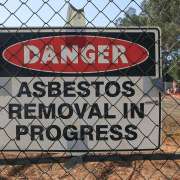
Demolition Contractor Accused of Knowingly Exposing Workers to Asbestos

The history of asbestos is filled with companies knowingly poisoning people with asbestos so they could make money. Although the dangers of asbestos have been documented for more than a century, and its use largely stopped more than 40 years ago, some companies continue to happily pocket money if that means causing fatal illnesses.

The latest example is accusations against KLF Enterprises, a Chicago-based demolition business, and three other companies that worked on the remains of a closed Waukegan, Illinois, hospital.

Asbestos On-Site, But No Warnings or Protective Equipment

An investigation by the U.S. Department of Labor’s Occupational Safety and Health Administration (OSHA) found 36 violations in the demolition of the former hospital, resulting in “serious dangers” of asbestos, reports the Lake & McHenry County Scanner. The agency seeks $392,002 in penalties.

In November, OSHA employees saw KLF workers not wearing protective equipment while they worked around piles of debris and steel beams during the demolition of the eight-story structure. OSHA found they were disturbing and removing asbestos-containing fireproofing on the beams. The work should’ve been safely done in a contained manner while the building was still intact.

KLF, a subcontractor at the site, didn’t stop work or require employees to take precautions and use accepted control measures to protect themselves and others after the material was found.

OSHA Claims KLF Knew Asbestos Was in the Building But Didn’t Tell Others or Protect Workers

OSHA states that KLF had a 2019 building survey stating extensive use of asbestos fireproofing on structural beams, but it didn’t inform employees of the health hazards of uncontrolled exposure. KLF also didn’t tell the site’s general contractor or owner about the asbestos. The insulation and fireproofing contained up to 15% chrysotile asbestos.

OSHA cited KLF for its failure to comply with its asbestos regulations, including failing to do the following:

  • Notifying employees and other contractors of the presence of asbestos-containing material
  • Require employees to wear protective equipment
  • Train employees to recognize and avoid unsafe conditions
  • Provide medical surveillance of employees for asbestos, silica, and lead exposures
  • Safely handle asbestos, silica, and lead materials and waste

Non-asbestos safety violations are also alleged.

Others Accused of Federal Safety Violations

OSHA claims other companies engaged in dangerous practices involving asbestos-containing material, including:

  • Reed Illinois Construction, the general contractor, for not ensuring KLF met federal safety and health standards for asbestos and for failing to actively inspect the site for safety hazards
  • V Covington LLC for its failure to ensure KLF and another subcontractor, Alliance Environmental Control Inc., complied with federal asbestos rules
  • Alliance Environmental Control Inc. for creating asbestos hazards by not removing asbestos, including the fireproofing insulation

Proposed fines for these companies range from $32,262 to $6,452.

Call Us Today For A Free Consultation

If you have mesothelioma or another asbestos-related illness, you may be entitled to compensation. To discuss your situation and how Satterley & Kelley, PLLC can help, call our Louisville office toll-free at 855-385-9532. You may also complete our contact form for a free initial consultation.

New Study Finds Connection Between Baby Powder Use and Ovarian Cancer

Research published in May supports the claims of women suing Johnson & Johnson (J&J), who allege their use of the company’s asbestos-contaminated baby powder leads to the development of cancer. Though the company denies it’s responsible, they have offered billions of dollars to settle these lawsuits.

The analysis was done by National Institutes of Health researchers and published in the Journal of Clinical Oncology. They found the use by women of talc powder on their genitals was associated with the development of ovarian cancer. Researchers state the association was stronger when powder use was more frequent and for longer periods, reports NBC News.

Study Finds Ovarian Cancer More Likely If Talcum Powder Used

Researchers used survey data from the Sister Study, which involved more than 50,000 women from 2003 to 2009. Participants joined when they were from 35 to 74 years old. Each had a sister diagnosed with breast cancer, which could increase their risk for breast or ovarian cancer.

They were asked how often they used talc powder on their genitals when they were 10 to 13 years old and in the year before joining the study. A follow-up survey asked about their lifetime talcum powder use. Researchers estimate that up to 56% of the participants used talc powder on their genitals at some point in their lives.

The analysis doesn’t prove talcum powder causes ovarian cancer, and it doesn’t identify a brand or chemical creating the association. It states that the longer and more frequent the use of baby powder, the likelihood of ovarian cancer increases.

Scientific Tug of War in the Courtroom

The burden is on the plaintiffs to prove that it’s more likely than not that the baby powder caused ovarian cancer. Both sides point to studies claiming there is, and isn’t, a link between the two. Without making the case that there is a link, plaintiffs’ cases will be dismissed. The defense may use research published in 2020 that found no statistically significant association.

Plaintiffs may point out the study wasn’t designed to detect small changes in risk since it didn’t include questions to women about their lifetime powder use or consider those involved in surveys might not correctly remember their past habits. The most recent study covers those issues.

Hanging over J&J is evidence from a 2018 Reuters investigation stating the company was aware some of its baby powder was contaminated with asbestos as early as the 1970s. J&J denies asbestos, which is known to cause several cancers, was ever in its products.

More Than 50,000 Lawsuits Filed Against J&J

Legal claims started in 1999 when a plaintiff alleged her lifetime use of talc contaminated with asbestos caused her mesothelioma. A similar lawsuit started ten years later.

Since then, about 50,000 claims covering ovarian cancer and mesothelioma have been filed against J&J. Most of the lawsuits are pending  in a single federal court  in New Jersey. A trial is scheduled for December.

J&J claims its talc products are safe and denies they ever contained asbestos (its baby powder now contains corn starch instead of talc). The company’s defenses include that studies don’t show a credible link between using its product and ovarian cancer.

Last year, J&J offered $8.9 billion to settle these cases, and that dropped to nearly $6.5 billion this year, but there are strings attached. At least 75% of the plaintiffs have to agree, and cases would need to come under a bankruptcy court’s jurisdiction.  

J&J has failed twice to resolve these lawsuits in a New Jersey federal bankruptcy court. In 2021, the company set up a subsidiary that would assume liability for talc-related lawsuits and fund them. But bankruptcy protection is for businesses in financial distress, and courts have ruled that’s not the case. The subsidiary is a corporate “fall guy” created to shield a profitable company from liability.

Call Us Today For A Free Consultation

If you’re diagnosed with an asbestos-related condition, you may be entitled to compensation. Satterley & Kelley, PLLC attorneys are your boots on the ground if you or a family member in Kentucky has mesothelioma or another asbestos-related disease. Call our Louisville office at 855-385-9532 or use our contact form to schedule a free initial consultation.

Gene Mutation + Asbestos = Mesothelioma

Recent research shows that even with minimal asbestos exposure, peritoneal mesothelioma may develop if the person has a specific gene mutation associated with cancer development.

Researchers at Fox Chase Cancer Center in Philadelphia, Pennsylvania, have shown that mice with a BAP1 gene mutation with minimal exposure to chrysotile asbestos are much more susceptible to malignant mesothelioma. Results were presented at the American Association for Cancer Research Annual Meeting in April.

What is a Gene?

Genes are the biological blueprints for the chemical processes that keeps cells, and people, alive. They contain information that leads to the creation of every part of our bodies. If a gene becomes mutated, cells become abnormal, and they may harm instead of help us. Gene mutations, for example, can lead to cancer development.

What’s a BAP1 Gene?

Some of us inherit a genetic mutation, which increases our chances of developing cancer. These changes mostly boost the risk slightly, according to GenoMEL, but there are inherited genetic mutations that increase those chances considerably.

These are called “high risk” genes. They include the BRACA 1 and 2 genes, which increase the risk of breast and ovarian cancers. BAP1is another, and it’s been found to boost the chances of cancers of the skin, eyes, kidneys, and mesothelium (where mesothelioma develops in the tissue in the chest, abdomen, and the outer surface of internal organs).

What Does the Research Show?

Chrysotile is a type of asbestos, and it’s been debated whether it can cause mesothelioma or lung cancer. Chrysotile is about 95% of the asbestos used commercially. Researchers wanted to know if low levels of chrysotile and crocidolite (another, more toxic asbestos type) could cause mesothelioma in normal mice or those with an inherited BAP1 gene mutation.

Over four years, researchers examined whether mice with the BAP1 mutation developed mesothelioma more often than normal mice. They learned that no matter the level of asbestos exposure, mice with a BAP1 mutation develop mesothelioma more frequently than normal mice. The findings indicate that those with the BAP1 mutation are highly susceptible to the cancer-causing effects of asbestos, even when minimal amounts of asbestos are involved.

Researchers also found that inflammation started by asbestos, especially chrysotile, in BAP-1 mutant mice, on a cellular level results in an environment where a normal immune response to destroy a tumor is suppressed, making it easier for tumors to develop. This information may help develop ways to boost the immune system’s response to help kill mesothelioma cells.

Contact Satterley & Kelley, PLLC Today for A Free Attorney Consultation

If you or a loved one has mesothelioma or another asbestos-related illness, our team can fight for your right to compensation and give you the attentive service you deserve. Call us toll-free at 855-385-9532 or complete our contact form to schedule your free consultation.

Mesothelioma Days of Awareness and Remembrance: How to Get Involved

Mesothelioma patients and their loved ones can find themselves feeling alone, like no one else can understand or truly recognize their struggle. However, this is not the case: in fact, there is a strong, international community of mesothelioma patients, survivors, loved ones, researchers, and advocates who dedicate themselves to outreach about mesothelioma, solidarity-building among those affected, and remembrance of those who have passed. These groups also support mesothelioma research and an asbestos ban, working toward the larger aim of a mesothelioma-free world.

One way to connect with those communities and their efforts is by learning about and participating in mesothelioma days of remembrance, as well as related advocacy and awareness events. Throughout the year, different anti-asbestos and mesothelioma advocacy groups have events spanning days, weeks, and even months, supporting patients and their families and spreading awareness about this deadly—and preventable—disease.

In this article, we’ll explore several different mesothelioma advocacy and remembrance events, honoring the strength and resilience of mesothelioma patients and their loved ones while aiming to eradicate mesothelioma once and for all.

What are some of the main mesothelioma advocacy and remembrance events?

Mesothelioma Awareness Day (MAD)

When is it? September 26th

What is it? Mesothelioma Awareness Day was originally established in 2004, and was recognized by Congress in 2010. Today, it is a major mobilizer for mesothelioma awareness, raising the profile on mesothelioma while raising funds for research. It is also a day for the mesothelioma community to come together and celebrate mesothelioma patients and survivors, and to honor mesothelioma patients who have passed away.

National Asbestos Awareness Week (NAAW)

When is it? The first week in April (April 1-7).

What is it? Also known as Global Asbestos Awareness Week, this event has been held internationally since 2005. The U.S. version, called National Asbestos Awareness Week (NAAW), was recognized by Congress in 2024.

NAAW consists of events throughout the first week in April to raise awareness about the risks of asbestos exposure and to advocate for a total asbestos ban. It also includes a multiday advocacy and education seminar called the International Asbestos Awareness Conference, which centers on advocacy and support for those with asbestos-related diseases (including mesothelioma), as well as anti-asbestos lobbying. The conference includes webinars, so you can participate in remotely if you are unable to attend in person.

Mesothelioma Warrior Candle Lighting

When is it? December 28th (for those who have passed); January 4th (for those currently fighting mesothelioma)

What is it? This two-partevent is a worldwide candle-lighting ceremony for mesothelioma warriors and their loved ones. It allows the mesothelioma community to honor, remember, and pay respect to those who fought or are still fighting mesothelioma.

The first night of candle-lighting, on December 28th, caps off the year with a communal space to honor and remember those who have lost their lives to mesothelioma. The second night, on January 4th, offers a fresh start to the coming year for those who are currently fighting mesothelioma, to show solidarity and support for their continued strength and courage.

The Mesothelioma Warrior Candle Lighting tradition was originally started in 2000 by Jill Vaughn, who herself was a mesothelioma warrior. For over 20 years, this tradition has brought hope and solidarity to the mesothelioma community, honored the memory of those we have lost, and provided support to those who continue fighting.

To participate, light a candle for yourself or for the person in your life affected by mesothelioma. You can also request to be included on the annual list of mesothelioma warriors.

International Symposium on Malignant Mesothelioma:

When is it? October 17th-18th

What is it? Since 2004, this multiday conference on malignant mesothelioma, it has provided a space for patients, families, caregivers, specialists, researchers, and experts to discuss the latest cutting-edge treatment options and new innovations in care for those with malignant mesothelioma.

This symposium is a unique opportunity for patients and their loved ones to ask questions directly to the world’s foremost mesothelioma experts, and to learn about innovations in treatment and care that could drastically improve prognosis and quality of life. It is also a great opportunity to connect with providers and specialists and to seek out clinical trials. Finally, the symposium provides an essential opportunity for mesothelioma patients and their loved ones to gather with other people who have gone through what they are going through, which can make all the difference in battling the loneliness and alienation many mesothelioma patients and their loved ones experience.

The next symposium is scheduled for October 17-18, 2024 in Chicago, IL, but the location and exact date changes each year. The symposium also has remote participation options if you are unable to attend in person.

How Can I Participate in Mesothelioma Awareness and Advocacy?

There are many ways to participate in mesothelioma awareness and advocacy, as mentioned above. These include:

  • Attending events: Both Mesothelioma Awareness Day and Asbestos Awareness Week have many associated events each year, including fundraisers like Miles4Meso, Kayaking for Meso, and the John Slagle Memorial Golf Tournament. Look online to find mesothelioma awareness events closest to you. You can also attend conferences (whether remotely or in person), and participate in Mesothelioma Warrior candle lighting.
  • Organizing and leading your own event: If there are no events nearby, you can organize and lead your own event. Network with others in the mesothelioma community and speak to your local town or city authorities about putting up your own Mesothelioma Awareness Day event.
  • Wearing blue: The official color of Mesothelioma Awareness is blue. Participate by wearing a blue wristband, a blue ribbon, or blue clothing, or by raising a blue flag if you have a flagpole. Take the opportunity to start conversations with people you encounter to bring more awareness to mesothelioma and asbestos exposure.
  • Engaging on social media: If you’re not able to participate in person, you can always engage online and through social media to promote national and global mesothelioma awareness. Put a blue square or related filter on your profile pictures, or use hashtags like #MesotheliomaAwarenessDay to tell people about the dangers of asbestos and the harsh realities of living with mesothelioma. This sort of advocacy can be something you do year-round, not just on specific days.
  • Contacting your representatives. Use your voice and urge your political representatives to support a total asbestos ban, increased resources for mesothelioma patients and their families, or any other mesothelioma-related advocacy. You can call, write, or email, and can even host a letter writing campaign in your community.
  • Donating money or fundraising. While it’s not necessary to spend money in order to advocate for mesothelioma, one way to help is by donating to a mesothelioma research organization, advocacy group, or support fund for patients and their families. You can also rally members of your community to donate to the cause.
  • Telling your story and educating others in your community. Whether or not you have been personally affected by mesothelioma, you can share important facts about asbestos exposure and mesothelioma in your community. If you or a loved one has been personally affected by mesothelioma, tell your story. Your voice is important and adds dimension to the human toll of mesothelioma, making the need for a mesothelioma-free world all the more urgent and real.

Are you looking for more information about mesothelioma and how to advocate for your rights? Call (855) 385-9532 to learn more.

Why Do Houses Explode?

House explosions can kill and injure those inside and outside the structure. What happened is unique in each case, but investigators often follow the same approach to develop a cause. Without knowing the cause, it’s difficult to start legal claims over who’s responsible.

A Cleveland Plains Dealer article about a January 2016 house explosion southeast of Cleveland illustrates the issues investigators face.

Suburban Home Explodes

The home was where Cynthia and Jeffrey Mather lived with their two daughters. Dispatchers got a call about an explosion, and firefighters got to the scene less than ten minutes later. The roof on the 2,400-square-foot house was missing. The house was engulfed in fire, and all the members of the Mather family were dead.

From 2007 to 2011, about 51,600 fires started with the ignition of flammable gas. One fire investigator, Richard Meier, claimed to have seen houses blown to pieces the size of toothpicks.

Meier worked for a private investigative agency hired by the local fire department to determine the cause of the explosion and fire. He recently worked on cases involving exploding houses in Detroit, similar to the one at the Mather home.

Most Explosions are Caused by Natural Gas or Propane

Most of them start with fuel gas, such as propane or natural gas. If it leaks into a house, the gas may build up. How quickly that happens varies, but after the air and fuel mixture reaches a certain point, a small spark can ignite the gas and cause the explosion. The energy needed to set off the explosion could come from any electric source and can be one-sixteenth of the energy of a lit cigarette lighter.

Investigators will look at burn patterns to see the location of the ignition source, but where the fuel came from is more important. They also try to determine how much fuel was in the house by looking at the fire pattern.

If there was a lot of gas in the air, there may be more than one explosion. As windows and walls collapse, there’s a burst of additional air, reigniting remaining fuel. If the ratio of air to fuel is about even, the explosion may completely destroy a structure in one blast. When investigators understand how much gas was involved, they can estimate when the leak started.

A fire following an explosion can destroy critical evidence of the cause. The damage may hide a leaky gas pipe or appliance if a secondary fire burns long. A fire quickly put out may leave clues as to what happened and why. The fire at the Mather home was extinguished in about 30 minutes.

Did the Gas Come from Inside or Outside the House?

The house was constructed in 1994 and was connected to a natural gas line. Meier said the chances of gas coming from outside were low because the house was relatively new.

An outside gas leak could happen during the winter when the top layer of soil is frozen. Gas can travel through the utility ditch, where the soil is less firm, and seep into a basement, crawl spaces, and between walls.

The Mathers were at home at the time of the explosion. When someone smells leaking gas, there should be enough time to shut off the gas or leave the building and call for help. However, the chemicals used to create the smell could be scrubbed away by frozen ground or rusty pipes.

Most, but not all, house explosions are caused by some kind of gas, but it could be something else. How powerful the explosion, measured by the energy released, is a clue to the cause, which may be intentional and caused by explosives.

The Explosion’s Unexpected Cause

As it turns out, lit gasoline started the fire, according to News 5 Cleveland. About two months after the Plains Dealer article, the county medical examiner ruled the family died in a murder-suicide.

Jeffrey Mather attempted suicide a month before the explosion and told police he had severe, untreated depression. A gas can was found by his remains. A gas leak may have been intentionally started before the fire was set.

An autopsy found that Cynthia Mather overdosed on Prozac, though it was unknown if she voluntarily took the pills or was forced to by her husband. Given the lack of smoke in the daughters’ lungs, it appeared they were unconscious or dead before the explosion.

Get The Legal Help You Need

If you’re injured in a gas explosion, or a family member was killed in one, you may be entitled to compensation for the harm you suffer. To speak with an experienced personal injury lawyer about your gas explosion claim, contact our Louisville law offices online or by telephone at 855-385-9532. We can discuss your case, how Kentucky law may apply, and how you should proceed.

Speeding Causes Accidents

If you or a loved one are injured in a vehicle accident, there’s a good chance the other driver was speeding. Many Americans don’t take speed limits seriously, which has consequences. It puts people in hospitals and the family plot.

Speeding Accidents By the Numbers

Speeding accounted for nearly a third of all vehicle accident fatalities in 2021, according to the National Highway Traffic Safety Administration (NHTSA). Nationwide speeding-related fatalities went up 8% from 2020 to 2021, with 12,330 fatalities in 2021, or 29% of all traffic fatalities that year. The estimated number of those injured in speeding-related crashes increased by 7%. About a third of motorcyclists killed in crashes in 2021 were speeding.

Speeding is just part of the problem. Many drivers who speed are also impaired by substances, distracted, running red lights and stop signs, and weaving in and out of traffic.

The Kentucky State Police report that in 2022, there were 746 fatal vehicle collisions and 2,785 with a suspected serious injury. Of all the accidents the state police were aware of that year, 30.1% of accident-related tickets were issued for failing to keep the vehicle under control, 4.92% for driving too fast for conditions, and 15.19% for driving at an unsafe speed.

Why Speeding Causes Accidents

The slower the vehicle travels, the more control the driver has. The faster the vehicle moves, the more the laws of physics take over, and how a driver wants the vehicle to move and respond takes a back seat. You may break the rules of the road, but you can’t break the laws of physics.

You may want your pickup truck to negotiate a curve at 60 mph, but that may be impossible, given the truck’s mass and speed and the sharpness of the curve. You will run off the road, or the truck will flip over.

You may hit the brakes because you don’t want to rear-end the person in front of you when you’re on a highway going 80 mph, but if there’s not enough space between the vehicles for that to happen, you will hit them.

The faster you travel, the less time you have to react to conditions because you’re moving towards them faster. You may have plenty of time and distance to stop for a pedestrian crossing the street if you’re moving at 25 mph. But you may strike them if you’re going 50 mph because, by the time you see the person and hit the brakes, there’s not enough distance for your vehicle to stop.

Other factors make speeding more dangerous. If it’s dark, raining, or snowing, your ability to see what’s around you worsens. If the roads are wet or icy, you’ll lose traction, and stopping distances will be longer. If you’re under the influence of alcohol or drugs, your perception and judgment can worsen.

Speeding makes accidents more likely, and injuries caused by speeding drivers can be more serious. As a vehicle goes faster, it will deliver more force into whatever it strikes. If that’s another vehicle with occupants, the energy released will be far more if the vehicle was moving at 50 mph instead of 25.

Speeding Has Consequences

That spectacular crash on a bridge in Louisville that got the nation’s attention earlier this year? It was caused by a speeding pickup truck.

The driver is under arrest and charged with causing a four-vehicle crash on the George Rogers Clark Memorial Bridge that sent a tractor-trailer through a guard rail, where it dangled over the Ohio River, reports the Associated Press.

Trevor Branham of Jeffersonville, Indiana, faces four counts of wanton endangerment and one of operating on a suspended license after the well-publicized accident on the bridge between Kentucky and Indiana on March 1. A Louisville firefighter rappelled from the bridge to rescue the truck driver as the cab dangled over the river

Witnesses informed police the pickup driver was speeding and weaving through traffic when he struck a stalled vehicle, went into opposing traffic, hit another car and the tractor-trailer, which partially went off the bridge.

Talk To a Satterley & Kelley Personal Injury Attorney Today

If you’re injured in an accident caused by another driver’s speeding, Satterley & Kelley, PLLC lawyers can protect your interests and legal rights to compensation for the harm you suffer.

Call our Louisville office at 855-385-9532 to schedule a free initial consultation so we can talk about your accident, injuries, and legal options. If it’s more convenient, you can complete our contact form.

Asbestos Fibers Can Cause Cancer of the Larynx

Key Takeaways:

  • Asbestos exposure has been linked to laryngeal cancer, which affects the voice box.
  • Inhaling or swallowing asbestos fibers can cause long-term damage that leads to cancer decades later.
  • People diagnosed with asbestos-related cancer (including larynx cancer) may be entitled to compensation.

Asbestos causes harm wherever it goes, including the larynx or voice box.

Cancer of the larynx, or laryngeal cancer, can start when you inhale or swallow asbestos fibers that lodge in the larynx. If you’re diagnosed with this cancer and were exposed to asbestos in the past, you may be entitled to compensation for the harm you suffer.

How Asbestos Exposure Can Affect the Larynx

The larynx is part of the body’s respiratory system. It’s a hollow tube that lets air pass from your throat to your trachea to your lungs. Your larynx enables you to make sounds, talk, and sing.

Asbestos is a mineral fiber that was widely used in thousands of products due to its strength and its resistance to heat, fire, electricity, and corrosion.

When asbestos fibers are inhaled or swallowed, they can lodge in the body and remain there for decades, causing inflammation and increasing the risk of cancer. Because the larynx sits in the throat where air and swallowed particles pass, asbestos fibers can become trapped in the area, which increases the risk of laryngeal cancer over time.

How Asbestos Exposure Can Lead to Laryngeal Cancer

Asbestos fibers are incredibly light, so they can float in the air for a long time after an asbestos product is installed, disturbed, or removed. Anyone in the area may ingest, inhale, or swallow them. Because they’re so strong and durable, fibers can remain in a person’s body for the rest of their life.

Over time, the immune system will try and fail to destroy the fibers, resulting in scar tissue and inflammation. Over years or decades, the surrounding tissue can mutate and become malignant. Asbestos causes many types of cancer, including mesotheliomas as well as cancers of the throat and larynx.

What Exactly is Laryngeal Cancer?

Cancer affecting your larynx occurs after cells in it reproduce uncontrollably. As these cells multiply, they invade healthy tissues and harm your body, reports the Cleveland Clinic. Laryngeal cancer can form in the three main parts of the larynx:

  • Supraglottis (upper part): Slightly more than a third of three laryngeal cancers (35%) develop here
  • Glottis (middle part): This is where your vocal cords are located, and more than half (60%) of these cancers start here
  • Subglottis (lower part): About 5% of laryngeal cancers begin here

About 12,500 cases of laryngeal cancer are diagnosed in the US annually, and it kills about 4,000 people annually. Asbestos-related laryngeal cancer is more likely to occur if you are heavily exposed to asbestos. Smoking tobacco and excessively drinking alcohol are also risk factors, according to the National Library of Medicine.

How is Laryngeal Cancer Treated?

The following treatment types are considered standard for laryngeal cancer, according to the National Cancer Institute. Standard treatments include:

  • Radiation: This uses high-energy X-rays or other radiation types to kill or prevent cancer cells from growing. This approach may work better in those who stopped smoking before starting treatment
  • Surgery: This involves physically removing the cancer and the surrounding tissues. There are different approaches where part or all of the larynx may be surgically taken out. Depending on the surgery, you may be unable to speak afterward. Radiation or chemotherapy may follow surgery to try to ensure cancer cells have been removed or killed
  • Chemotherapy: Drugs are used to kill cancer cells or to prevent them from dividing. They may be injected into a vein or taken orally.
  • Immunotherapy: This treatment involves restoring, boosting, or directing the patient’s immune system to fight the cancer. Substances made in the body or a laboratory are used

Which treatment is best for you depends on the following:

  • The disease’s stage
  • The tumor’s size and location
  • The desire to maintain your ability to eat, talk, and breathe as normally as possible
  • Whether the cancer has recurred or returned

After diagnosis, you should discuss with your oncologist which treatment approach offers you the best chances of success with the least side effects.

Legal Options for Laryngeal Cancer Caused by Asbestos Exposure

People diagnosed with cancer of the larynx may have the right to seek compensation. In many cases, exposure happened at work in industries where asbestos-containing products were used without proper warnings or safety protections.

Since asbestos-related diseases can take decades to develop, people aren’t typically diagnosed until long after the exposure occurred.

Legal claims can help you recover damages for medical expenses, lost income, pain and suffering, and other losses related to the illness. Depending on the circumstances, compensation may come from a lawsuit, workers’ compensation claim, or an asbestos trust fund set up by companies that used asbestos products.

Family members may also be able to seek compensation on behalf of a loved one who passed away from larynx cancer due to asbestos exposure.

Call Us Today for A Free Consultation

If you have laryngeal cancer or another asbestos-related illness you may be entitled to compensation. To discuss your situation and how Satterley & Kelley, PLLC can help, call our Louisville office locally at 502-589-5600 or toll-free at 855-385-9532. You may also complete our contact form to schedule a free initial consultation.compensation. To discuss your situation and how Satterley & Kelley, PLLC can help, call our Louisville office toll-free at 855-385-9532. You may also complete our contact form to schedule a free initial consultation.

The Dangers of Drowsy Driving

Our lack of sleep impacts us in many ways, including our ability to drive safely. If you’re injured in a vehicle accident, it may be because the other driver is chronically sleep-deprived and trying to live their stressed lives on five hours of sleep a night. Unhealthy habits catch up to us in many ways, including nodding off behind the wheel.

How Many of Us Aren’t Getting Enough Sleep?

Sufficient sleep is a critical factor to our health, and many Americans are not getting it, making them less capable of performing complex tasks like driving safely. The National Council on Aging Reports:

  • The recommended amount of sleep for adults older than 18 years is at least seven hours per night
  • 35.5% of American adults report sleeping less than seven hours in a 24-hour period. That translates to about 91 million people
  • 50 to 70 million Americans may have sleep disorders
  • About 10% of adults have insomnia (a chronic or short-term inability to fall or stay asleep) severe enough to cause daytime consequences
  • Nearly 40% of adults report they accidentally fall asleep during the day
  • An estimated 39.3% of Kentucky adults aren’t getting the recommended sleep. The best sleepers are in Maine (32.7% getting insufficient sleep), and the worst are in Hawaii (45.6%)

The causes could be voluntary behavior that unintentionally deprives us of sleep, personal obligations, work hours, or health problems, according to the American Academy of Sleep Medicine.

How Does Lack of Sleep Impact Our Driving Abilities?

The National Sleep Foundation states that:

  • Sleepiness is a factor in an estimated 21% of all fatal motor vehicle crashes and 13% of accidents causing someone to be hospitalized
  • Lack of sleep is an issue in more than 300,000 police-reported crashes, more than 100,000 related injuries, and as many as 6,400 deaths in the US annually
  • Adolescents and those aged 16-24 account for about 20% of these crashes

The National Institute for Occupational Safety and Health reports that:

  • Those sleeping six to seven hours nightly are twice as likely to suffer a sleep-related crash as those sleeping eight or more hours. Sleeping less than five hours increases the risk four to five times
  • The American Nurses Association 2011 Health & Safety Survey found that 10% of nurses reported they were involved in a vehicle accident they believe was due to shift work fatigue
  • One survey found that nearly 5% of drivers in 12 states admitted to falling asleep while driving in the previous month

Drivers’ reaction times, awareness of hazards, and ability to sustain attention all decline as a driver becomes more tired, according to the National Safety Council. If you stay awake for more than 20 hours, your impairment may be as severe as someone who could be arrested for driving while intoxicated.

One reason why sleep-deprived drivers are dangerous is they may not realize how poorly they’re driving. They may also experience micro-sleep, a short and involuntary period of inattention. If you’re asleep for four or five seconds at highway speed, you’ll travel the length of a football field with your eyes closed.

Are Early High School Schedules Causing Accidents?

A study published in the Journal of Clinical Sleep Medicine found that later high school start times lead to a significant drop in vehicle crashes with teen drivers, reports Science Daily. Many high school students, especially those in rural areas, drive to school instead of using buses.

Researchers compared adolescent drivers’ motor vehicle accident statistics in Fairfax County, Virginia, for two years before and after a 50-minute later school start time. After the new schedule started, the crash rate decreased from 31.63 to 29.59 accidents per 1,000 drivers. Teen crash rates stayed steady in the rest of the state, where school start times were unchanged.

Accidental injuries, including vehicle crashes, are the top cause of adolescent deaths in the US, according to study author Dr. Judith Owens, MPH, a Harvard Medical School professor of neurology and the director of sleep medicine at Boston Children’s Hospital. She states that “independent data sources” show students sleep more when school start times are delayed.

The analysis also found later school schedules resulted in fewer distraction-related accidents. “Teenagers who get more sleep are less likely to make poor decisions such as not wearing a seat belt or engaging in distracted driving,” Owens stated. “One of the potential mechanisms for this reduction in car crashes is a decrease in behaviors that are related to risk-taking.”

Speak To a Personal Injury Attorney Today

If you or a family member has been injured or killed by a driver who was asleep or too fatigued to drive safely, Satterley & Kelley PLLC attorneys can help you take legal action. We will be with you every step of the way, protect your best interests, and ensure you get the compensation you deserve.

Schedule a free initial consultation where you can discuss the details of your case by calling our Louisville office toll-free at 855-385-9532. You may also complete our contact form if it’s more convenient.

Why Did It Take So Long for the US to Ban Asbestos?

The federal Environmental Protection Agency (EPA) announced a partial ban on using chrysotile asbestos, the most common form of the mineral fiber still used in the US, in March. Given its dangers, which have been known for more than a century, and millions of Americans who have died after being exposed to it, why did the ban take so long?

More than 50 countries banned it before we did. It causes a long list of cancers, including mesothelioma, a rare cancer of the membranes that line the lungs and abdomen. Heavy asbestos exposure can also result in asbestosis, which gradually robs a person of their ability to breathe.

The total number of occupational deaths caused by asbestos during the 20th century may be on the order of 17 million, reports American Scientific, with another two million fatalities due to nonoccupational exposure.

The Federal Government Started Limiting Asbestos Products in the 1970s

Efforts to regulate and remove particular asbestos-containing products in the US started in the 1970s. The EPA’s efforts include the following:

  • 1973: A ban on spray-applied insulation and fireproofing
  • 1975: A ban on the installation of pipe and block insulation on boilers and hot water tanks if the material is pre-formed or wet-applied and friable after drying
  • 1978: A ban on spray-applied materials not previously banned
  • 1990: A ban on spray-on materials with more than 1% asbestos for buildings, structures, conduits, and pipes unless certain conditions were met
  • 2019: A ban on the reintroduction of discontinued asbestos products without the agency evaluating them and creating restrictions or prohibitions

In 1977, the Consumer Product Safety Commission banned using asbestos in wall patching compounds and artificial fireplace embers.

Starting in the 1960s, research about the health dangers of asbestos became publicized. It was not only government intervention that lessened the demand for asbestos products, but buyers started seeking alternative and presumably safer products.

Efforts to Ban Asbestos Stop and Start Again for More Than 30 Years

The EPA tried to ban asbestos in general in 1989. Two years later, a federal appellate court ruling struck down that ban and weakened the agency’s ability to do so through the Toxic Substances Control Act (TSCA). The fate of the current partial ban isn’t certain because it’s also the subject of a legal challenge.

National Geographic reports that the 1991 decision was a reason Congress amended the TSCA in 2016 with the intent that an asbestos ban would survive another court challenge. On one side, companies wanting to continue to profit from asbestos, despite the sicknesses and deaths it causes, are suing to maintain their use, while on the other hand, the ban’s critics claim it doesn’t go far enough.

The chemical industry’s legal and lobbying efforts have slowed the most recent efforts to phase out the country’s asbestos use. Another issue is changes at the White House, where one administration may try to ban asbestos while the next will reverse course.

The New Rule is a Partial, Not a Total Ban on Asbestos Use

The ban doesn’t cover all forms of asbestos and it’s focused on banning gaskets and diaphragms with asbestos that are used to produce about a third of chlorine used in US water treatment plants. It’s piecemeal, not a comprehensive approach that other countries have taken.

A ban on asbestos use in oilfield brake blocks, aftermarket vehicle brakes and linings, and other gaskets will go into effect in September, barring a successful legal challenge, according to NBC News. A ban on sheet gaskets with asbestos will go into effect in two years, but there’s an exception for those used to produce titanium dioxide and process nuclear material, which would be banned in five years.

The US Department of Energy’s Savannah River Site in South Carolina will be able to use asbestos-containing sheet gaskets until 2037. The facility works to dispose of nuclear materials safely.

Call Us Today For A Free Consultation

Those with mesothelioma or other asbestos-related illnesses may be entitled to compensation. To discuss your situation and how Satterley & Kelley, PLLC can help, call our Louisville office toll-free at 855-385-9532. You may also complete our contact form to schedule a free initial consultation.